Cable Crunch
Activation
Muscles worked
Movement
Core
Beginner · Cable & Functional
Primary muscles
Secondary muscles
Movement pattern
Equipment category
How to perform
- 1
Set up
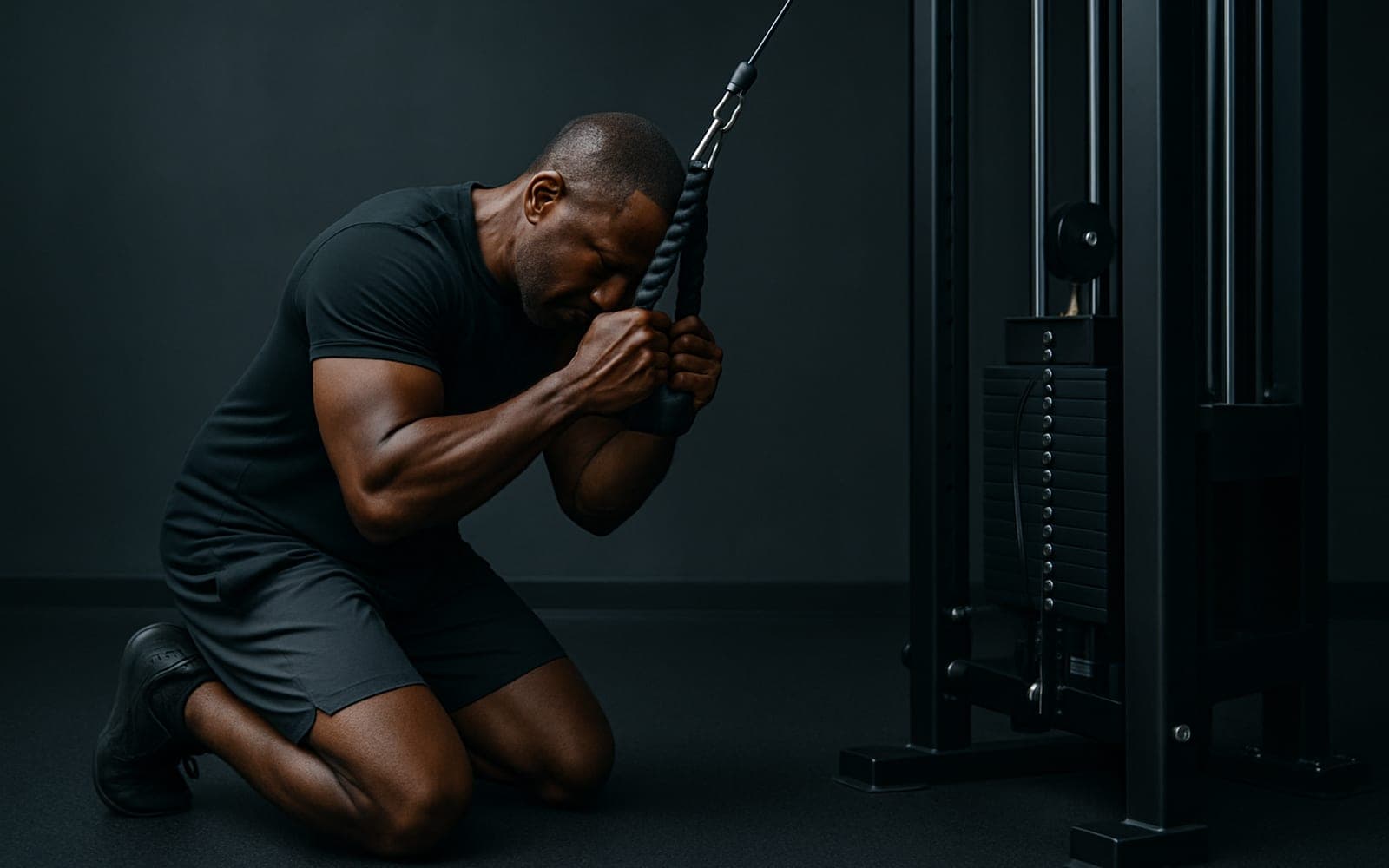
Kneel facing a high pulley holding a rope at the sides of the head.
- 2
Execute the movement
Crunch down by flexing the spine and contracting the abs — bringing the ribs toward the pelvis — then return under control. Keep the hips still.
Common mistakes
- Just bending at the hips
- Pulling with the arms
Make it harder
Make it easier
Substitutions
If a machine is busy or unavailable, these train the same pattern a different way.

Your progress over time
What to expect from training this consistently — everyone progresses at their own pace.
- 1
First few sessions
Learned safe setup and cueing (bracing, keeping hips still, pulling ribs to pelvis); able to perform 8–12 controlled reps with light weight and correct range of motion.
- 2
Weeks 2–4
Improved motor control and endurance of the rectus abdominis and obliques; able to increase volume and slightly raise weight while maintaining clean technique and full spinal flexion.
- 3
Months 2–3
Noticeable increase in abdominal muscle thickness and visible firmness for many trainees; capacity for heavier sets and higher time-under-tension, with better transfer to other core movements.
- 4
Months 4–6
Significant strength and hypertrophy gains in the anterior core, improved trunk flexion strength and fatigue resistance, and greater control during loaded or dynamic lifts.
- 5
6+ months
Well-developed, resilient midline with the ability to use heavier loads, vary tempo/positioning for progressive overload, and better overall performance in sport and daily tasks that demand trunk flexion control.
Benefits of the cable crunch
Directly targets the rectus abdominis to build size and strength through repeated, resisted spinal flexion.
Develops the obliques as stabilizers and synergists, improving rotational control and helping resist unwanted torso twisting.
Improves core endurance and time-under-tension capacity, which aids posture and reduces fatigue during prolonged sitting or standing tasks.
Allows precise loading and progression (weight, reps, tempo), making it easy to track hypertrophy and strength improvements.
Teaches controlled spinal flexion with hips stabilized, which carries over to safer performance of other lifts that require a strong midline.
Low technical complexity and adjustable resistance make it beginner-friendly for adding targeted abdominal work into a general fitness program.
Exercises that pair with this
Same muscles or the same movement pattern — useful for building the rest of the session.



Cable Crunch — questions people ask
What muscles does the cable crunch work?
The cable crunch trains the core as the primary target, with the obliques working as support. It is a core pattern, so it also trains the coordination that pattern needs.
How many sets and reps of the cable crunch should I do?
Two to four sets of 8–15 reps, or 20–45 second holds. Stop the set when your form breaks, not when the count runs out.
Is the cable crunch good for beginners?
Yes. The cable crunch is a beginner-friendly movement. Reduce weight; shorten the range. If it feels like too much, build the pattern on the core stability (machine/anti-rotation) first.
What can I do instead of the cable crunch?
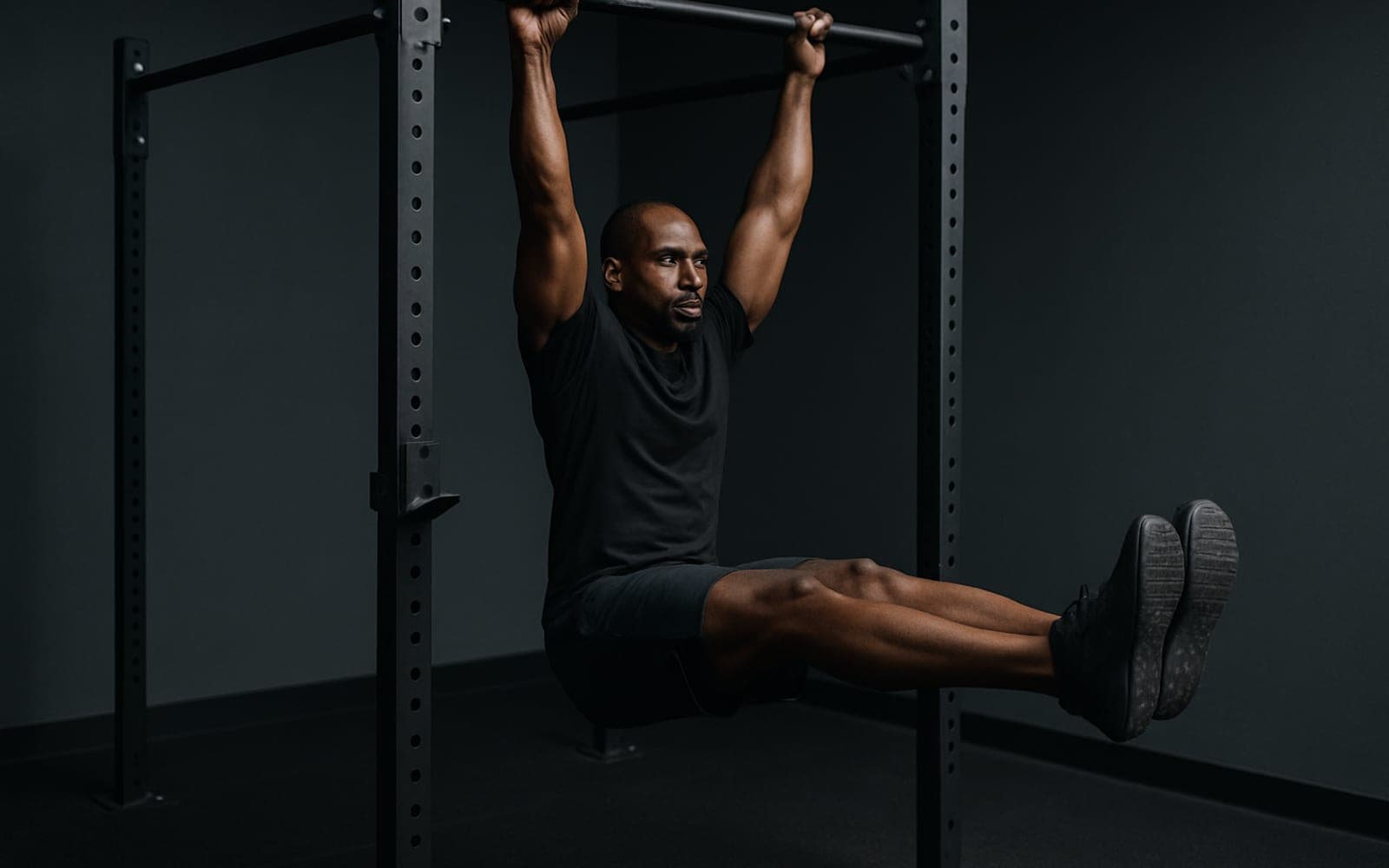
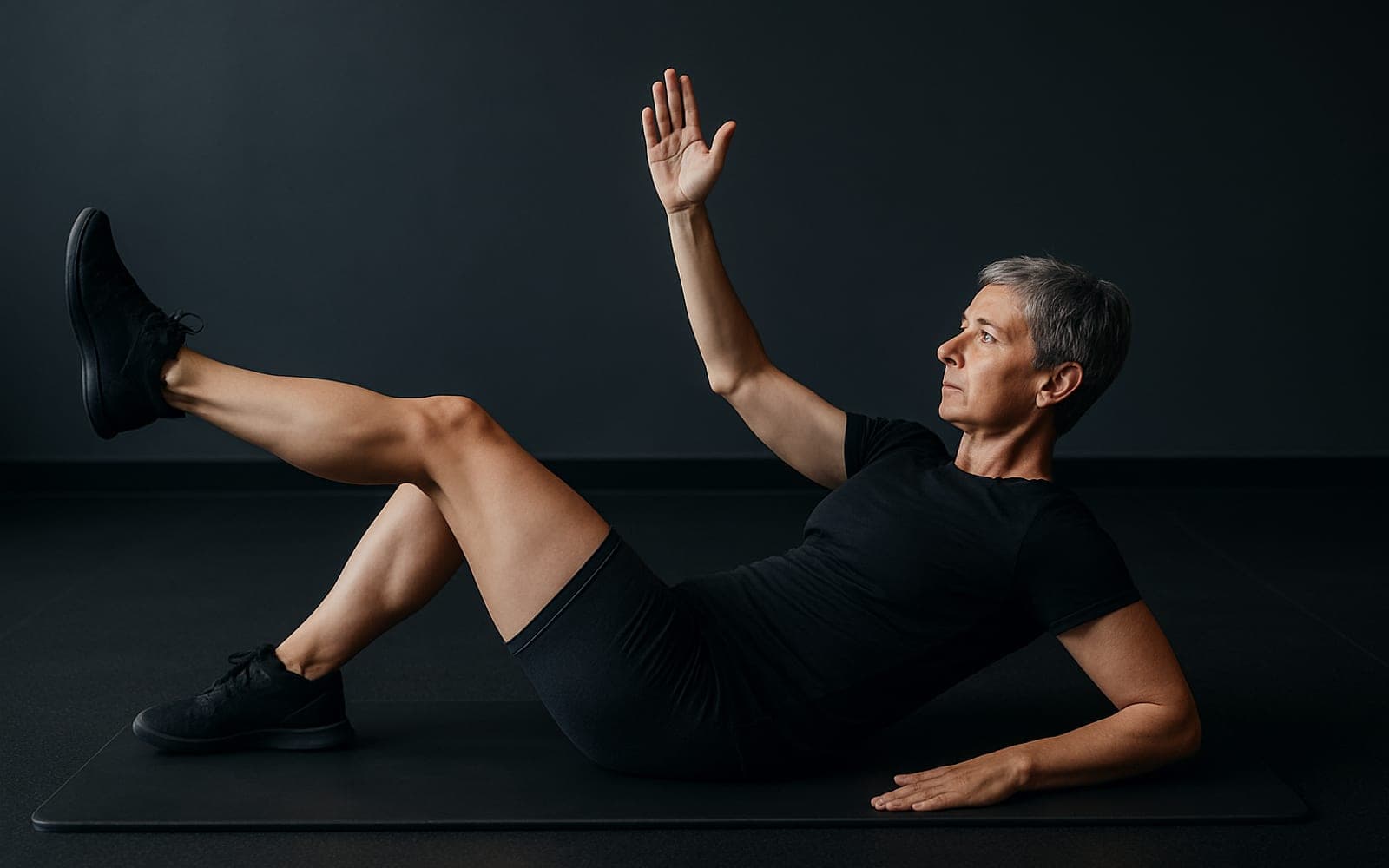
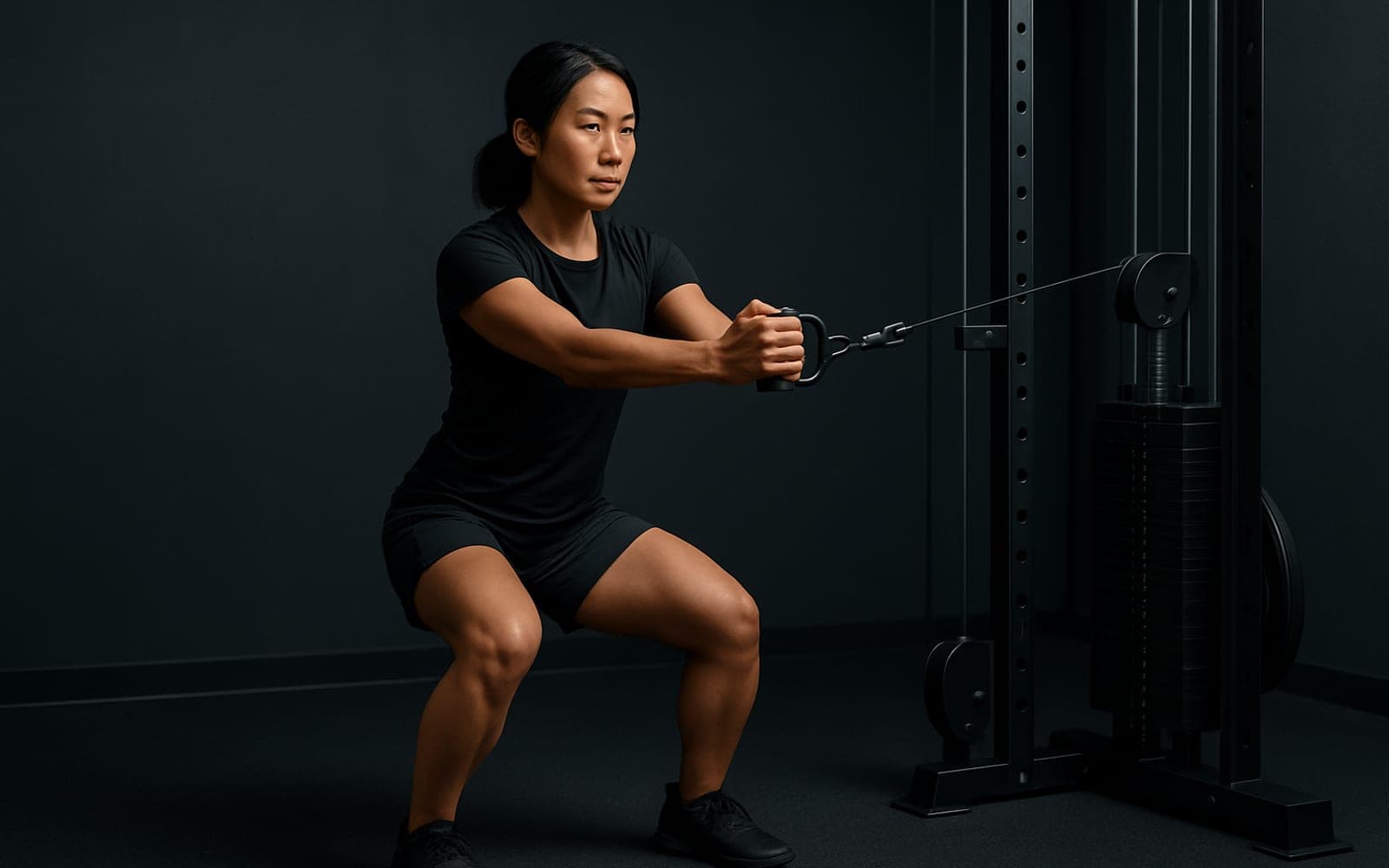
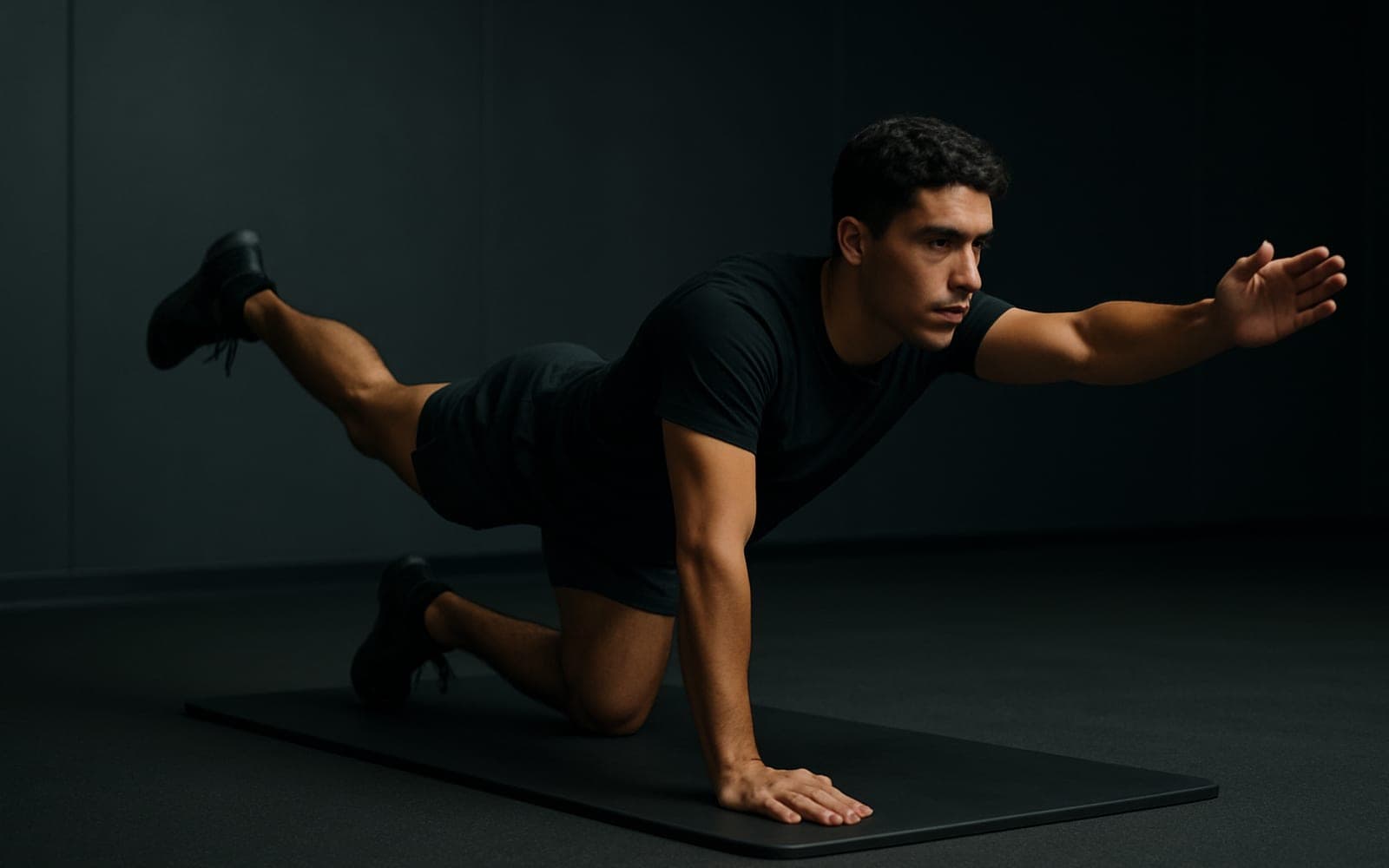
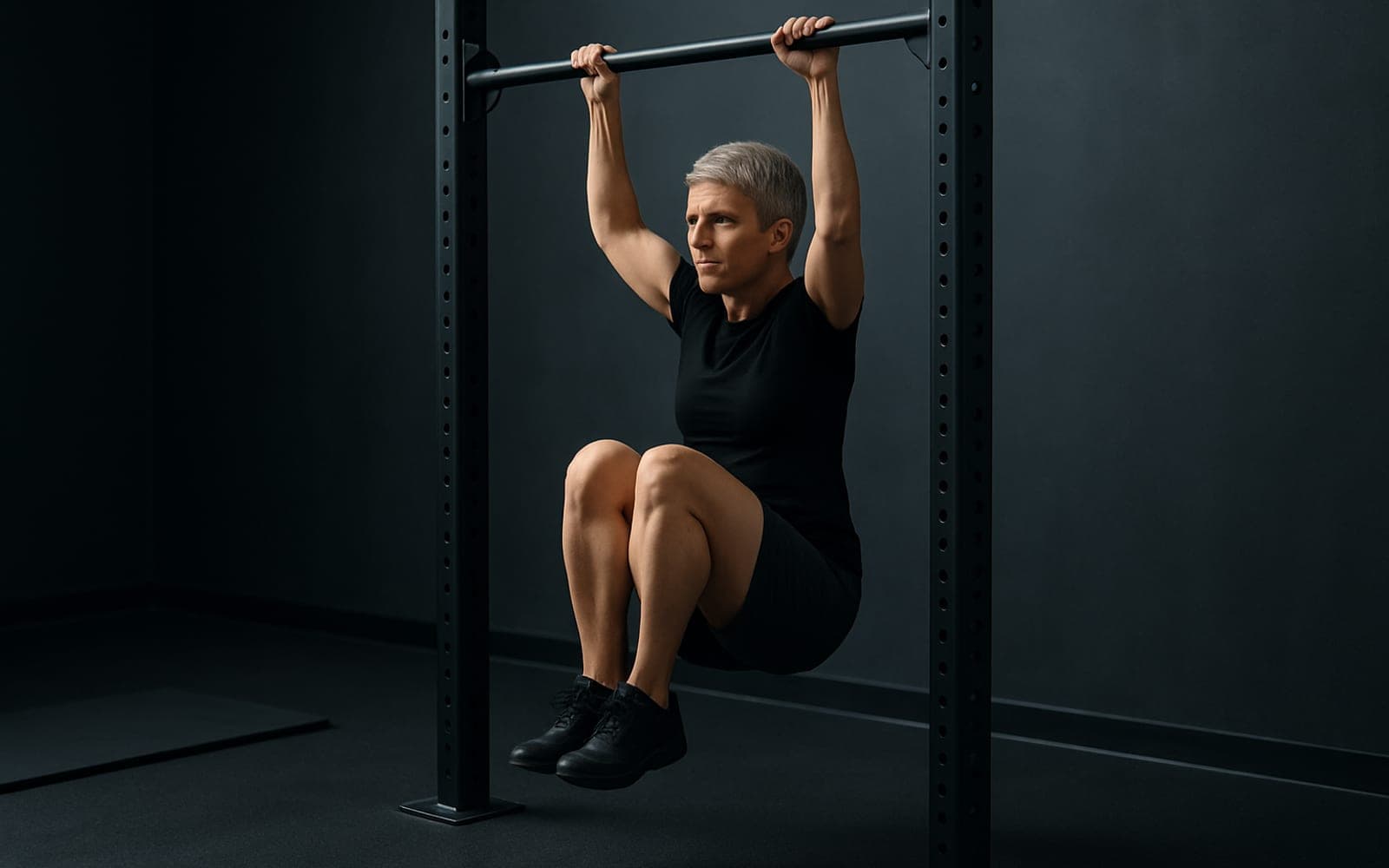
Hanging Leg Raise, Core Stability (Machine/Anti-Rotation), Dead Bug all train the same core pattern with different equipment, so any of them works when the machine is busy or your gym does not have it.
What are the most common cable crunch mistakes?
Just bending at the hips; Pulling with the arms. Crunch down by flexing the spine and contracting the abs — bringing the ribs toward the pelvis — then return under control. Keep the hips still.
Can I do the cable crunch at home?
The cable crunch needs cable & functional equipment, which most home gyms do not have. The hanging leg raise trains the same pattern with nothing more than your bodyweight or a band.