Core Stability (Machine/Anti-Rotation)
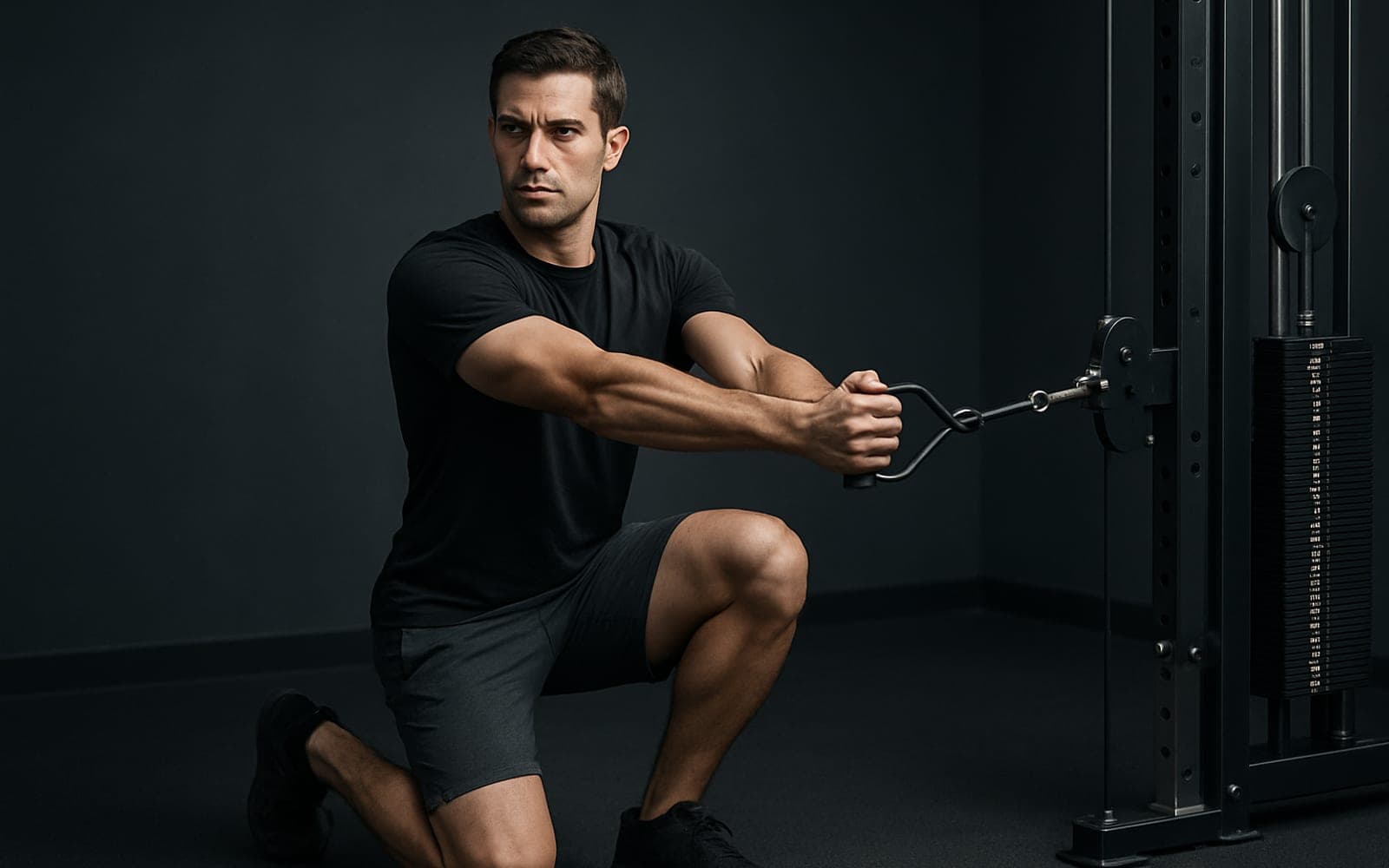
Activation
Muscles worked
Movement
Core
Beginner · Cable & Functional
Primary muscles
Secondary muscles
Movement pattern
Equipment category
How to perform
- 1
Set up
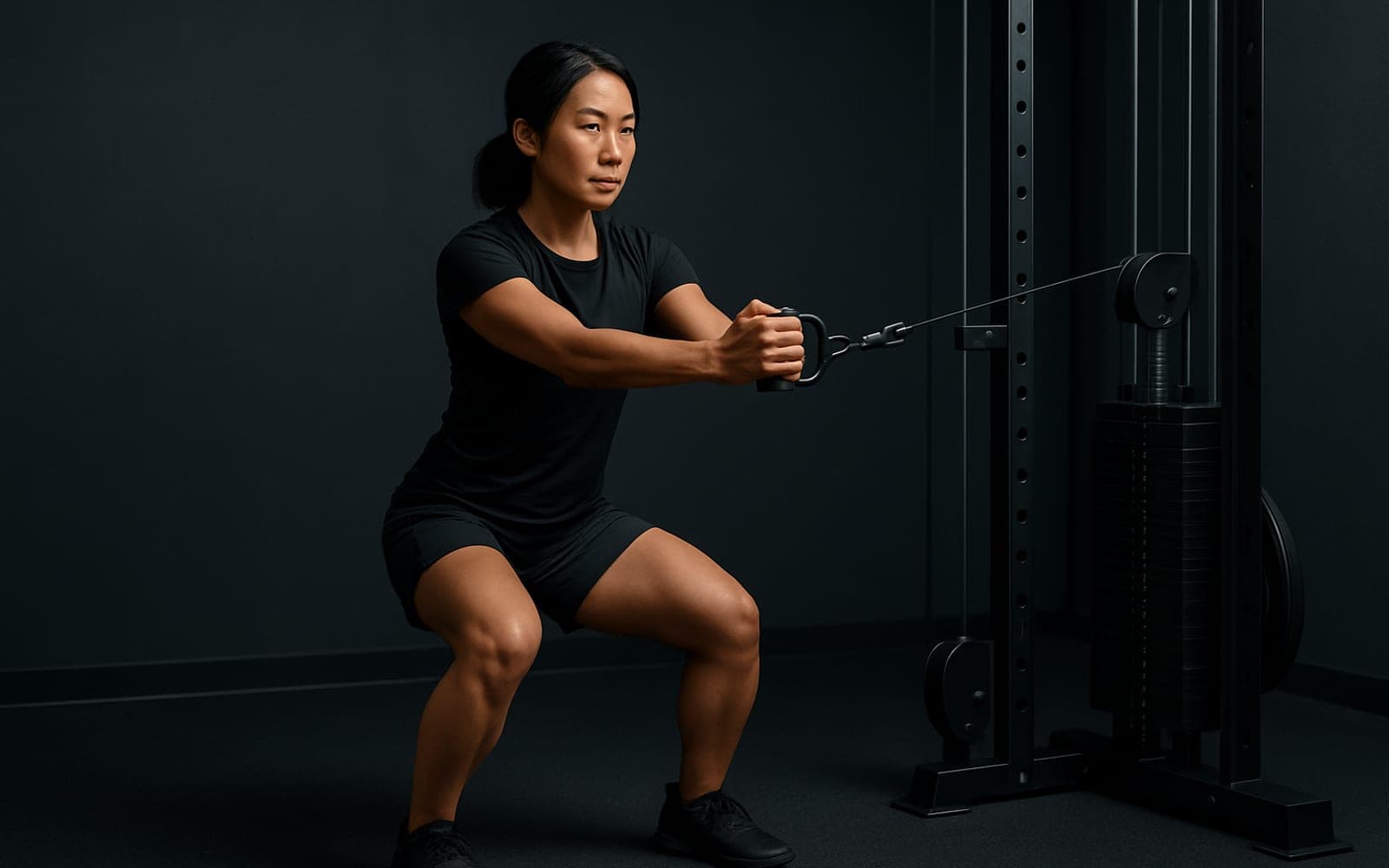
Cable or machine at torso height.
- 2
Execute the movement
Resist rotation, moving slowly and bracing throughout.
Common mistakes
- Using the arms instead of the trunk
Make it harder
Make it easier
Substitutions
If a machine is busy or unavailable, these train the same pattern a different way.
Your progress over time
What to expect from training this consistently — everyone progresses at their own pace.
- 1
First few sessions
Learn proper setup, bracing, and how to resist rotation safely; comfortable holding low-resistance anti-rotation positions for 15–30 seconds with good form.
- 2
Weeks 2–4
Noticeable rise in endurance and control — longer holds (30–60s), ability to tolerate higher band/cable resistance, and less unwanted torso rotation during the exercise and simple daily tasks.
- 3
Months 2–3
Improved anti-rotation strength and tempo control under moderate loads, clearer carryover to planks/side planks and better torso control during walking, running and basic lifts.
- 4
Months 4–6
Consistent, measurable increase in anti-rotation torque and muscular endurance of the core/obliques; more resilient posture and reduced technique breakdown in multi-joint lifts and sport-specific movements.
- 5
6+ months
Robust, automatic anti-rotation stability under high loads and during dynamic tasks, with reliable transfer to heavier compound lifts and improved performance in activities requiring resisting or controlling rotation.
Benefits of the core stability (machine/anti-rotation)
Develops isometric core strength and the ability to brace effectively, which helps stabilize the spine during most movements.
Builds anti-rotational control and works the obliques, improving the muscles that resist twisting forces.
Improves transfer to athletic tasks that require resisting or controlling rotation, such as throwing, cutting and change-of-direction actions.
Enhances ability to transmit force between upper and lower body, making lifts and loaded carries more efficient and safer.
Promotes better posture and sustained trunk control during prolonged or loaded activities, aiding everyday movement quality.
Reinforces motor control and body awareness by training slow, controlled resistance to rotation, which reduces technique breakdown under fatigue.
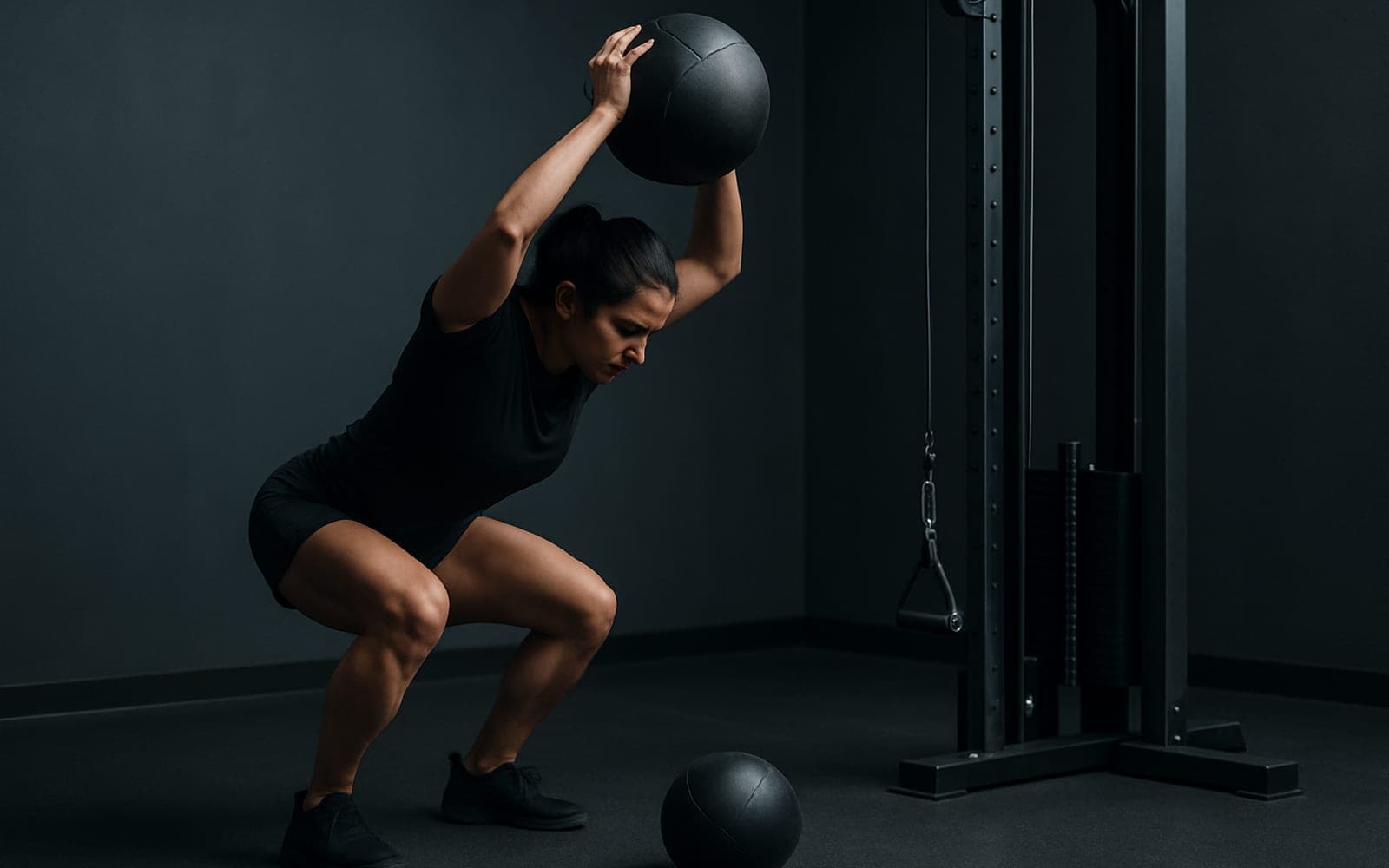
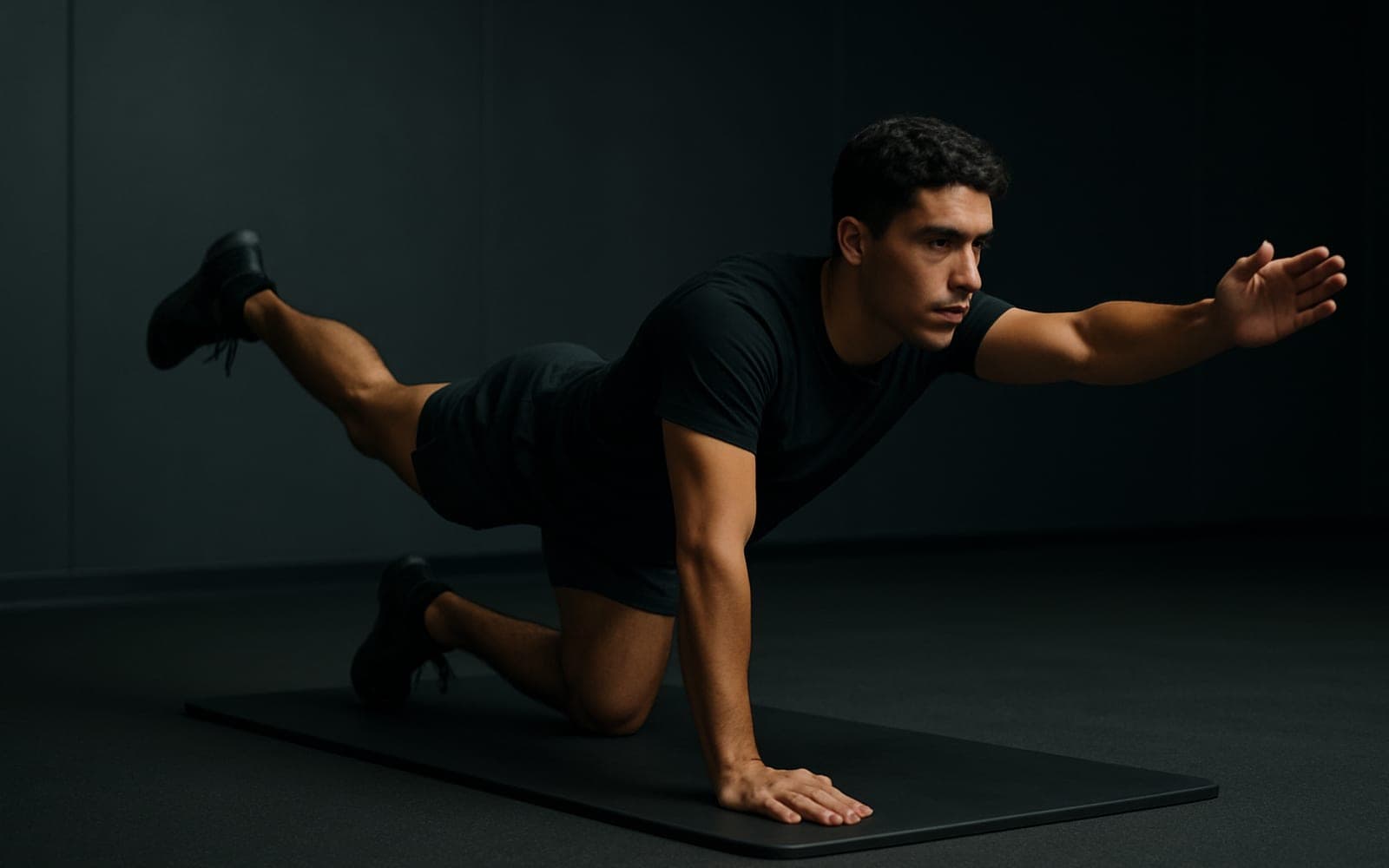
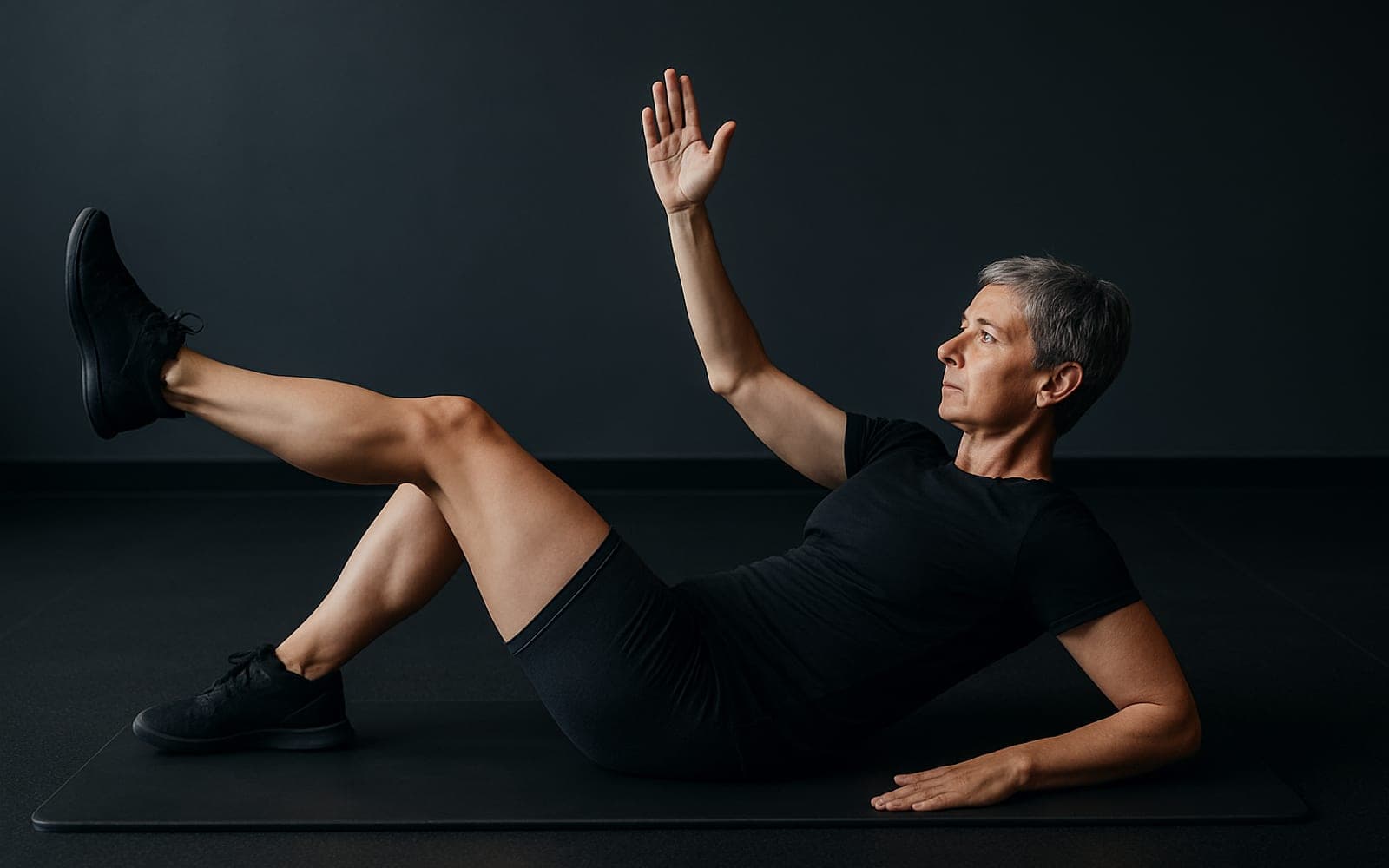
Exercises that pair with this
Same muscles or the same movement pattern — useful for building the rest of the session.
Core Stability (Machine/Anti-Rotation) — questions people ask
What muscles does the core stability (machine/anti-rotation) work?
The core stability (machine/anti-rotation) trains the core as the primary target, with the obliques working as support. It is a core pattern, so it also trains the coordination that pattern needs.
How many sets and reps of the core stability (machine/anti-rotation) should I do?
Two to four sets of 8–15 reps, or 20–45 second holds. Stop the set when your form breaks, not when the count runs out.
Is the core stability (machine/anti-rotation) good for beginners?
Yes. The core stability (machine/anti-rotation) is a beginner-friendly movement. Reduce weight. If it feels like too much, build the pattern on the plank first.
What can I do instead of the core stability (machine/anti-rotation)?
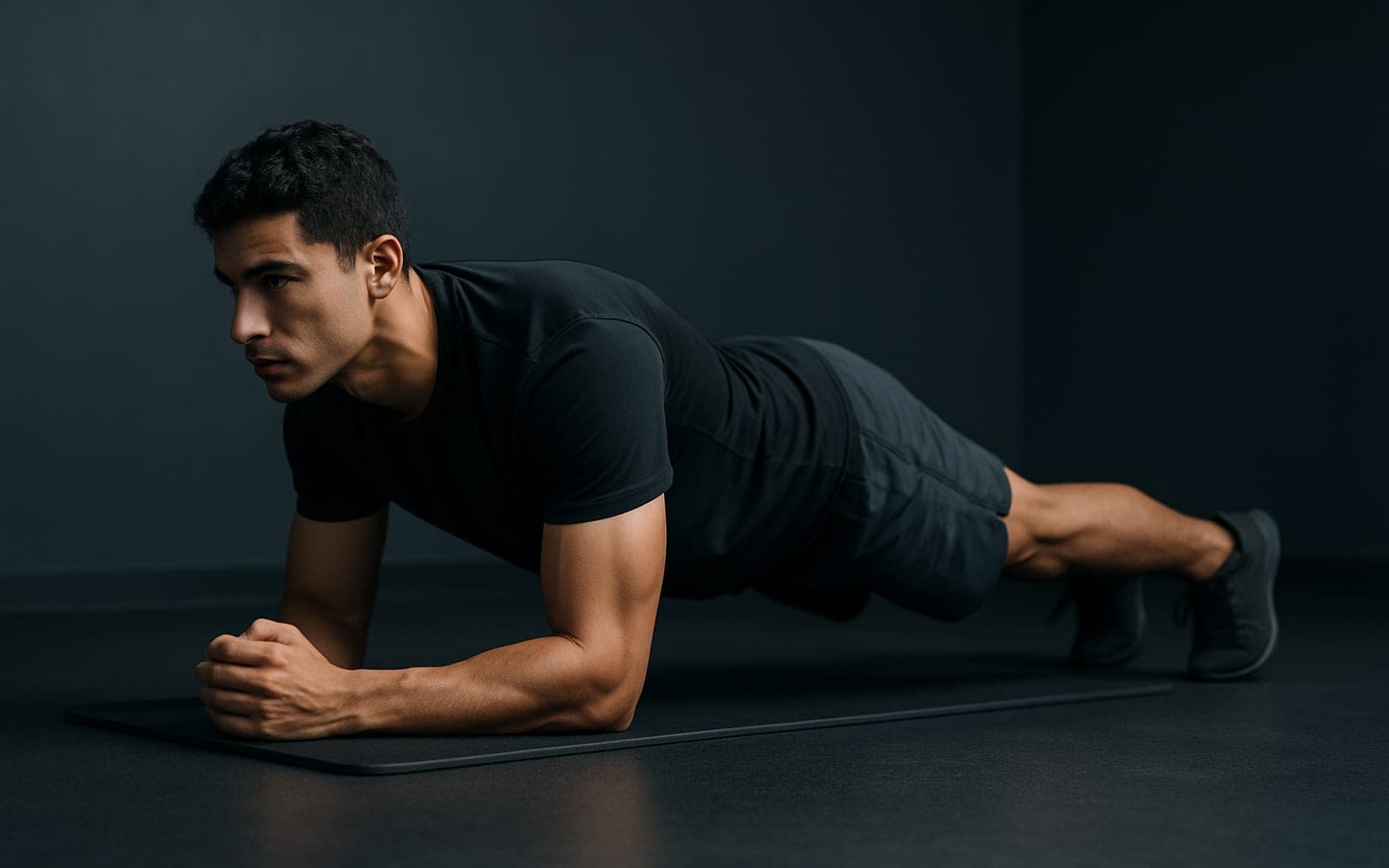
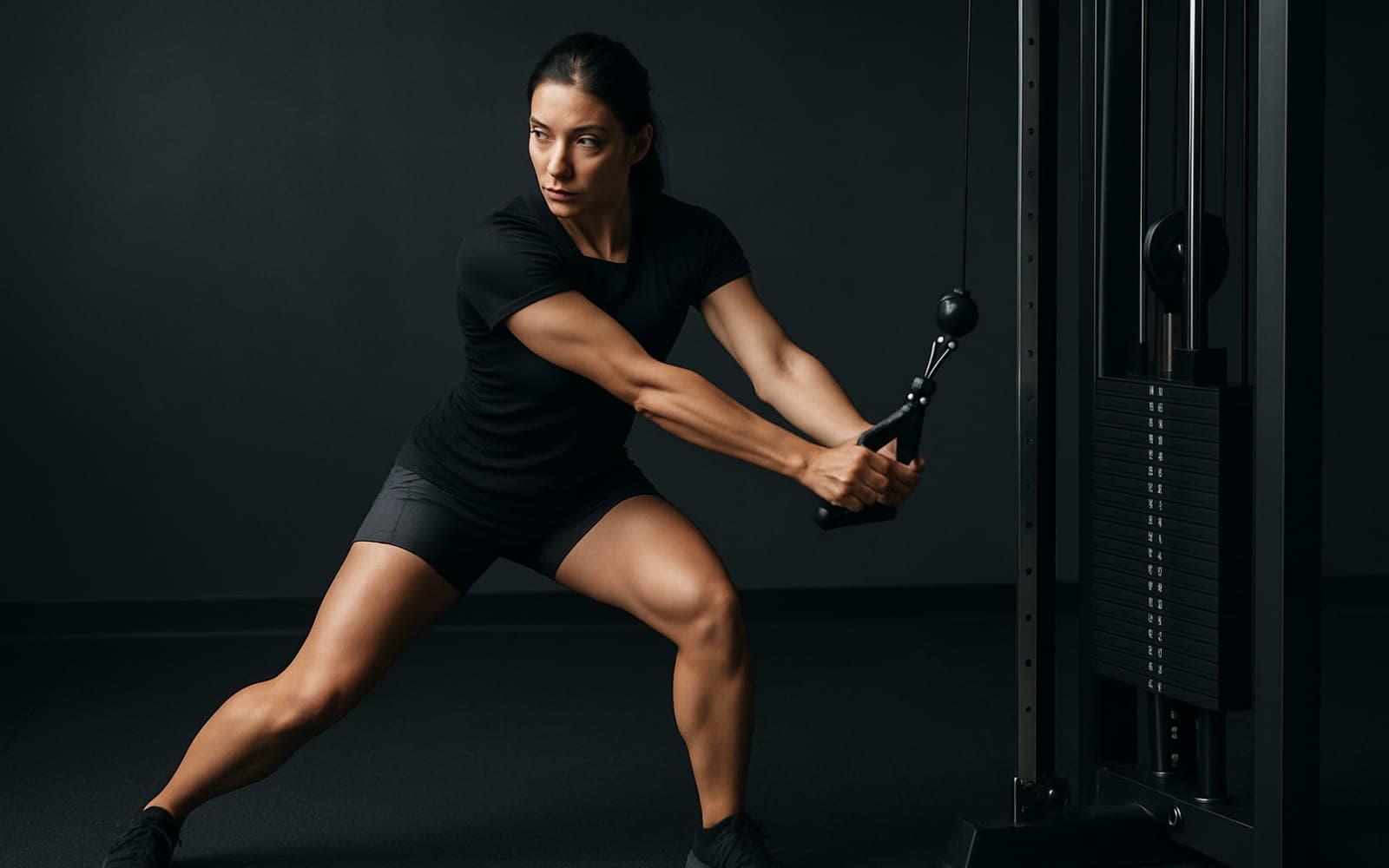
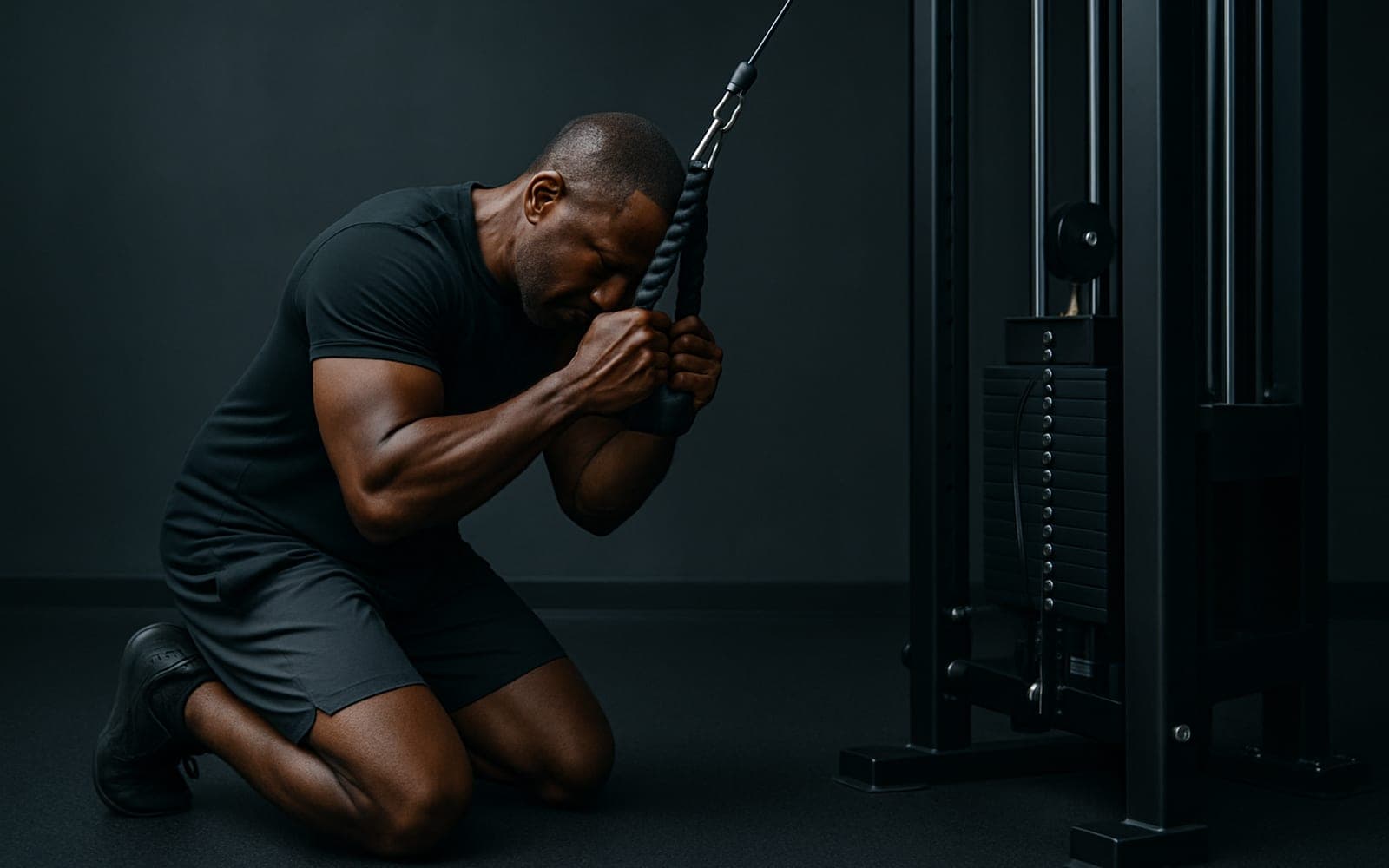
Plank, Cable Woodchop all train the same core pattern with different equipment, so any of them works when the machine is busy or your gym does not have it.
What are the most common core stability (machine/anti-rotation) mistakes?
Using the arms instead of the trunk. Resist rotation, moving slowly and bracing throughout.
Can I do the core stability (machine/anti-rotation) at home?
The core stability (machine/anti-rotation) needs cable & functional equipment, which most home gyms do not have. The plank trains the same pattern with nothing more than your bodyweight or a band.