Pallof Press (Anti-Rotation)
Activation
Muscles worked
Movement
Core
Beginner · Cable & Functional
Secondary muscles
Movement pattern
Equipment category
How to perform
- 1
Set up
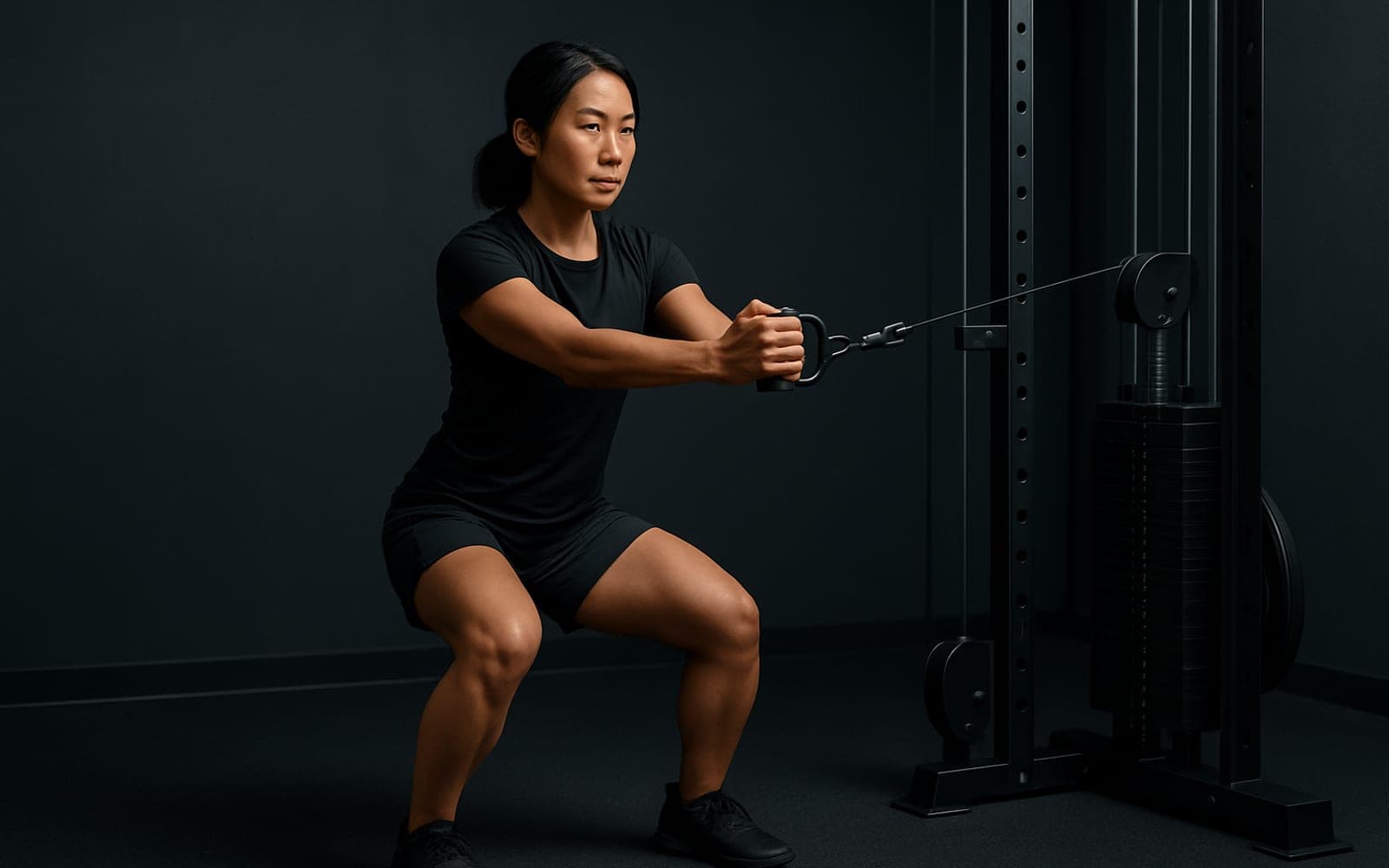
Stand side-on to a cable at chest height, holding the handle at the sternum with both hands.
- 2
Execute the movement
Press the handle straight out and resist the cable's pull to rotate you; hold, then return. The core works to keep you square.
Common mistakes
- Letting the torso rotate
- Shrugging the shoulders
Make it harder
Make it easier
Accessibility
Substitutions
If a machine is busy or unavailable, these train the same pattern a different way.
Your progress over time
What to expect from training this consistently — everyone progresses at their own pace.
- 1
First few sessions
Learn setup and bracing: light resistance or band, focus on keeping shoulders and hips square, 6–12 reps per side or 10–20 second isometric holds; you should feel the obliques and deep core working without compensatory rotation.
- 2
Weeks 2–4
Improved neuromuscular control and endurance: able to increase reps/hold times and slightly raise resistance while maintaining form, with noticeably less torso drift and better breathing during the press.
- 3
Months 2–3
Clear gains in anti-rotational strength and stamina: handle heavier cable or stronger band, perform multiple quality sets, and experience better transfer to resisted and rotational sport actions (e.g., starting to resist rotation during single-leg or standing tasks).
- 4
Months 4–6
Advanced control and load capacity: consistent performance with variations (kneeling, half-kneeling, offset stances) and higher loads, plus improved ability to maintain trunk position during dynamic movements and lifts.
- 5
6+ months
Durable anti-rotation capacity and movement resilience: reliable core stability under heavier and more complex loading, easier integration into sport-specific training, and a lower likelihood of form breakdown when resisting rotational forces.
Benefits of the pallof press (anti-rotation)
Directly trains the obliques and deep trunk stabilizers to resist rotation, improving core strength in the transverse plane.
Builds trunk stability under load, which helps keep the spine and pelvis aligned during lifting and athletic actions.
Enhances carryover to rotational sports and activities by training the body to resist unwanted twist and transfer force more efficiently.
Recruits the shoulder girdle and upper back isometrically, promoting joint stability while keeping the press smooth.
Improves core endurance and posture in a low-impact, beginner-friendly way that’s easy to progress with bands, cables, and variations.
Teaches motor control and breathing coordination under tension, which supports safer and more effective performance in other exercises.
Exercises that pair with this
Same muscles or the same movement pattern — useful for building the rest of the session.
Pallof Press (Anti-Rotation) — questions people ask
What muscles does the pallof press (anti-rotation) work?
The pallof press (anti-rotation) trains the core and obliques as the primary target, with the shoulders working as support. It is a core pattern, so it also trains the coordination that pattern needs.
How many sets and reps of the pallof press (anti-rotation) should I do?
Two to four sets of 8–15 reps, or 20–45 second holds. Stop the set when your form breaks, not when the count runs out.
Is the pallof press (anti-rotation) good for beginners?
Yes. The pallof press (anti-rotation) is a beginner-friendly movement. Reduce load; shorten the press. If it feels like too much, build the pattern on the cable woodchop first.
What can I do instead of the pallof press (anti-rotation)?
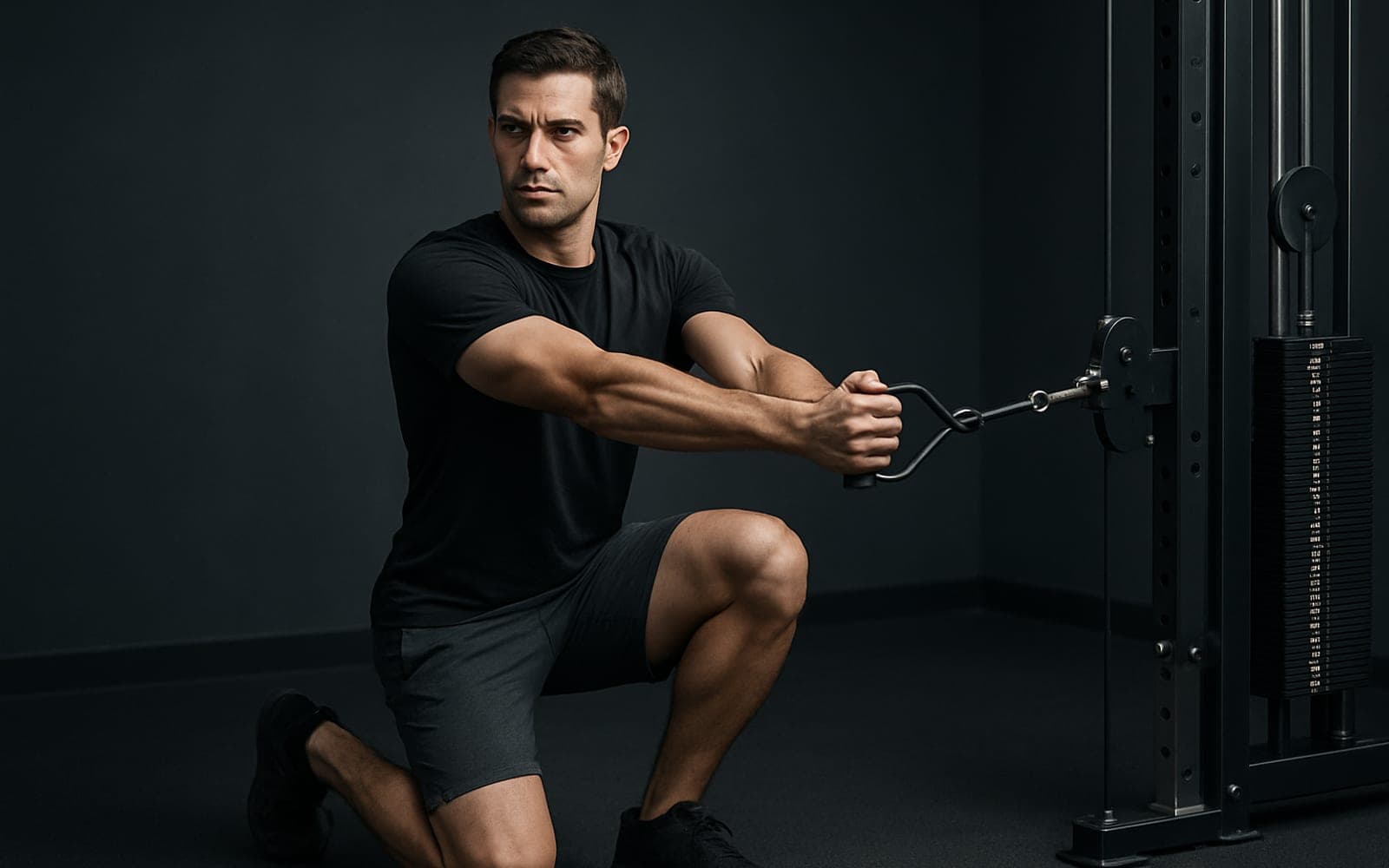
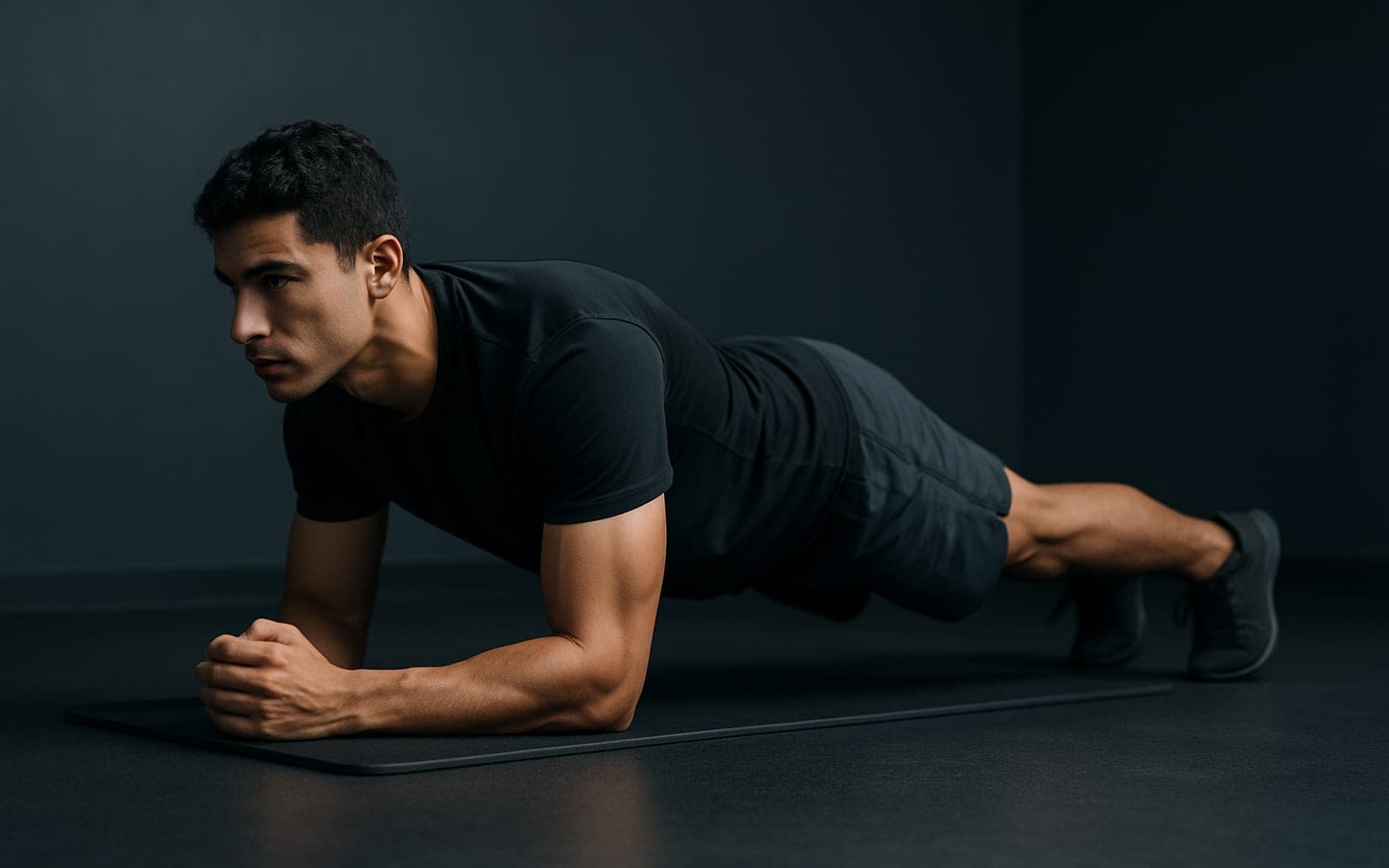
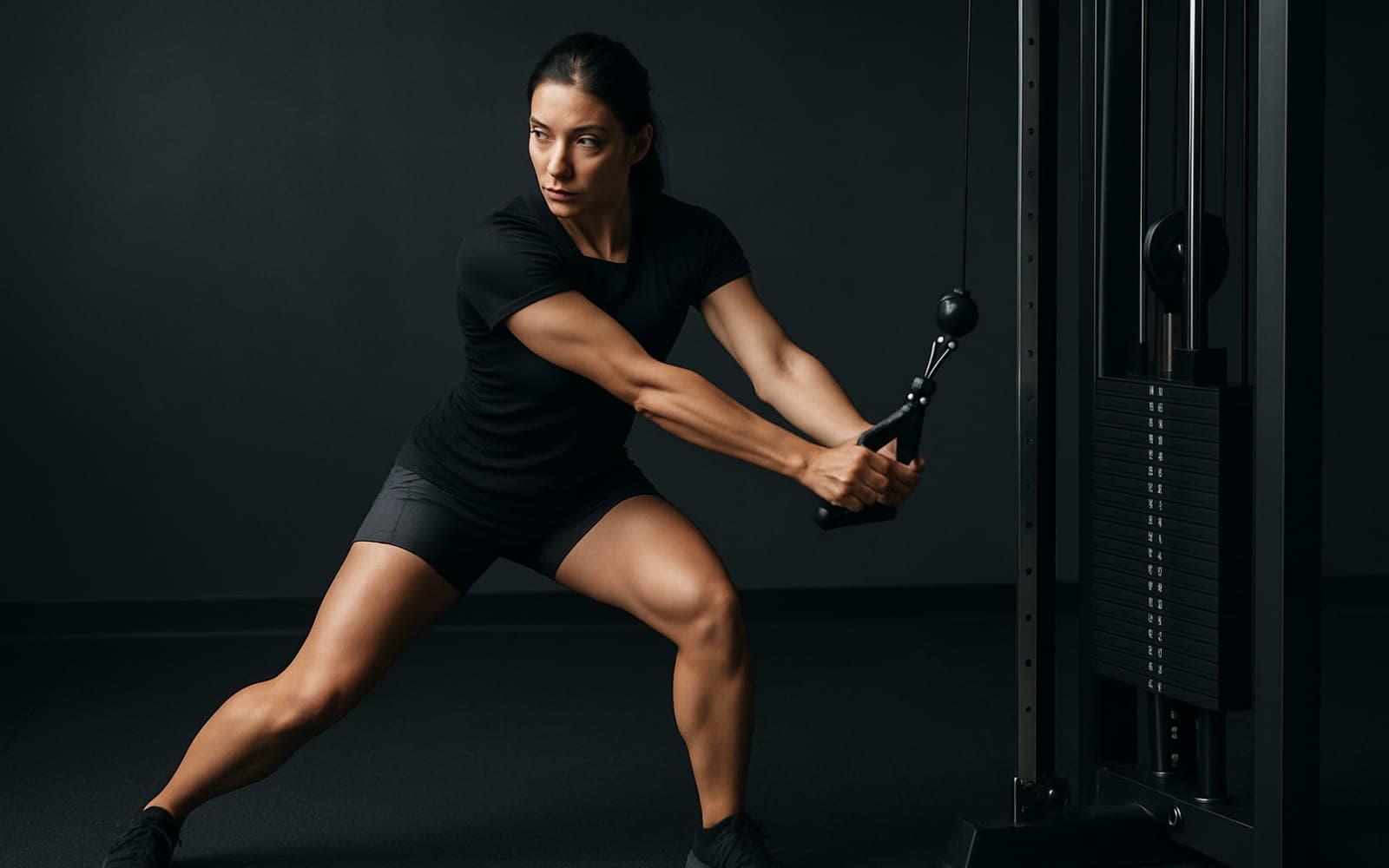
Core Stability (Machine/Anti-Rotation), Plank, Cable Woodchop all train the same core pattern with different equipment, so any of them works when the machine is busy or your gym does not have it.
What are the most common pallof press (anti-rotation) mistakes?
Letting the torso rotate; Shrugging the shoulders. Press the handle straight out and resist the cable's pull to rotate you; hold, then return. The core works to keep you square.
Can I do the pallof press (anti-rotation) at home?
The pallof press (anti-rotation) needs cable & functional equipment, which most home gyms do not have. The plank trains the same pattern with nothing more than your bodyweight or a band.