Medicine Ball Slam
Activation
Muscles worked
Movement
Core
Beginner · Cable & Functional
Primary muscles
Movement pattern
Equipment category
How to perform
- 1
Set up
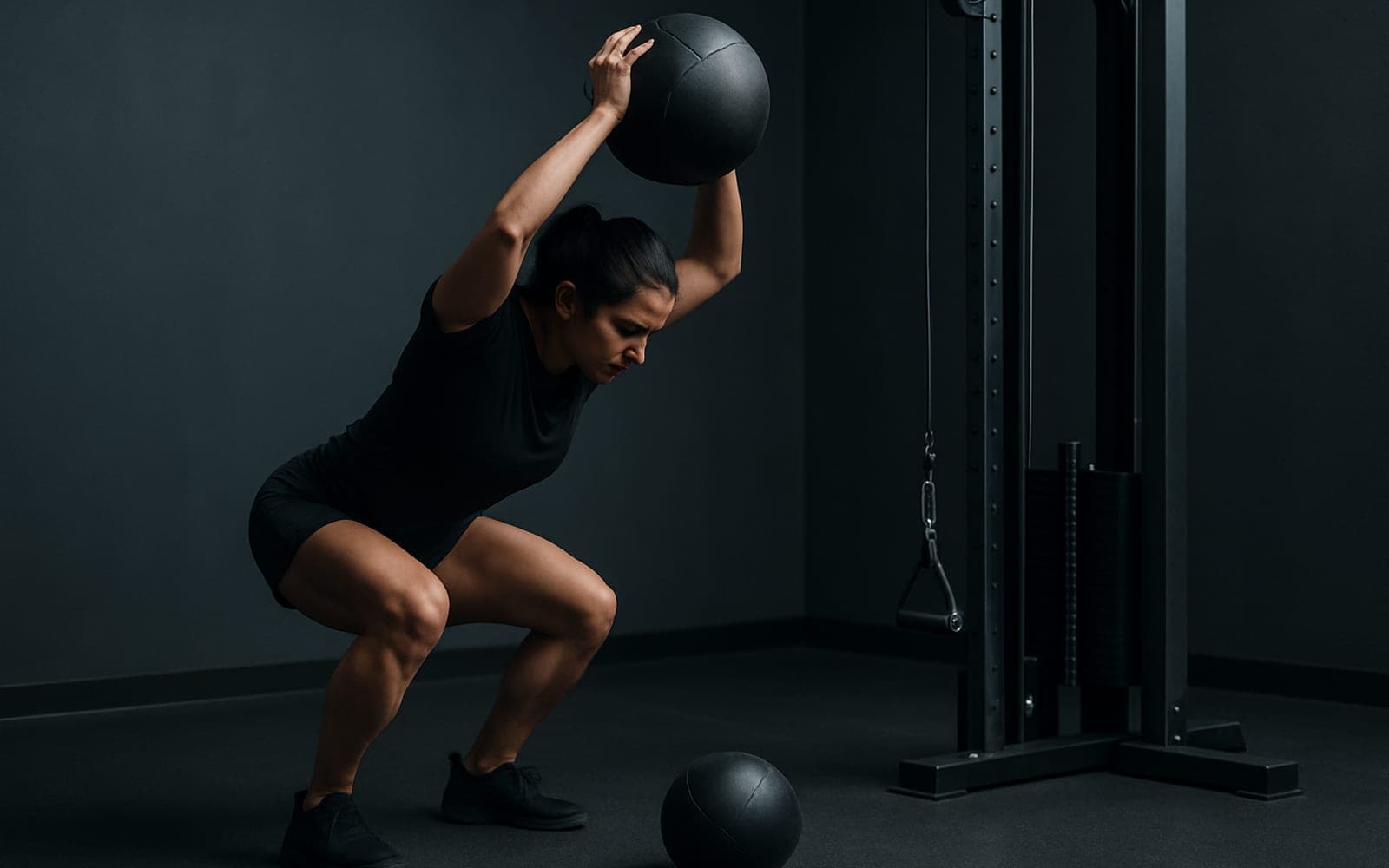
Stand tall holding a non-bouncy slam ball overhead.
- 2
Execute the movement
Brace the core and slam the ball to the floor explosively, hinging at the hips; catch or pick it up and repeat. Great power and conditioning finisher.
Common mistakes
- Rounding the back to reach the ball
- Using a bouncy ball
Make it harder
Make it easier
Substitutions
If a machine is busy or unavailable, these train the same pattern a different way.
Your progress over time
What to expect from training this consistently — everyone progresses at their own pace.
- 1
First few sessions
Learn safe hip hinge, overhead reach and slam pattern with a light medicine ball; build movement timing, breathing/brace technique and handle 10–20 controlled slams in a set without form breakdown.
- 2
Weeks 2–4
Noticeable increases in slam speed and repeatability, tolerate heavier balls or longer sets, improved core bracing under dynamic load and better conditioning between sets (shorter rest needed).
- 3
Months 2–3
Develop meaningful explosive force and muscular endurance in the core and shoulders — able to perform higher-volume or higher-intensity intervals (e.g., multiple 30–60s rounds) with consistent technique.
- 4
Months 4–6
Transfer of improved power to other athletic movements (better hip drive and quicker torso deceleration), greater work capacity for finishers, and measurable reductions in body fat when combined with nutrition and broader training.
- 5
6+ months
Handle heavier implements, integrate slams into complex power/conditioning circuits, maintain high slam velocity across longer sessions and demonstrate durable core control in sport-specific actions and high-intensity efforts.
Benefits of the medicine ball slam
Develops explosive core power (anti-extension and rapid hip-hinge deceleration) useful for throwing, sprint finishes and collision preparation.
Trains rapid whole-body coordination and force transfer from hips through the torso to the arms, improving athletic power expression.
Engages the lats and shoulders eccentrically and concentrically, building upper-body conditioning and resilience to dynamic loading.
Serves as a high-intensity interval-style movement that elevates heart rate and contributes to improved cardiovascular and metabolic conditioning.
Is an effective calorie-burning finisher when done in intervals, supporting weight-loss goals as part of an overall program and diet.
Teaches repeated high-velocity braking and re-acceleration (deceleration control), which helps reduce injury risk from poor dynamic trunk control in sport and daily tasks.
Exercises that pair with this
Same muscles or the same movement pattern — useful for building the rest of the session.
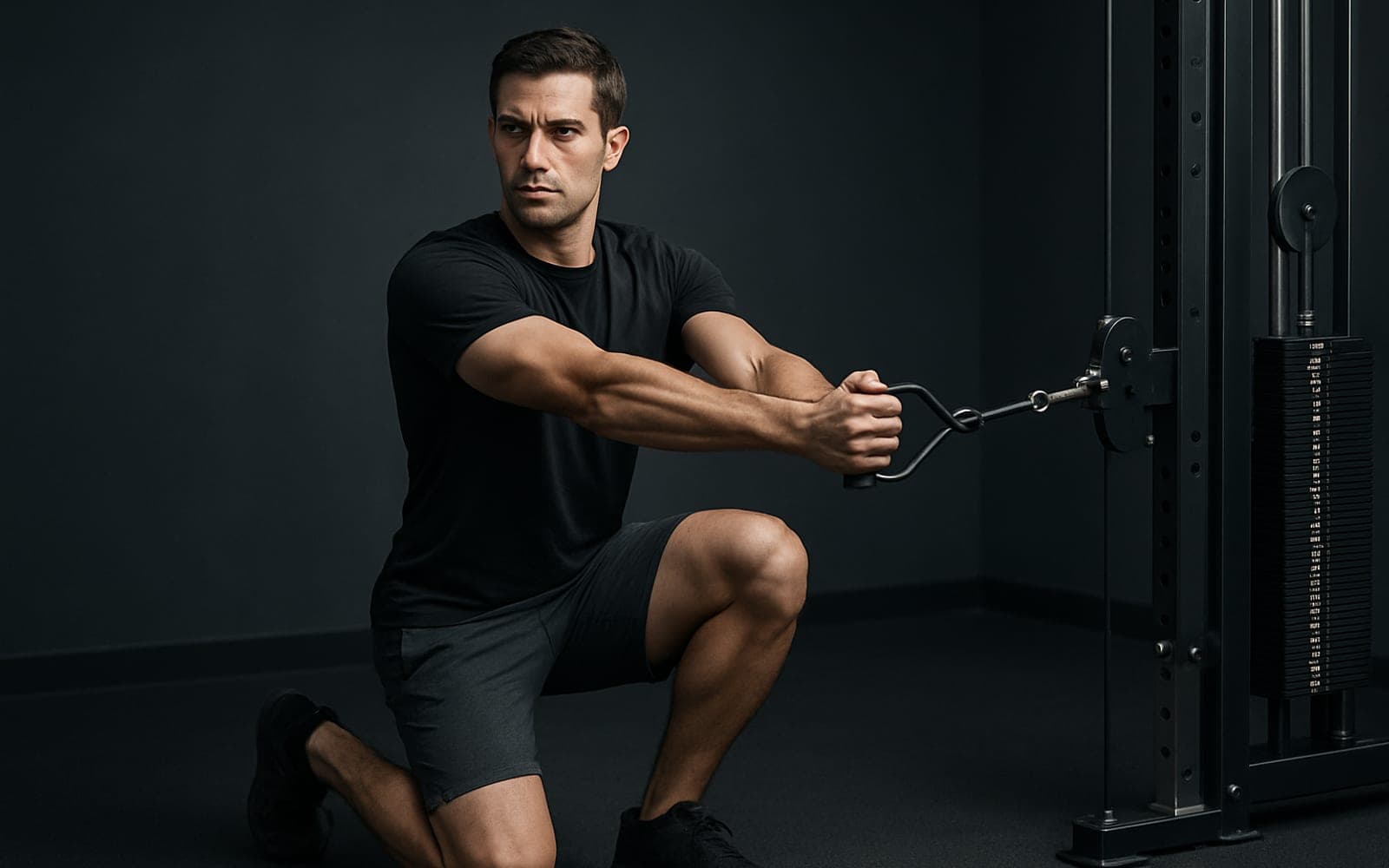
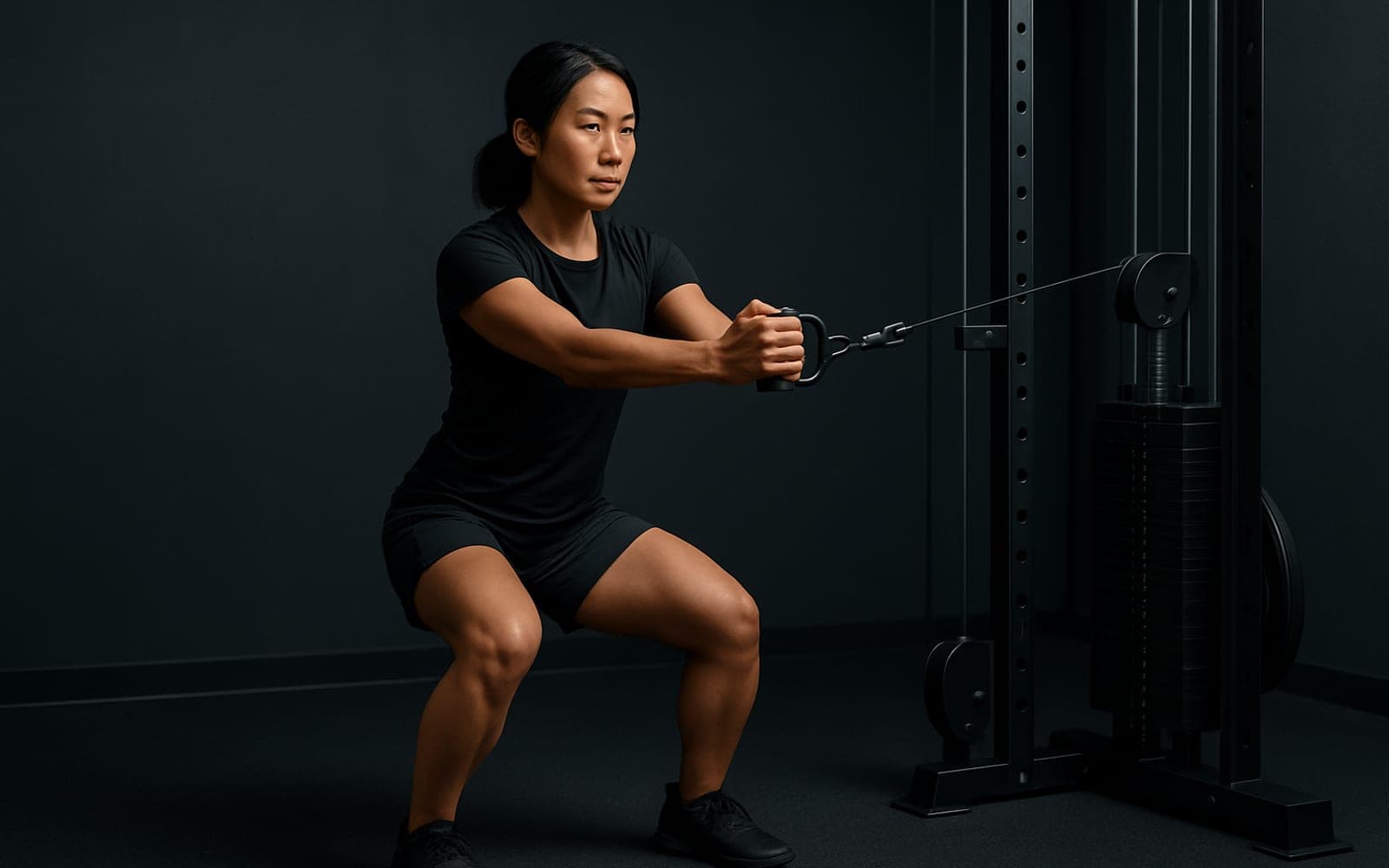
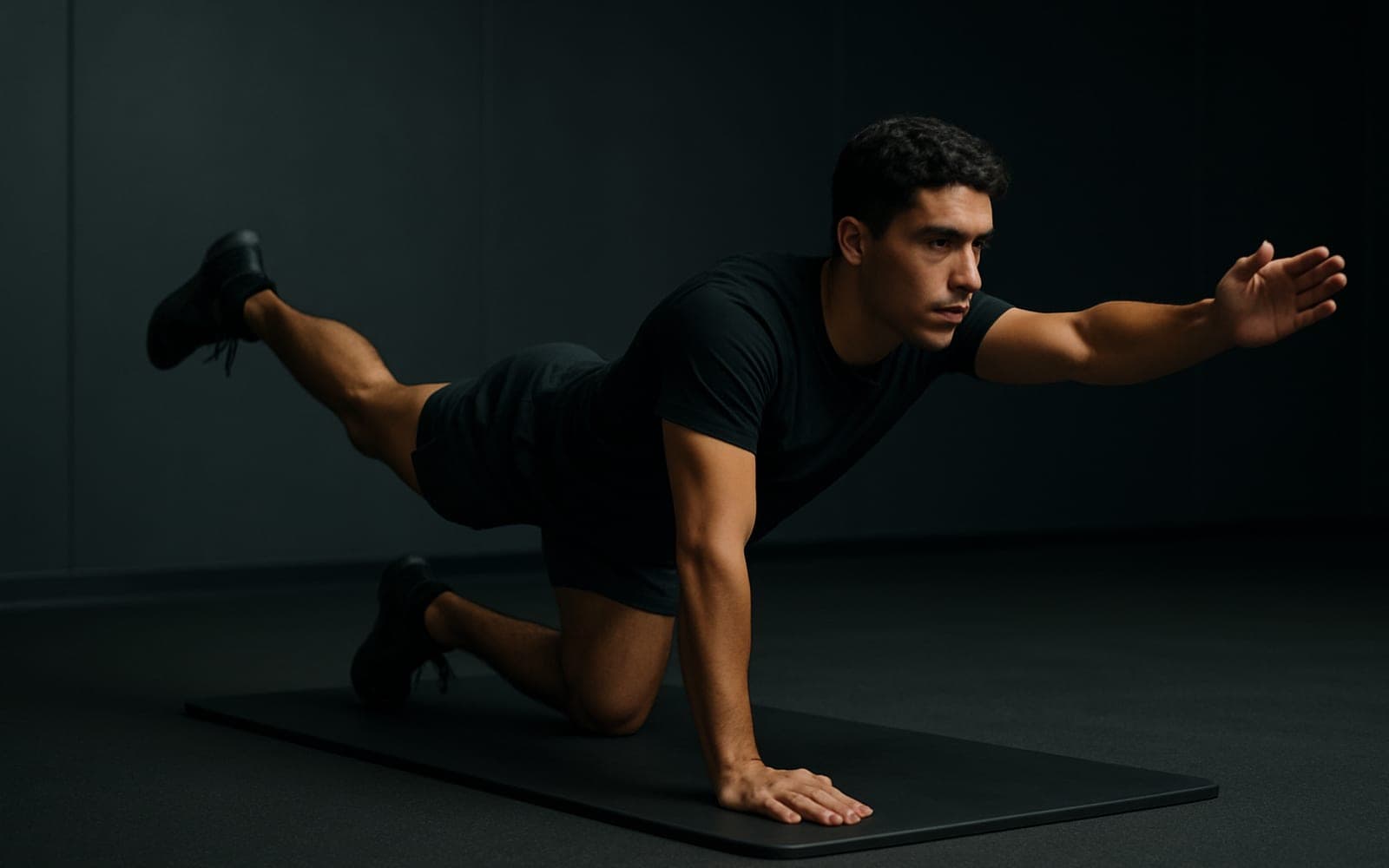
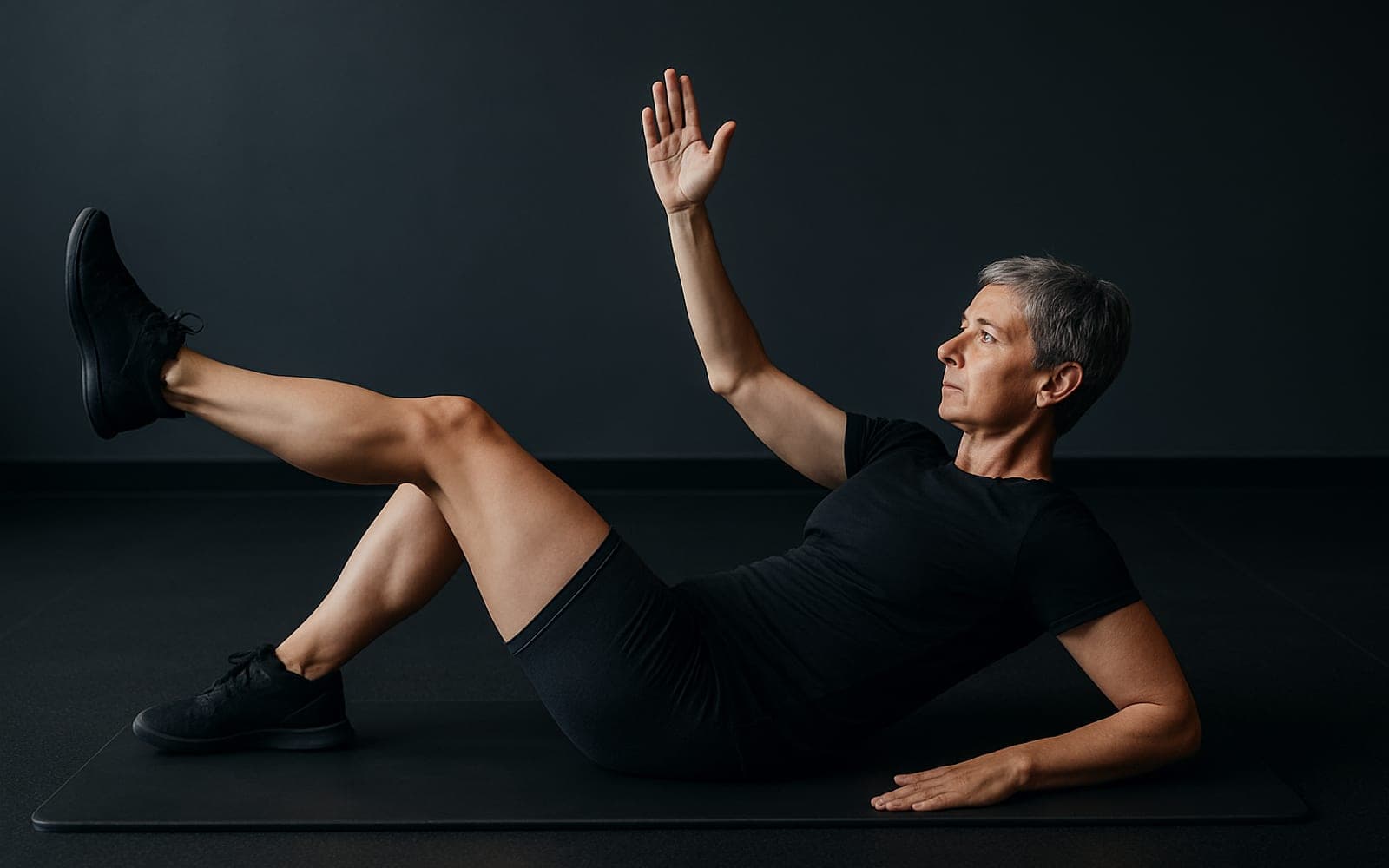
Medicine Ball Slam — questions people ask
What muscles does the medicine ball slam work?
The medicine ball slam trains the core as the primary target, with the lats, shoulders, full body working as support. It is a core pattern, so it also trains the coordination that pattern needs.
How many sets and reps of the medicine ball slam should I do?
Three to five sets of 2–5 reps, fully rested between sets. Power work is about speed, so end the set the moment the bar slows down.
Is the medicine ball slam good for beginners?
Yes. The medicine ball slam is a beginner-friendly movement. Lighter ball; slower tempo. If it feels like too much, build the pattern on the mountain climber first.
What can I do instead of the medicine ball slam?
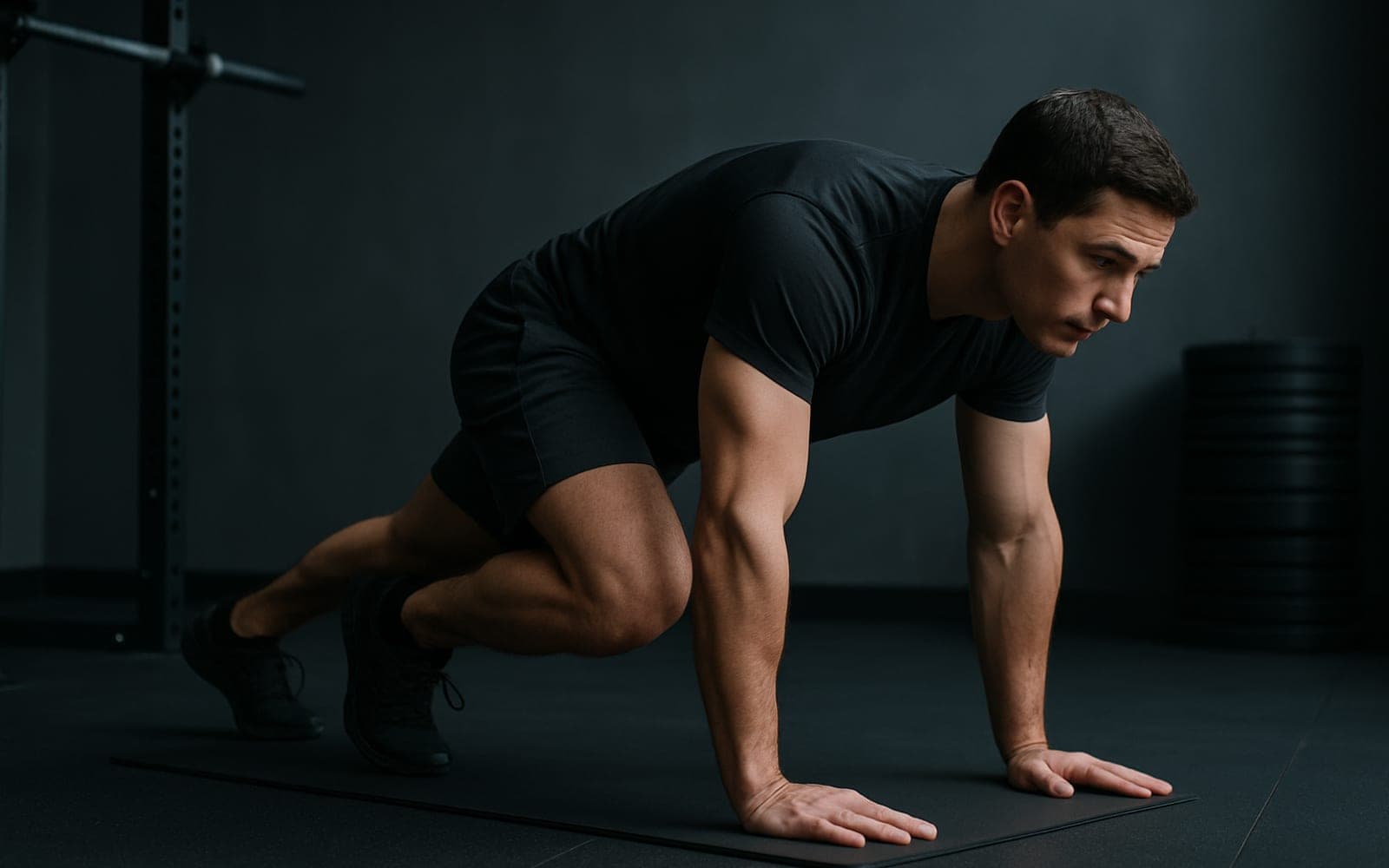
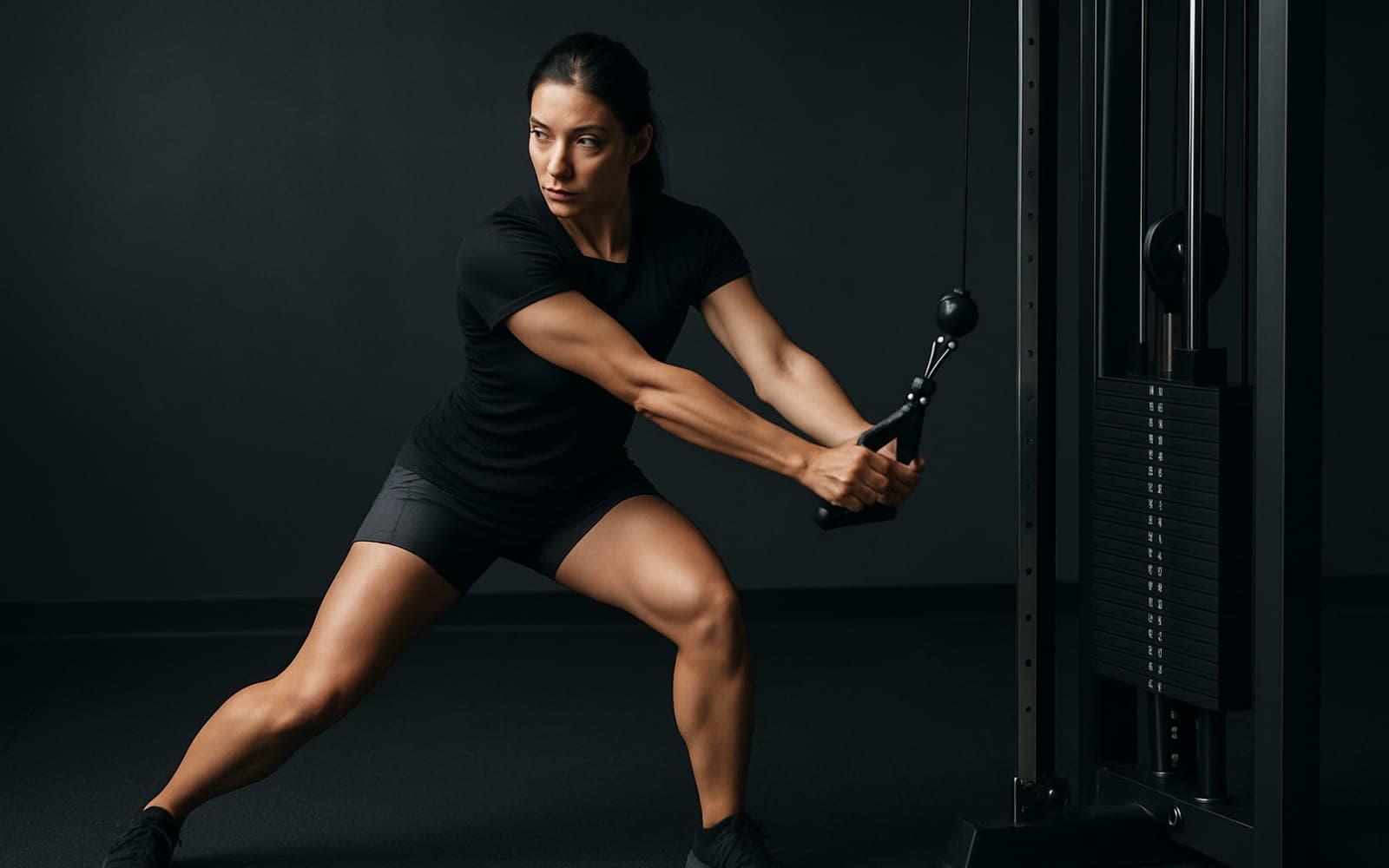
Mountain Climber, Cable Woodchop all train the same core pattern with different equipment, so any of them works when the machine is busy or your gym does not have it.
What are the most common medicine ball slam mistakes?
Rounding the back to reach the ball; Using a bouncy ball. Brace the core and slam the ball to the floor explosively, hinging at the hips; catch or pick it up and repeat. Great power and conditioning finisher.
Can I do the medicine ball slam at home?
The medicine ball slam needs cable & functional equipment, which most home gyms do not have. The mountain climber trains the same pattern with nothing more than your bodyweight or a band.