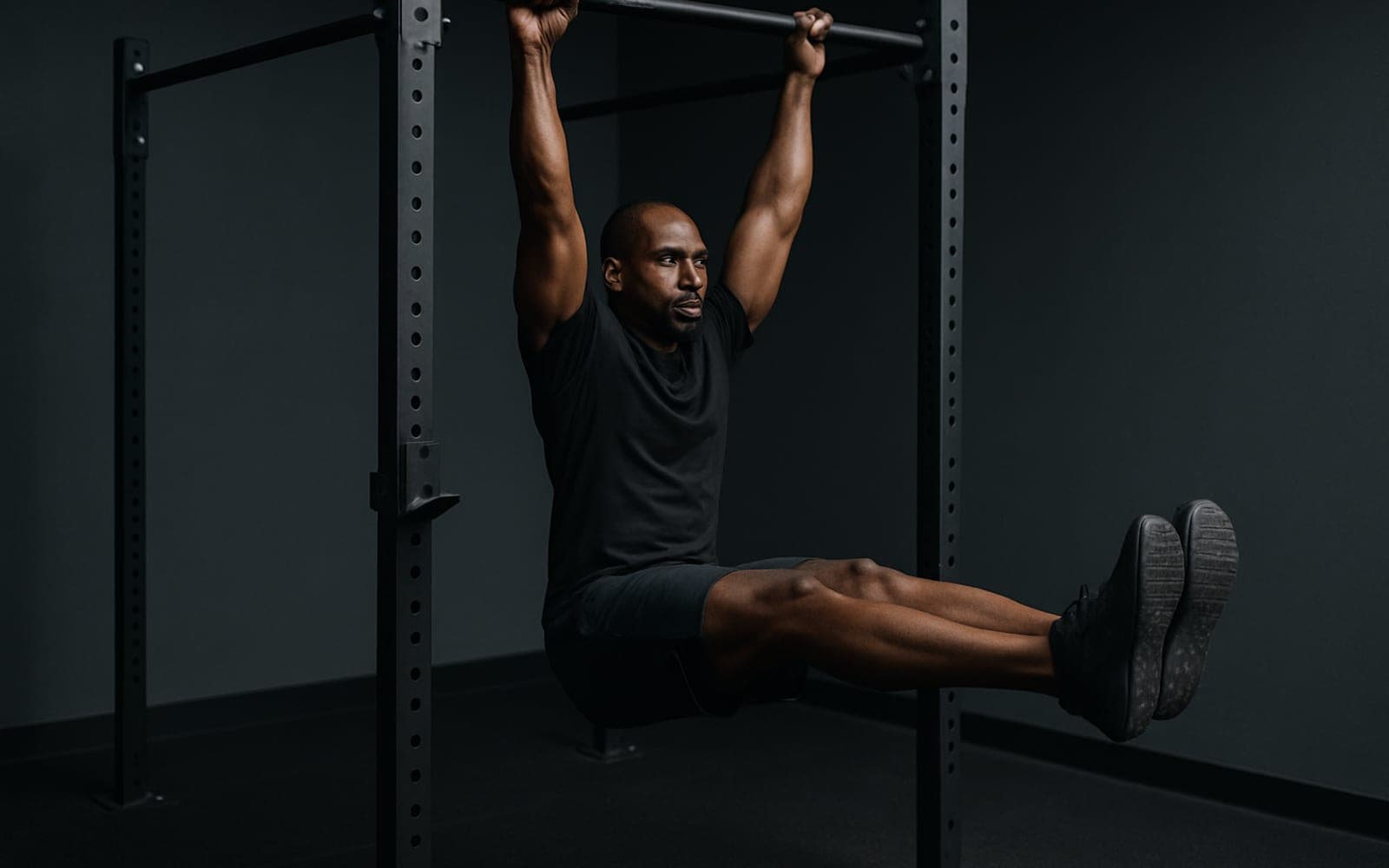
Hanging Leg Raise
Activation
Muscles worked
Movement
Core
Advanced · Bodyweight
Primary muscles
Secondary muscles
Movement pattern
Equipment category
How to perform
- 1
Set up
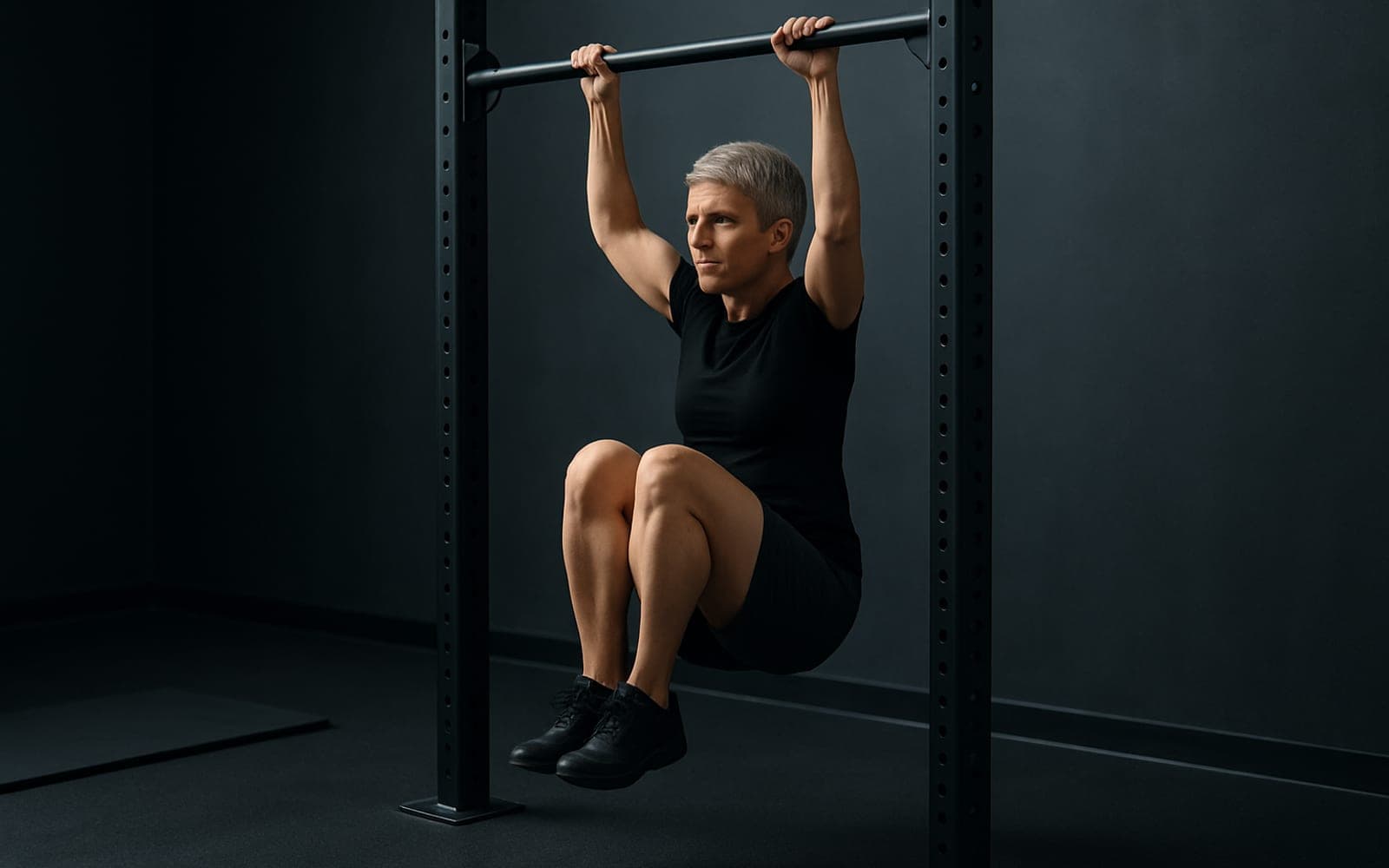
Hang from a bar.
- 2
Execute the movement
Raise the knees or straight legs, control the descent — no swinging.
Common mistakes
- Using momentum
Make it harder
Make it easier
Substitutions
If a machine is busy or unavailable, these train the same pattern a different way.
Your progress over time
What to expect from training this consistently — everyone progresses at their own pace.
- 1
First few sessions
Learn the movement pattern and strict positions (hollow body, scapular stability, blocked pelvis) while building grip and anti-swing control; expect low reps with clean form and noticeable core fatigue.
- 2
Weeks 2–6
Progress to multiple sets of controlled knee or straight-leg raises for higher reps and improved tempo control; endurance and ability to maintain no-swing technique increase and you’ll feel the exercise more in the rectus abdominis and hip flexors.
- 3
Months 2–4
Able to perform higher-repetition straight-leg hangs with full range and slow eccentric control; visible increases in midline thickness and modest hypertrophy of the hip flexors and core, plus improved hanging grip endurance.
- 4
Months 4–8
Begin adding weighted variations or advanced progressions (e.g., toes-to-bar hold, L-sit pull-throughs) to drive strength and size adaptations; carryover to better pelvic control during sprinting, jumping, and heavy compound lifts becomes apparent.
- 5
6+ months
Consistent practitioners can perform heavy weighted hanging leg raises with strict form or high-skill variations for reps, demonstrating substantial max-core strength, durable hip flexors, and grip/shoulder resilience that transfer to athletic movements.
Benefits of the hanging leg raise
Builds powerful, specific anterior core strength by training the rectus abdominis and deep core stabilizers through a long-range hip flexion movement.
Develops hip flexor strength and size, improving the ability to drive the thigh toward the torso in sprinting and kicking actions.
Trains eccentric control and anti-extension of the spine, helping you resist unwanted lumbar extension under load and improve midline stability.
Improves grip and forearm endurance due to sustained hanging, which transfers to other pulling and loaded exercises.
Teaches strict body tension and anti-swing mechanics that enhance technical control in gymnastic and athletic movements.
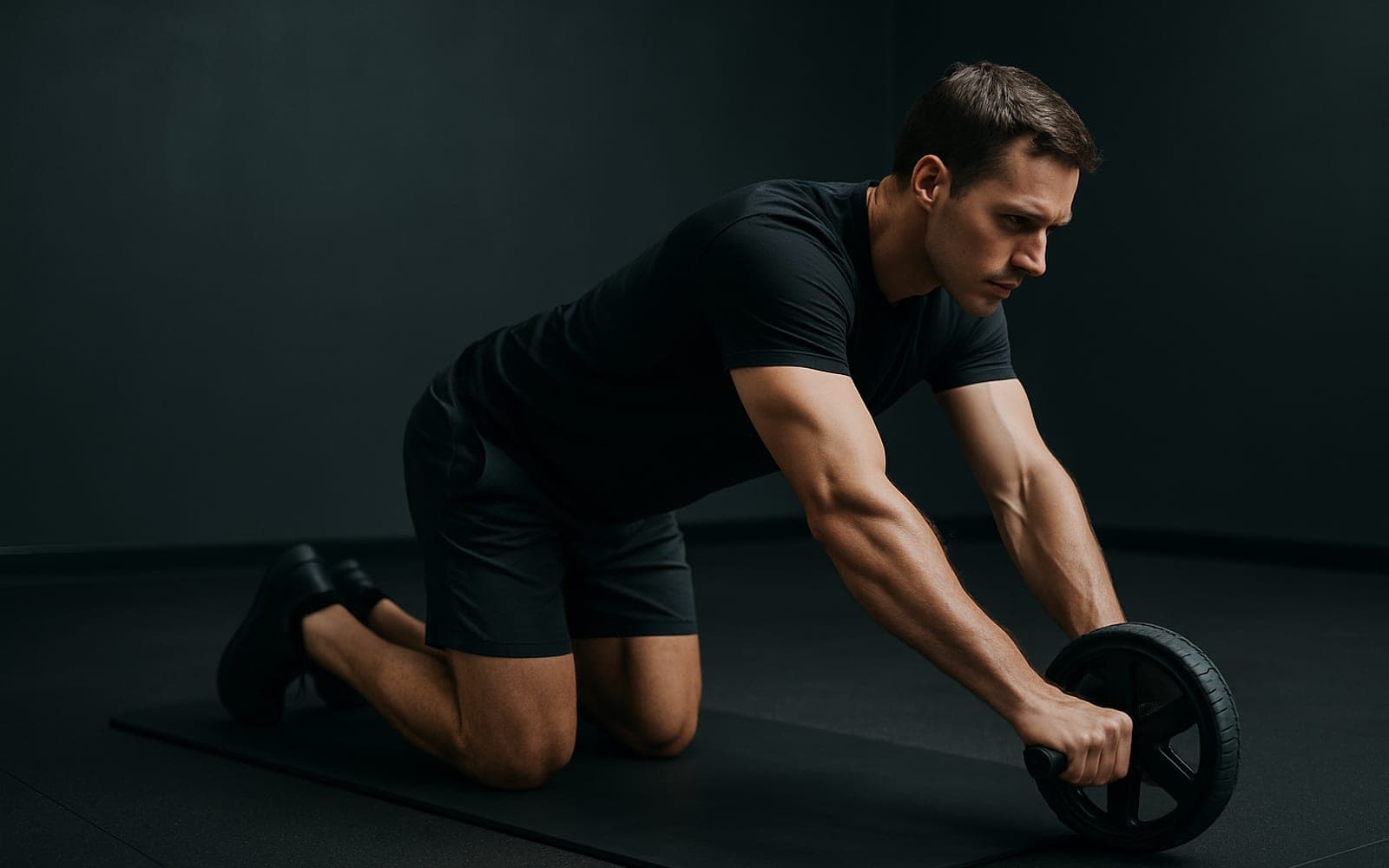
Offers a scalable progression path (knee raises → straight-leg → weighted/advanced variations) for continued strength and hypertrophy gains without needing complex equipment.
Exercises that pair with this
Same muscles or the same movement pattern — useful for building the rest of the session.
Hanging Leg Raise — questions people ask
What muscles does the hanging leg raise work?
The hanging leg raise trains the core and hip flexors as the primary target, with the forearms working as support. It is a core pattern, so it also trains the coordination that pattern needs.
How many sets and reps of the hanging leg raise should I do?
Two to four sets of 8–15 reps, or 20–45 second holds. Stop the set when your form breaks, not when the count runs out.
Is the hanging leg raise good for beginners?
Not as a first exercise. The hanging leg raise is an advanced movement. Knee raises, or captain's chair. If it feels like too much, build the pattern on the core stability (machine/anti-rotation) first.
What can I do instead of the hanging leg raise?
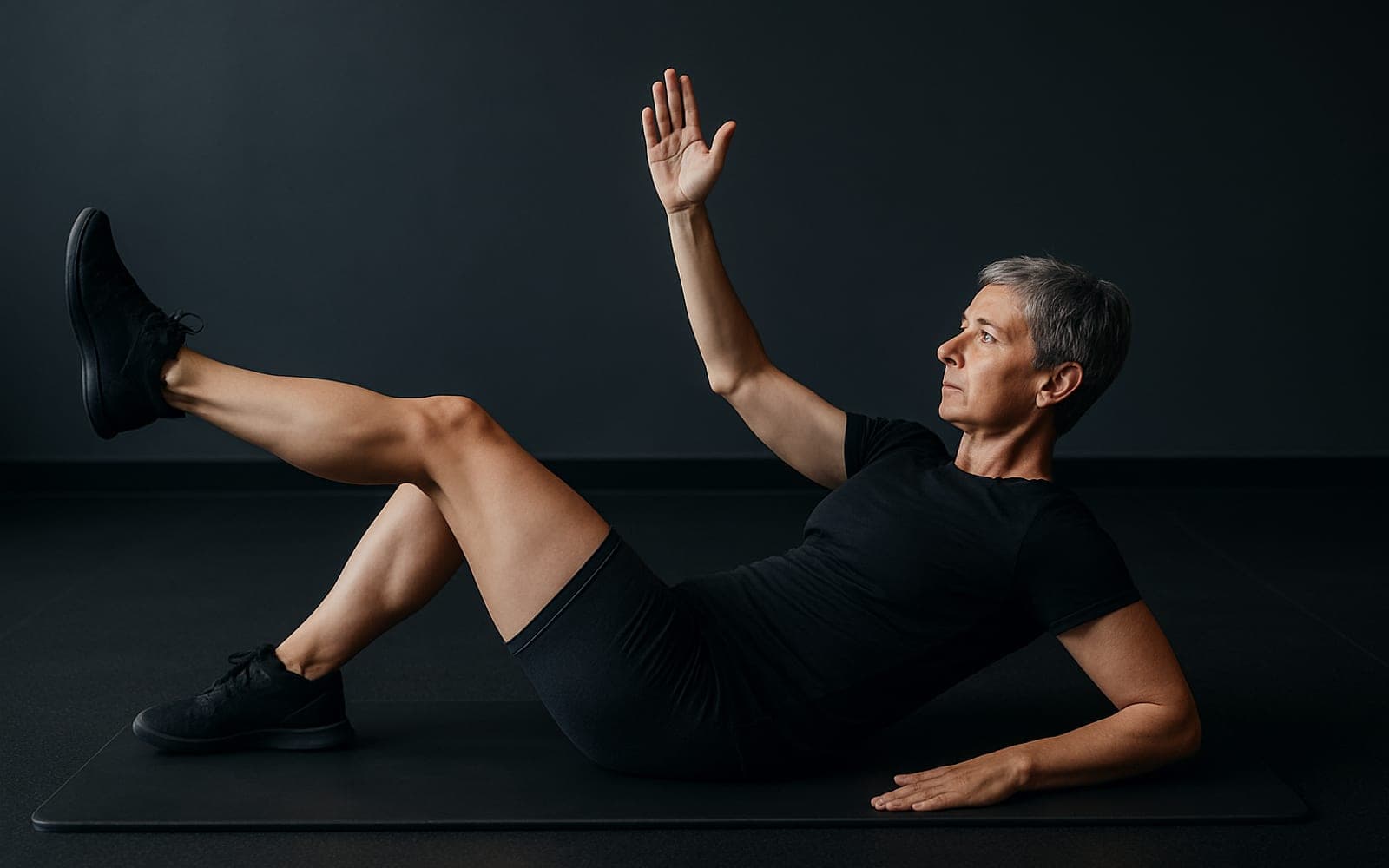
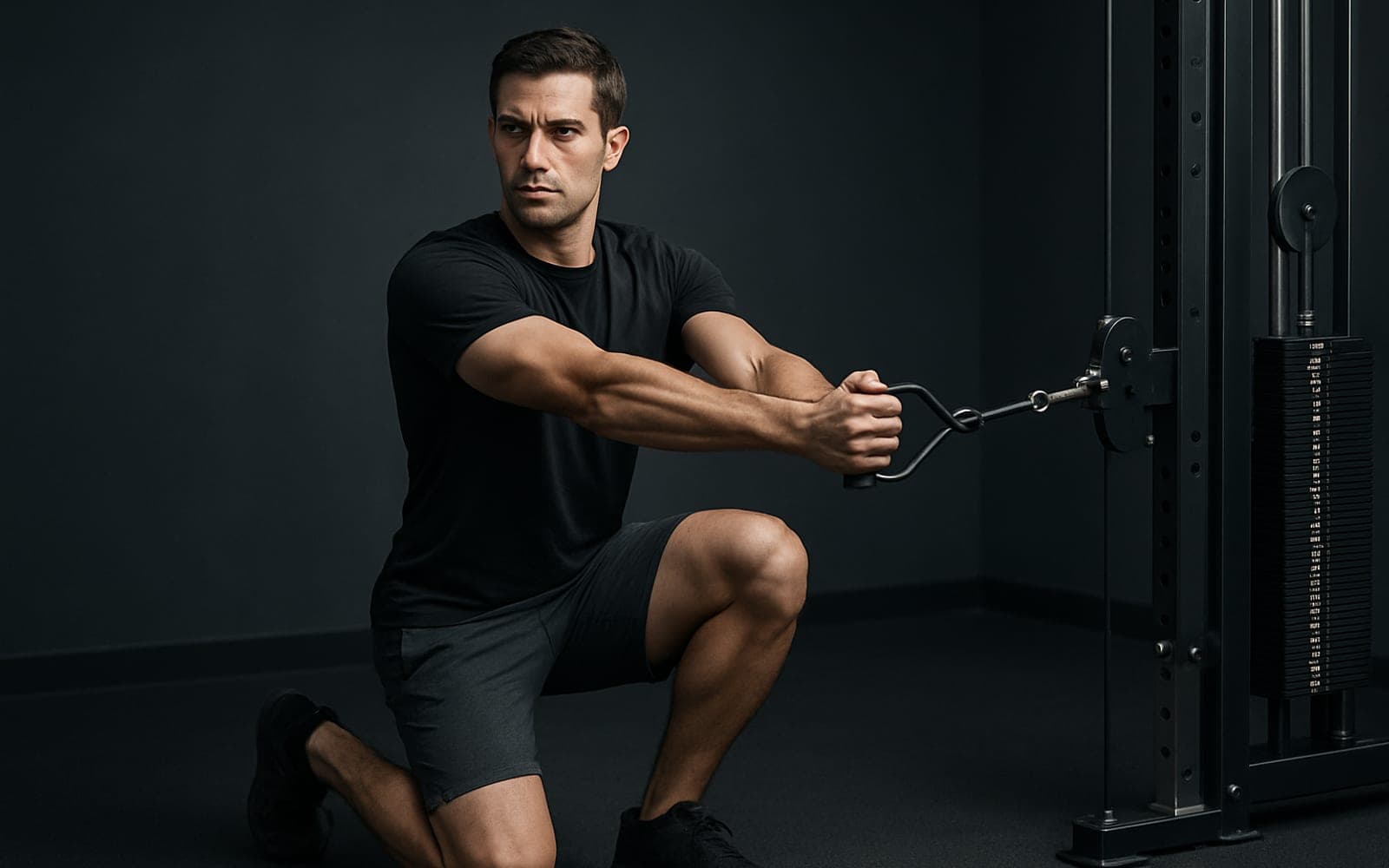
Dead Bug, Core Stability (Machine/Anti-Rotation) all train the same core pattern with different equipment, so any of them works when the machine is busy or your gym does not have it.
What are the most common hanging leg raise mistakes?
Using momentum. Raise the knees or straight legs, control the descent — no swinging.