Machine Chest Press
Activation
Muscles worked
Movement
Horizontal Push
Beginner · Selectorized Strength
Primary muscles
Secondary muscles
Movement pattern
Equipment category
How to perform
- 1
Set up
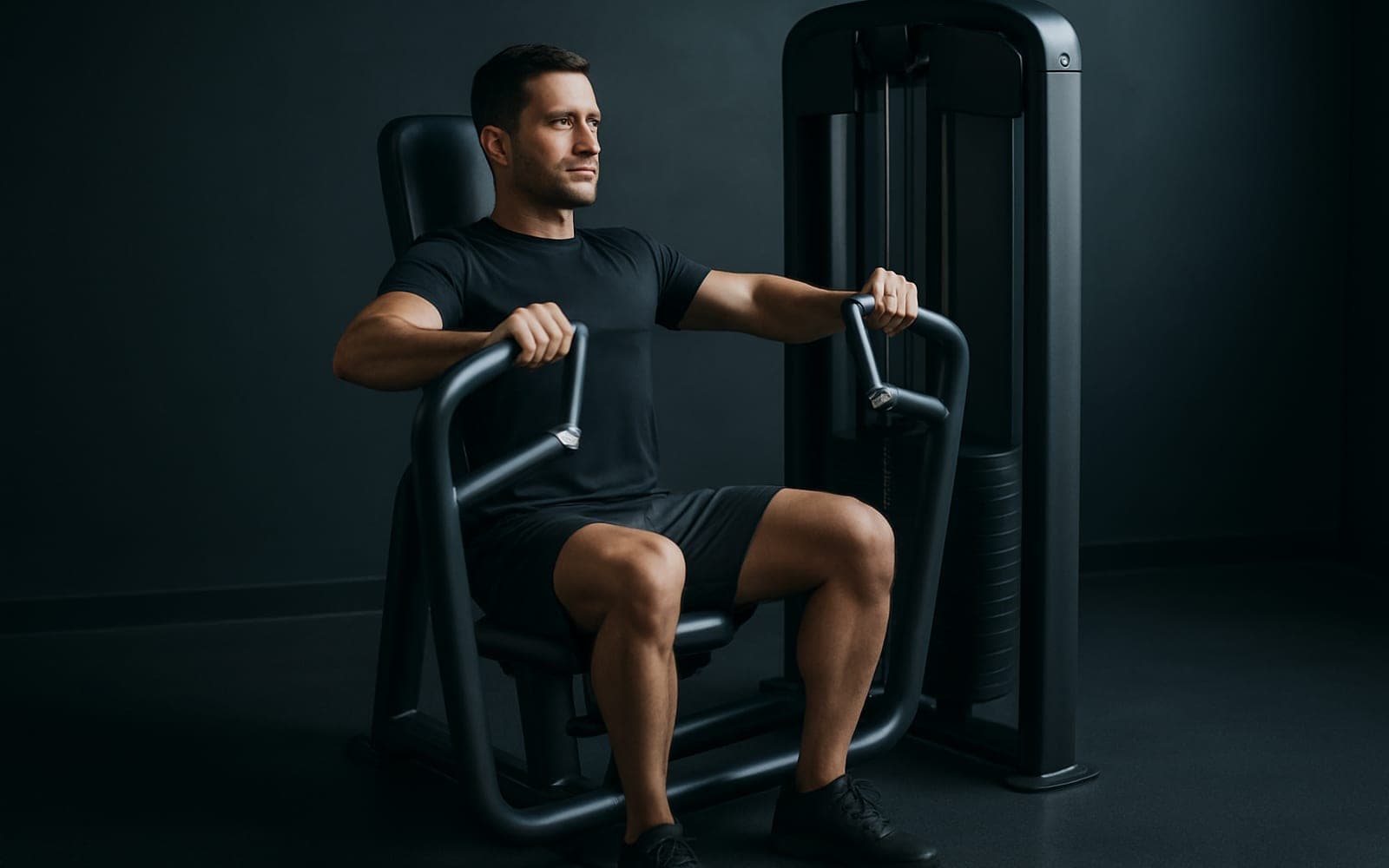
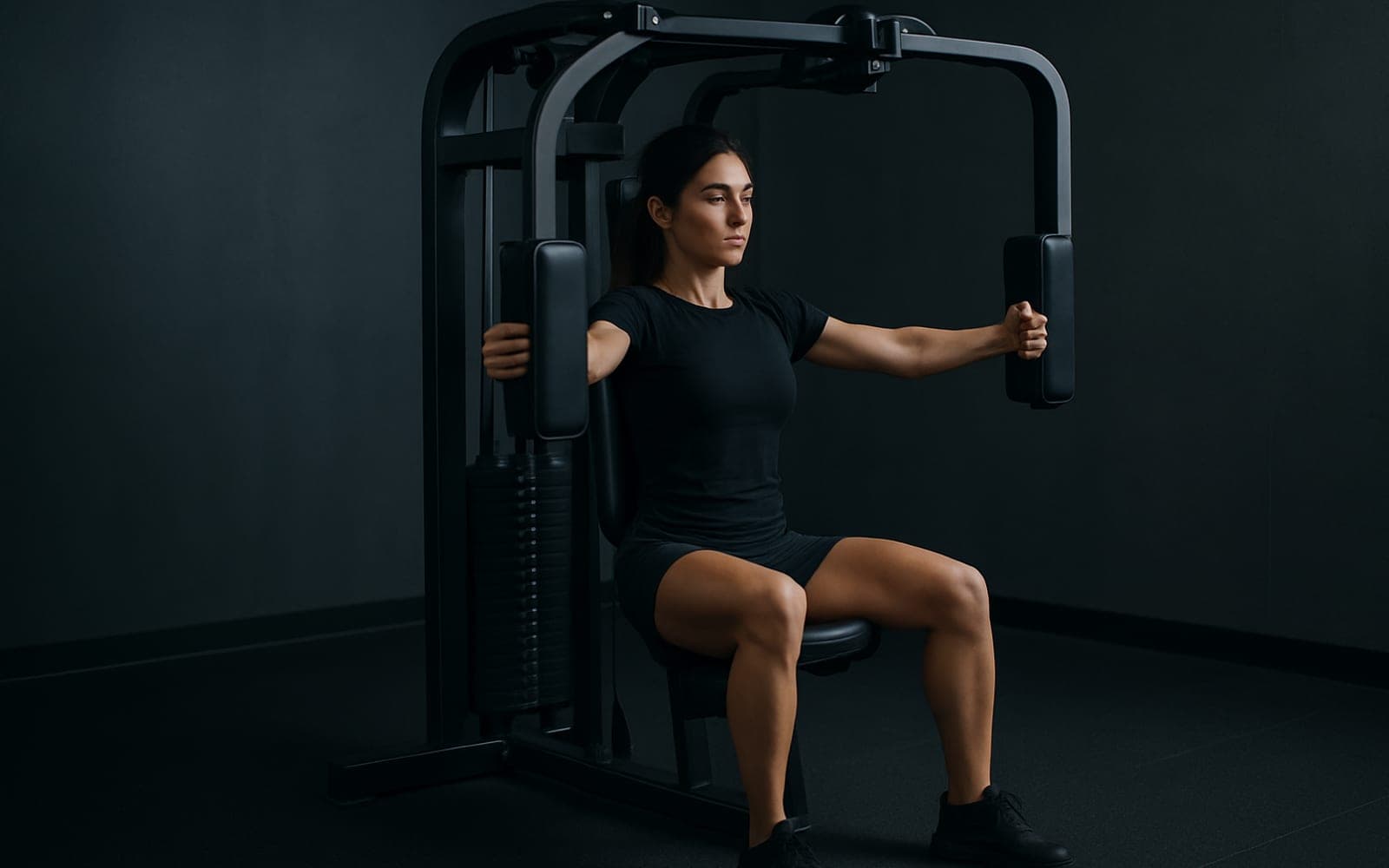
Set the seat so the handles sit at mid-chest height; feet flat, back against the pad.
- 2
Execute the movement
Press the handles forward until arms are nearly straight, then return under control until you feel a light stretch.
Common mistakes
- Seat too low, pressing upward
- Locking elbows hard
- Letting the stack slam
Make it harder
Make it easier
Accessibility
Substitutions
If a machine is busy or unavailable, these train the same pattern a different way.
Your progress over time
What to expect from training this consistently — everyone progresses at their own pace.
- 1
First few sessions
Learn movement pattern and setup (seat height, back position, grip); expect easy-to-moderate muscle soreness and rapid improvements in coordination and confidence on the machine.
- 2
Weeks 2–6
Work capacity and strength increase noticeably — you can add small increments of weight or reps each week while soreness subsides; visible early increases in chest firmness and muscle tone for many beginners.
- 3
Months 2–4
Consistent progressive overload produces measurable increases in pressing strength and moderate hypertrophy of the chest and triceps; sets and reps become more challenging and you’ll need planned progression to keep improving.
- 4
Months 4–8
Steady increases in maximal working weight and muscle size for most trainees; improved endurance for higher‑rep work and clearer carryover to other pushing movements.
- 5
8+ months
With continued, progressive training the machine chest press supports significant long‑term strength and muscle gains for a beginner-turned-intermediate lifter and serves as a lower-skill option for maintenance or heavy work when needed.
Benefits of the machine chest press
Directly develops the pectoralis major, producing greater horizontal push strength and visible chest muscle development over time.
Builds triceps strength as a secondary mover, improving lockout power on pressing movements.
Reinforces front deltoid strength and stability, helping shoulder control during pushing actions.
Machine guidance lowers technical demand and reduces need for a spotter, making progressive overload safer and more accessible for beginners.
Improves practical pushing capacity for everyday tasks (pushing doors, lifting objects at chest height) and general upper‑body functional fitness.
Allows predictable, incremental load increases which support consistent strength and muscle gains while minimizing form breakdown.
Exercises that pair with this
Same muscles or the same movement pattern — useful for building the rest of the session.
Machine Chest Press — questions people ask
What muscles does the machine chest press work?
The machine chest press trains the chest as the primary target, with the triceps, front delts working as support. It is a horizontal push pattern, so it also trains the coordination that pattern needs.
How many sets and reps of the machine chest press should I do?
For size, three to four sets of 8–12 reps with 60–90 seconds of rest. For strength, three to five sets of 3–6 reps with longer rest. Add a little weight once you hit the top of the range on every set.
Is the machine chest press good for beginners?
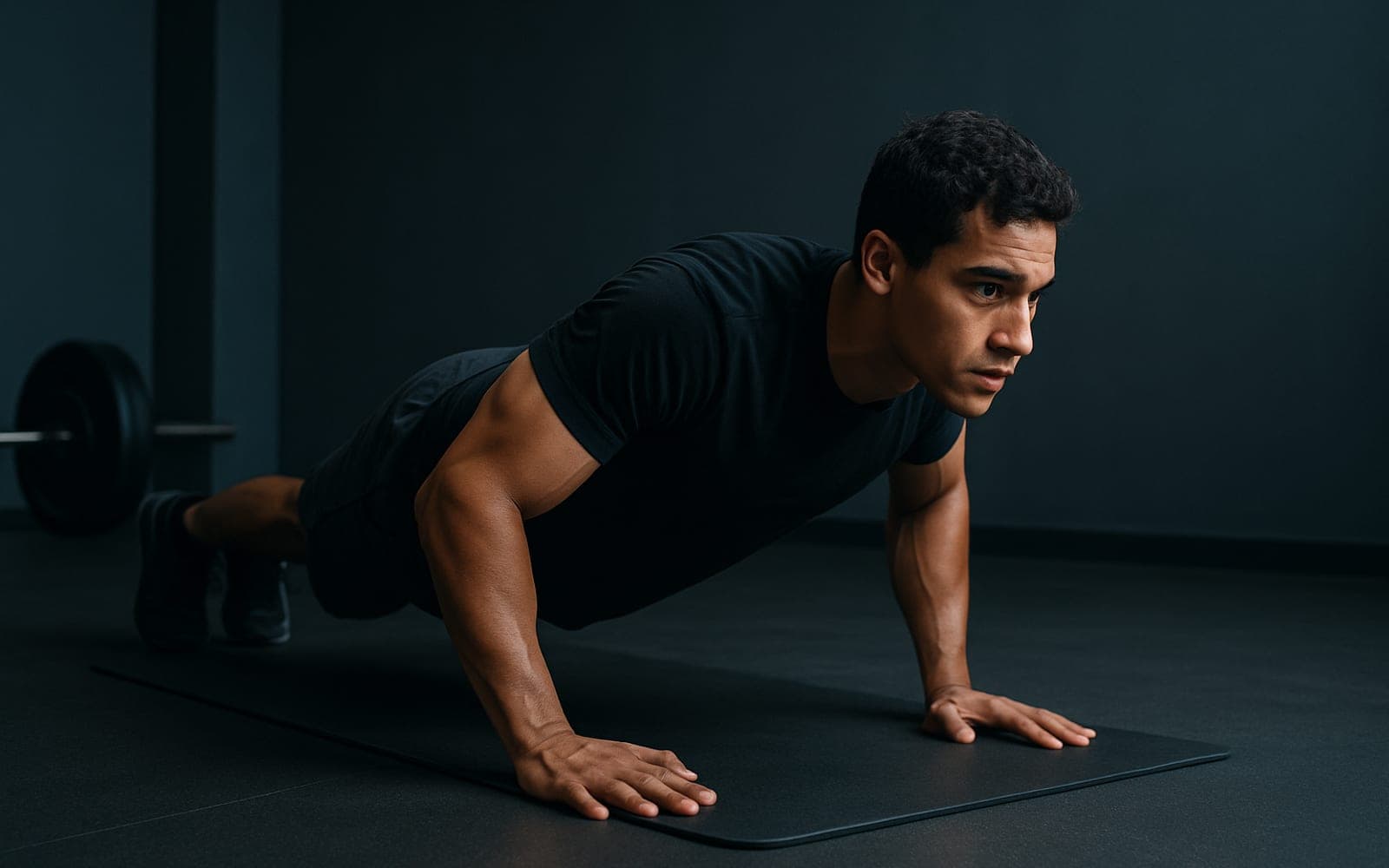
Yes. The machine chest press is a beginner-friendly movement. Reduce the stack weight and keep reps in the 12–15 range. If it feels like too much, build the pattern on the push-up first.
What can I do instead of the machine chest press?
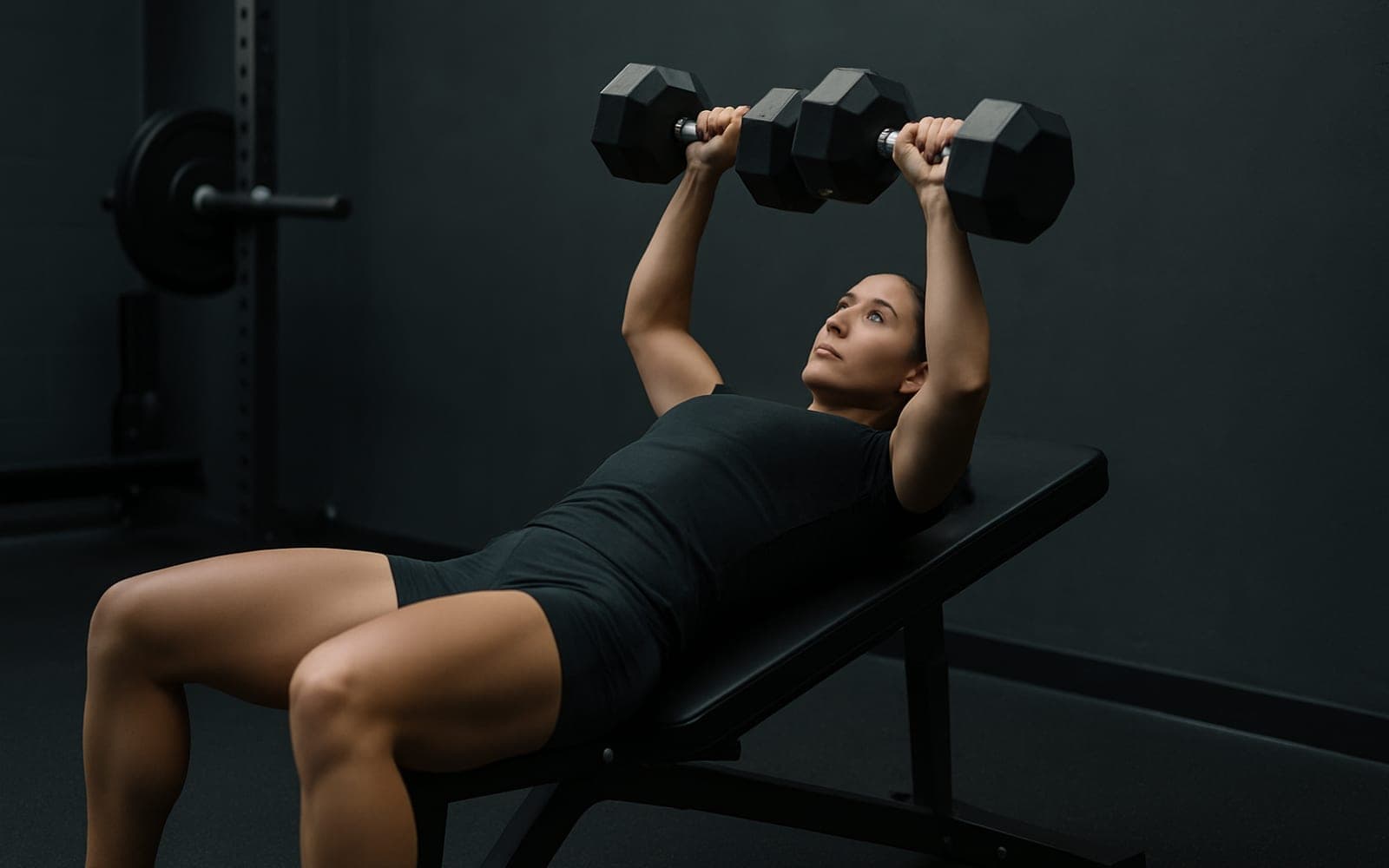
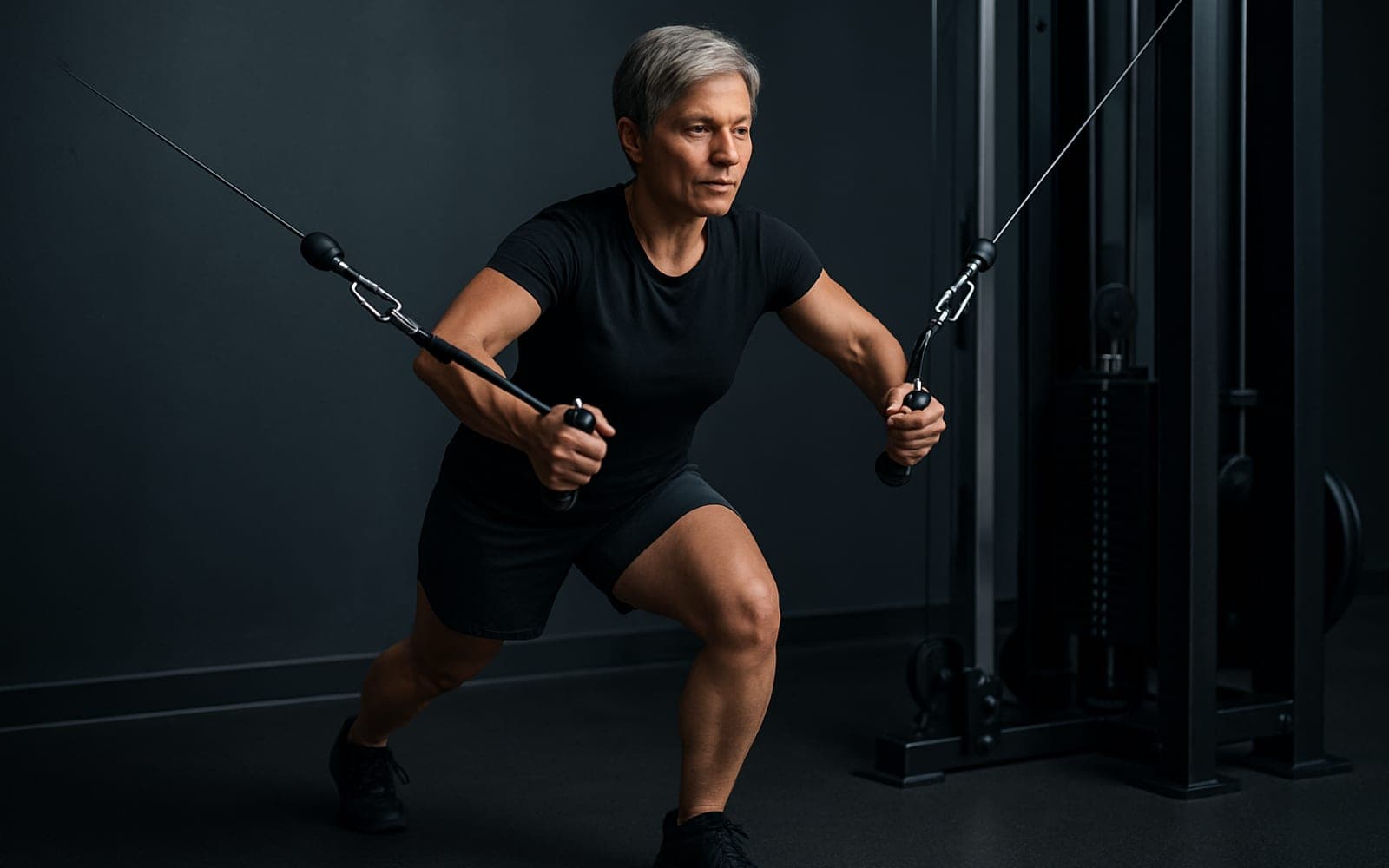
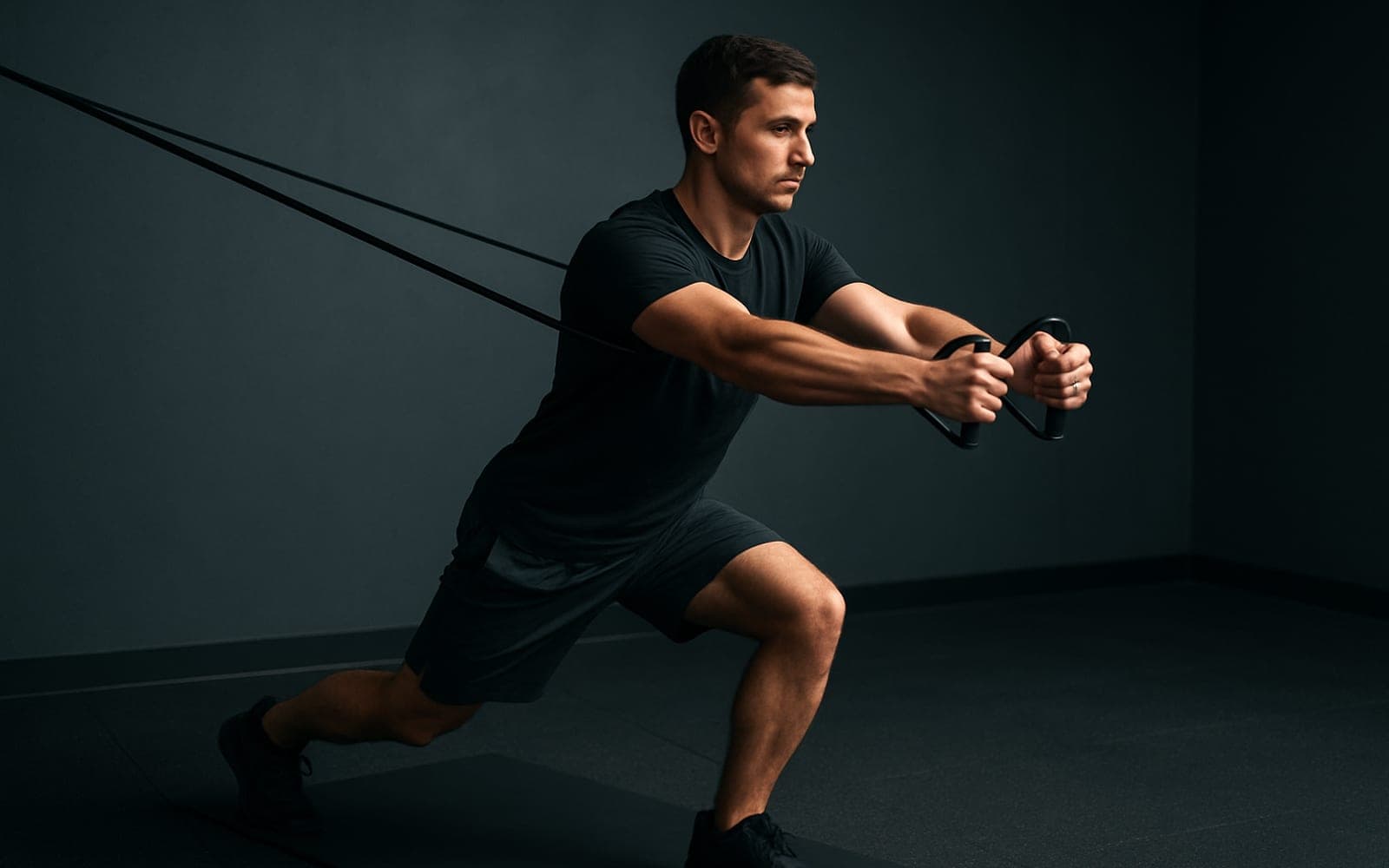
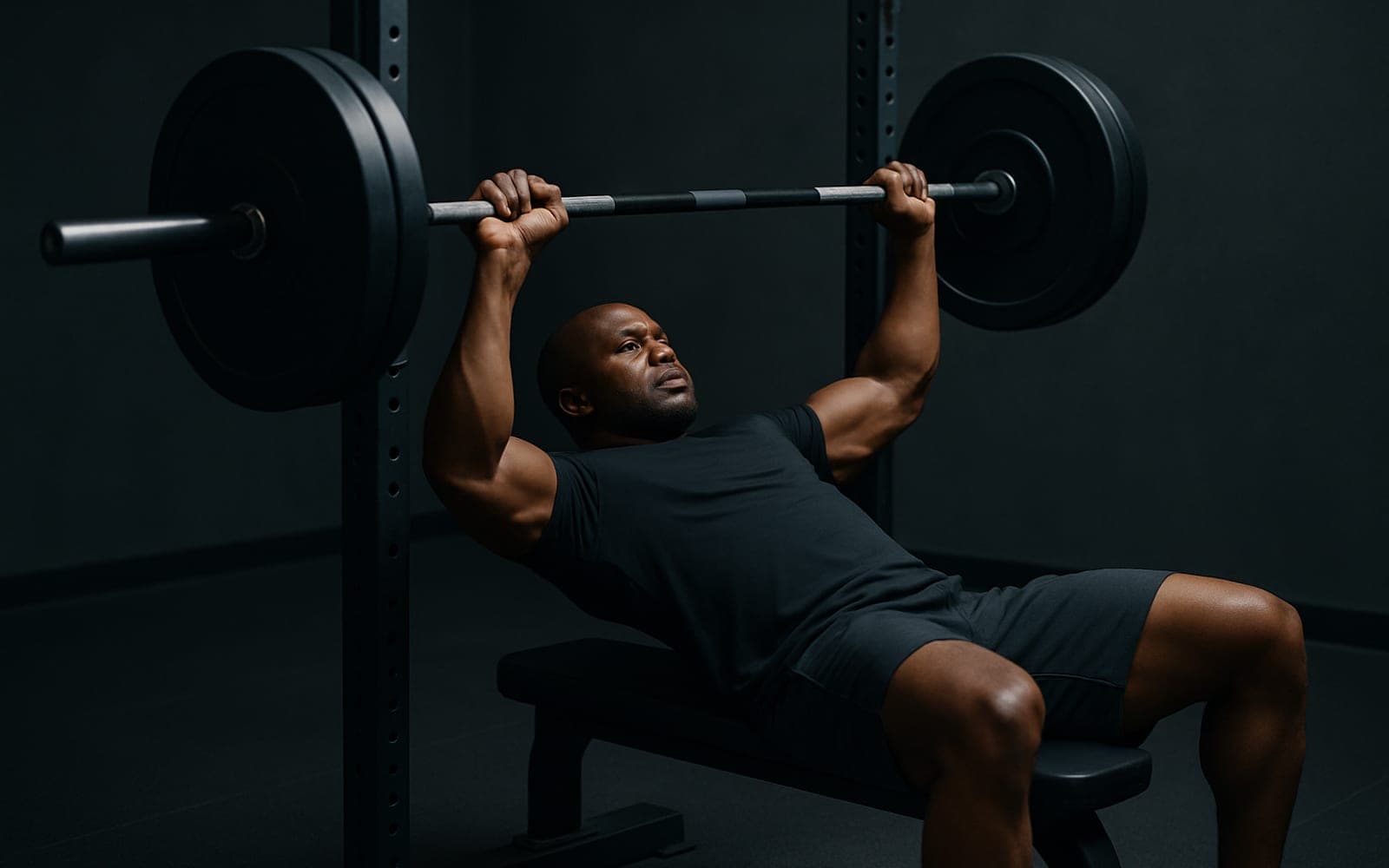
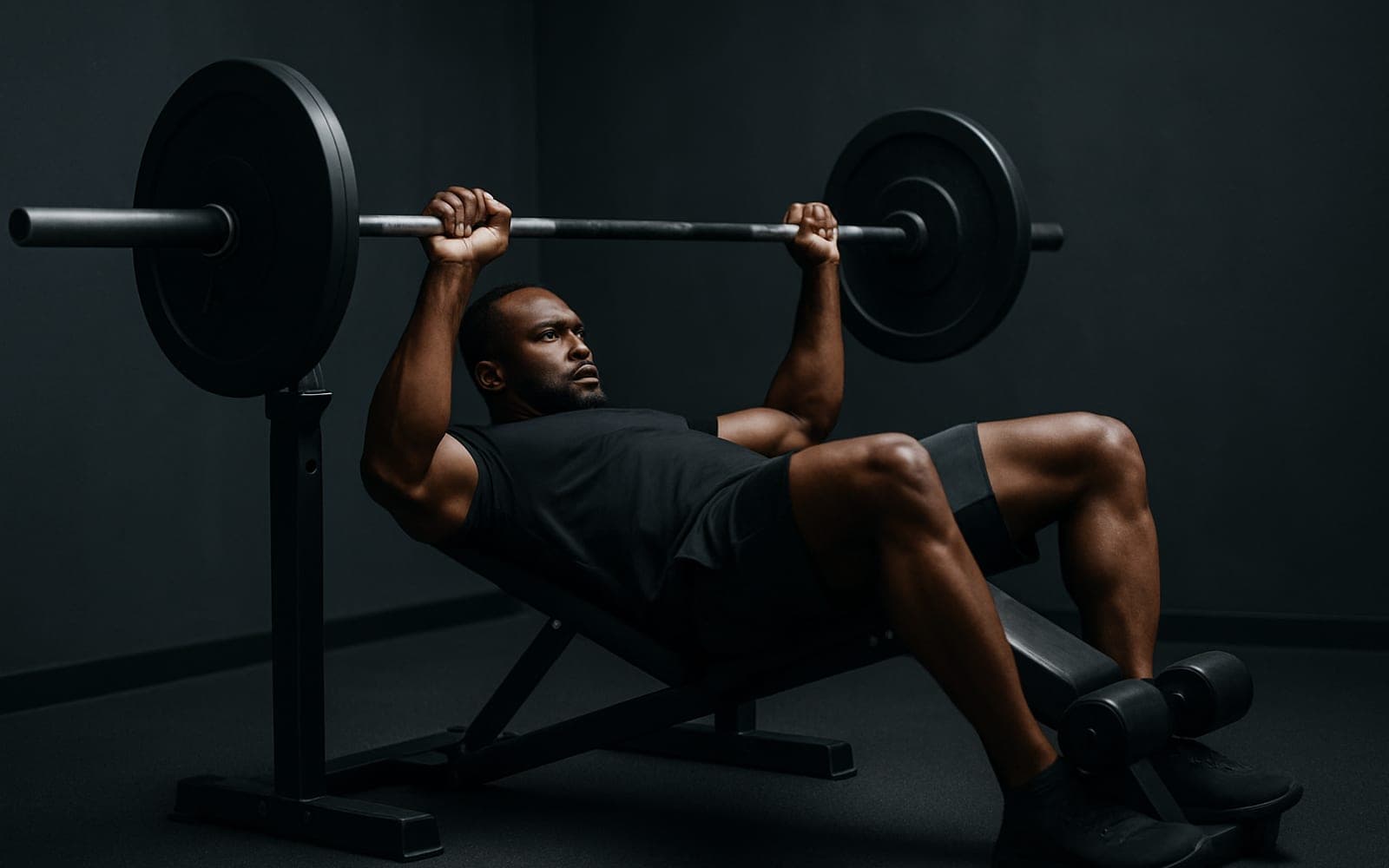
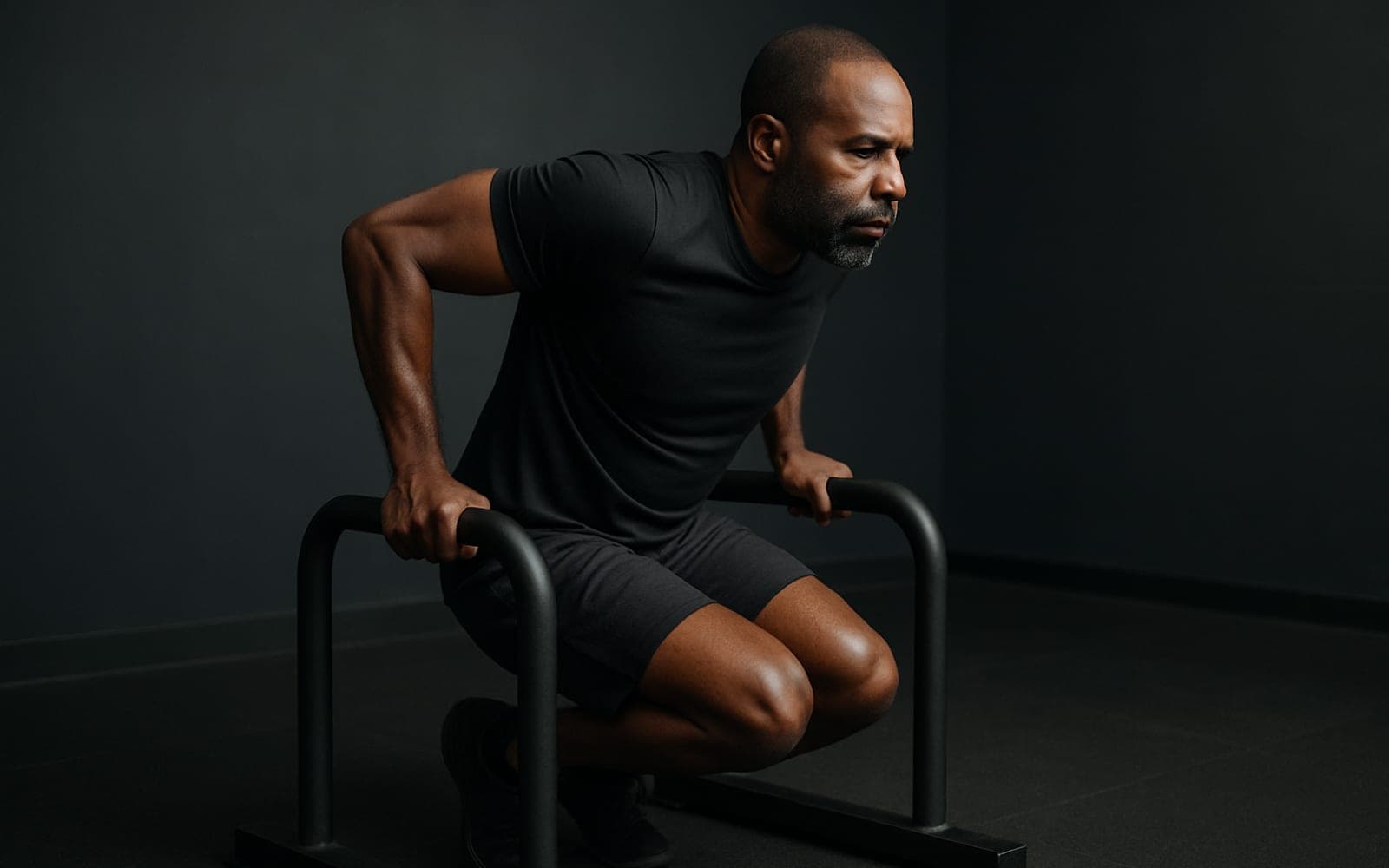
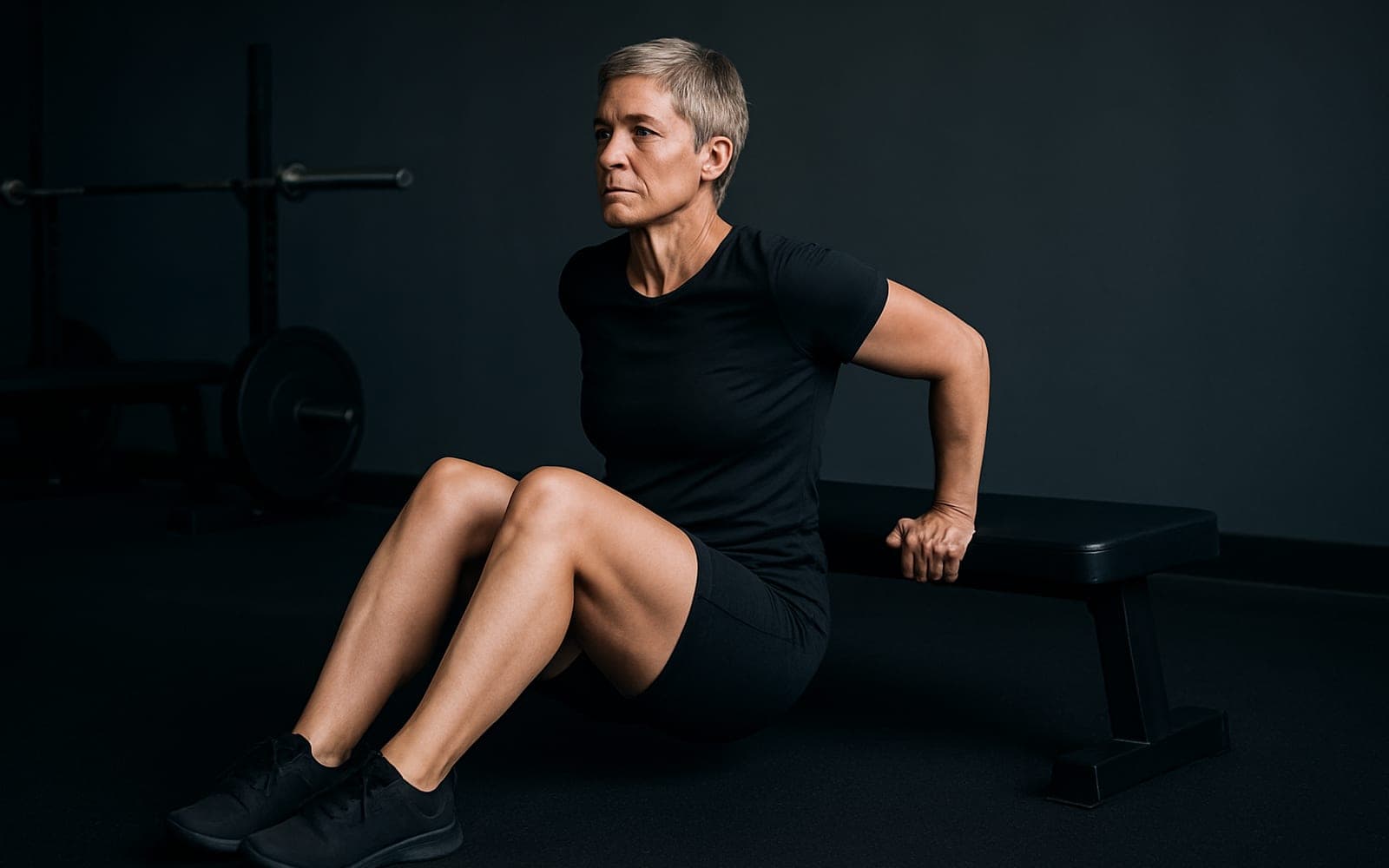
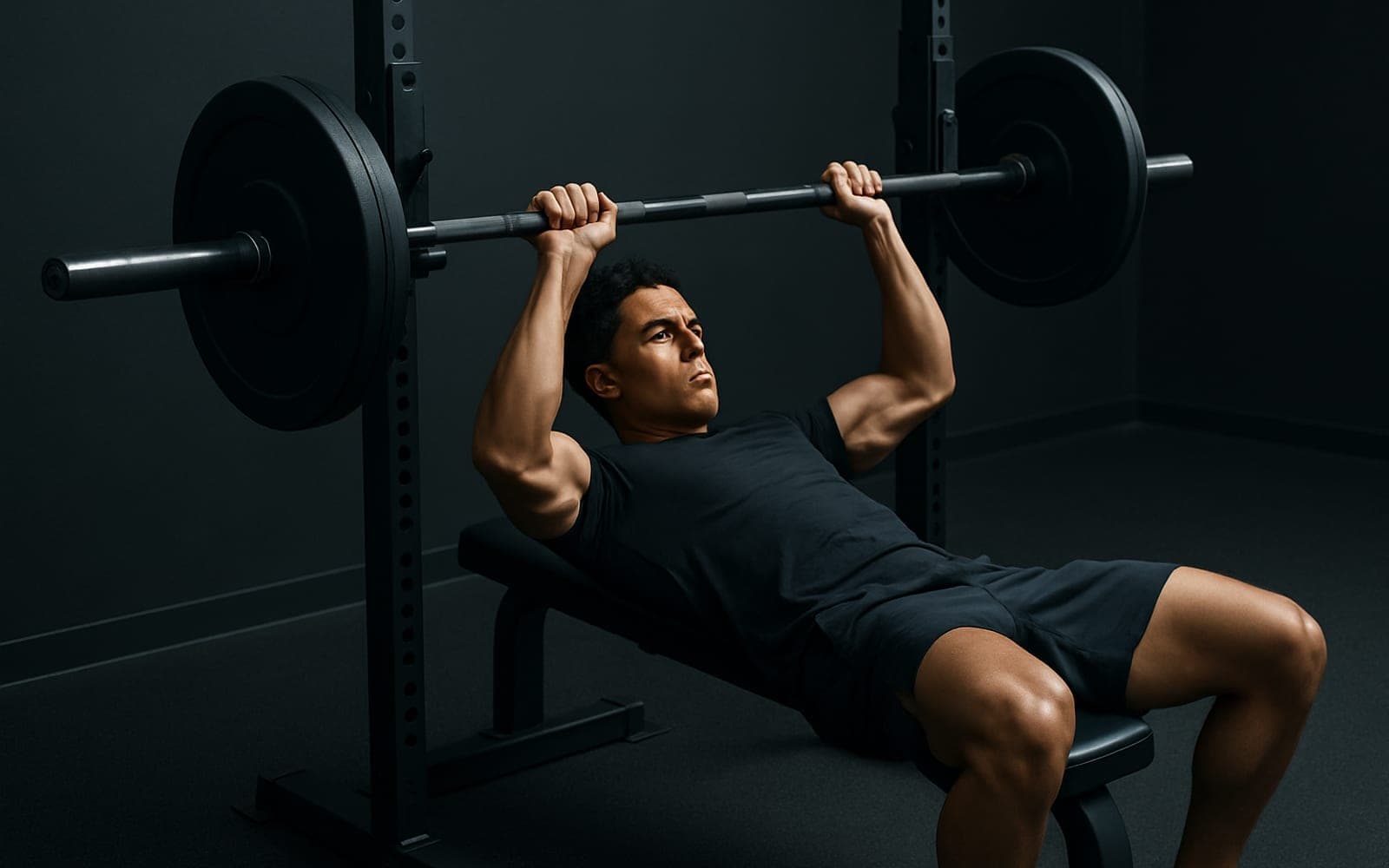
Dumbbell Bench Press, Cable Fly, Push-Up, Band Chest Press all train the same horizontal push pattern with different equipment, so any of them works when the machine is busy or your gym does not have it.
What are the most common machine chest press mistakes?
Seat too low, pressing upward; Locking elbows hard; Letting the stack slam. Press the handles forward until arms are nearly straight, then return under control until you feel a light stretch.
Can I do the machine chest press at home?
The machine chest press needs selectorized strength equipment, which most home gyms do not have. The push-up trains the same pattern with nothing more than your bodyweight or a band.