Dip
Activation
Muscles worked
Movement
Horizontal Push
Intermediate · Bodyweight
Secondary muscles
Movement pattern
Equipment category
How to perform
- 1
Set up
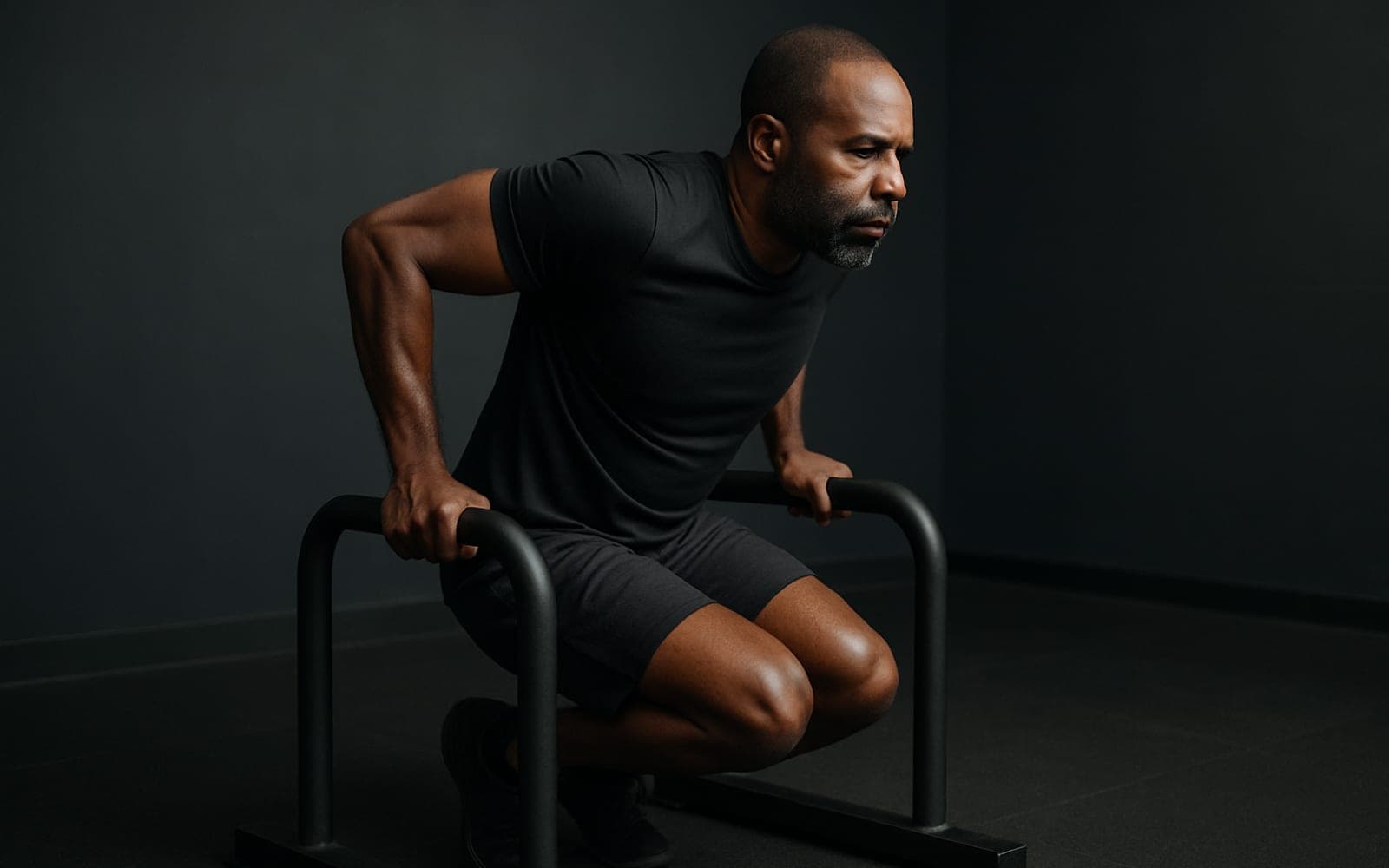
Grip parallel bars, arms straight, shoulders down and back, legs tucked.
- 2
Execute the movement
Lower under control until your upper arms are about parallel to the floor, then press back up. Lean forward slightly to bias the chest, stay upright to bias triceps.
Common mistakes
- Dropping too deep and stressing the shoulders
- Shrugging up to the ears
- Bouncing at the bottom
Make it harder
Make it easier
Accessibility
Substitutions
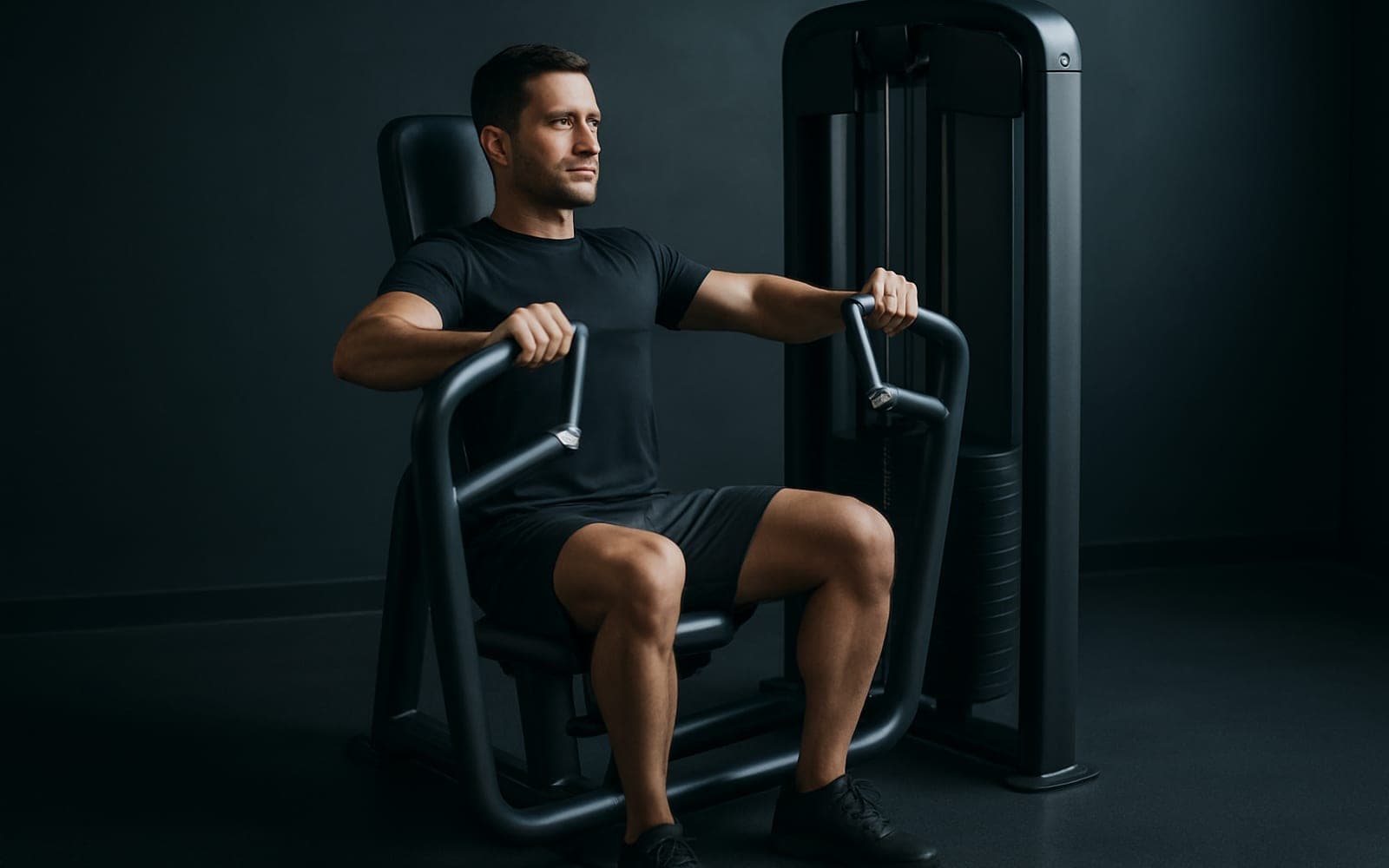
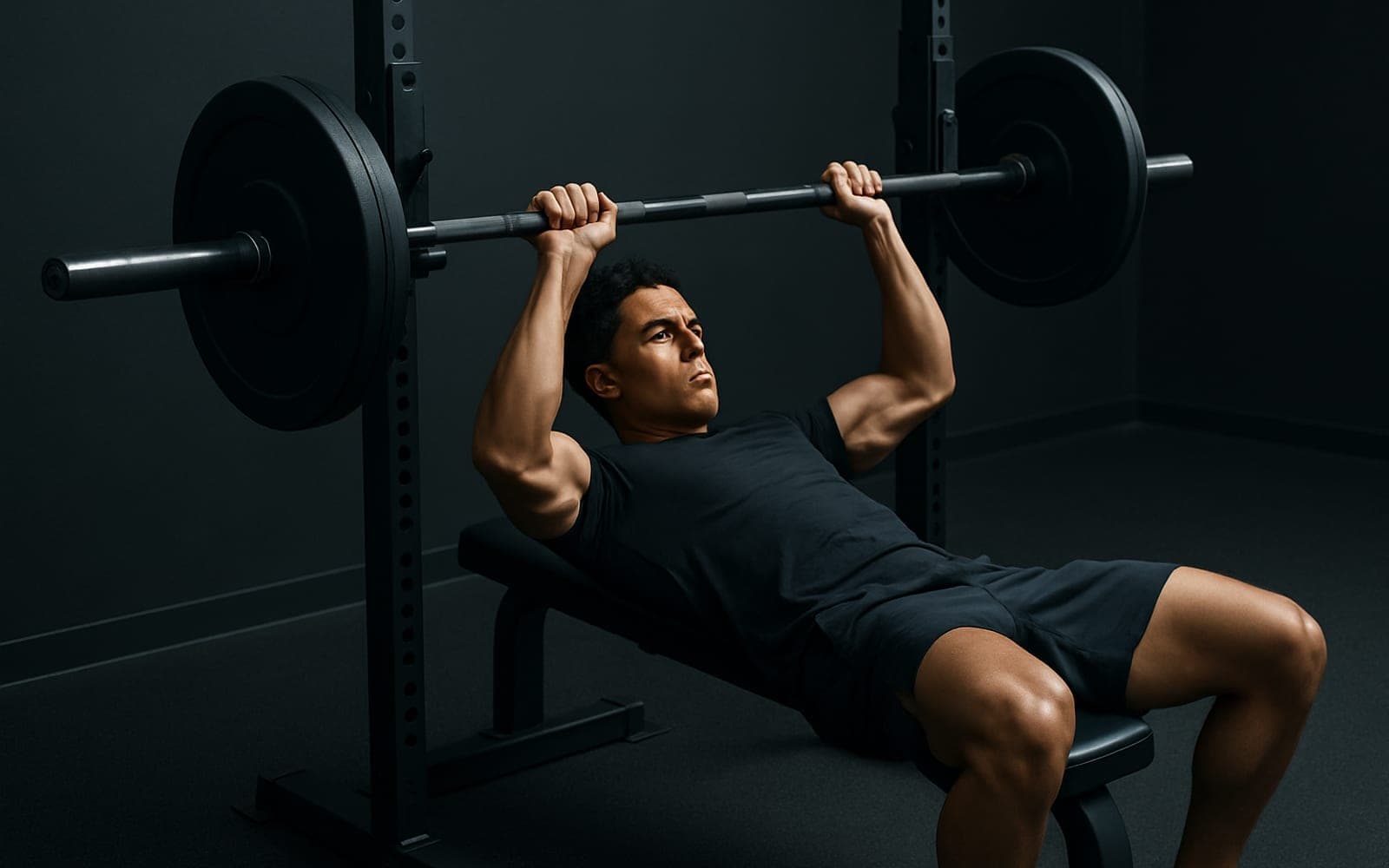
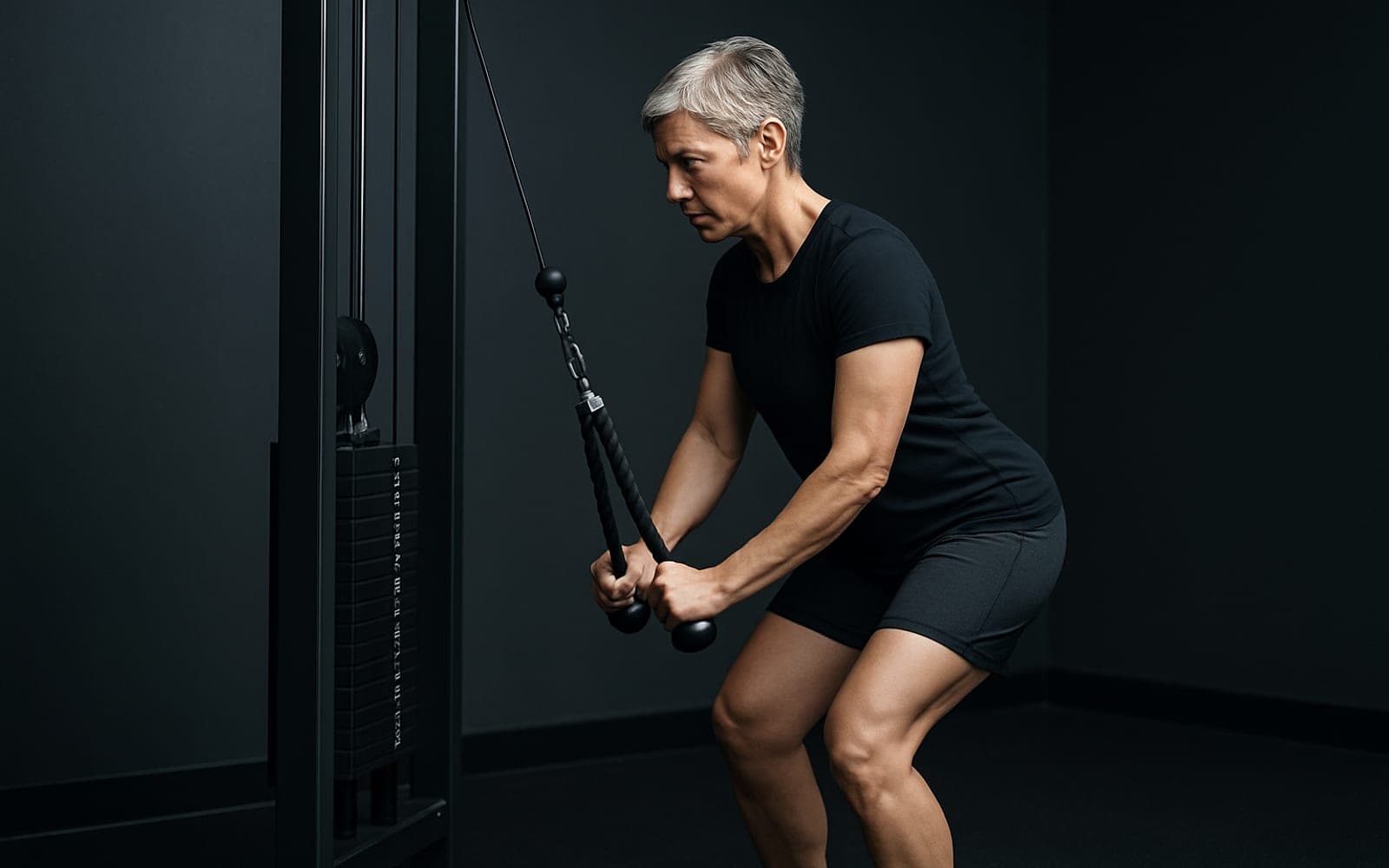
If a machine is busy or unavailable, these train the same pattern a different way.
Your progress over time
What to expect from training this consistently — everyone progresses at their own pace.
- 1
First few sessions
Learn the movement pattern and build tolerance: improved scapular control, reduced discomfort through partial range or assisted dips, and consistent sets of 6–10 unweighted reps for many intermediates.
- 2
Weeks 2–6
Steady neuromuscular gain: better pacing and depth control, ability to reach full depth with upright or slightly forward lean, and progressive increase in reps or sets (e.g., 3–5 sets of 8–12).
- 3
Months 2–4
Noticeable muscle and strength increases: visible chest and triceps fullness for most trainees, reliable increases in bodyweight reps, and the ability to add small external loads (2.5–10 kg/5–20 lb increments) for sets of 5–8.
- 4
Months 4–8
Substantial strength and hypertrophy: comfortable performing weighted dips for low-rep strength work (3–6 reps) and moderate rep hypertrophy sets (6–12) with progressive loading and consistent programming.
- 5
8+ months
Advanced capacity and transfer: significantly higher pressing strength and upper-body mass for committed trainees, refined technique to bias chest vs triceps as needed, and ability to program dips as a primary compound lift while managing shoulder health and recovery.
Benefits of the dip
Develops heavy horizontal pressing strength primarily in the chest and triceps, directly improving pushing ability.
Targets triceps extension and chest horizontal adduction, producing measurable upper‑arm and pec hypertrophy when loaded progressively.
Front deltoids are worked as a secondary mover, helping shoulder stability and balanced anterior shoulder development.
Translates to real‑world pushing tasks (e.g., pushing yourself up from a low surface or moving heavy objects) thanks to strong triple‑extension of the upper limb.
When performed with controlled depth it teaches joint control and range of motion in the shoulder and elbow without relying on momentum.
Easily scaled from assisted to heavily weighted variations, making it a versatile compound exercise for both strength-focused and hypertrophy-focused training phases.
Exercises that pair with this
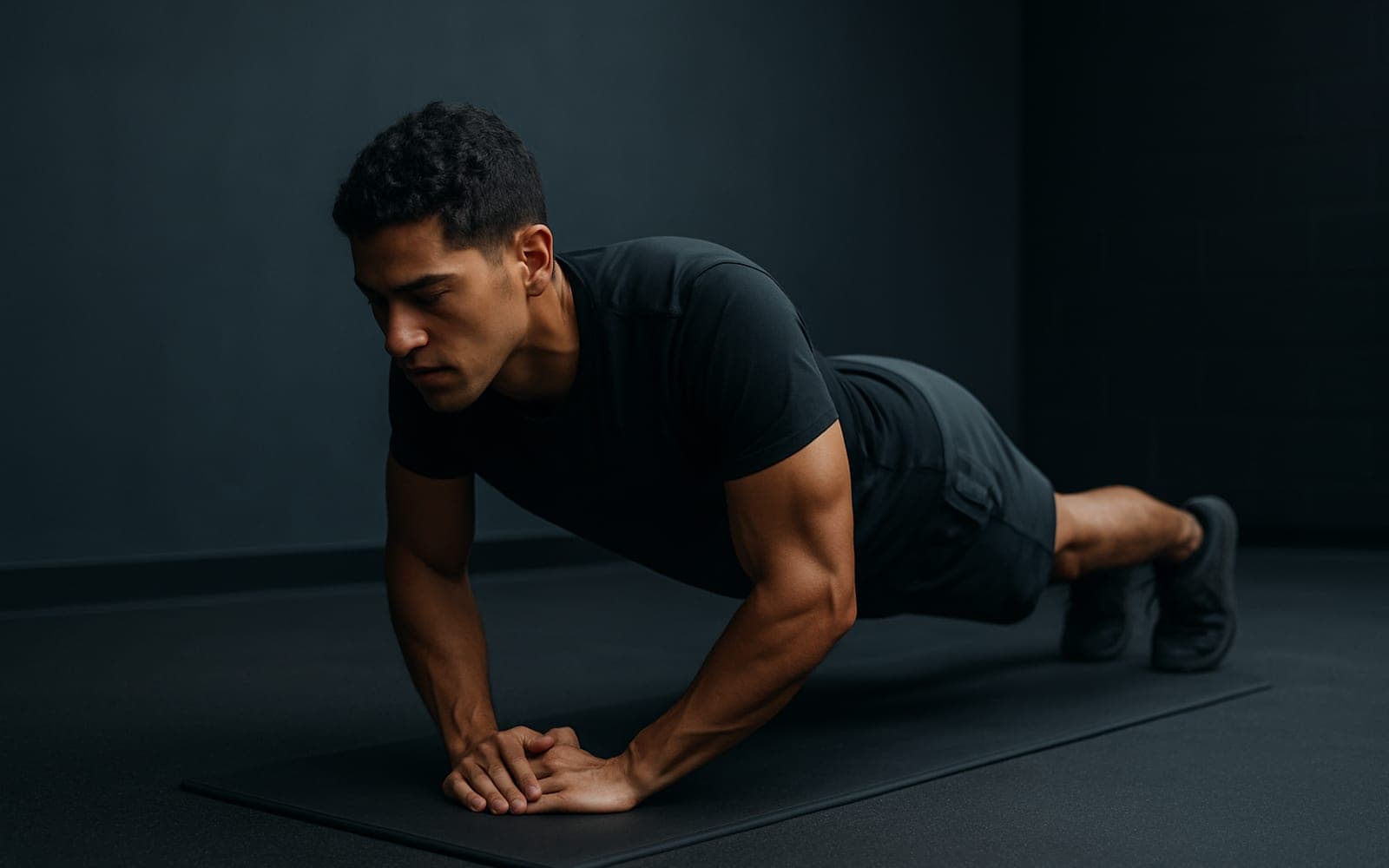
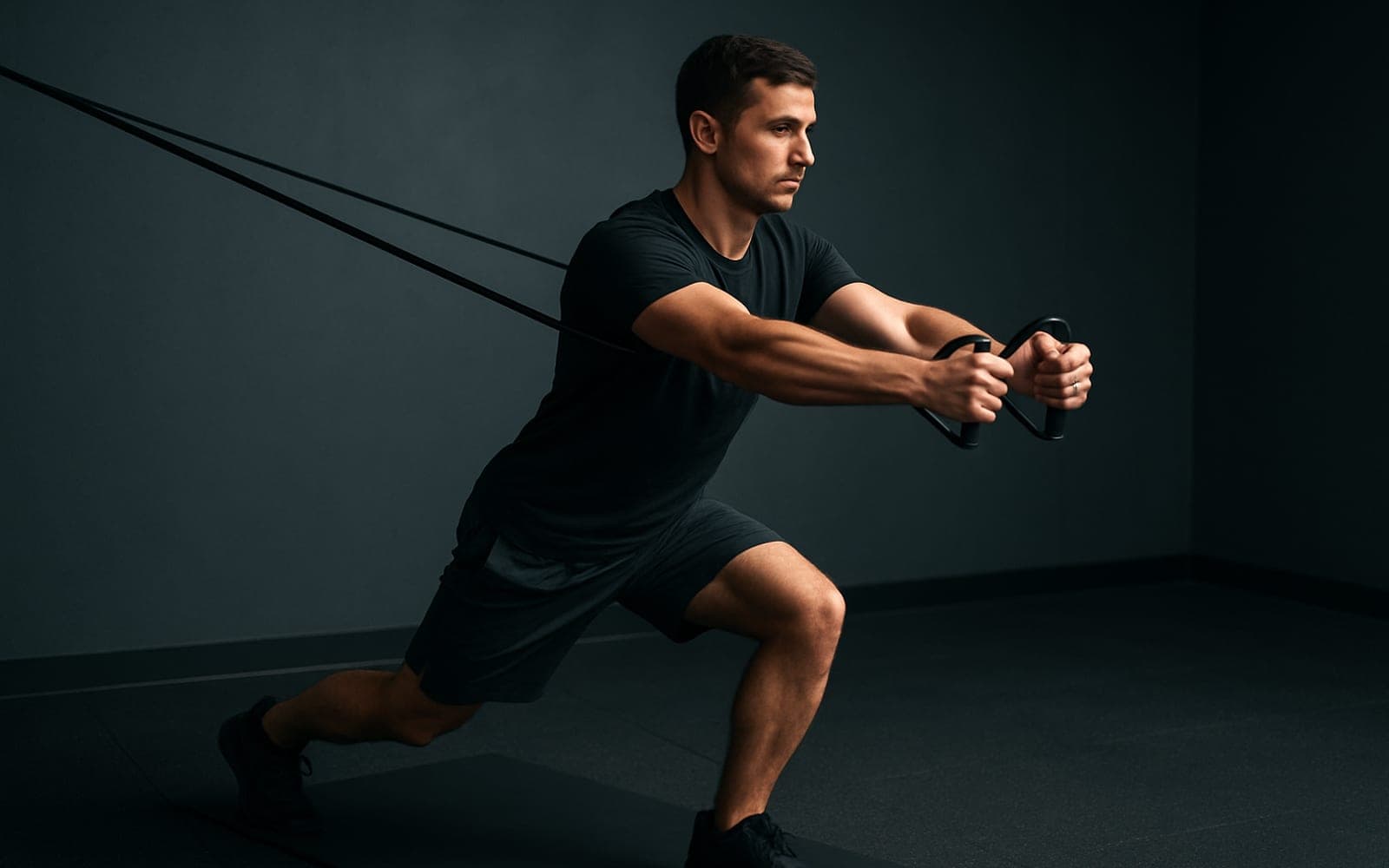
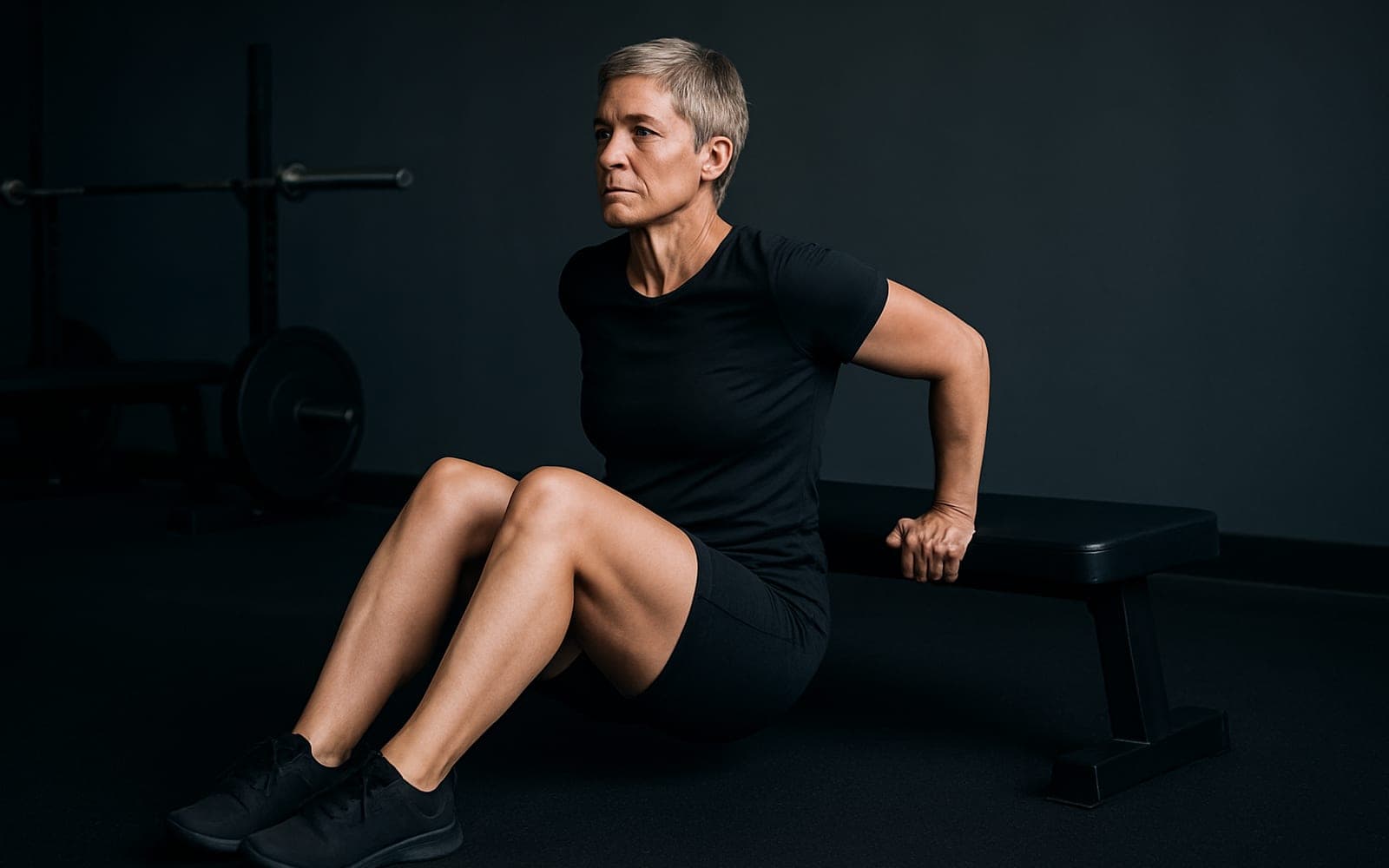
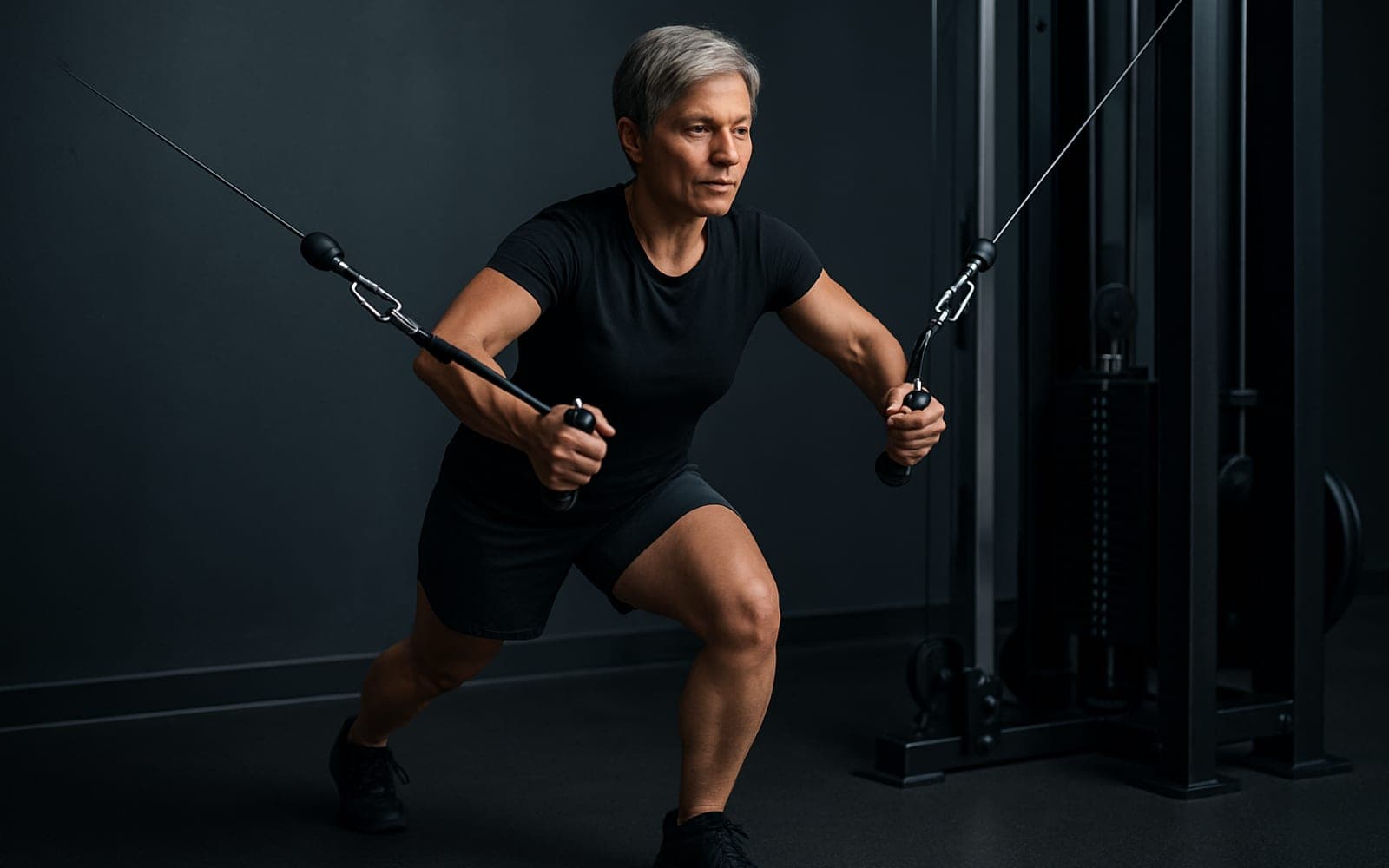
Same muscles or the same movement pattern — useful for building the rest of the session.
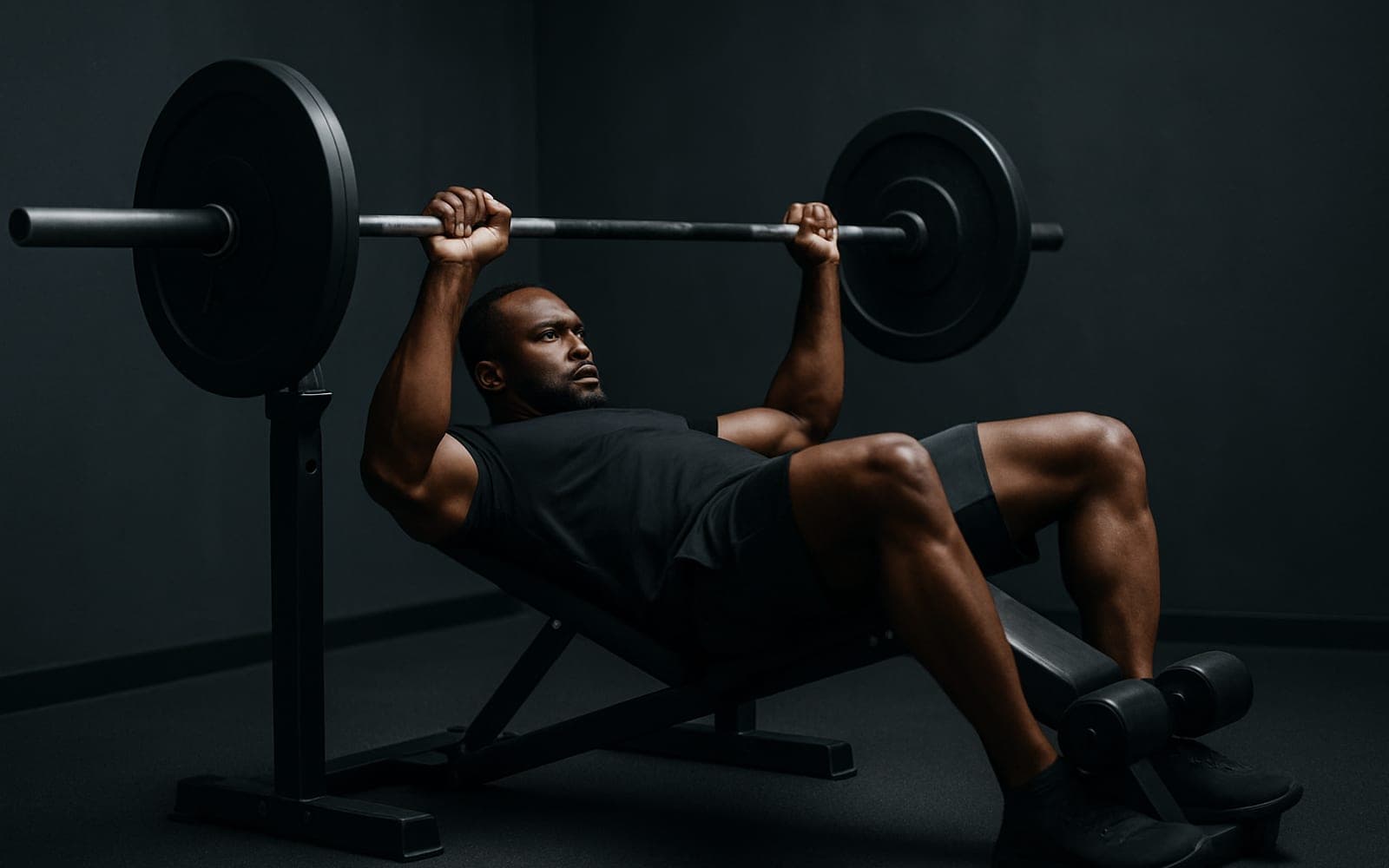
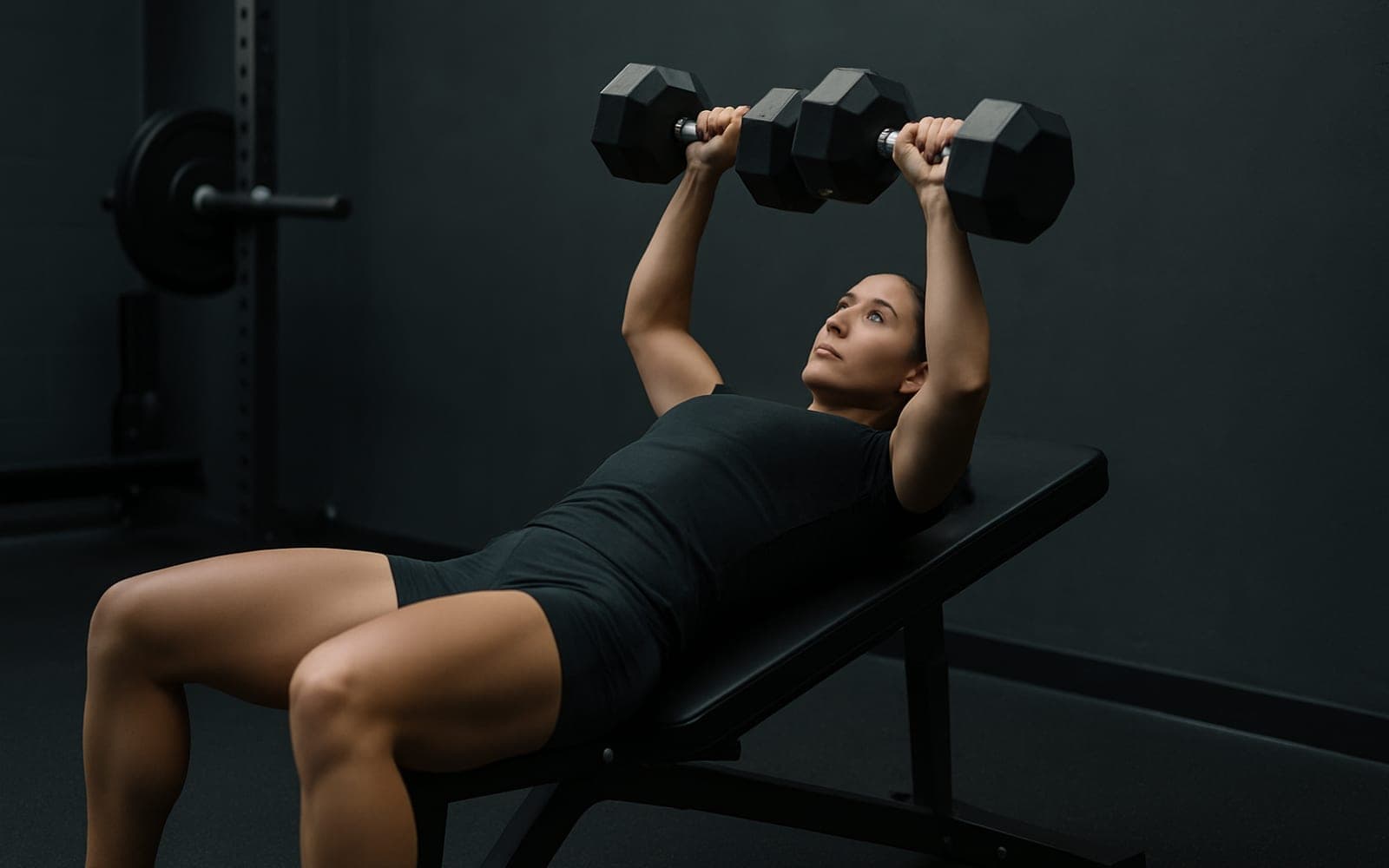
Dip — questions people ask
What muscles does the dip work?
The dip trains the chest and triceps as the primary target, with the front delts working as support. It is a horizontal push pattern, so it also trains the coordination that pattern needs.
How many sets and reps of the dip should I do?
For size, three to four sets of 8–12 reps with 60–90 seconds of rest. For strength, three to five sets of 3–6 reps with longer rest. Add a little weight once you hit the top of the range on every set.
Is the dip good for beginners?
It is a reasonable second step. The dip asks for some control and body awareness. Use an assisted-dip machine or bench dips. It is also form-sensitive, so it is worth having a coach or an experienced lifter watch your first few sessions. If it feels like too much, build the pattern on the machine chest press first.
What can I do instead of the dip?
Machine Chest Press, Close-Grip Bench Press, Cable Triceps Extension all train the same horizontal push pattern with different equipment, so any of them works when the machine is busy or your gym does not have it.
What are the most common dip mistakes?
Dropping too deep and stressing the shoulders; Shrugging up to the ears; Bouncing at the bottom. Lower under control until your upper arms are about parallel to the floor, then press back up. Lean forward slightly to bias the chest, stay upright to bias triceps.