Cable Fly
Activation
Muscles worked
Movement
Horizontal Push
Intermediate · Cable & Functional
Primary muscles
Secondary muscles
Movement pattern
Equipment category
How to perform
- 1
Set up
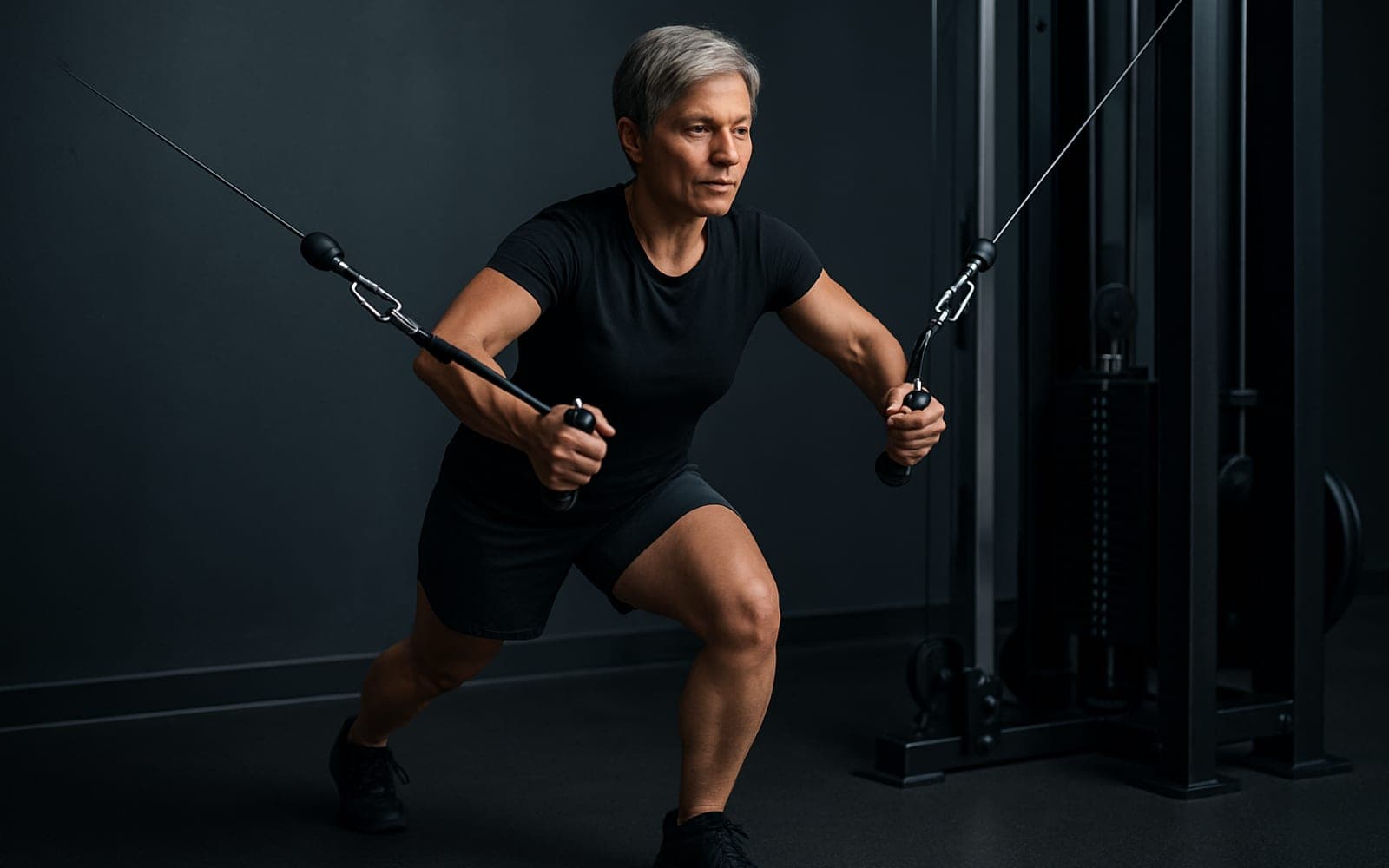
Set pulleys to chest height; a slight forward stagger of the feet.
- 2
Execute the movement
With a soft elbow bend, sweep the handles together in an arc, squeeze, return with control.
Common mistakes
- Turning it into a press
- Overstretching the shoulder
Make it harder
Make it easier
Substitutions
If a machine is busy or unavailable, these train the same pattern a different way.
Your progress over time
What to expect from training this consistently — everyone progresses at their own pace.
- 1
First few sessions
Learn the setup and groove with light resistance: establish a soft elbow bend, path of the arc, and feel the pecs activate while keeping shoulders stable.
- 2
Weeks 2–6
Improve mind–muscle connection and control, tolerate moderate loads for 8–15 reps, and start to see slight fullness and reduced reliance on front delts.
- 3
Months 2–4
Noticeable increases in chest thickness and shape as you progressively overload with heavier stacks or higher volume while maintaining clean technique and a strong peak contraction.
- 4
Months 4–8
Greater muscular endurance and size in the pecs with improved inner-chest development and consistent ability to target the chest without shoulder or wrist breakdown.
- 5
6+ months
Cable flies become a reliable isolation tool in your routine to refine chest shape, maintain pectoral size, and provide a low-spine-load option for ongoing hypertrophy work.
Benefits of the cable fly
Directly targets horizontal adduction to isolate the pectoralis major for focused chest hypertrophy.
Allows precise tension across the entire range of motion, improving peak contraction and inner-chest development.
Places less compressive load on the spine than barbell benching, making it a lower-impact option for chest work.
Reduces triceps dominance relative to pressing movements, helping balance anterior upper-body development.
Trains shoulder control and movement quality through a controlled arc, which supports joint stability when performed with proper form.
Provides easy load and angle variation for progressive overload and exercise variety to prevent plateaus in muscle-building programs.
Exercises that pair with this
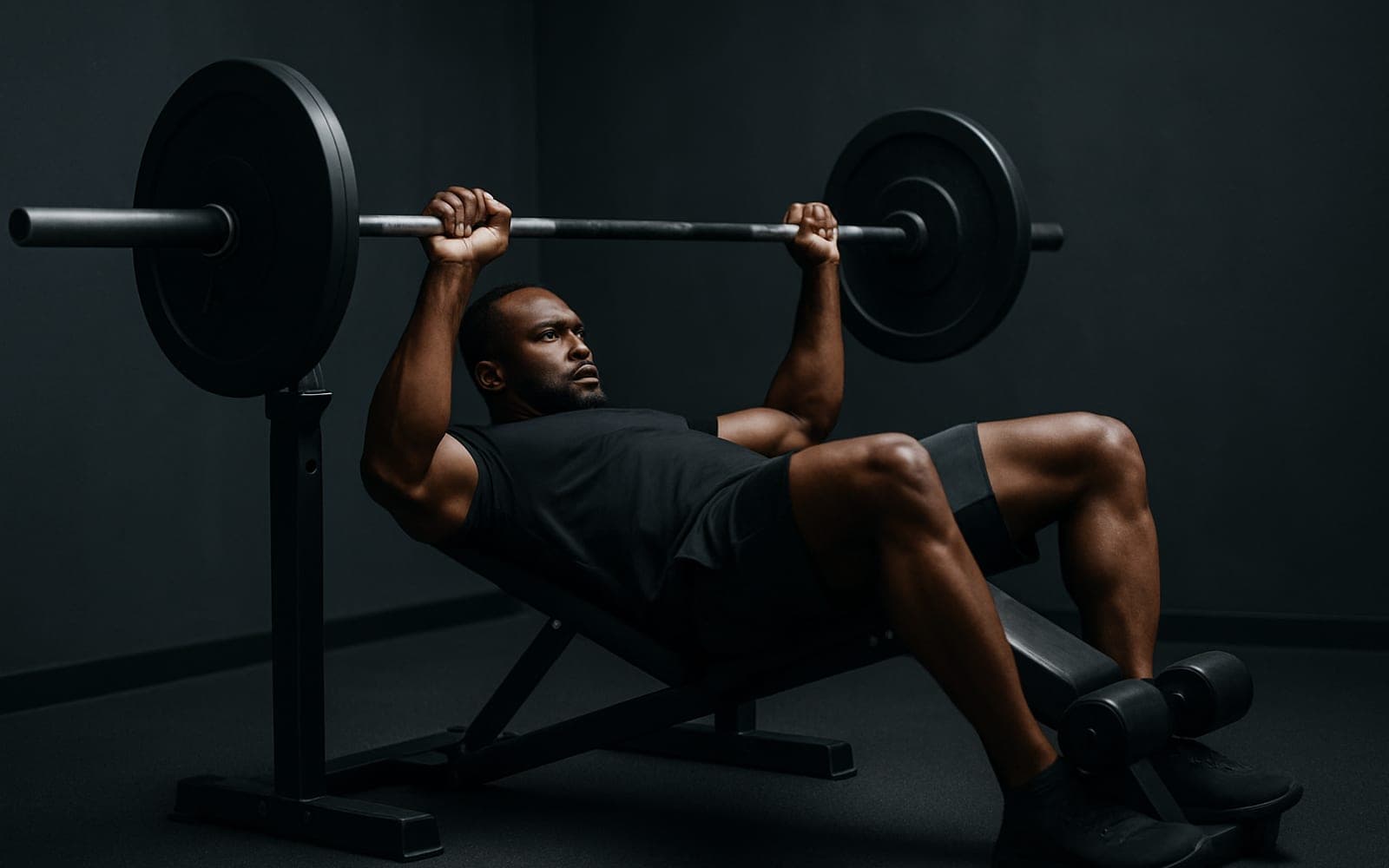
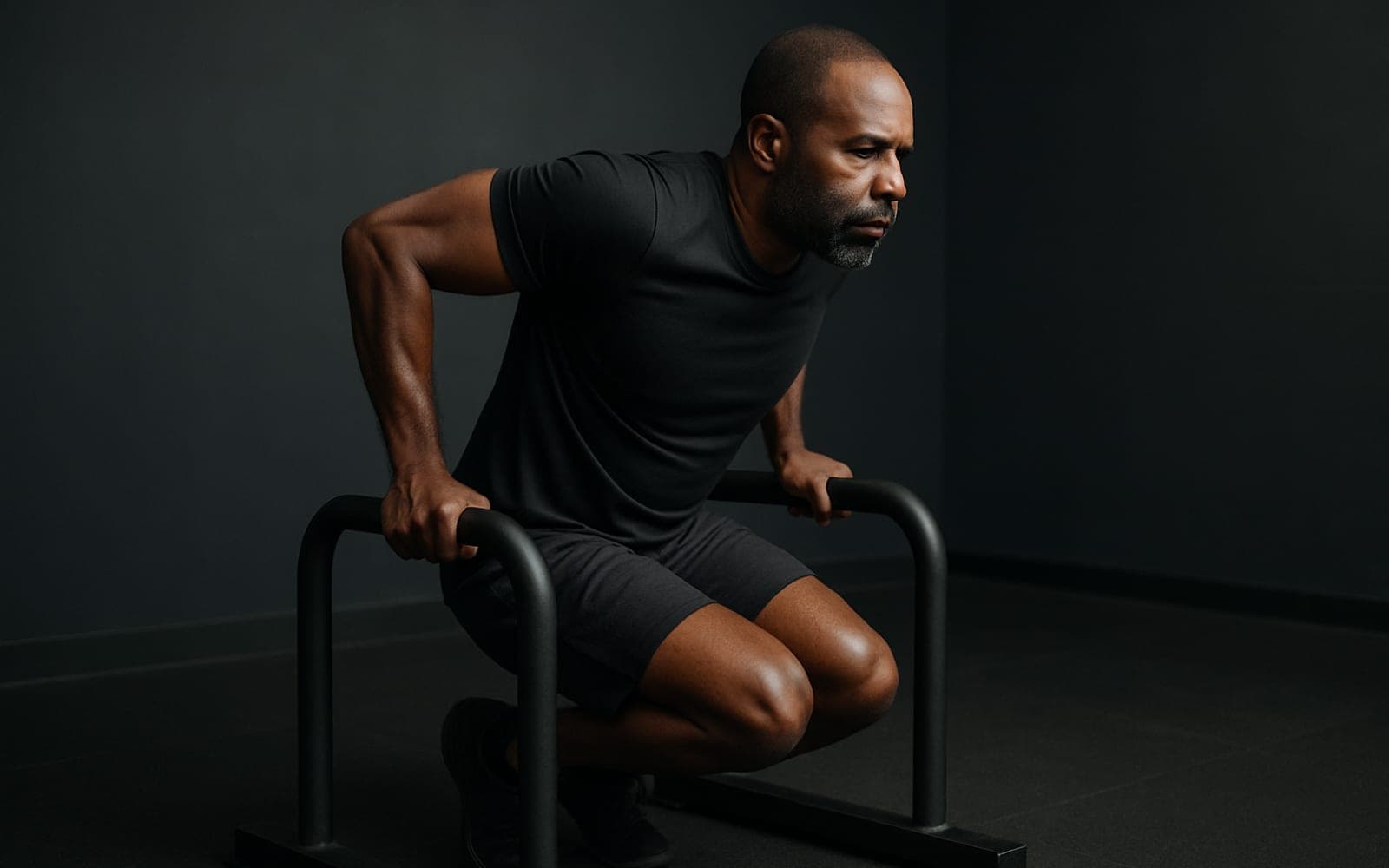
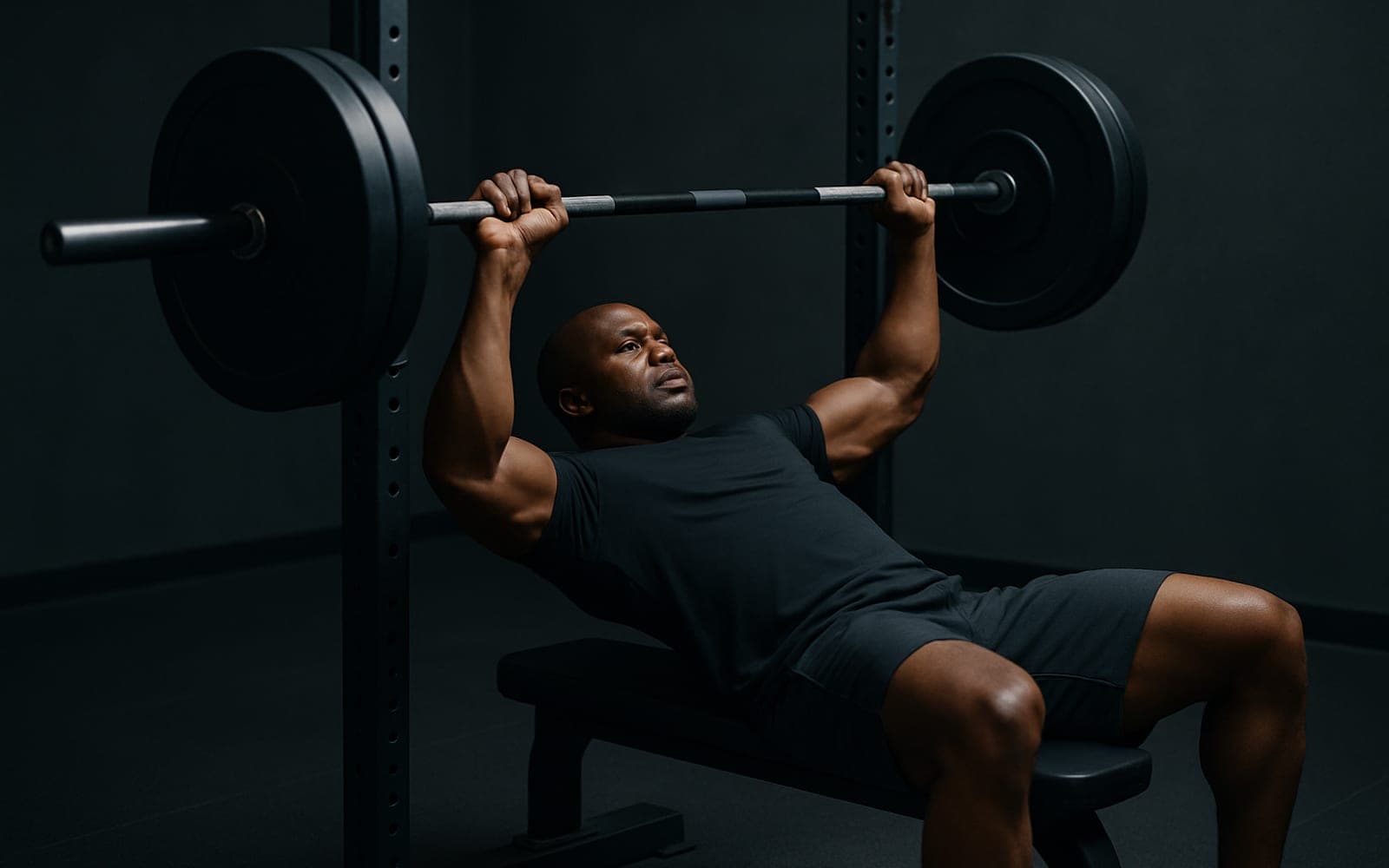
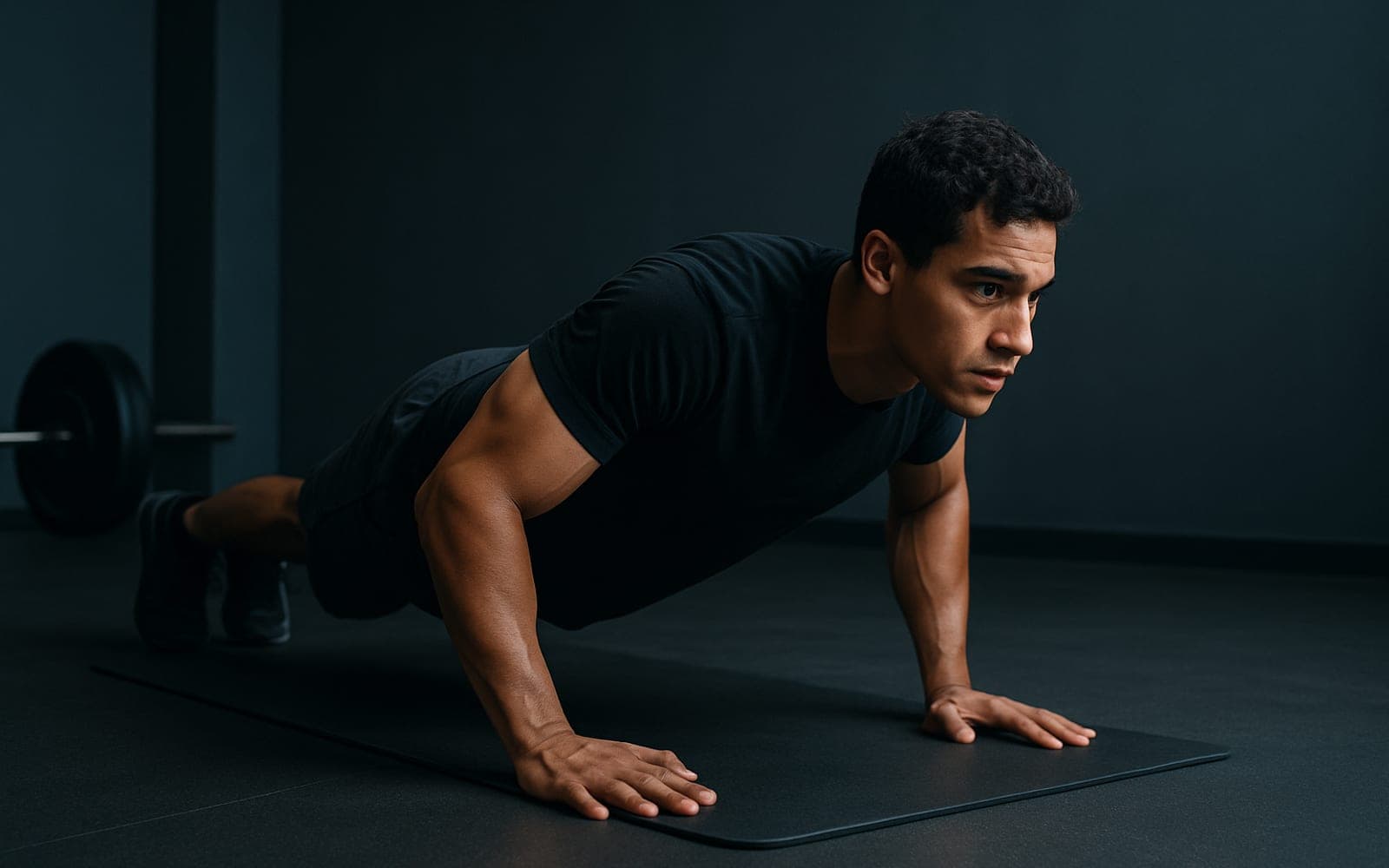
Same muscles or the same movement pattern — useful for building the rest of the session.
Cable Fly — questions people ask
What muscles does the cable fly work?
The cable fly trains the chest as the primary target, with the front delts working as support. It is a horizontal push pattern, so it also trains the coordination that pattern needs.
How many sets and reps of the cable fly should I do?
Three sets of 8–12 reps with about 90 seconds of rest is a reliable default. Increase the weight once the last rep of every set still looks clean.
Is the cable fly good for beginners?
It is a reasonable second step. The cable fly asks for some control and body awareness. Reduce range and weight. If it feels like too much, build the pattern on the machine chest press first.
What can I do instead of the cable fly?
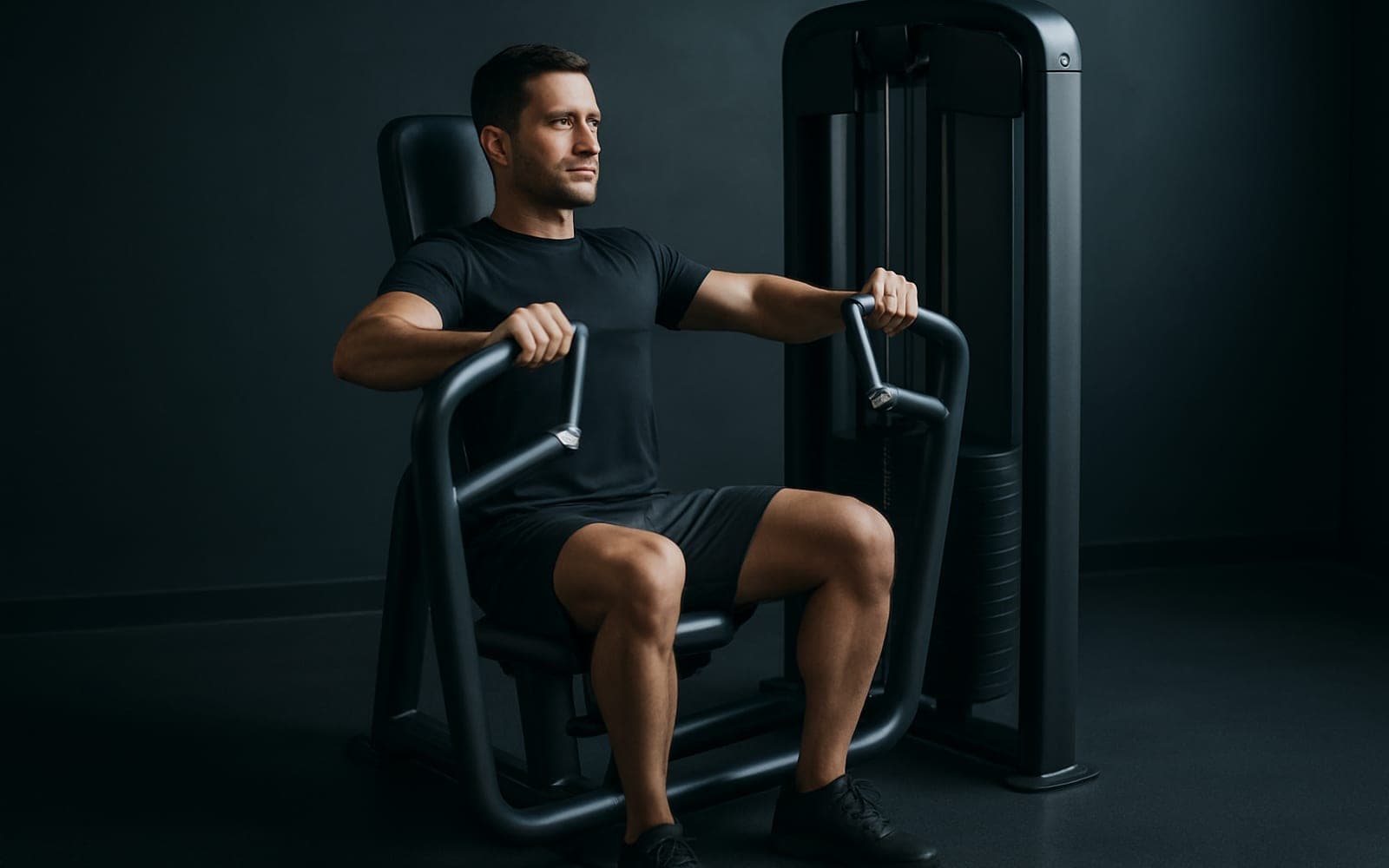
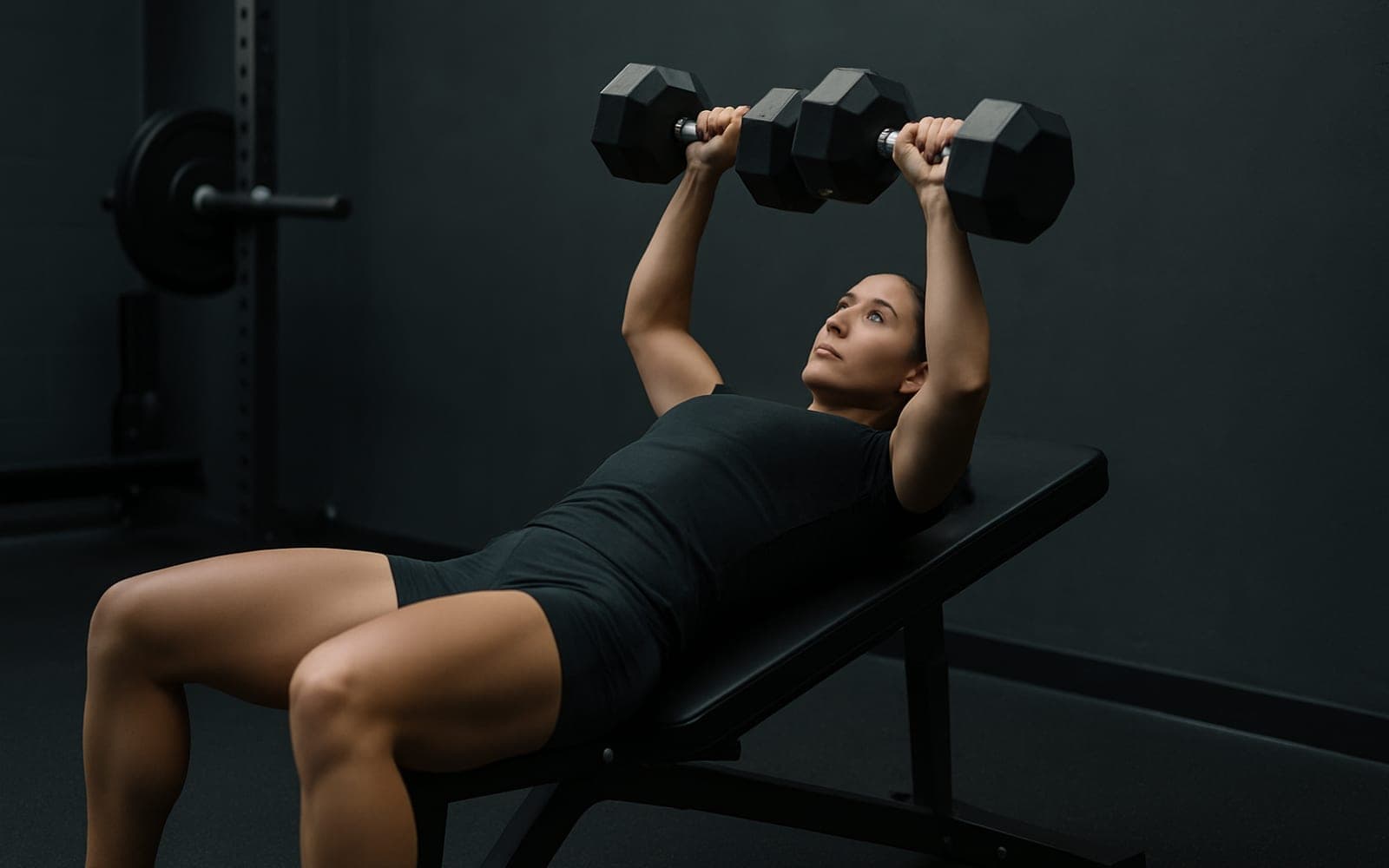
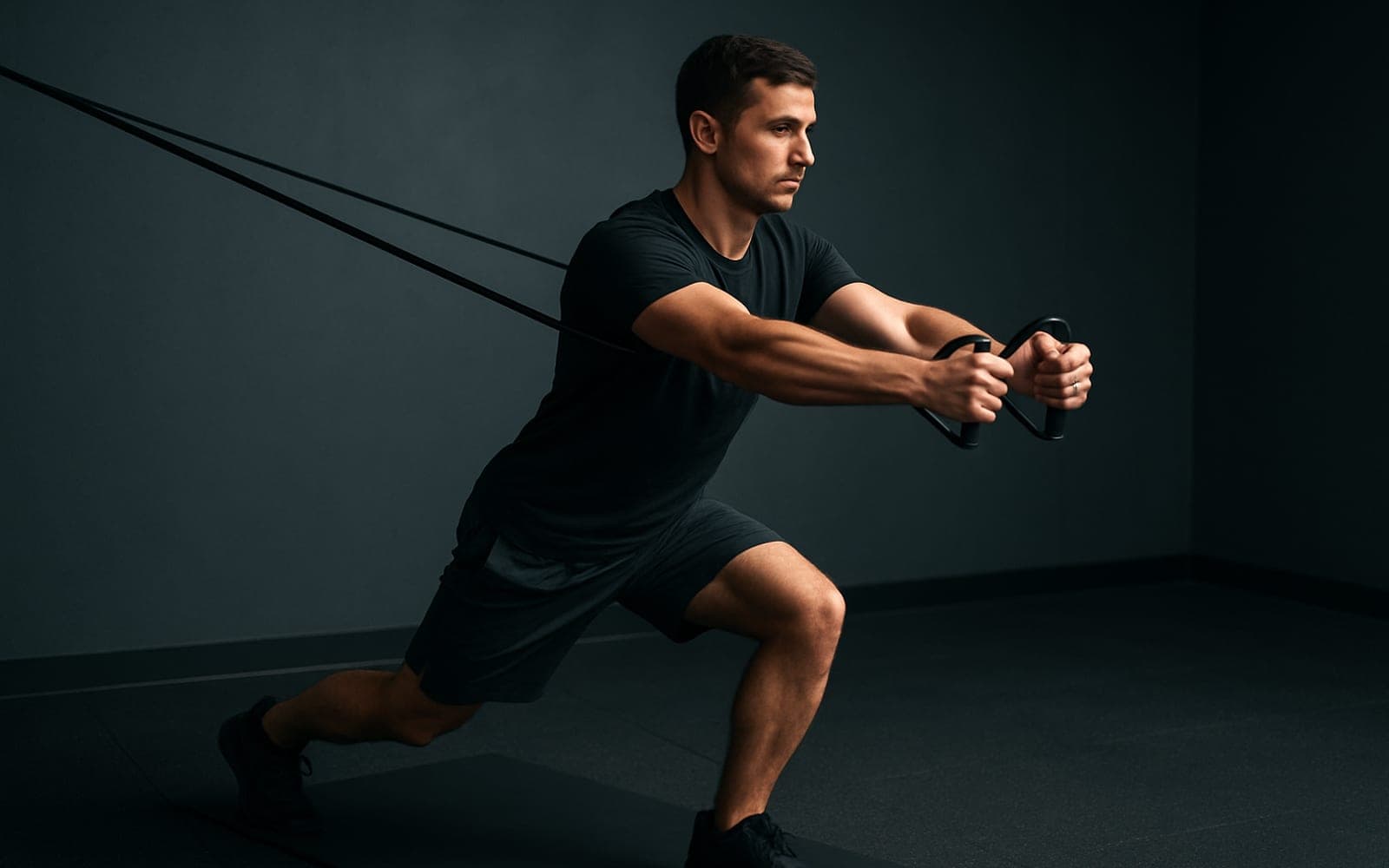
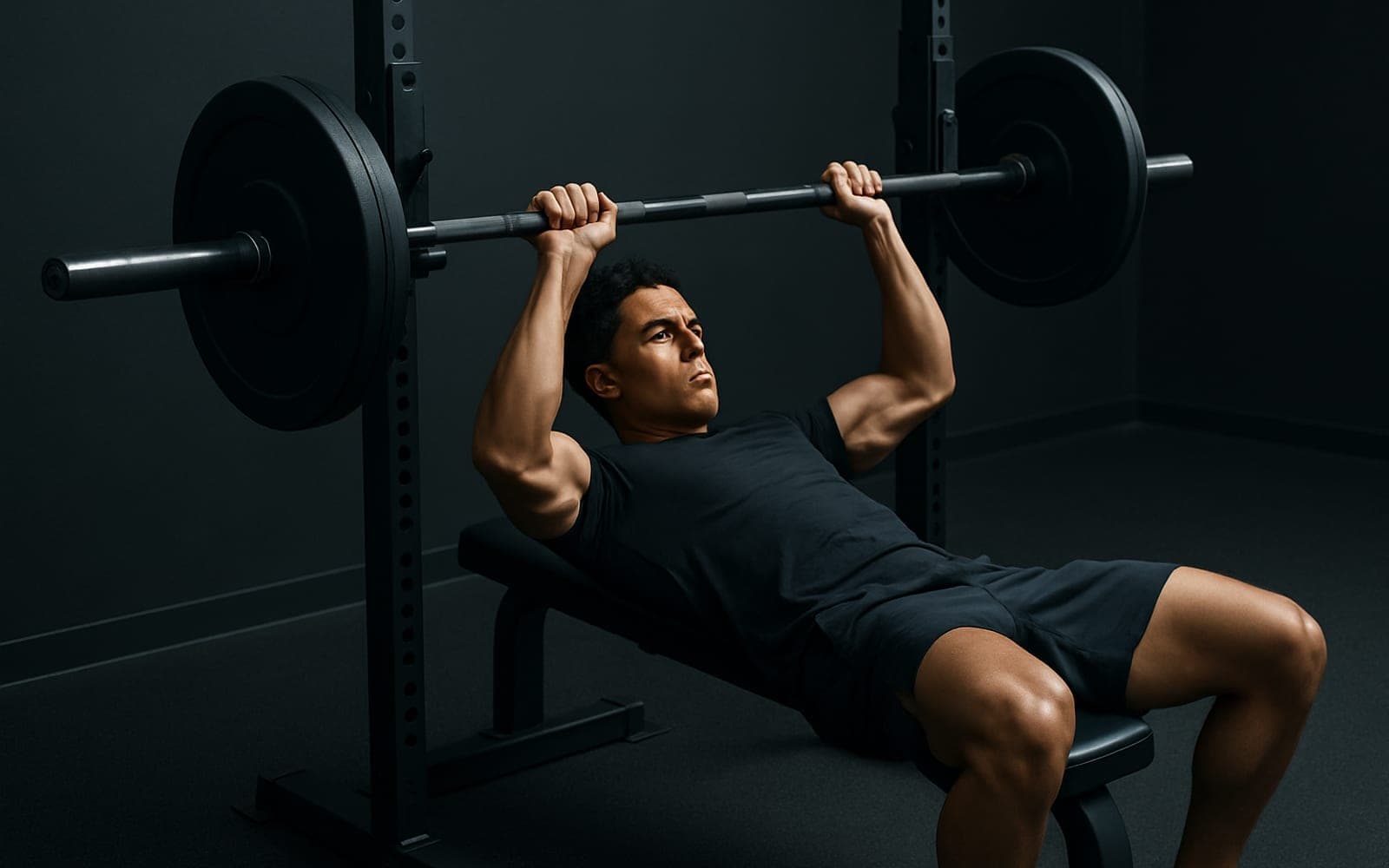
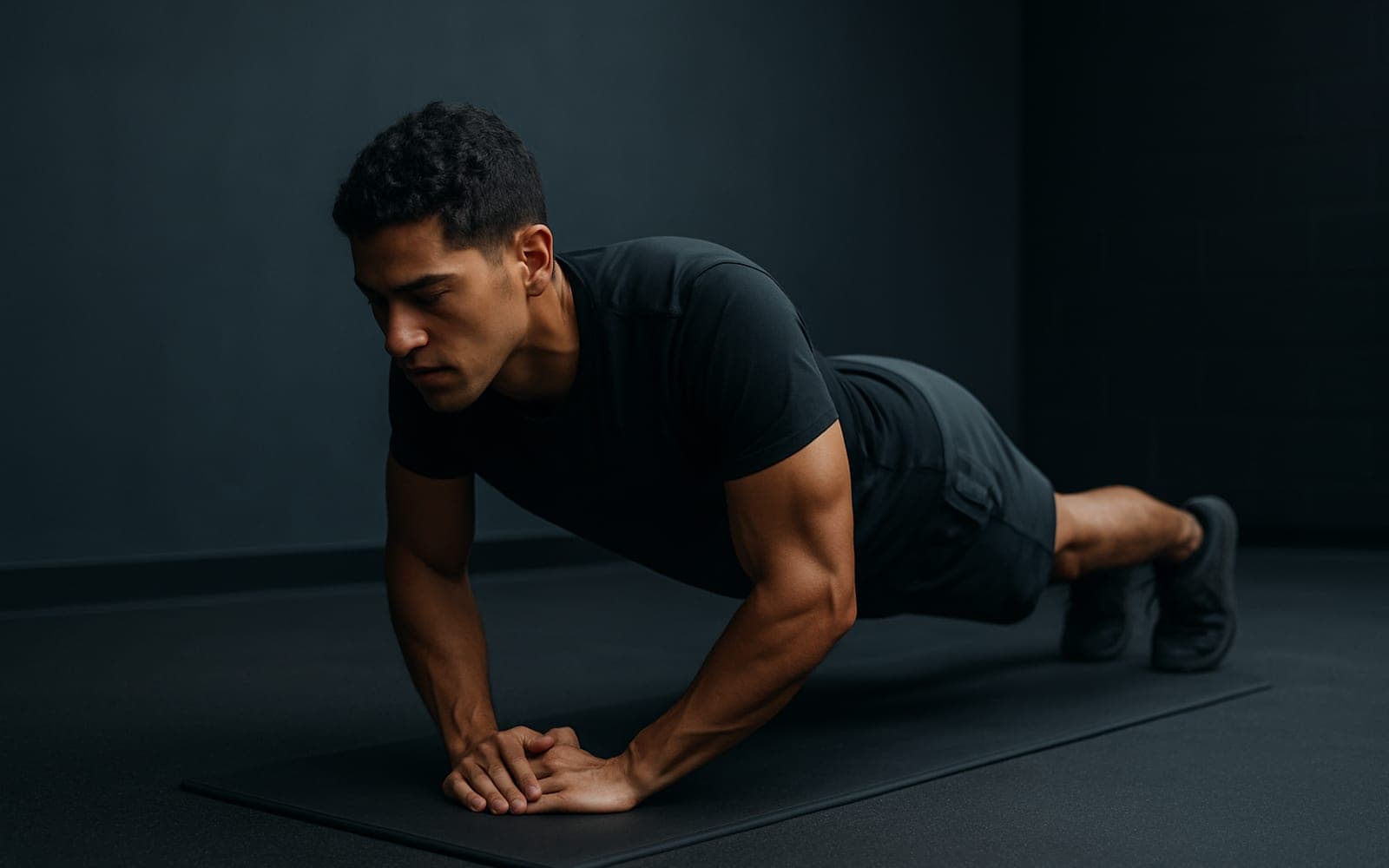
Machine Chest Press, Dumbbell Bench Press, Band Chest Press all train the same horizontal push pattern with different equipment, so any of them works when the machine is busy or your gym does not have it.
What are the most common cable fly mistakes?
Turning it into a press; Overstretching the shoulder. With a soft elbow bend, sweep the handles together in an arc, squeeze, return with control.
Can I do the cable fly at home?
The cable fly needs cable & functional equipment, which most home gyms do not have. The band chest press trains the same pattern with nothing more than your bodyweight or a band.