Bench Dip

Activation
Muscles worked
Movement
Horizontal Push
Beginner · Bodyweight
Primary muscles
Secondary muscles
Movement pattern
Equipment category
How to perform
- 1
Set up
Hands on the edge of a bench behind you, legs out in front, hips off the bench.
- 2
Execute the movement
Bend the elbows to lower the hips straight down, then press back up through the triceps. Keep the shoulders down, not shrugged.
Common mistakes
- Dropping too low and straining the shoulders
- Flaring the elbows
Make it harder
Make it easier
Accessibility
Substitutions
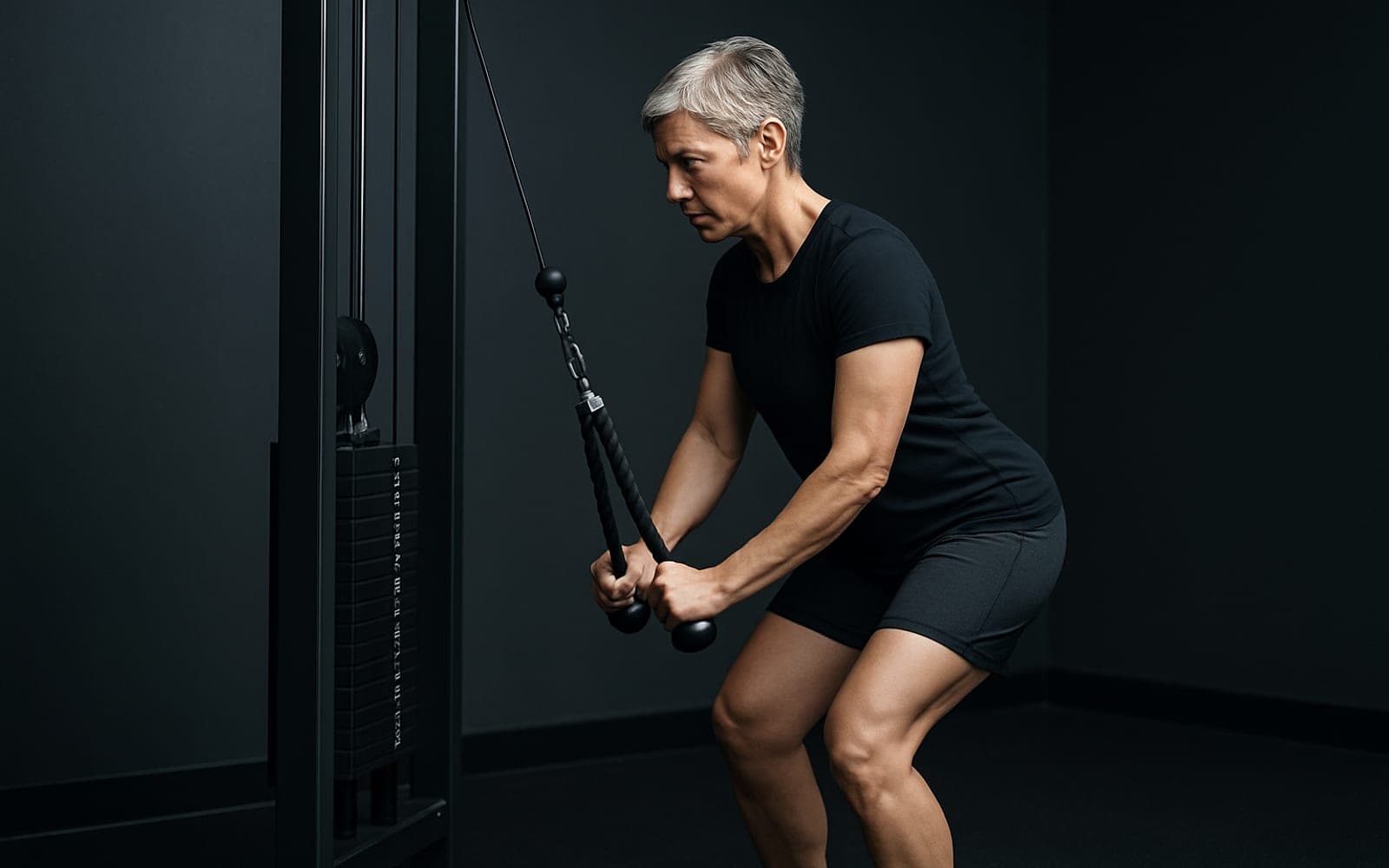
If a machine is busy or unavailable, these train the same pattern a different way.


Your progress over time
What to expect from training this consistently — everyone progresses at their own pace.
- 1
First few sessions
Learn the movement pattern and safe setup: short range of motion, controlled elbow bend, shoulders kept down; expect to perform 8–15 reps with bodyweight and identify any shoulder pain or mobility limits.
- 2
Weeks 2–4
Improved control and consistency: reps become cleaner, you can hit 3–4 sets of 8–15 reps, reduce momentum, and start using foot placement (closer/raised) to increase difficulty.
- 3
Months 2–3
Noticeable increases in triceps work capacity and modest size gains if nutrition is adequate; most beginners can progress to higher-rep sets, longer time under tension, and begin adding external load (weighted belt or plate) for progressive overload.
- 4
Months 4–6
Solid triceps and front-delt strength for bodyweight pushing tasks; many will perform weighted bench dips or progress variations (feet elevated, narrower grip) and see clear carryover to pressing strength and daily pushing activities.
- 5
6+ months
Meaningful upper-arm muscular development and durable elbow-extension strength when combined with a balanced program; keep monitoring shoulder comfort and substitute or regress if persistent discomfort appears.
Benefits of the bench dip
Directly targets the triceps, making it an efficient exercise for elbow-extension strength and visible upper-arm development.
Works the anterior deltoids and upper chest secondarily, contributing to improved horizontal push strength and balanced upper-body appearance.
Requires minimal equipment and setup, so it’s easy to include in home or gym routines for consistent training stimulus.
Improves muscular endurance in pushing patterns, which transfers to daily tasks like pushing objects and supporting yourself in seated-to-standing transitions.
Scalable through foot position and added load, allowing straightforward progressive overload from beginner to intermediate levels.
Teaches controlled lowering (eccentric) and pressing mechanics under load, helping build discipline in tempo and joint awareness when programmed responsibly.
Exercises that pair with this
Same muscles or the same movement pattern — useful for building the rest of the session.





Bench Dip — questions people ask
What muscles does the bench dip work?
The bench dip trains the triceps as the primary target, with the front delts, chest working as support. It is a horizontal push pattern, so it also trains the coordination that pattern needs.
How many sets and reps of the bench dip should I do?
Three sets of 8–12 reps with about 90 seconds of rest is a reliable default. Increase the weight once the last rep of every set still looks clean.
Is the bench dip good for beginners?
Yes. The bench dip is a beginner-friendly movement. Bend the knees to reduce load. If it feels like too much, build the pattern on the dip first.
What can I do instead of the bench dip?
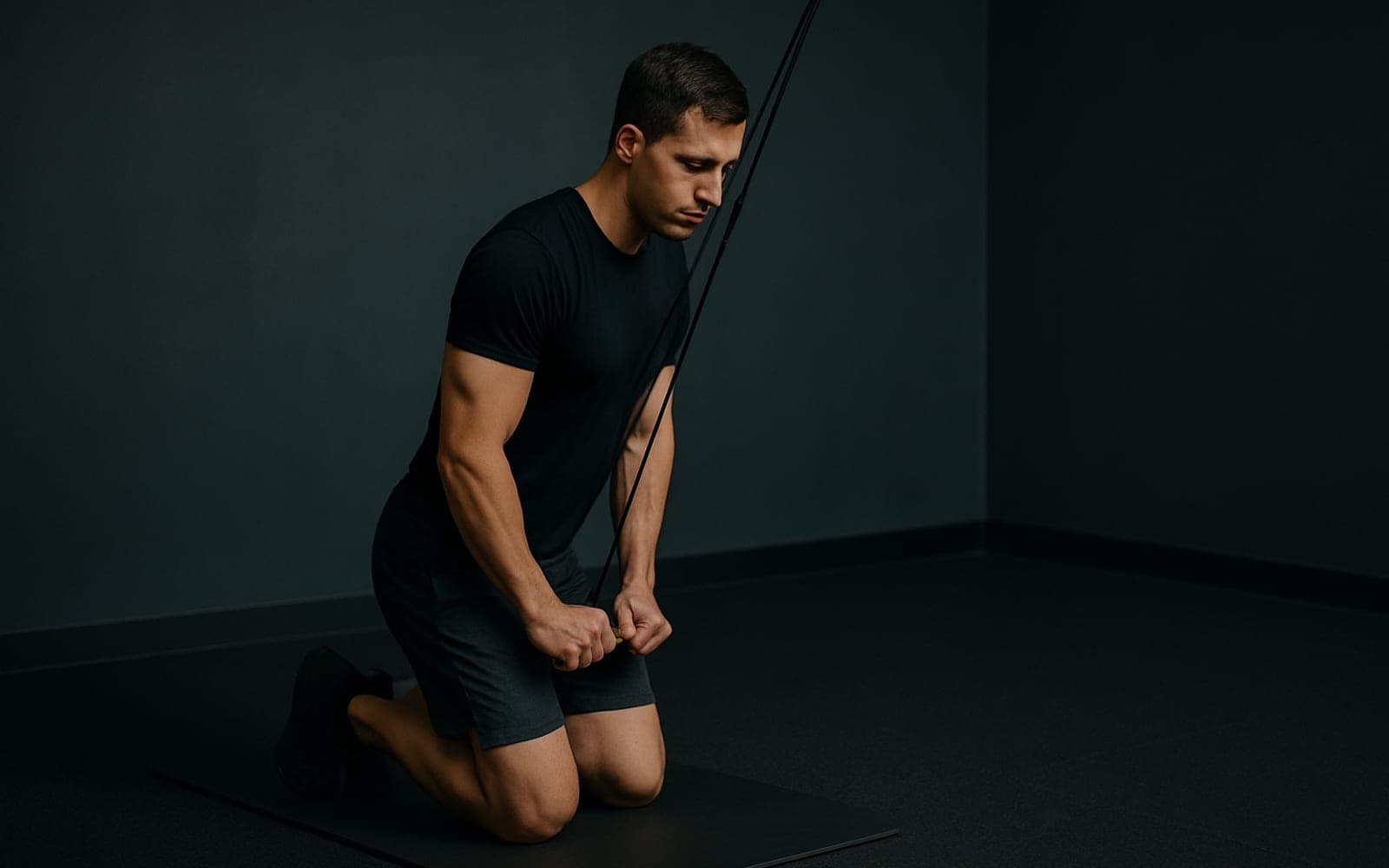
Dip, Cable Triceps Extension, Close-Grip Bench Press all train the same horizontal push pattern with different equipment, so any of them works when the machine is busy or your gym does not have it.
What are the most common bench dip mistakes?
Dropping too low and straining the shoulders; Flaring the elbows. Bend the elbows to lower the hips straight down, then press back up through the triceps. Keep the shoulders down, not shrugged.