Pec Deck (Machine Fly)
Activation
Muscles worked
Movement
Isolation
Beginner · Selectorized Strength
Primary muscles
Secondary muscles
Movement pattern
Equipment category
How to perform
- 1
Set up
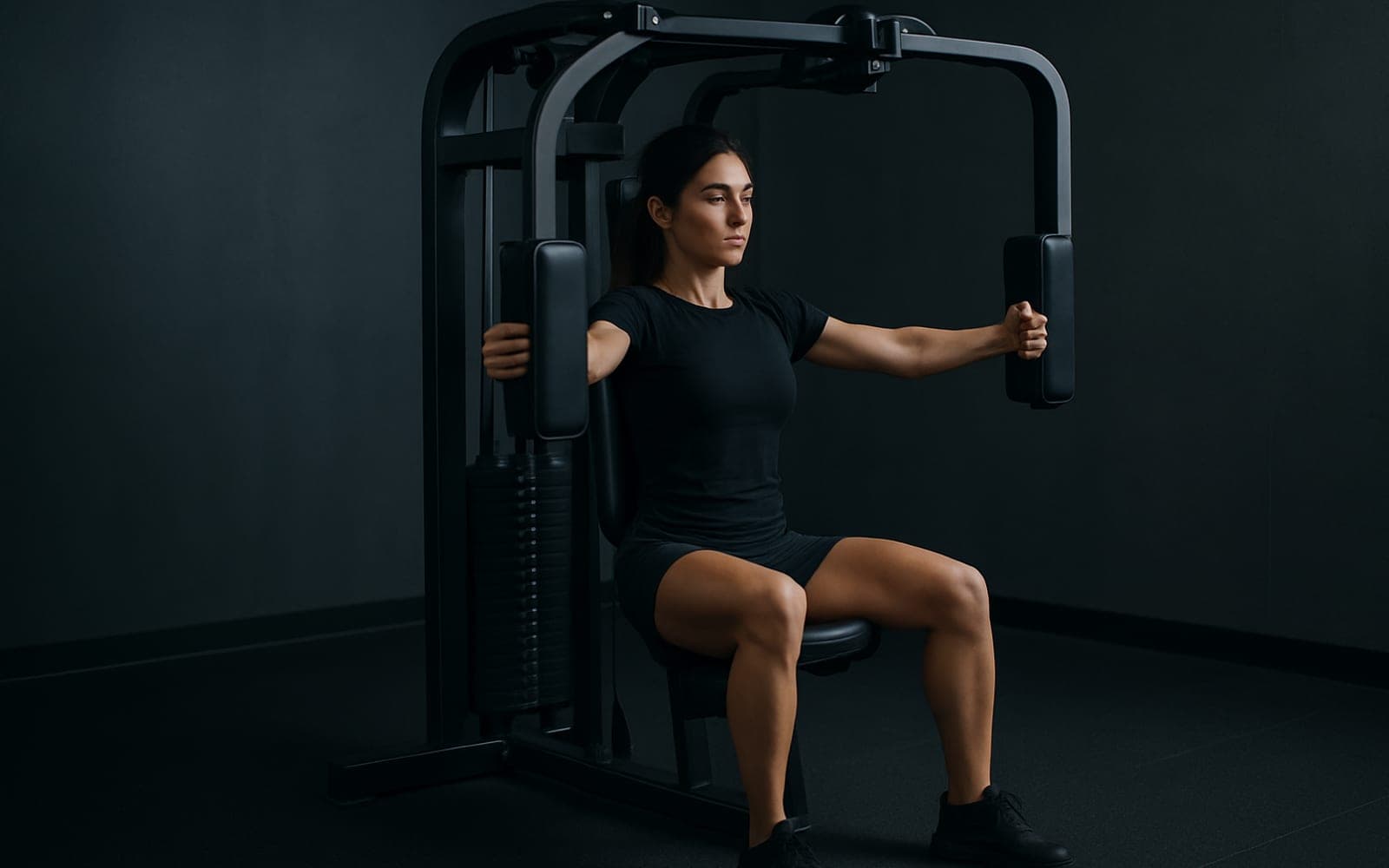
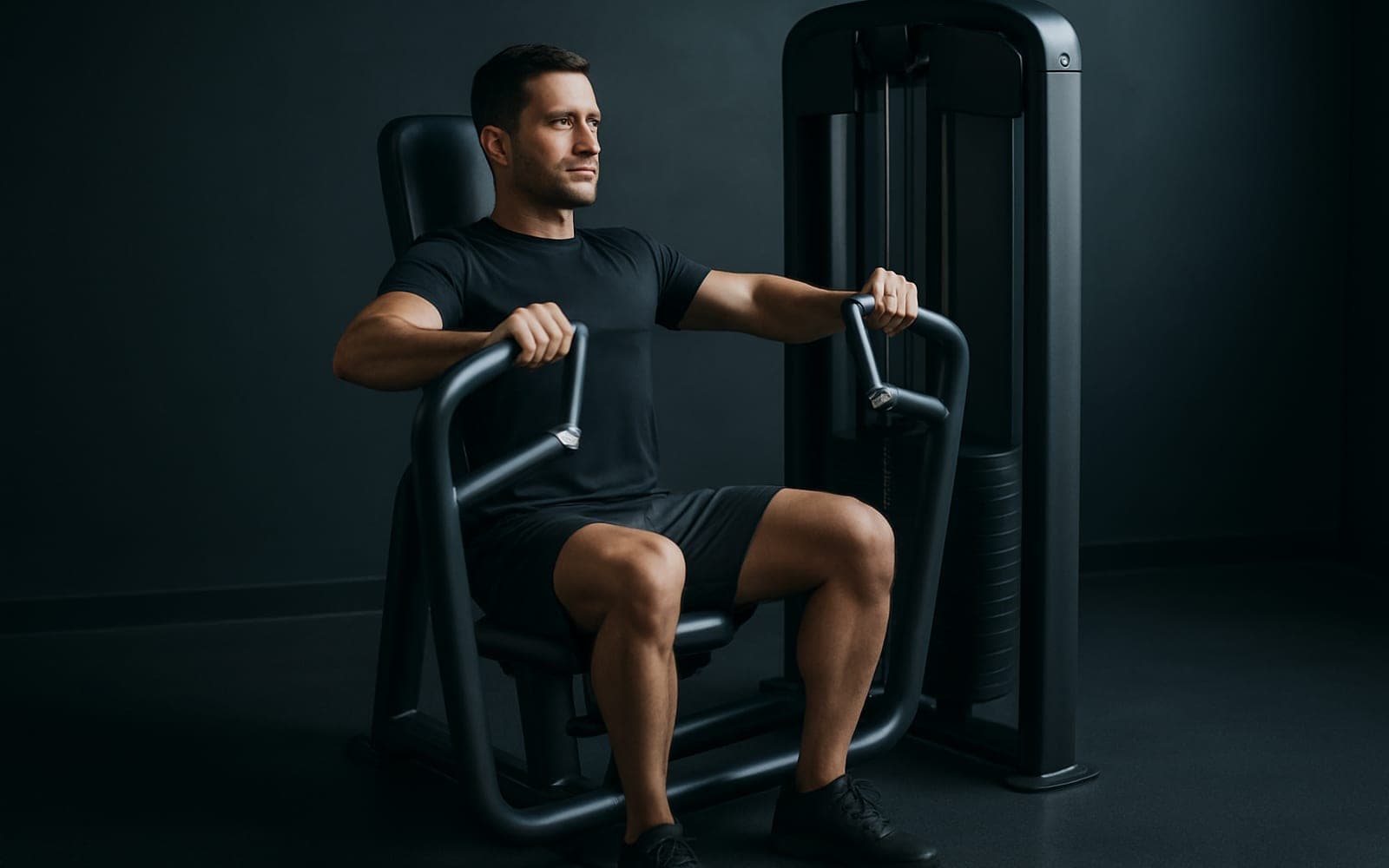
Set the seat so the handles sit at mid-chest; forearms or elbows on the pads.
- 2
Execute the movement
Bring the pads together in a smooth arc, squeeze the chest, then return under control to a light stretch.
Common mistakes
- Seat too high or low
- Letting the stack slam back
Make it harder
Make it easier
Accessibility
Substitutions
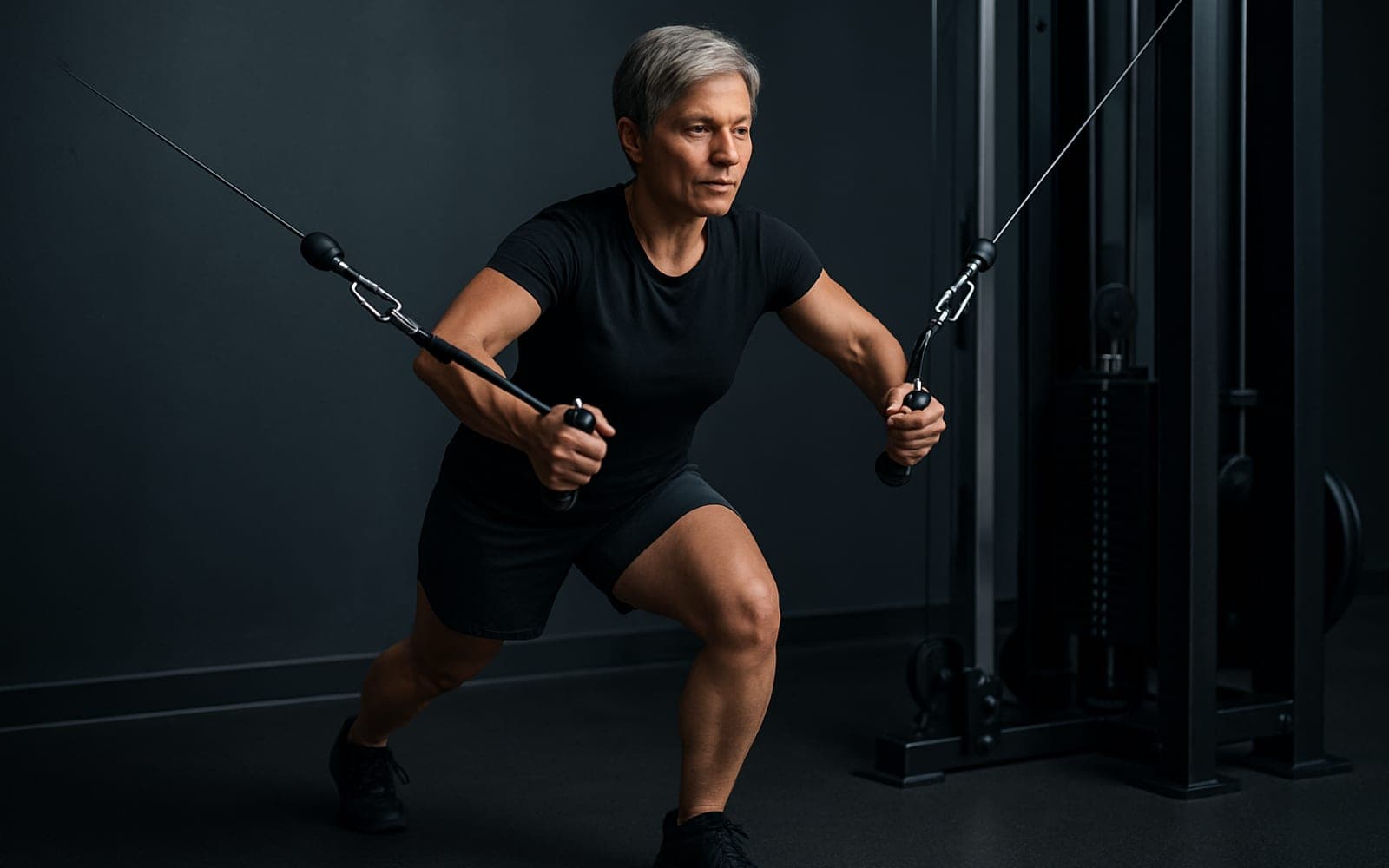
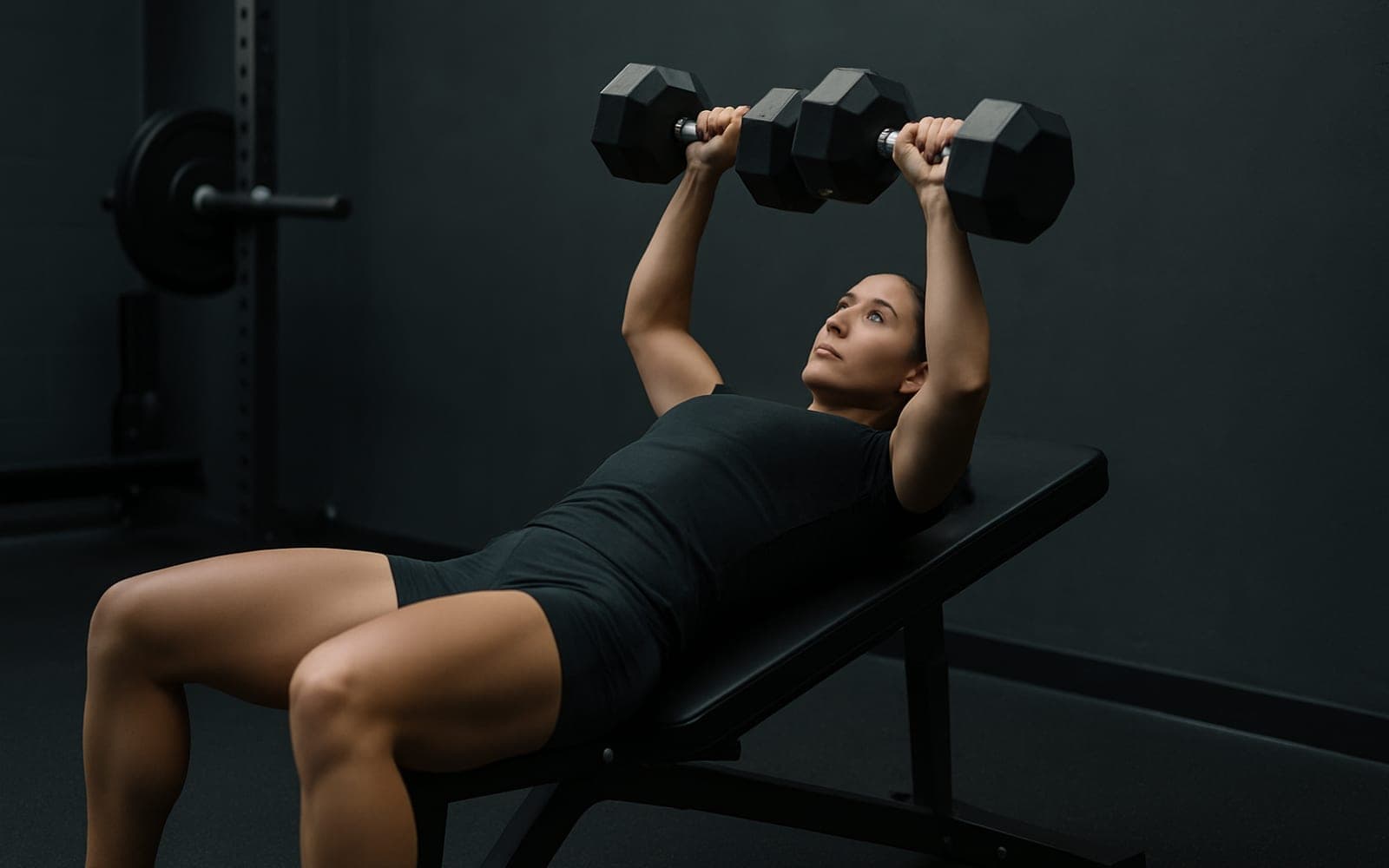
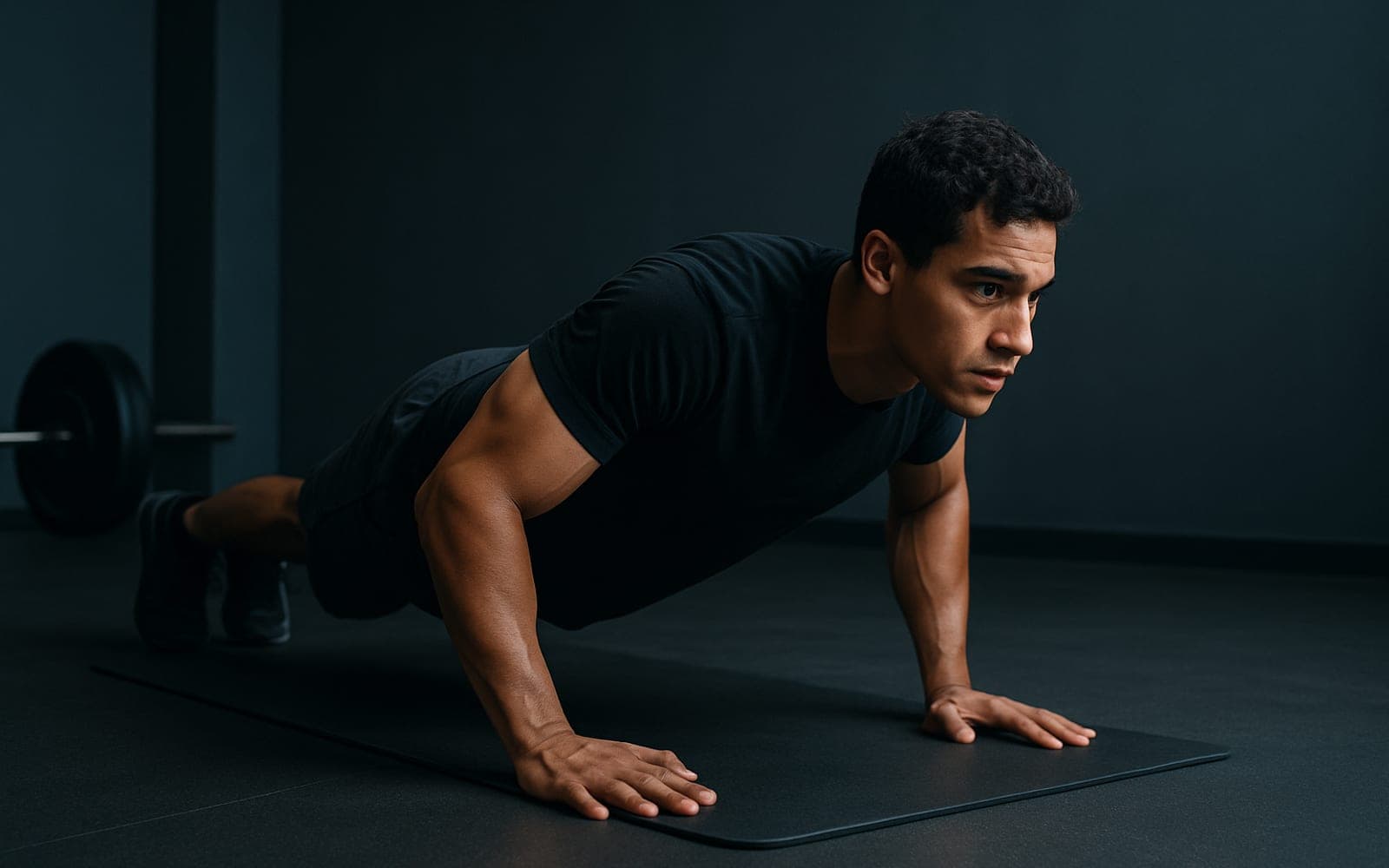
If a machine is busy or unavailable, these train the same pattern a different way.
Your progress over time
What to expect from training this consistently — everyone progresses at their own pace.
- 1
First few sessions
Learn machine setup, seat/arm position and the smooth arc motion; expect improved motor control, light muscle soreness, and the ability to feel the chest working without heavy load.
- 2
Weeks 2–6
Develop a stronger mind–muscle connection and tolerate higher training volume; you’ll see regular muscle pump and small increases in set-to-set load or reps.
- 3
Months 2–4
Noticeable increases in chest thickness and more consistent progressive overload on the machine as muscle fibers adapt and recover faster between sessions.
- 4
Months 4–8
Clearer chest definition and measurable hypertrophy when combined with proper nutrition and a structured program; strength on the pec deck continues to rise and you can safely push heavier loads for higher TUT (time under tension).
- 5
6+ months
Substantial muscle-building progress relative to starting point—balanced pec development and improved appearance—while using the pec deck as a reliable isolation tool to refine shape and address weak areas.
Benefits of the pec deck (machine fly)
Direct, focused development of the pectoralis major for increasing chest muscle size and thickness.
Strong carryover to improved chest shape and definition by emphasizing the horizontal adduction movement the pecs perform.
Low technical demand and fixed movement path make it beginner-friendly and easy to load safely for progressive hypertrophy.
Secondary activation of anterior deltoids helps reinforce the front shoulder while keeping stress off lower-back and stabilizers compared with heavy free-weight presses.
High time-under-tension potential allows precise control of tempo and range to maximize muscle damage and metabolic stress for growth.
Useful for targeting the mid/inner chest and addressing asymmetries by controlling movement and unilateral variations on some machines.
Exercises that pair with this
Same muscles or the same movement pattern — useful for building the rest of the session.
Pec Deck (Machine Fly) — questions people ask
What muscles does the pec deck (machine fly) work?
The pec deck (machine fly) trains the chest as the primary target, with the front delts working as support. It is a isolation pattern, so it also trains the coordination that pattern needs.
How many sets and reps of the pec deck (machine fly) should I do?
Three sets of 8–12 reps with about 90 seconds of rest is a reliable default. Increase the weight once the last rep of every set still looks clean.
Is the pec deck (machine fly) good for beginners?
Yes. The pec deck (machine fly) is a beginner-friendly movement. Reduce weight, keep it strict. If it feels like too much, build the pattern on the push-up first.
What can I do instead of the pec deck (machine fly)?
Cable Fly, Dumbbell Bench Press, Push-Up all train the same isolation pattern with different equipment, so any of them works when the machine is busy or your gym does not have it.
What are the most common pec deck (machine fly) mistakes?
Seat too high or low; Letting the stack slam back. Bring the pads together in a smooth arc, squeeze the chest, then return under control to a light stretch.
Can I do the pec deck (machine fly) at home?
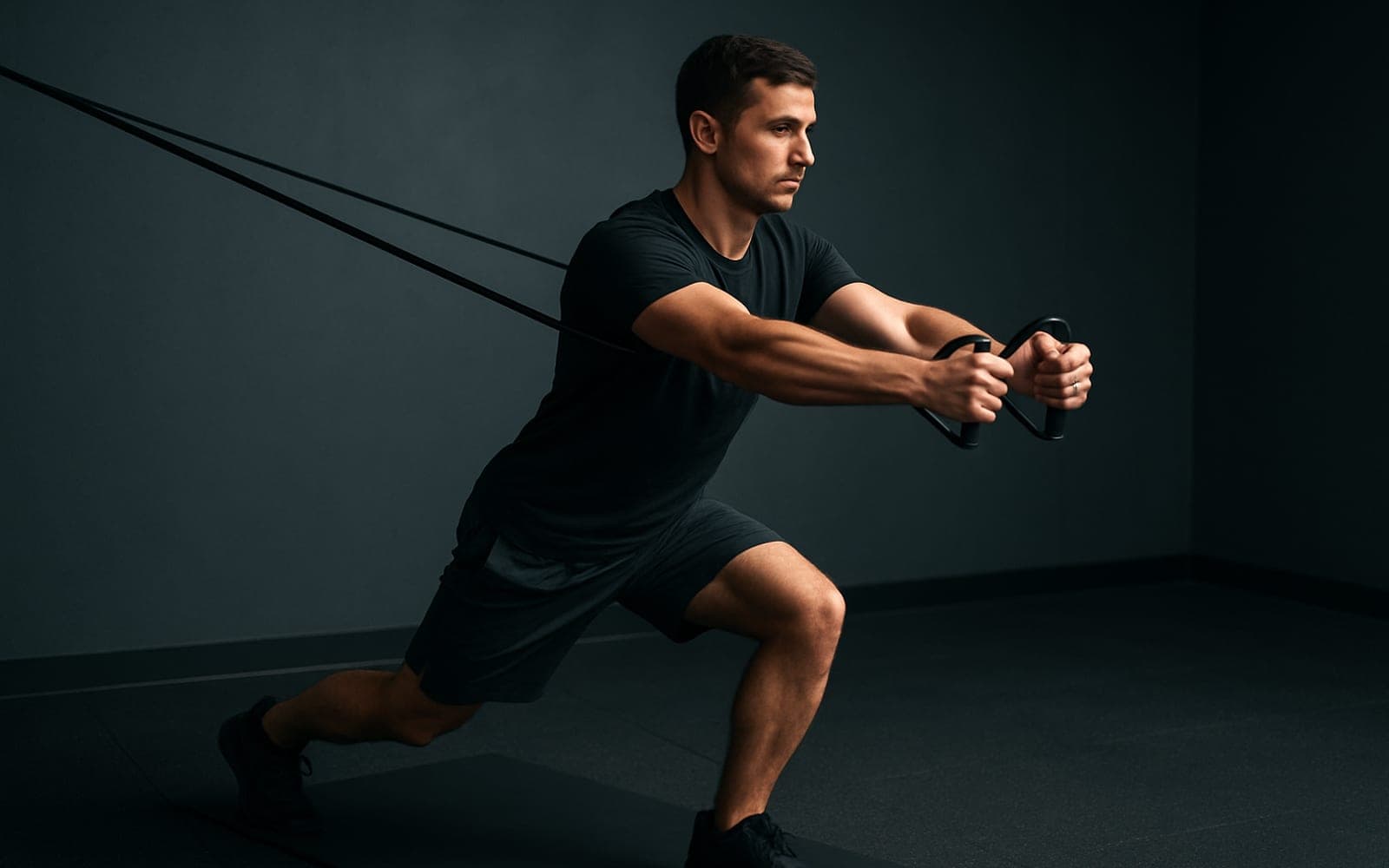
The pec deck (machine fly) needs selectorized strength equipment, which most home gyms do not have. The push-up trains the same pattern with nothing more than your bodyweight or a band.