Hip Abduction (Outer Glute)
Activation
Muscles worked
Movement
Isolation
Beginner · Selectorized Strength
Primary muscles
Secondary muscles
Movement pattern
Equipment category
How to perform
- 1
Set up
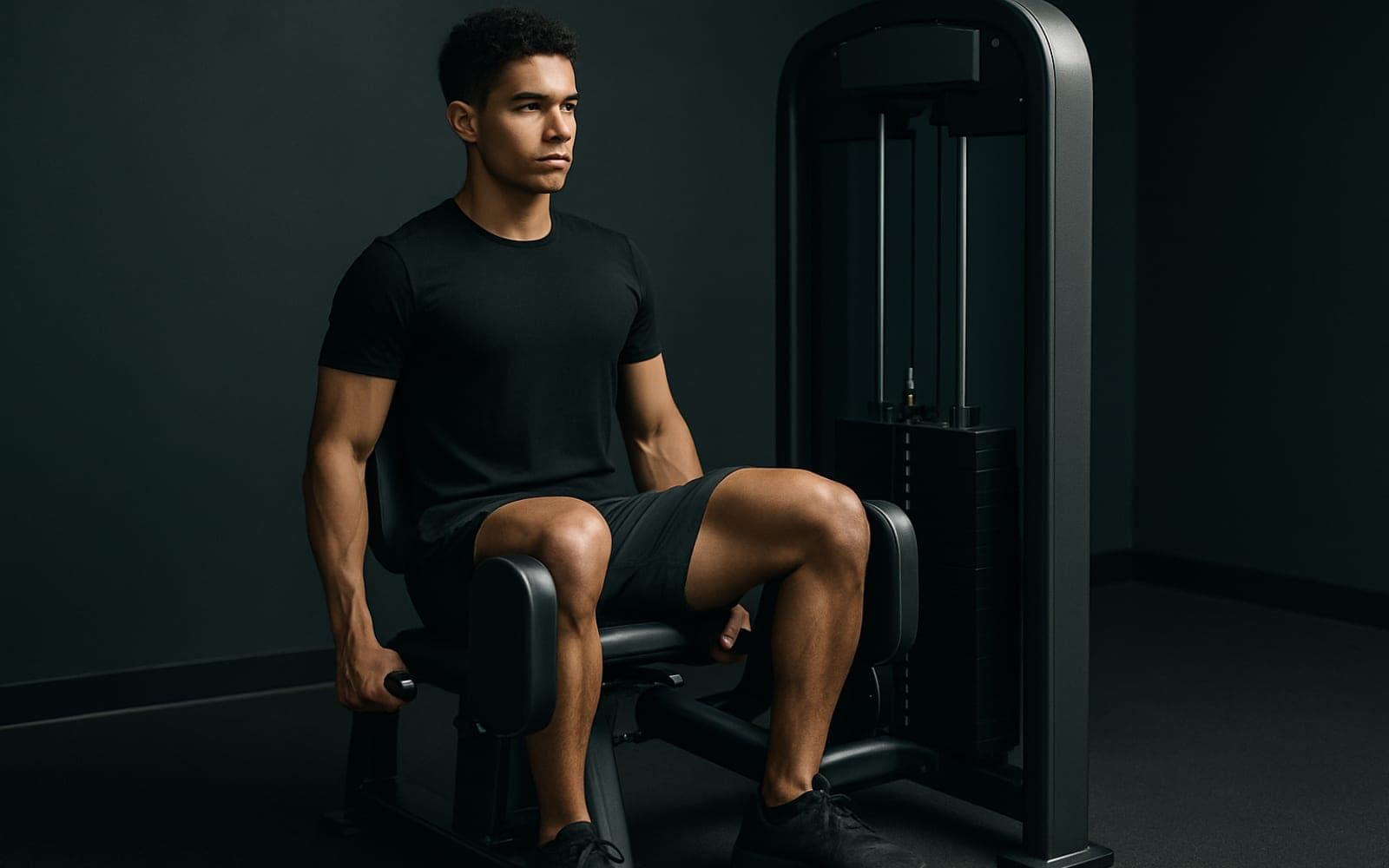
Sit in the abduction machine with the pads on the outer thighs, knees together.
- 2
Execute the movement
Press the thighs outward against the pads, squeeze the glutes, then return under control.
Common mistakes
- Leaning back to gain leverage
- Bouncing the reps
Make it harder
Make it easier
Accessibility
Substitutions
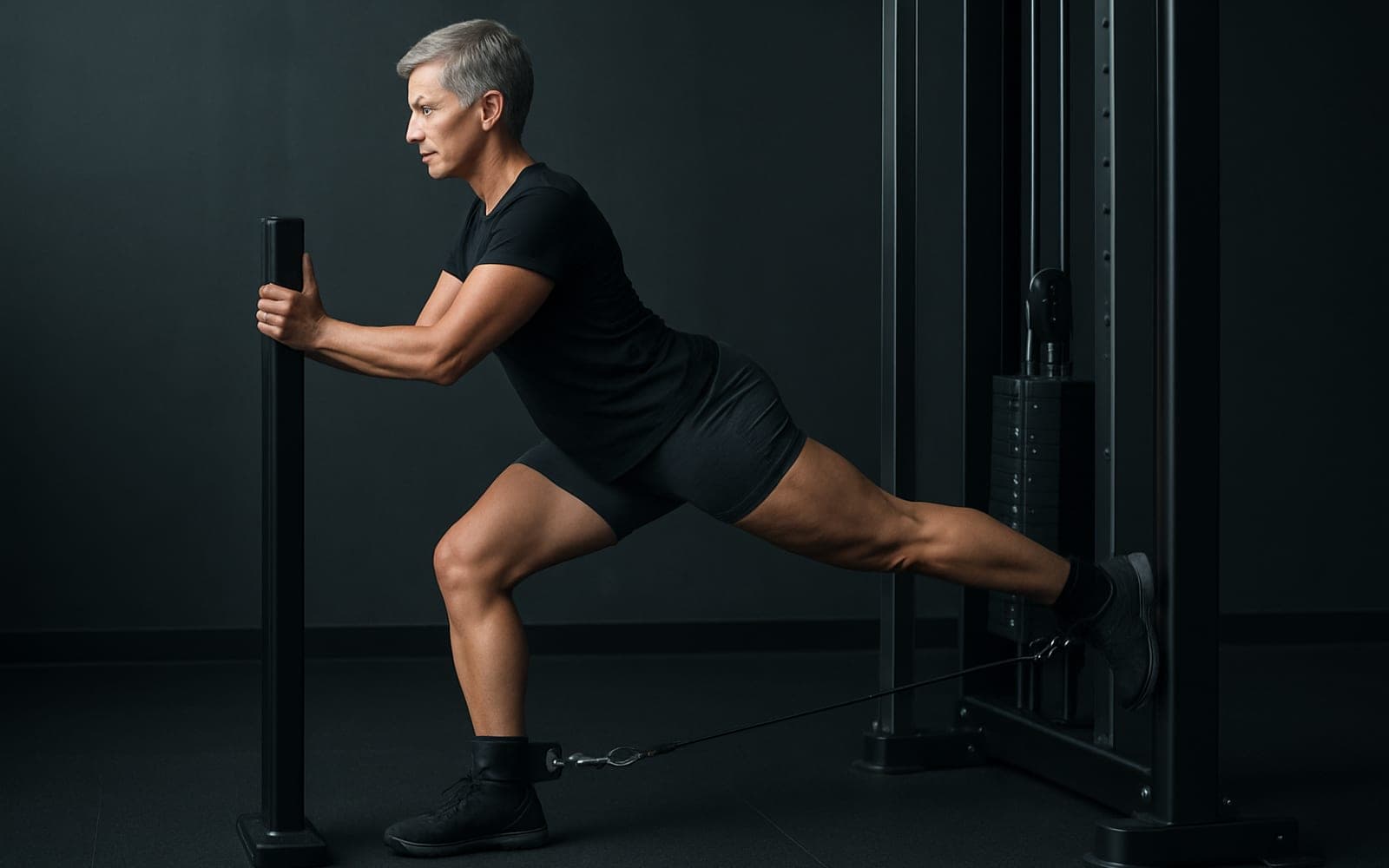
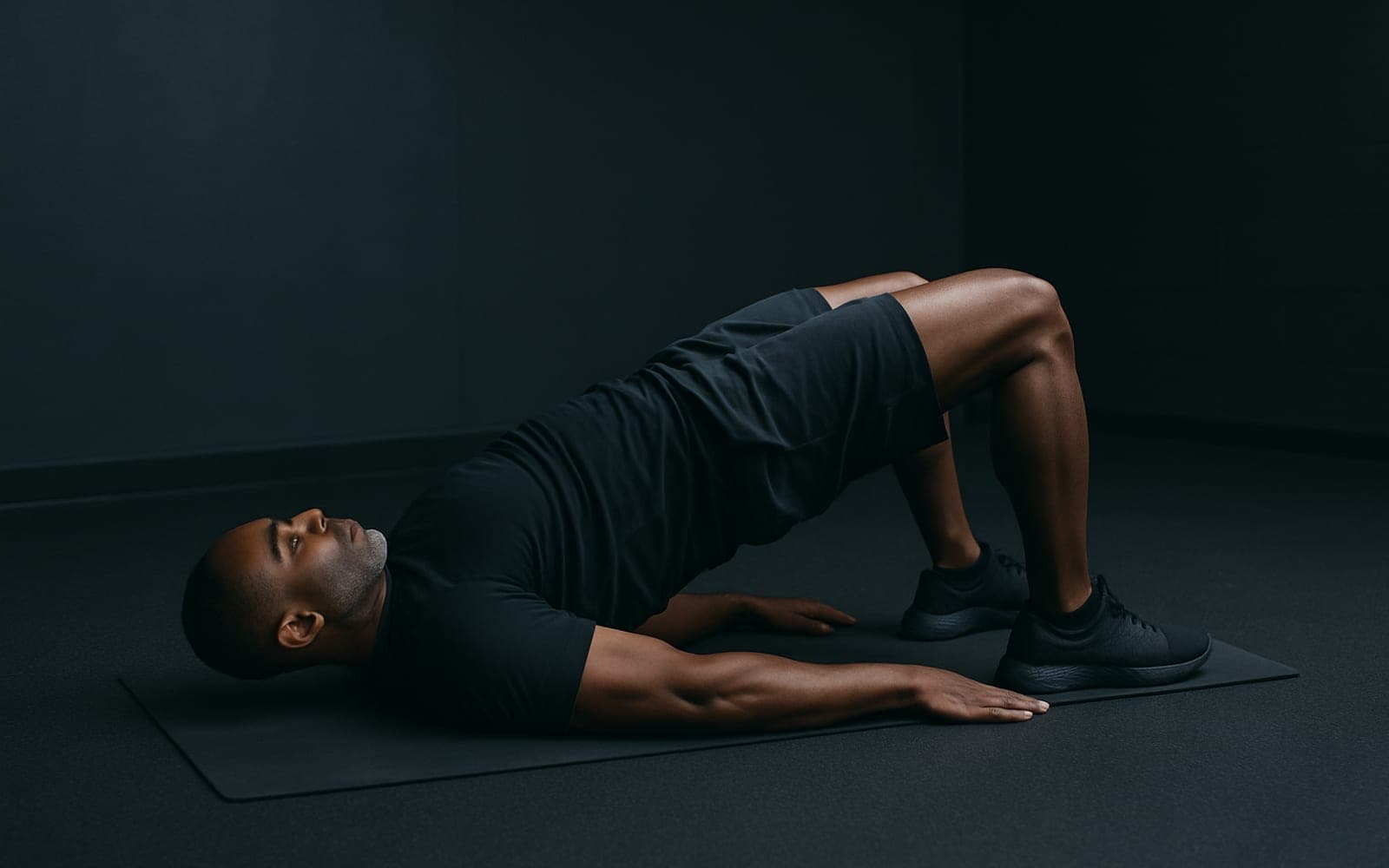
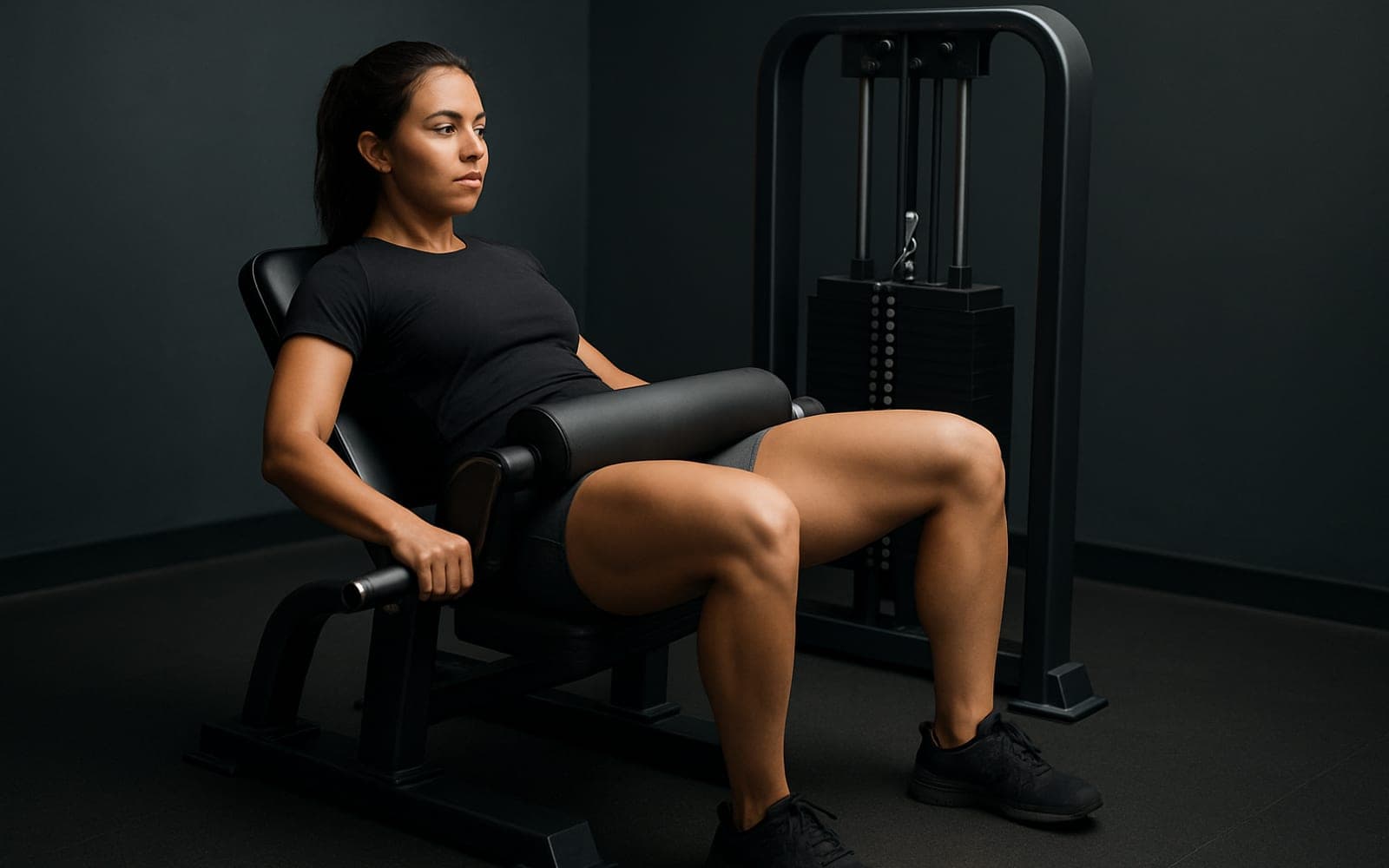
If a machine is busy or unavailable, these train the same pattern a different way.
Your progress over time
What to expect from training this consistently — everyone progresses at their own pace.
- 1
First few sessions
Learn the movement pattern and foot/thigh positioning, feel the outer glutes activate, and build basic neuromuscular control with light resistance and higher reps.
- 2
Weeks 2–4
Improved ability to target the gluteus medius/minimus, increased muscular endurance, and visible reduction in compensatory hip movement during the exercise.
- 3
Months 2–3
Noticeable increases in outer glute firmness and modest size, ability to handle heavier resistance for lower reps, and better lateral hip stability in daily activities and compound lifts.
- 4
Months 4–6
Clear hypertrophy of the outer glutes with improved single‑leg balance and more efficient lateral force transfer during walking, lunging, and side-to-side movements.
- 5
6+ months
Sustained outer glute development and strength that contributes to improved lower-body symmetry and can be maintained or progressed with consistent programming.
Benefits of the hip abduction (outer glute)
Directly targets the gluteus medius and gluteus minimus to build outer glute size and strength.
Improves lateral hip strength and stability, which supports more efficient side-to-side movement and single-leg tasks.
Enhances muscle activation patterns that can contribute to better form in compound lower‑body lifts by providing lateral hip support.
Provides an isolation option for people who need to prioritize outer glute development without heavy spinal loading.
Is a low‑impact exercise suitable for beginners that can be progressed with resistance or tempo changes to continue adaptation.
Exercises that pair with this
Same muscles or the same movement pattern — useful for building the rest of the session.
Hip Abduction (Outer Glute) — questions people ask
What muscles does the hip abduction (outer glute) work?
The hip abduction (outer glute) trains the glutes as the primary target, with the hips working as support. It is a isolation pattern, so it also trains the coordination that pattern needs.
How many sets and reps of the hip abduction (outer glute) should I do?
Three sets of 8–12 reps with about 90 seconds of rest is a reliable default. Increase the weight once the last rep of every set still looks clean.
Is the hip abduction (outer glute) good for beginners?
Yes. The hip abduction (outer glute) is a beginner-friendly movement. Reduce weight and range. If it feels like too much, build the pattern on the glute drive machine first.
What can I do instead of the hip abduction (outer glute)?
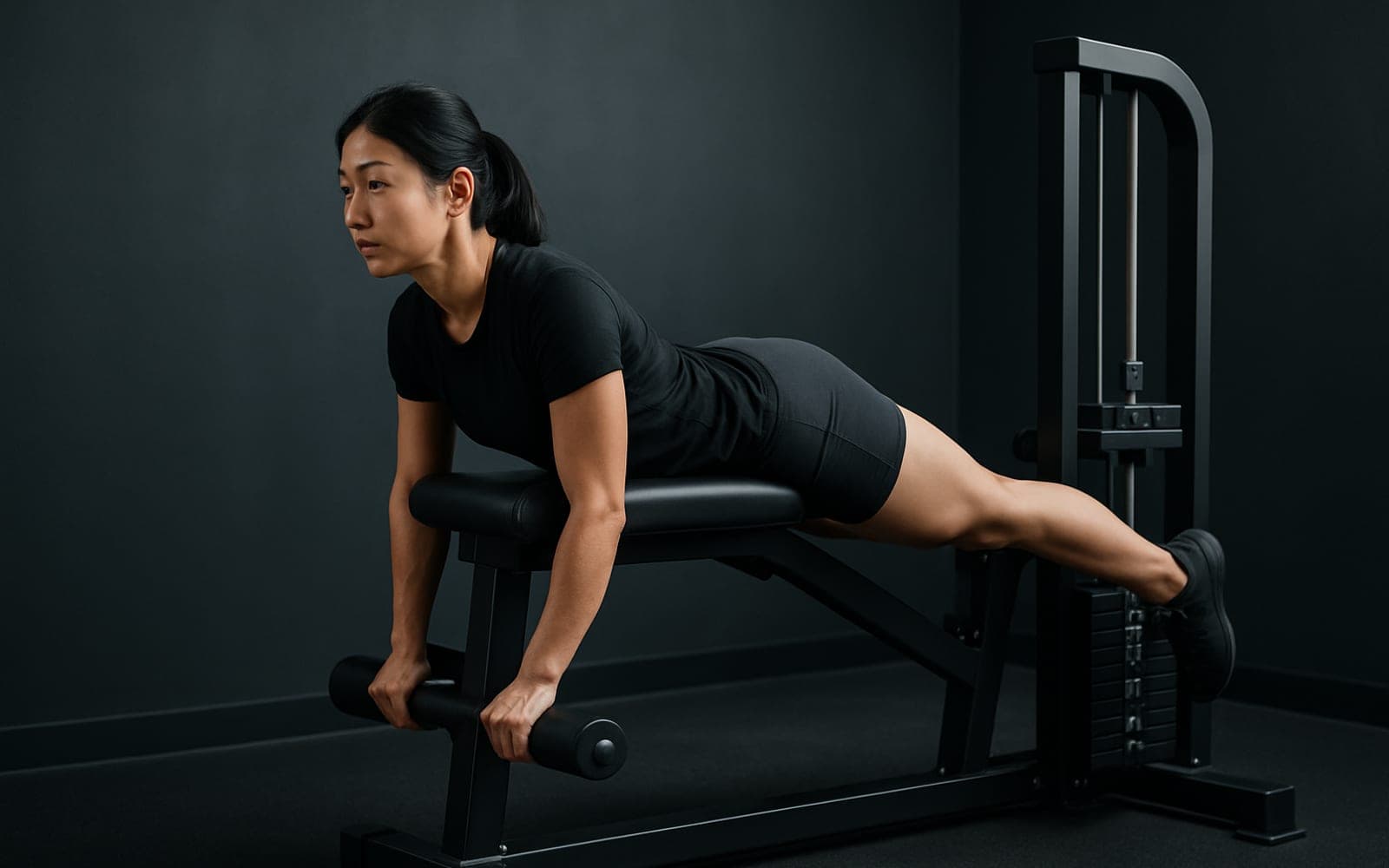
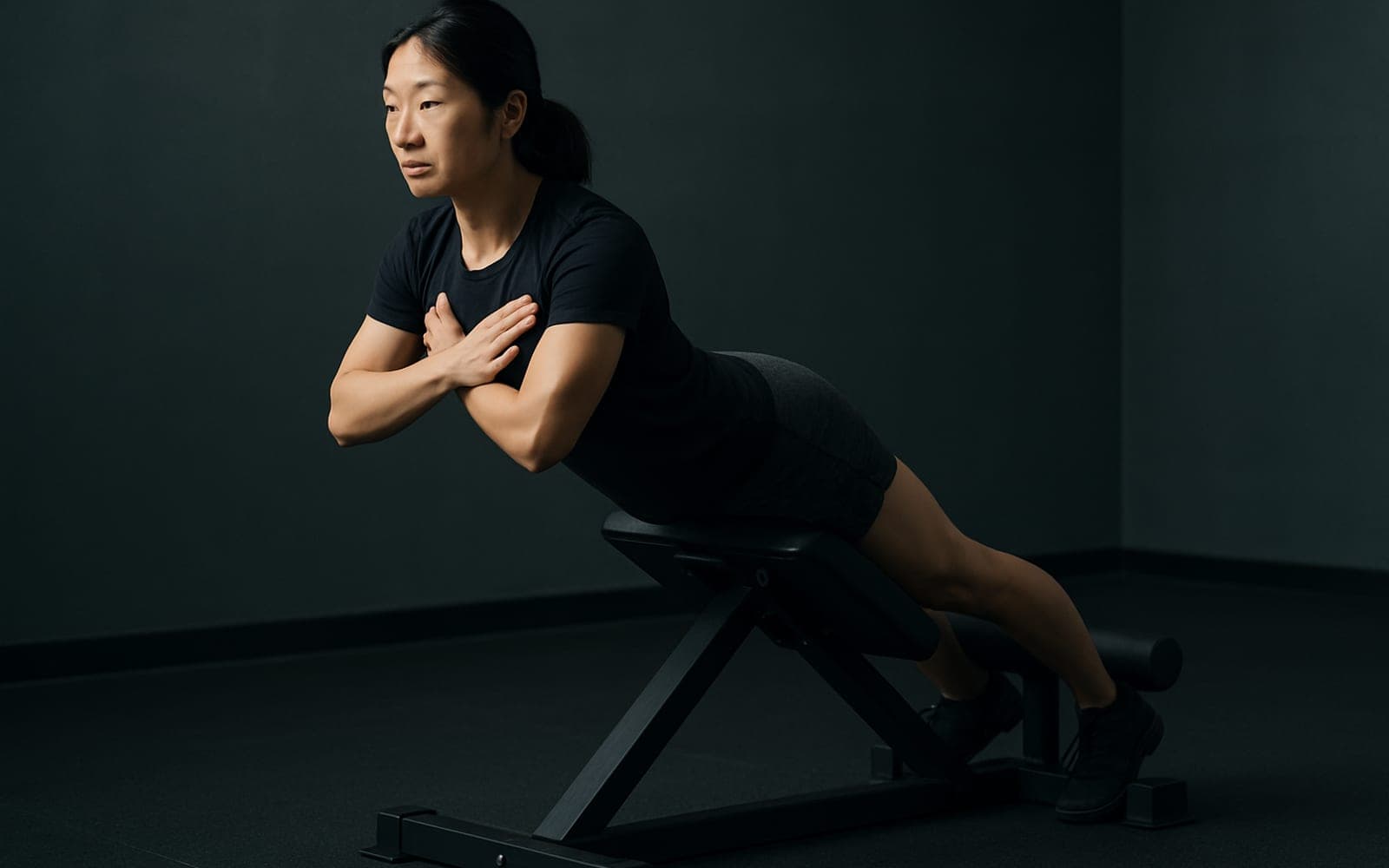
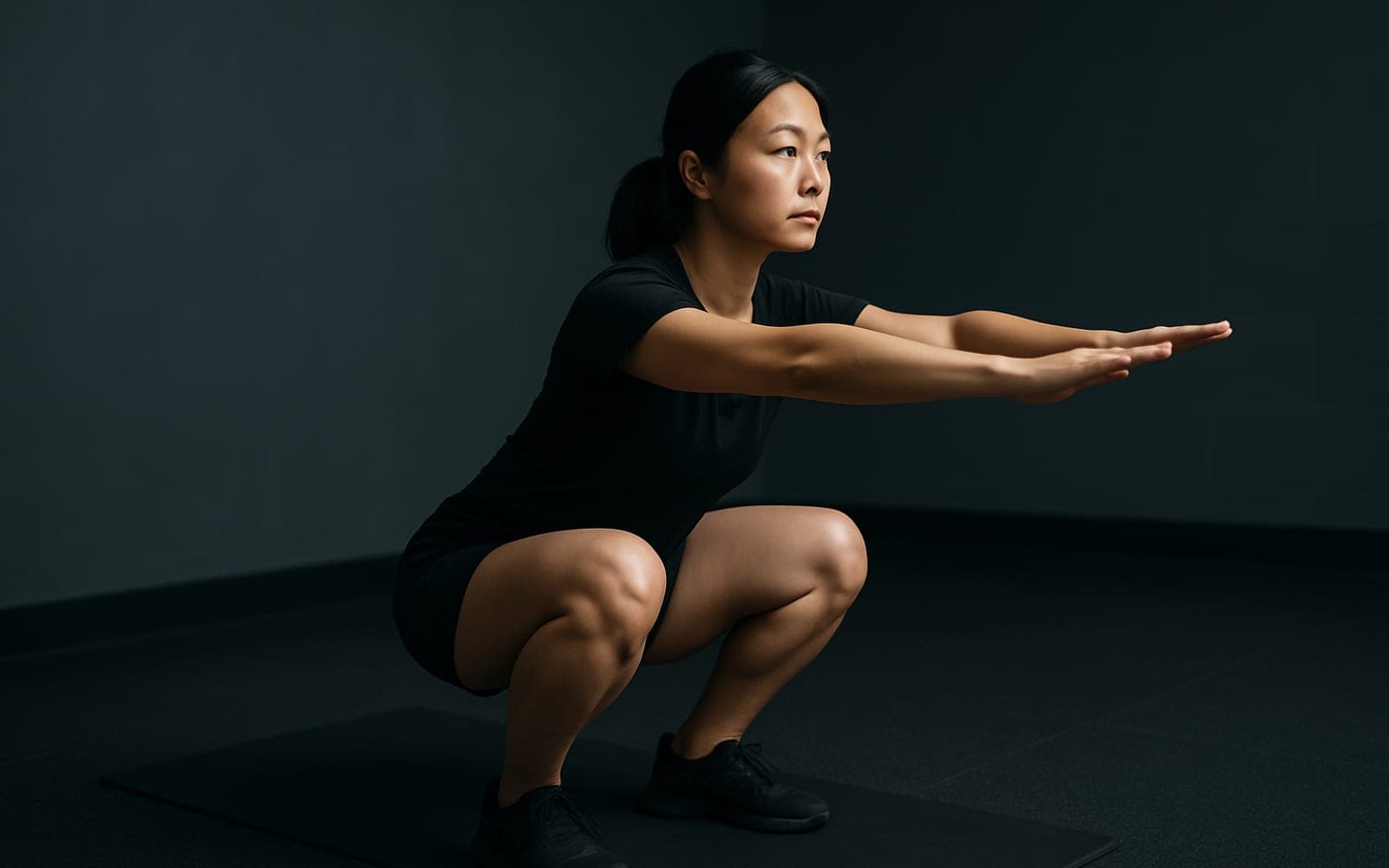
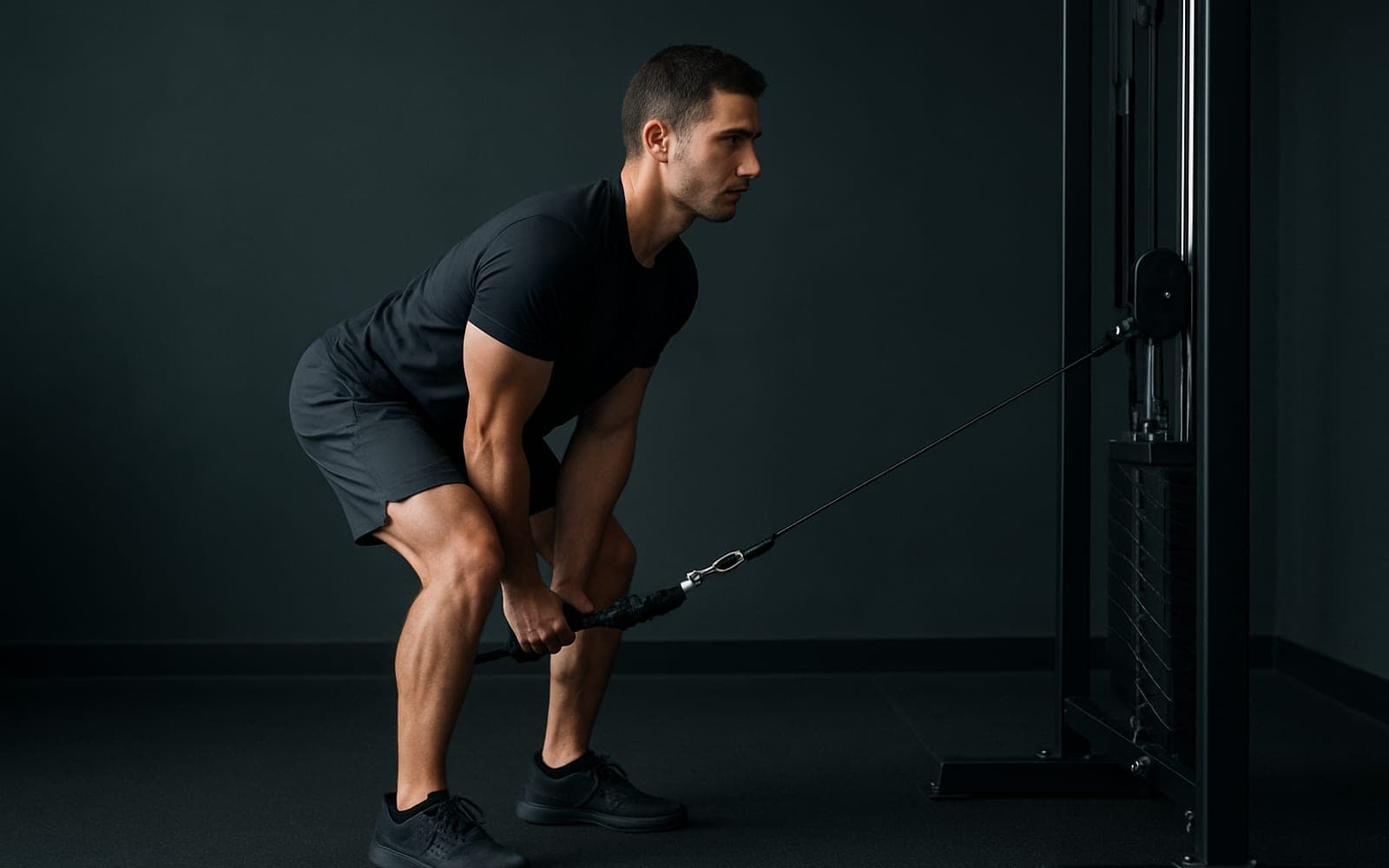
Cable Glute Kickback, Glute Bridge, Glute Drive Machine all train the same isolation pattern with different equipment, so any of them works when the machine is busy or your gym does not have it.
What are the most common hip abduction (outer glute) mistakes?
Leaning back to gain leverage; Bouncing the reps. Press the thighs outward against the pads, squeeze the glutes, then return under control.
Can I do the hip abduction (outer glute) at home?
The hip abduction (outer glute) needs selectorized strength equipment, which most home gyms do not have. The glute bridge trains the same pattern with nothing more than your bodyweight or a band.