Back Extension
Activation
Muscles worked
Movement
Hinge
Beginner · Bodyweight
Primary muscles
Secondary muscles
Movement pattern
Equipment category
How to perform
- 1
Set up
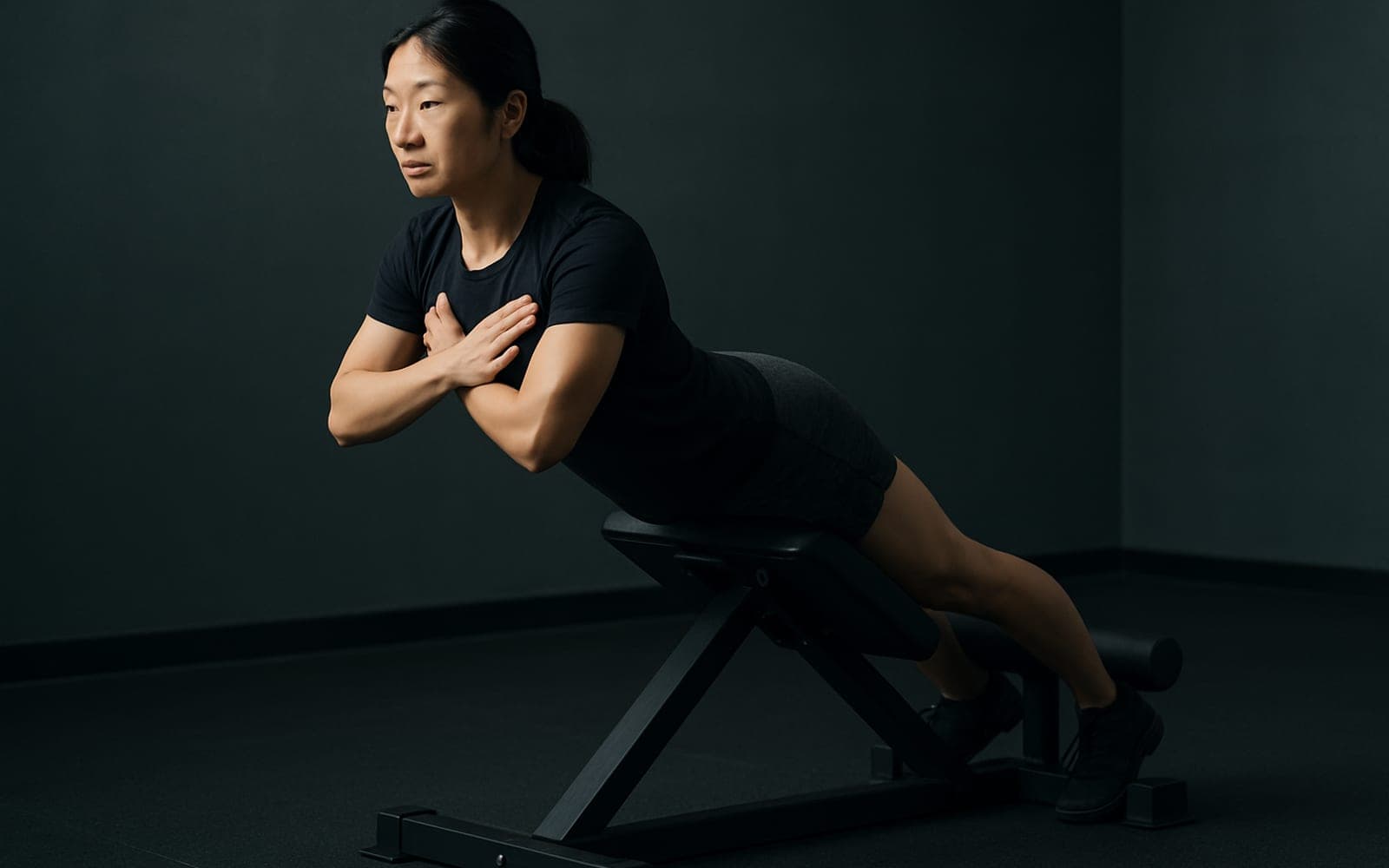
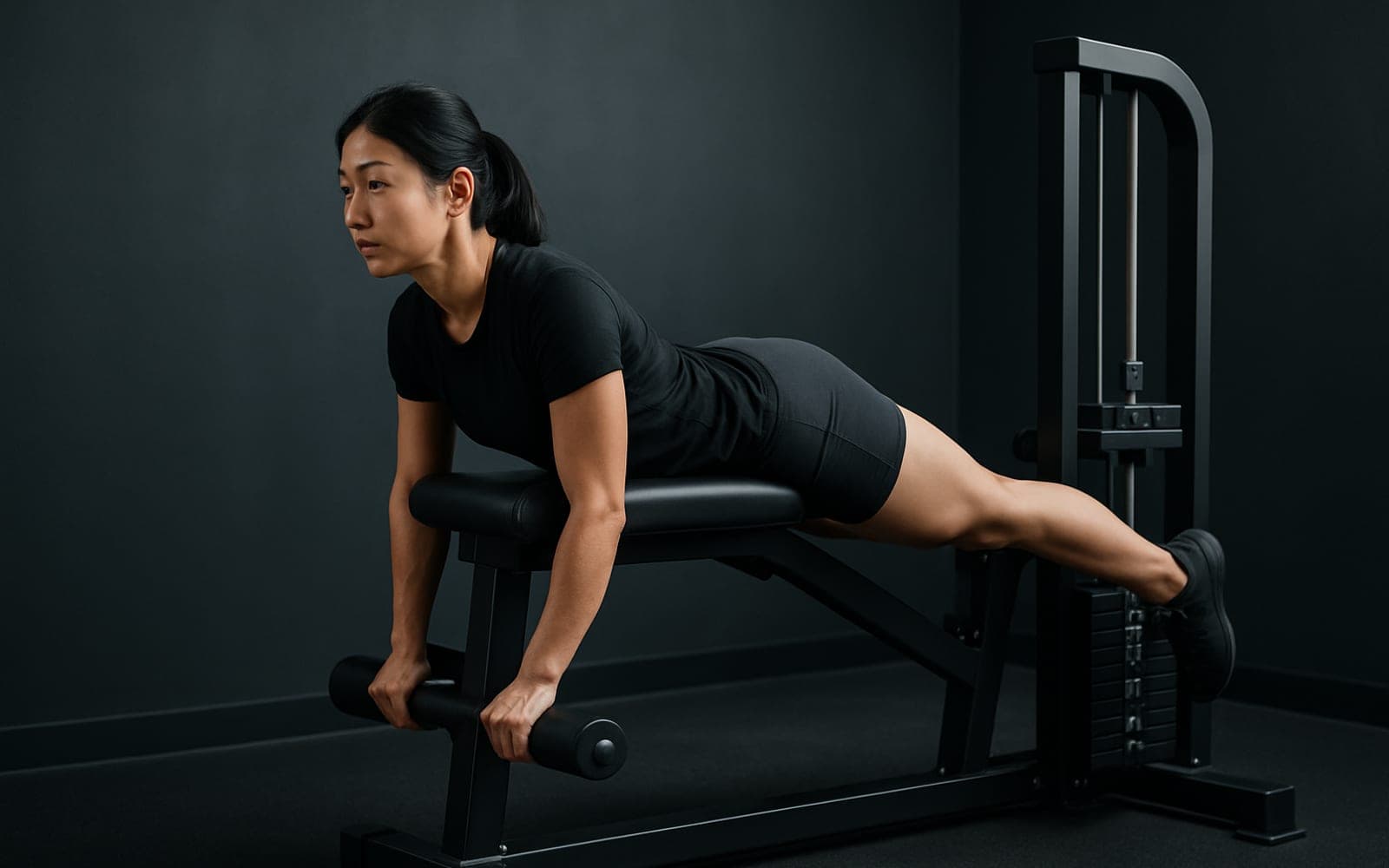
Hips on the pad of a 45° bench, ankles secured.
- 2
Execute the movement
Hinge down, then extend to a straight line — no hyperextension.
Common mistakes
- Cranking into overextension
Make it harder
Make it easier
Substitutions
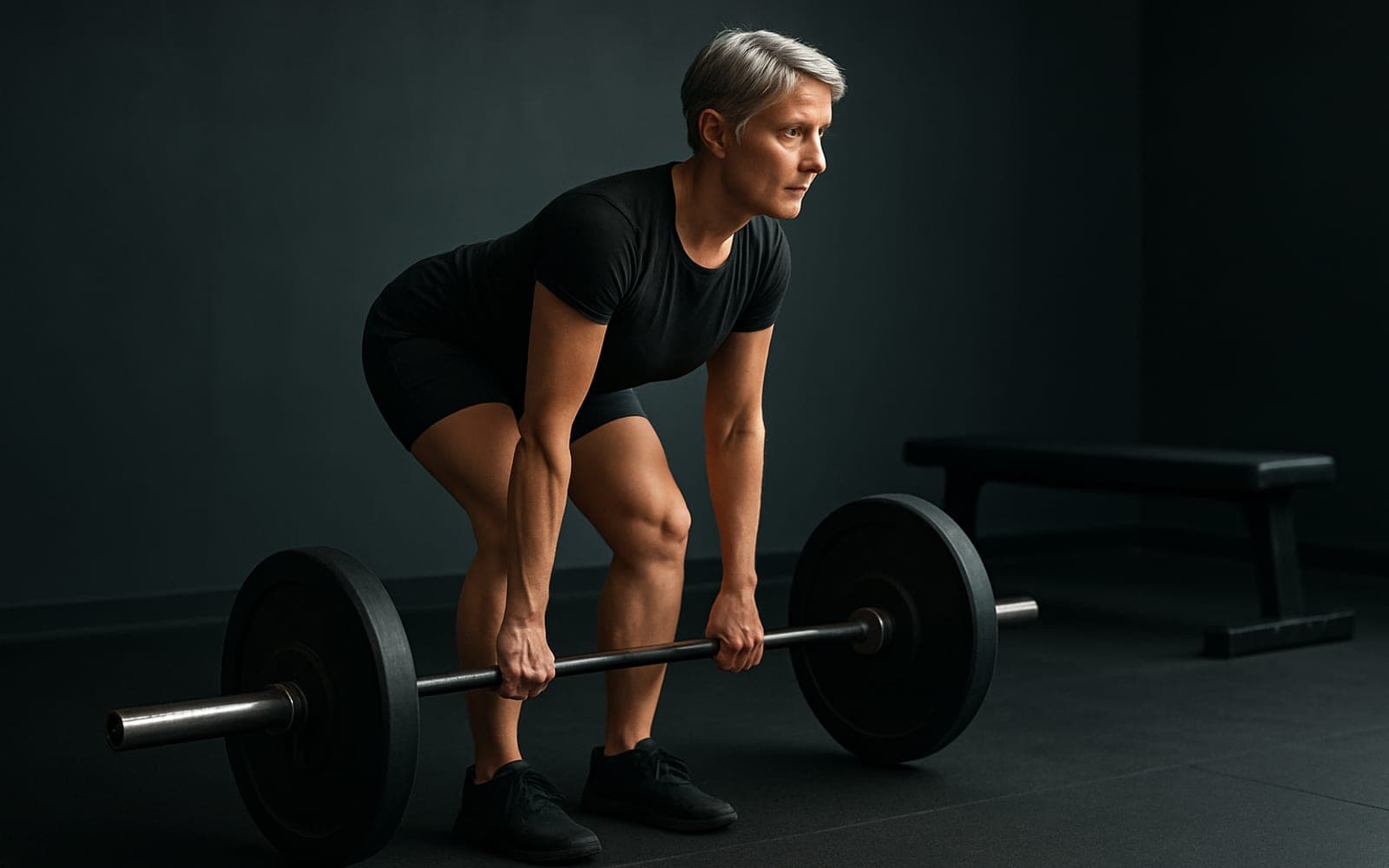
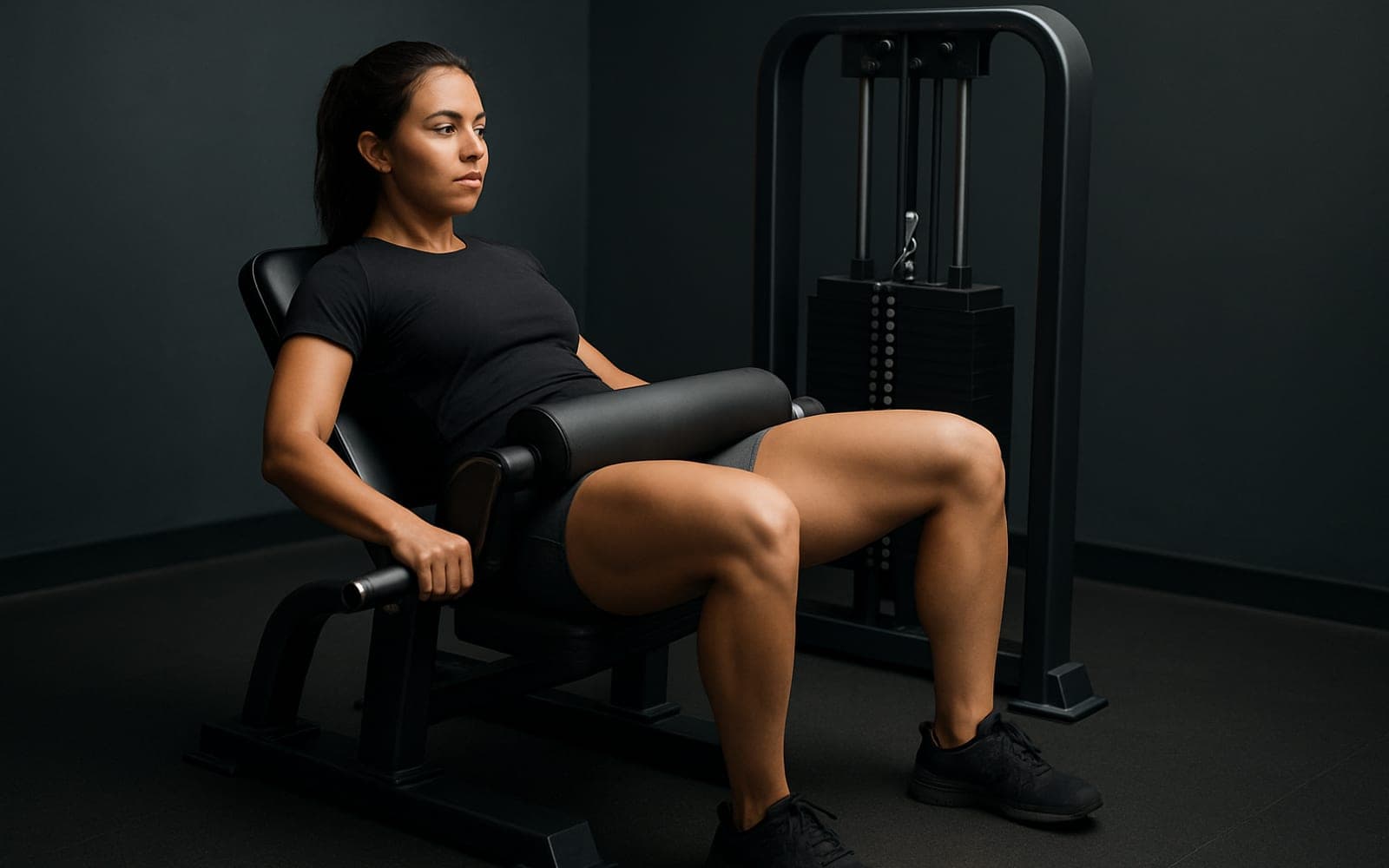
If a machine is busy or unavailable, these train the same pattern a different way.
Your progress over time
What to expect from training this consistently — everyone progresses at their own pace.
- 1
First few sessions
Learn the hip-hinge pattern, learn to control spine through the range, and build initial neuromuscular activation of the spinal erectors and glutes using bodyweight or machine-supported back extensions.
- 2
Weeks 2–4
Increase set volume and confidence in the movement, reduce reliance on momentum, notice improved muscular endurance in the lower back and glutes, and begin modest increases in load or progression (e.g., holding a plate).
- 3
Months 2–3
Develop measurable strength and size in the spinal erectors and glutes, handle heavier resistance for multiple sets, and demonstrate a cleaner, more powerful hinge with less fatigue.
- 4
6+ months
Achieve durable posterior-chain strength and work capacity, comfortably use challenging loads or advanced variations, and gain clear carryover to other lifts and daily tasks that require safe hip-hinge mechanics.
Benefits of the back extension
Directly strengthens the spinal erectors and glutes, the primary muscles responsible for extending the trunk and stabilizing the low back.
Reinforces the hip-hinge movement pattern, improving technique for other lifts like deadlifts and kettlebell swings.
Builds posterior-chain muscle mass and endurance, contributing to a firmer, stronger back and glute appearance over time.
Improves practical function for tasks that require bending and lifting by training control of spinal position and hip extension.
Enhances lower-back and glute work capacity, which can help you perform higher volumes in training with less early fatigue.
Is low-skill and scalable for beginners: progressions and added loading let you safely increase challenge as strength improves.
Exercises that pair with this
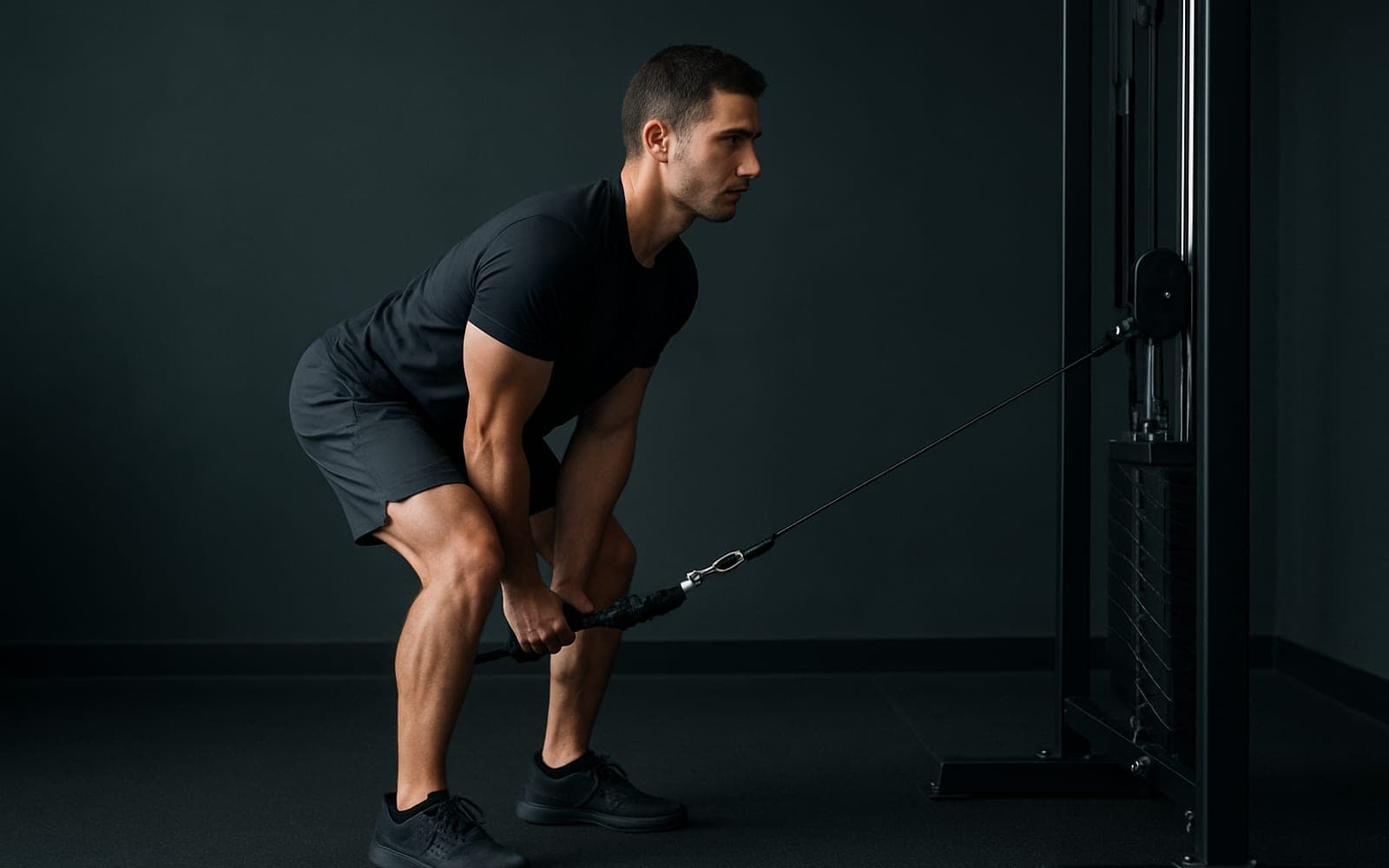
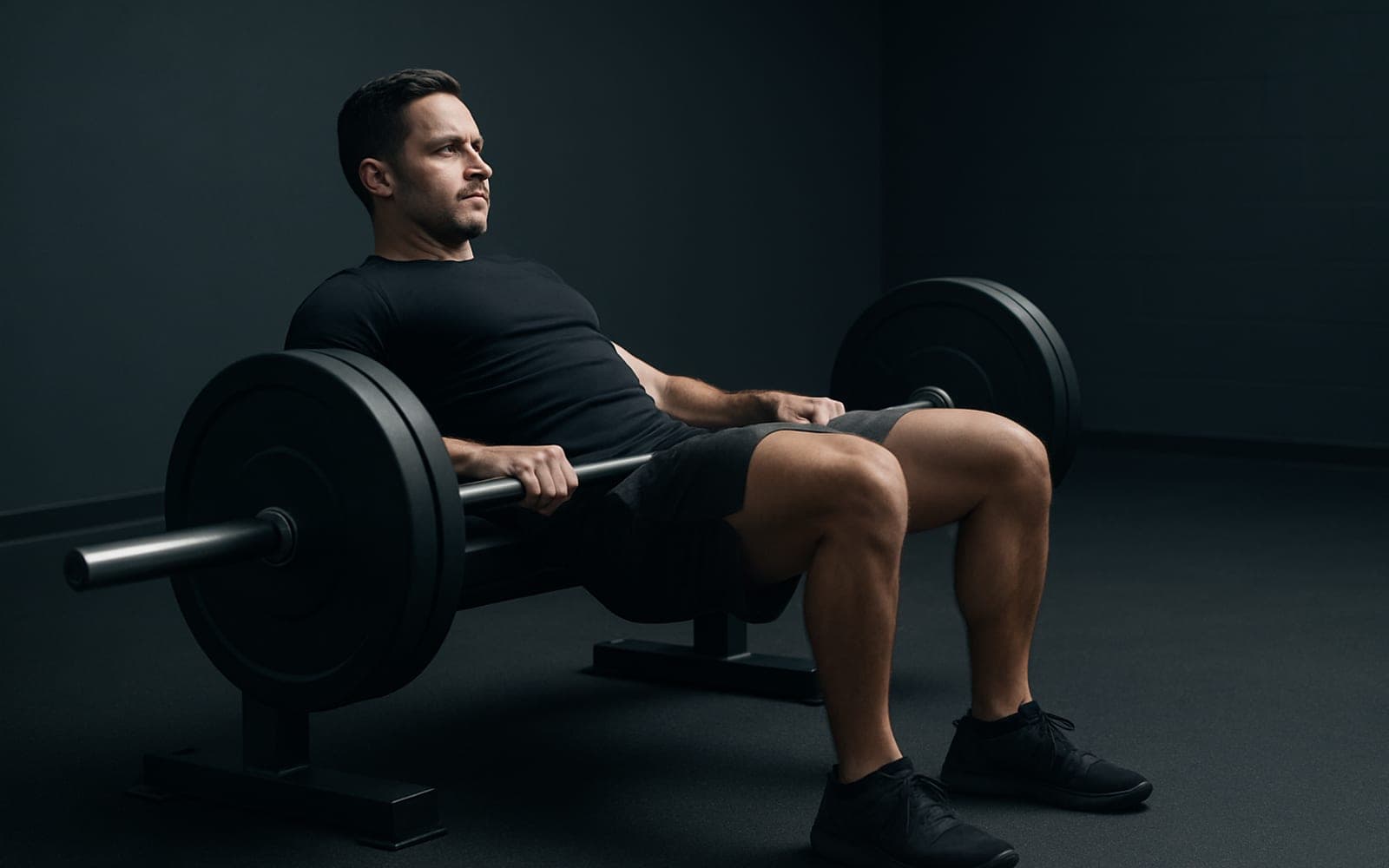
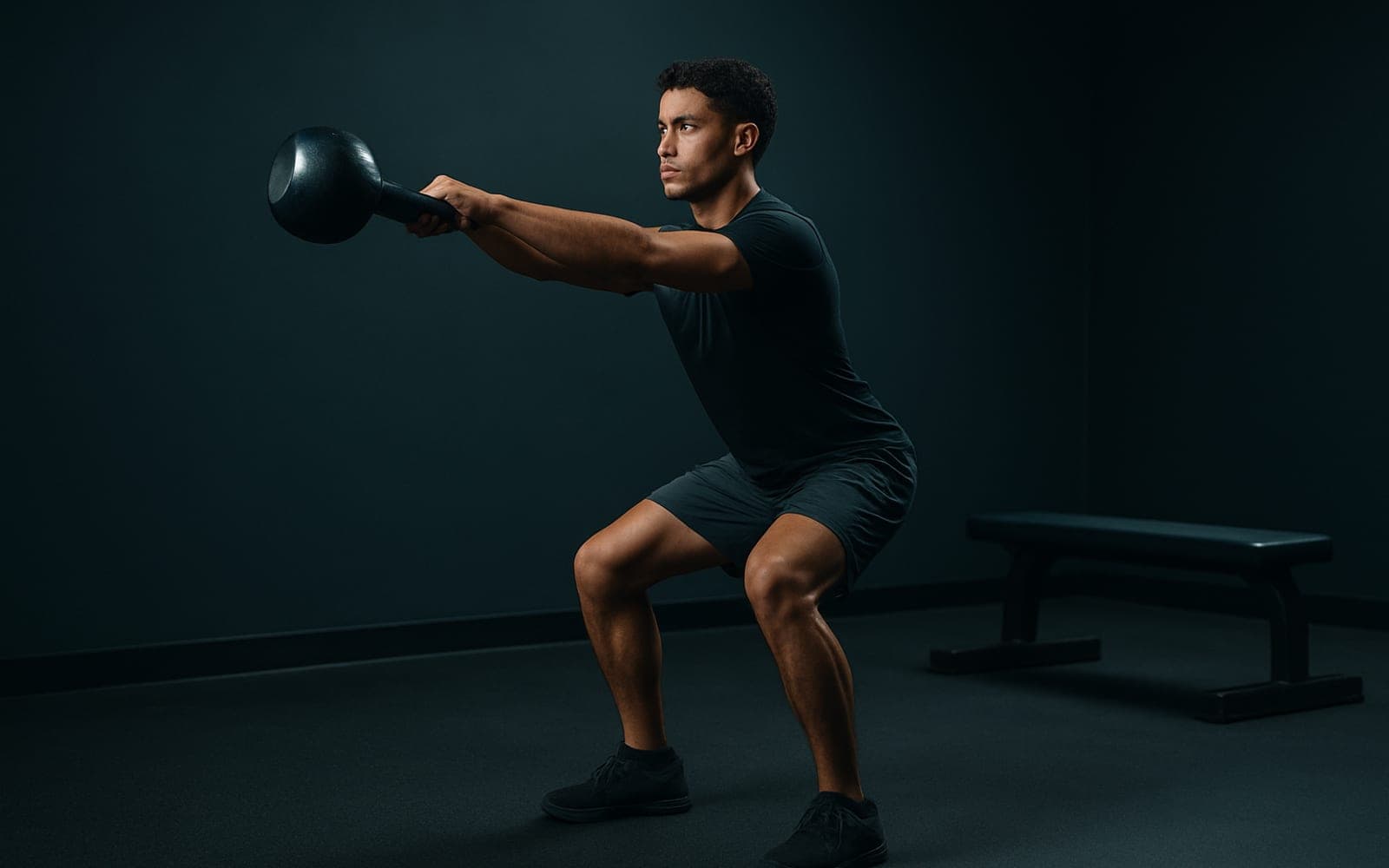
Same muscles or the same movement pattern — useful for building the rest of the session.

Back Extension — questions people ask
What muscles does the back extension work?
The back extension trains the spinal erectors and glutes as the primary target, with the hamstrings working as support. It is a hinge pattern, so it also trains the coordination that pattern needs.
How many sets and reps of the back extension should I do?
Three sets of 8–12 reps with about 90 seconds of rest is a reliable default. Increase the weight once the last rep of every set still looks clean.
Is the back extension good for beginners?
Yes. The back extension is a beginner-friendly movement. Bodyweight, partial range. If it feels like too much, build the pattern on the glute drive machine first.
What can I do instead of the back extension?
Romanian Deadlift, Glute Drive Machine all train the same hinge pattern with different equipment, so any of them works when the machine is busy or your gym does not have it.
What are the most common back extension mistakes?
Cranking into overextension. Hinge down, then extend to a straight line — no hyperextension.