Glute Drive Machine
Activation
Muscles worked
Movement
Hinge
Beginner · Selectorized Strength
Primary muscles
Secondary muscles
Movement pattern
Equipment category
How to perform
- 1
Set up
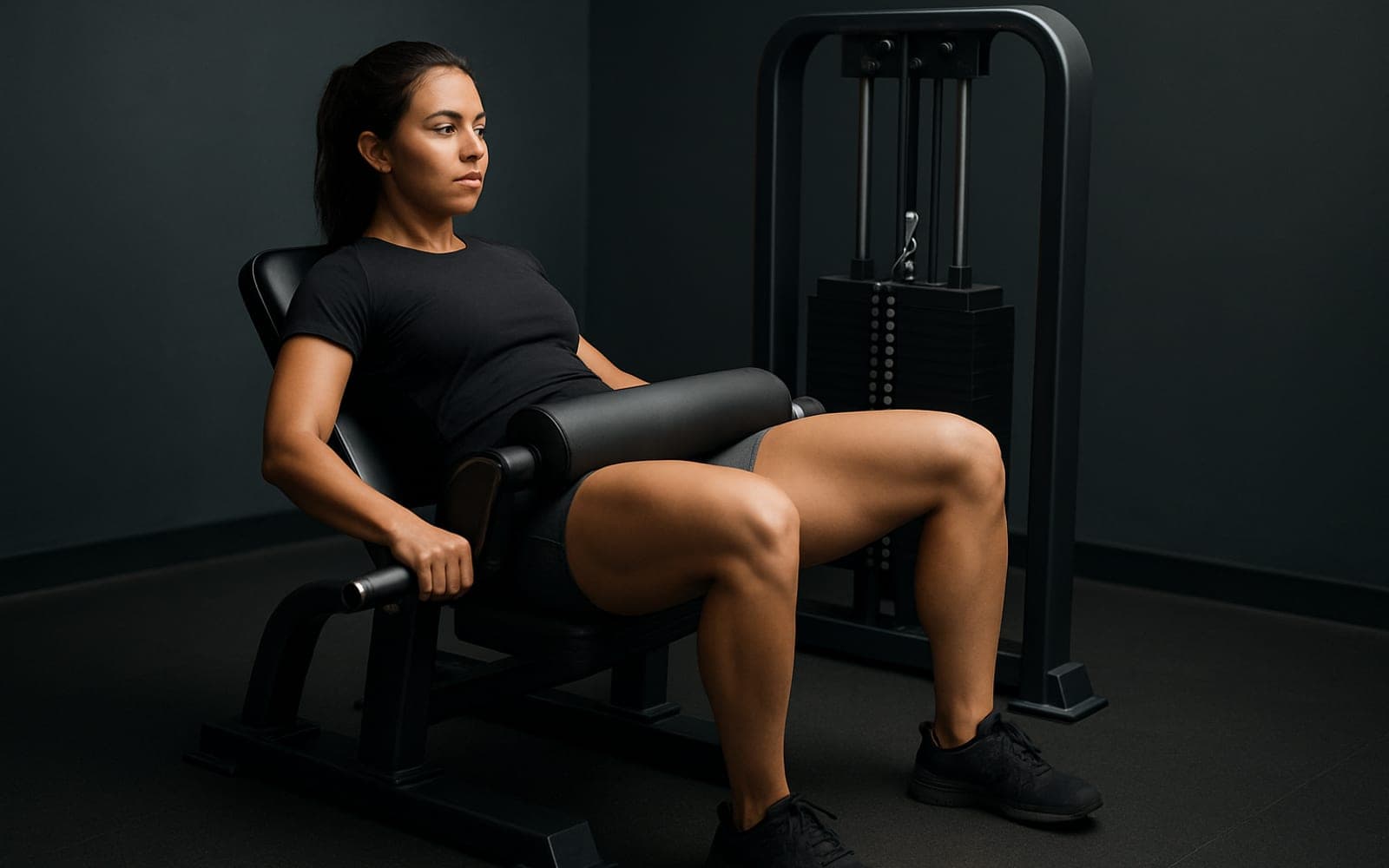
Seat and pad set so the hips extend fully at the top.
- 2
Execute the movement
Drive through the hips, squeeze, return under control.
Common mistakes
- Using the lower back
Make it harder
Make it easier
Accessibility
Substitutions
If a machine is busy or unavailable, these train the same pattern a different way.
Your progress over time
What to expect from training this consistently — everyone progresses at their own pace.
- 1
First few sessions
Learn proper setup and hip-hinge pattern, establish foot placement and brace, and perform controlled reps with light loads while focusing on driving through the hips and squeezing the glutes.
- 2
Weeks 2–6
Improved motor control and mind–muscle connection with increased volume tolerance; able to use moderate loads for cleaner reps and feel greater glute activation.
- 3
Months 2–4
Noticeable increases in glute muscularity and hip extension strength as you progressively add load and reps; sets become more efficient and fatigue management improves.
- 4
Months 4–6
Consistent hypertrophy and strength gains allow heavier loading and improved single-set intensity; transfer to better performance in other hinge movements (deadlift, kettlebell swing) and daily activities that require hip extension.
- 5
6+ months
Sustained muscle growth and stronger, more durable hips with the ability to periodize training (strength, size, endurance) on the machine while maintaining solid technique under heavier loads.
Benefits of the glute drive machine
Directly targets the gluteus maximus for effective hip extension and hypertrophy.
Reinforces the hip-hinge pattern, improving strength and coordination in posterior-chain movements.
Places secondary emphasis on the hamstrings, contributing to balanced posterior-chain development.
Allows controlled, repeatable loading that’s beginner-friendly and easy to progressively overload for muscle growth.
Can improve performance in real-world tasks that require powerful hip drive, such as standing up from low positions and lifting objects safely.
Provides a low-skill option to build glute strength and muscular endurance that complements general fitness goals.
Exercises that pair with this
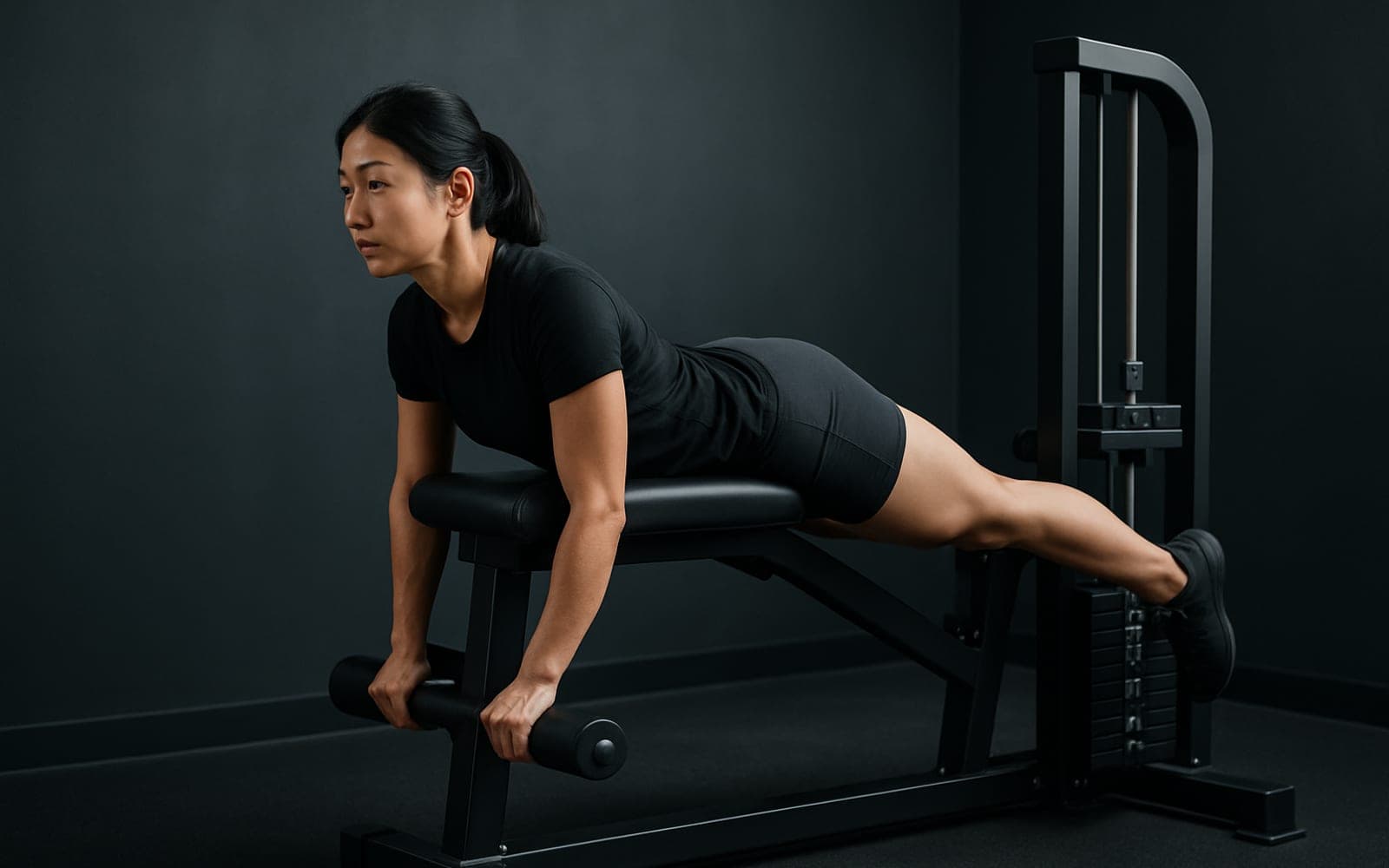
Same muscles or the same movement pattern — useful for building the rest of the session.
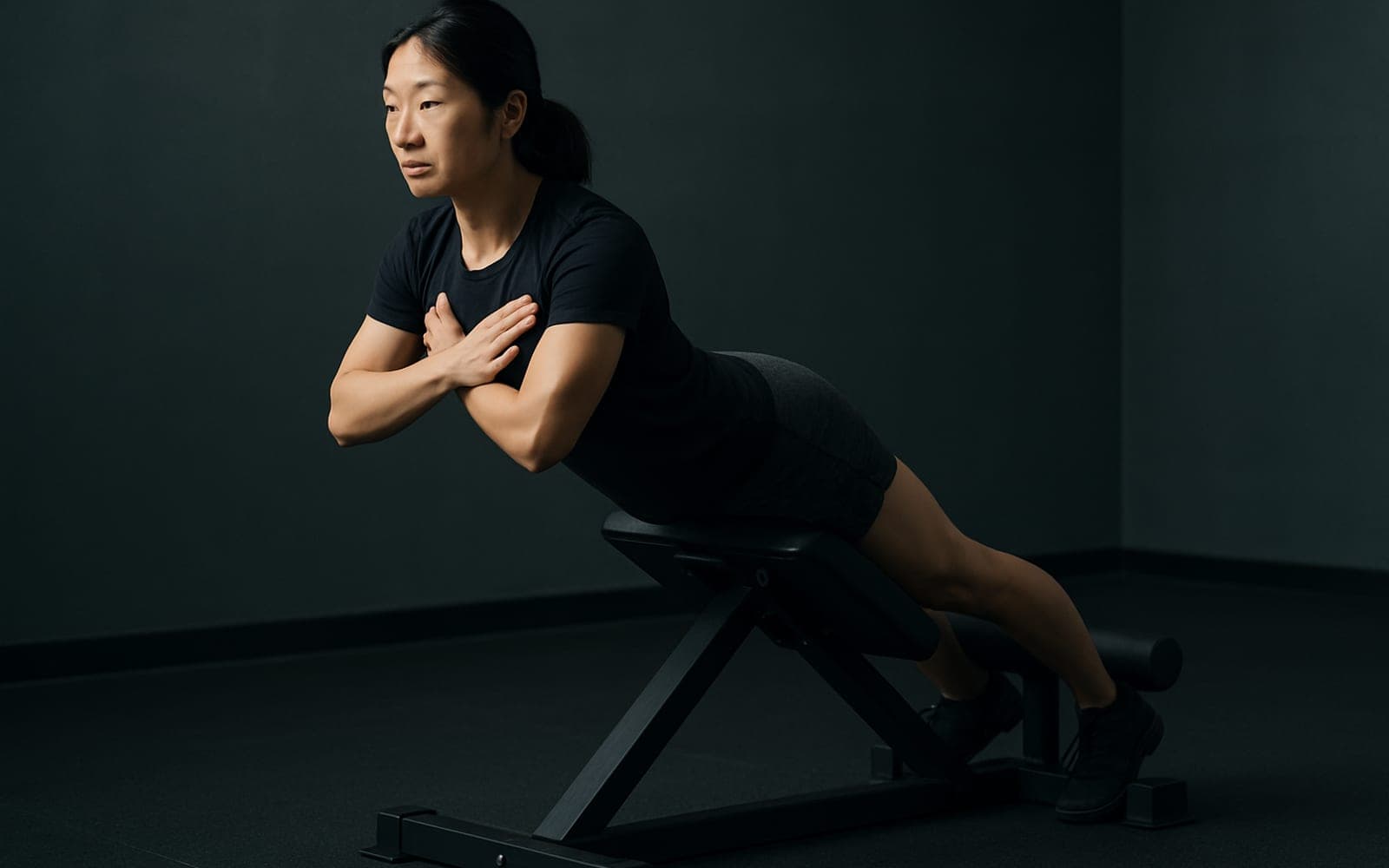
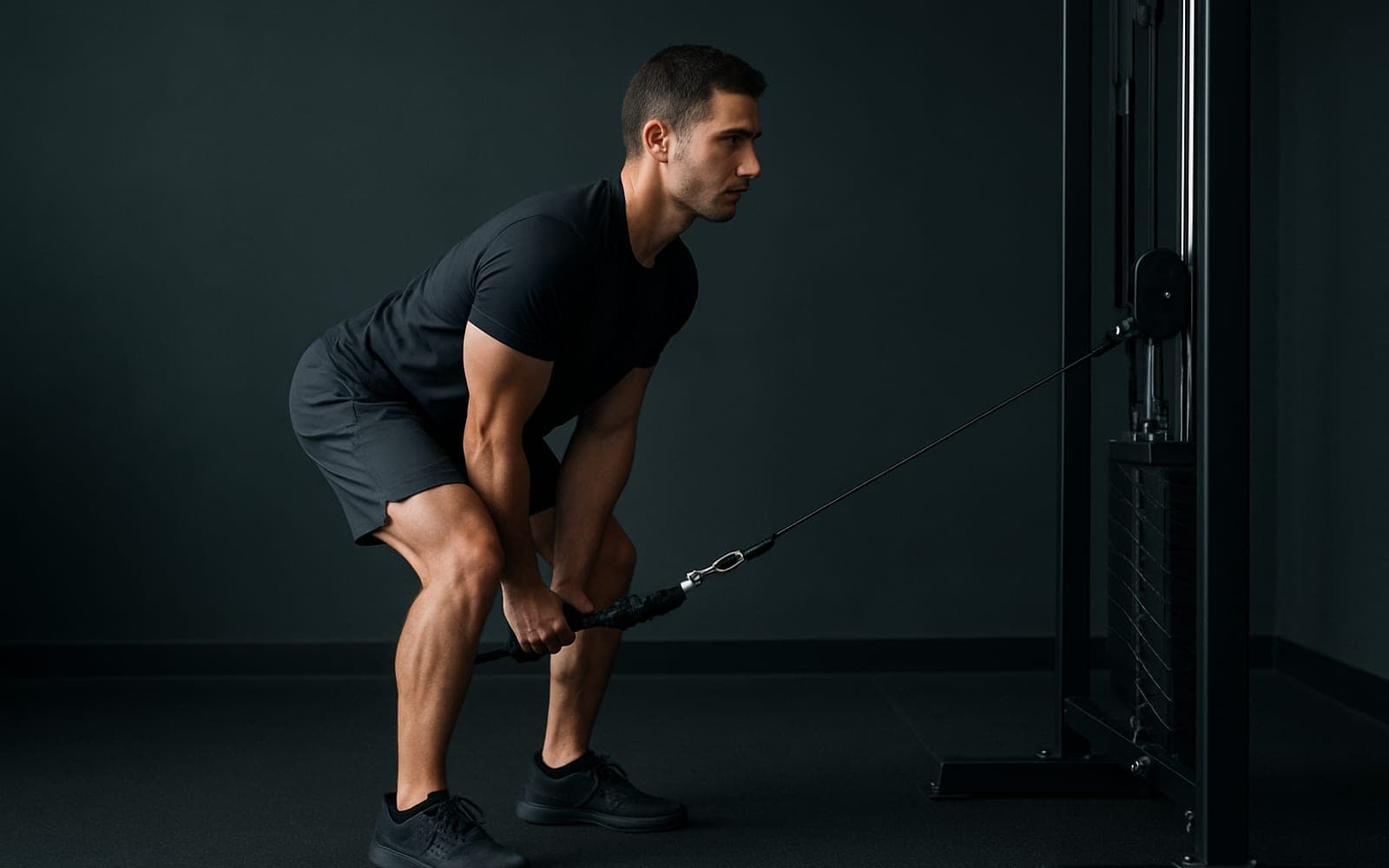
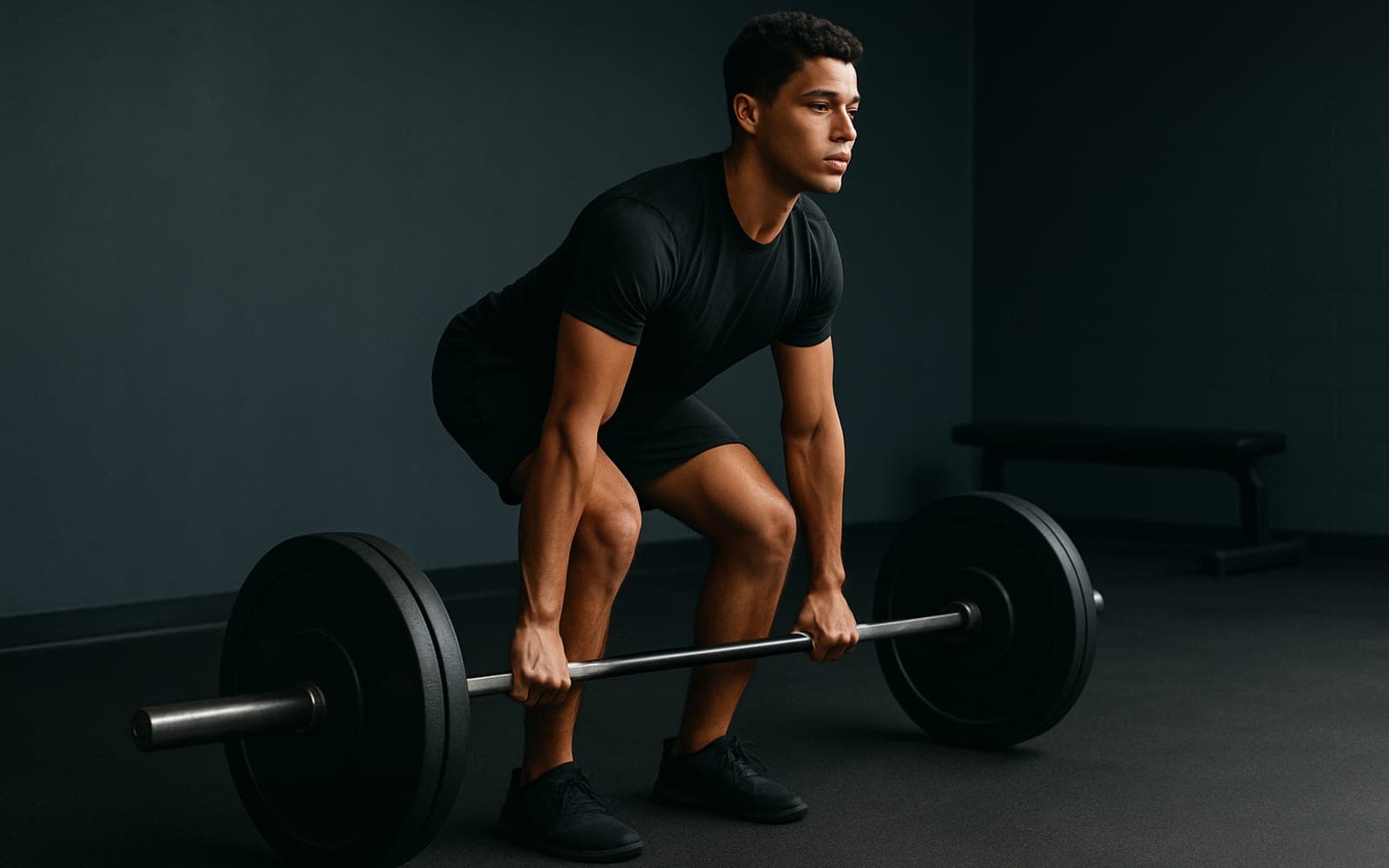
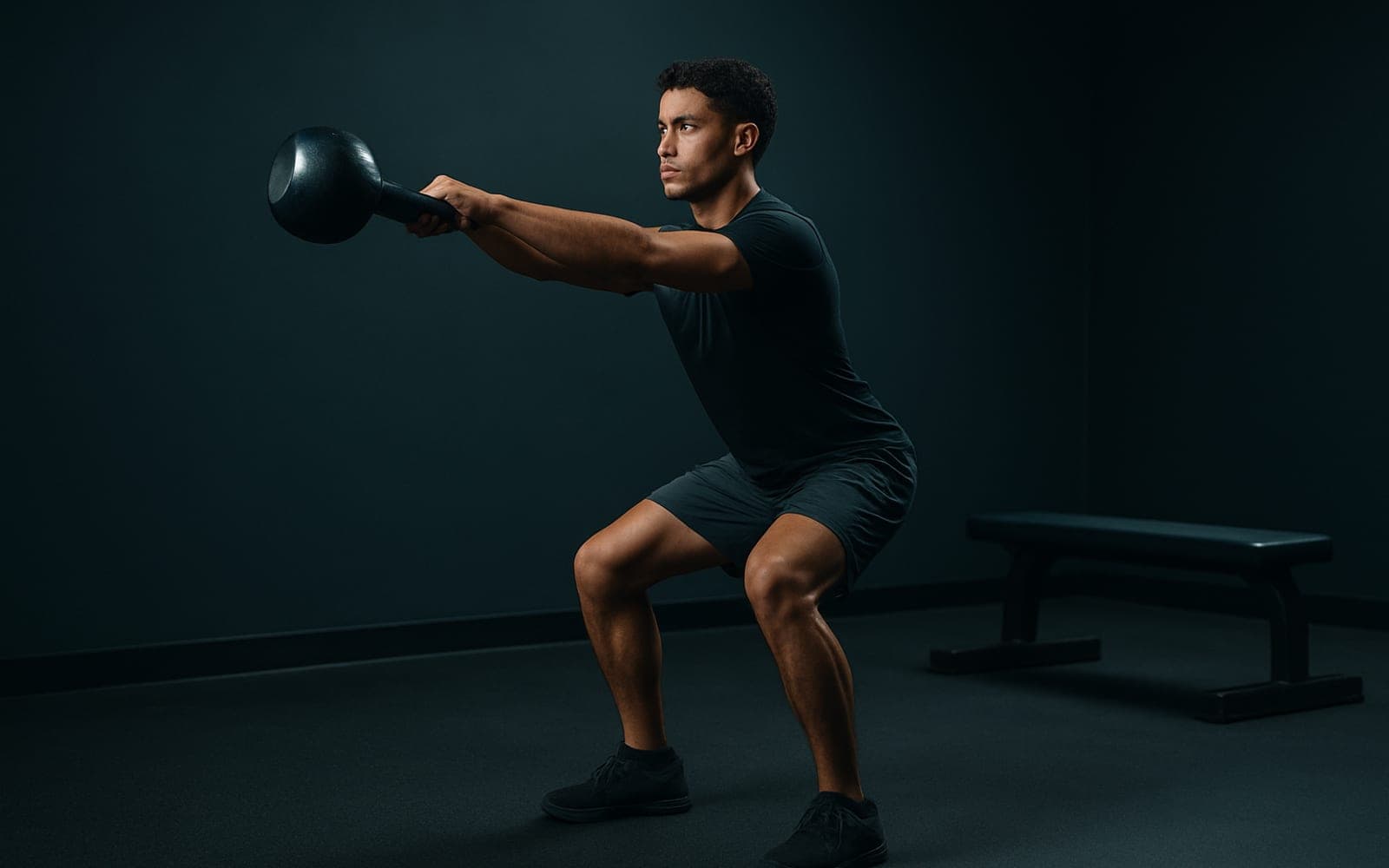
Glute Drive Machine — questions people ask
What muscles does the glute drive machine work?
The glute drive machine trains the glutes as the primary target, with the hamstrings working as support. It is a hinge pattern, so it also trains the coordination that pattern needs.
How many sets and reps of the glute drive machine should I do?
Three sets of 8–12 reps with about 90 seconds of rest is a reliable default. Increase the weight once the last rep of every set still looks clean.
Is the glute drive machine good for beginners?
Yes. The glute drive machine is a beginner-friendly movement. Reduce weight. If it feels like too much, build the pattern on the glute bridge first.
What can I do instead of the glute drive machine?
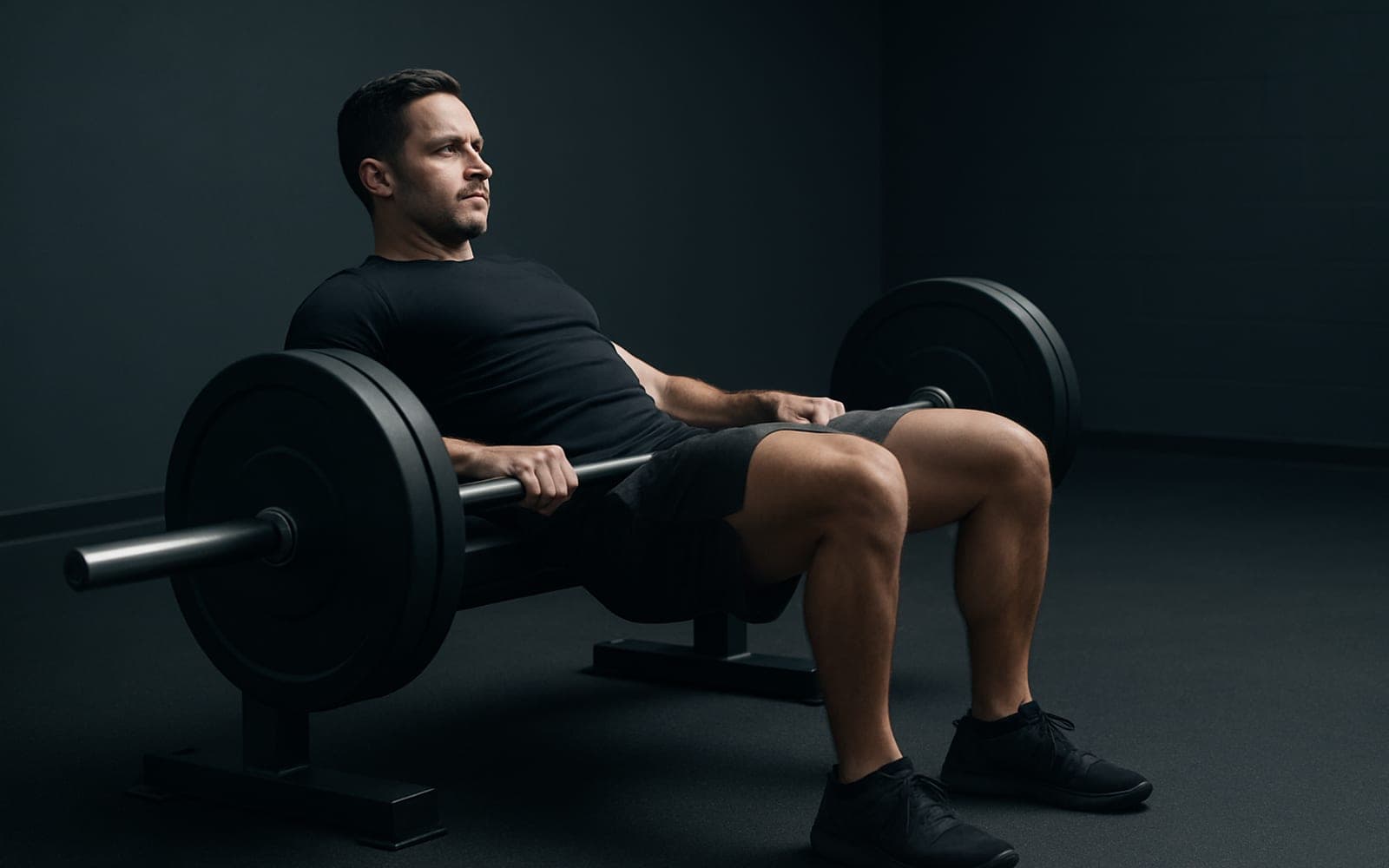
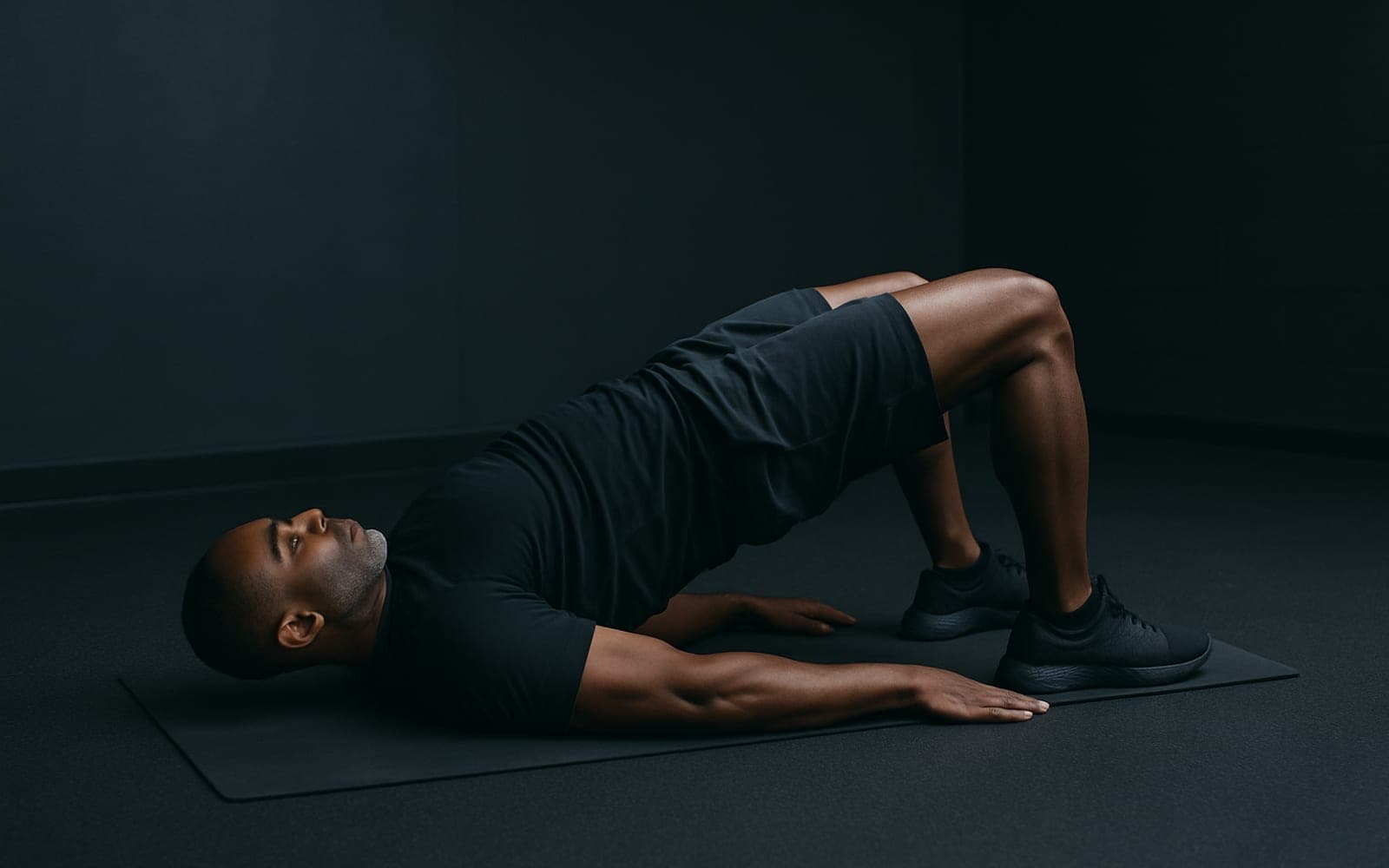
Hip Thrust, Glute Bridge all train the same hinge pattern with different equipment, so any of them works when the machine is busy or your gym does not have it.
What are the most common glute drive machine mistakes?
Using the lower back. Drive through the hips, squeeze, return under control.
Can I do the glute drive machine at home?
The glute drive machine needs selectorized strength equipment, which most home gyms do not have. The glute bridge trains the same pattern with nothing more than your bodyweight or a band.