Romanian Deadlift
Activation
Muscles worked
Movement
Hinge
Intermediate · Free Weights
Primary muscles
Secondary muscles
Movement pattern
Equipment category
How to perform
- 1
Set up
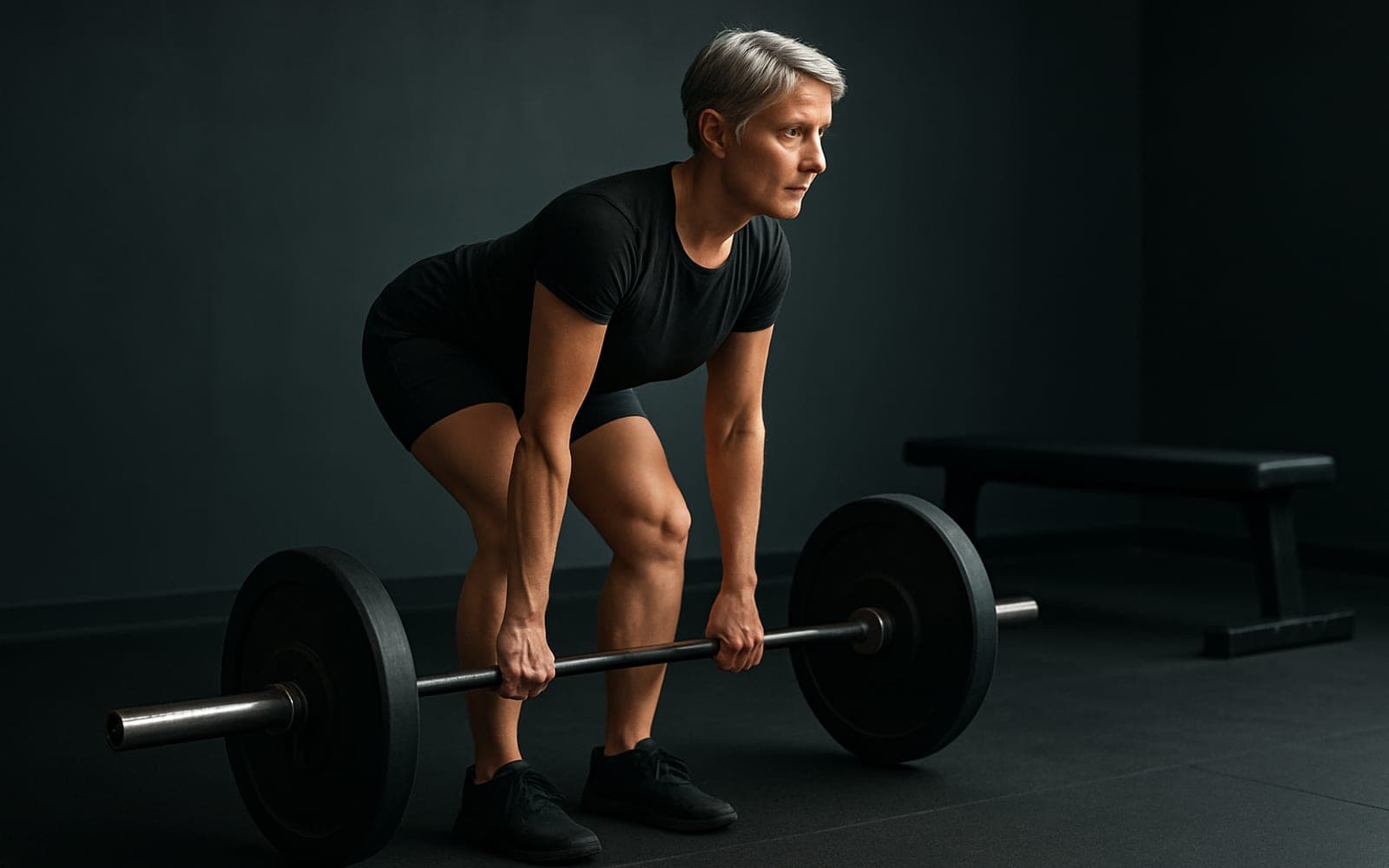
Stand tall with a barbell or dumbbells at the thighs.
- 2
Execute the movement
Push the hips back, lower the weight along the legs to a hamstring stretch, drive the hips forward to stand.
Common mistakes
- Squatting instead of hinging
- Rounding
Make it harder
Make it easier
Substitutions
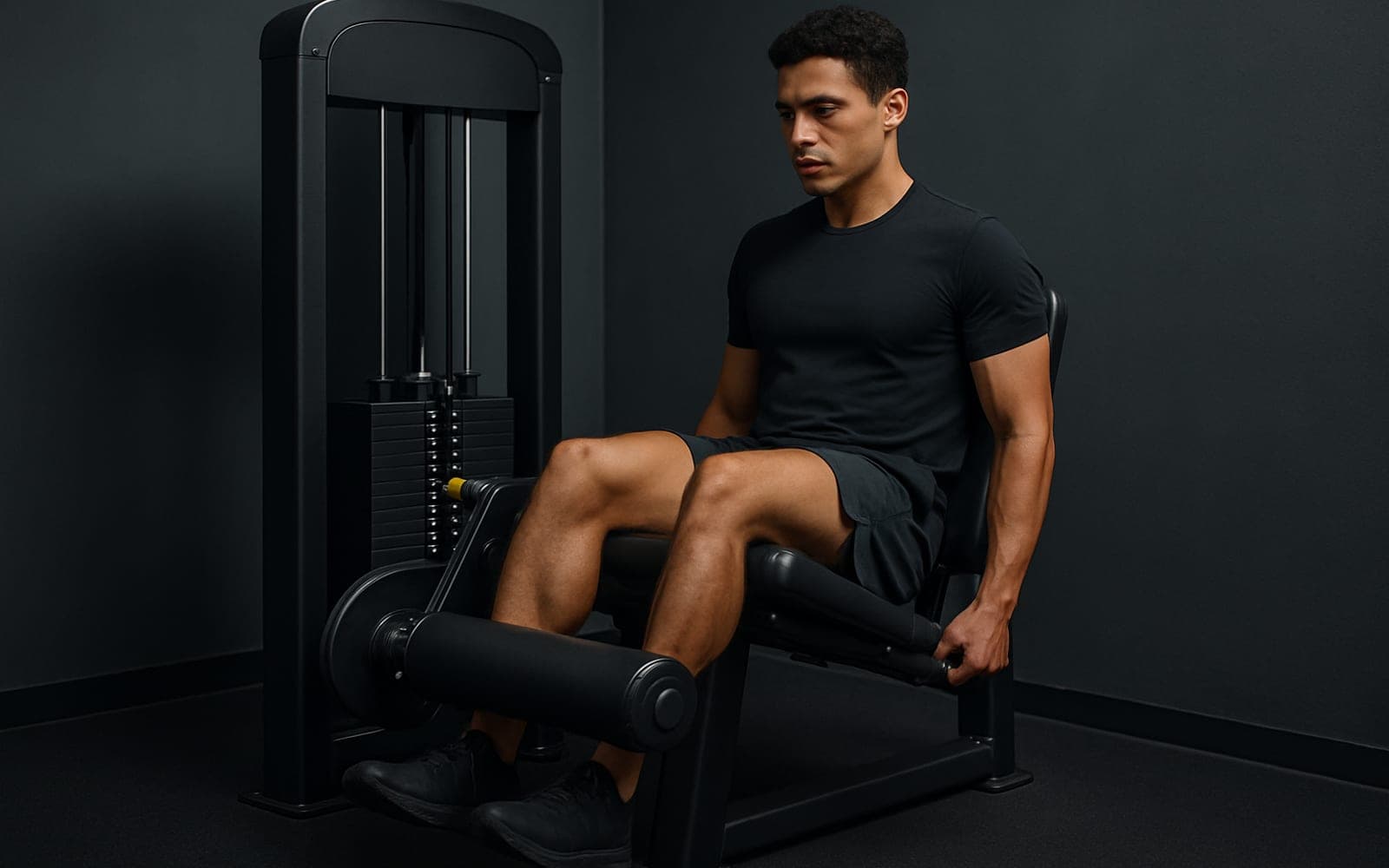
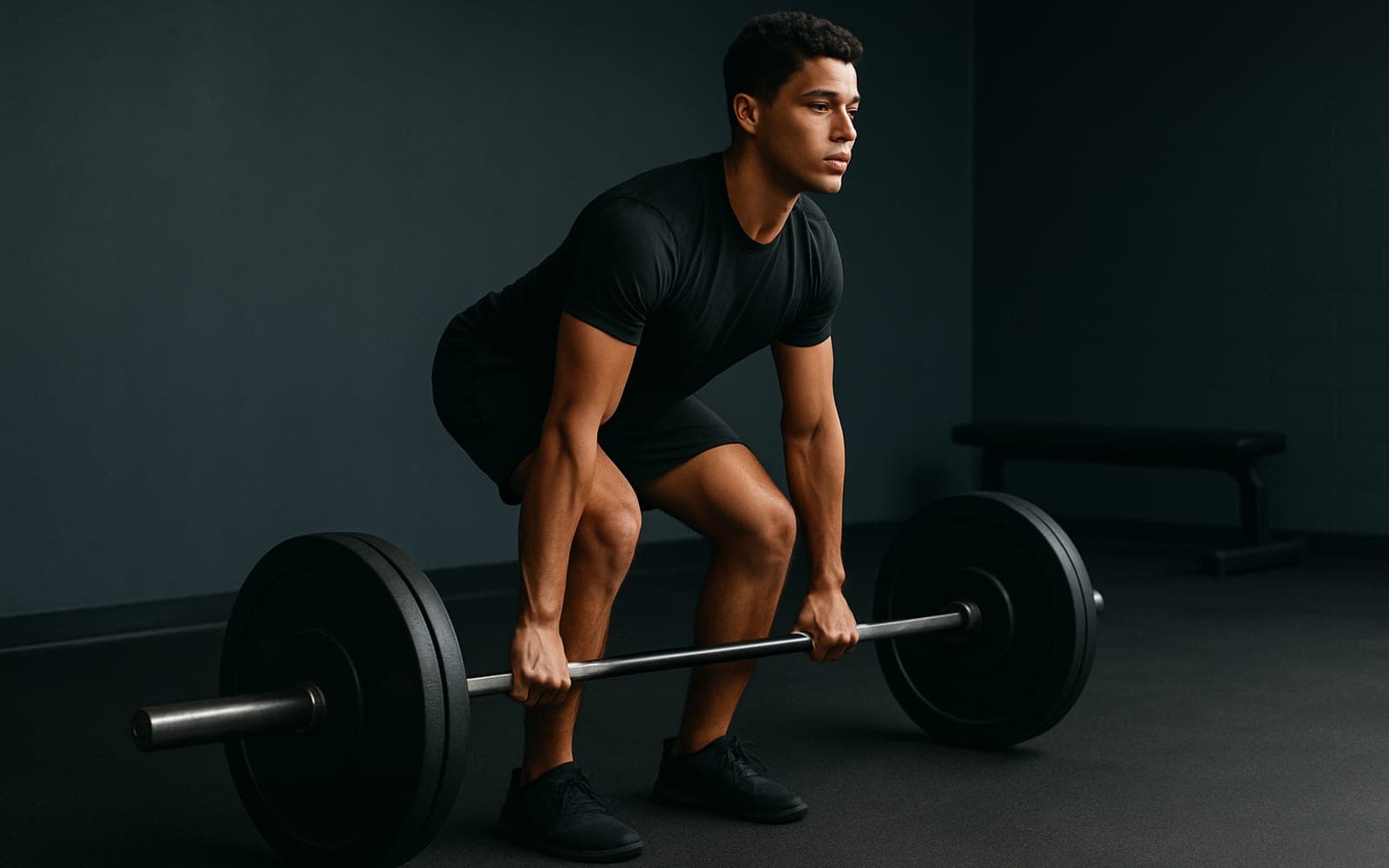
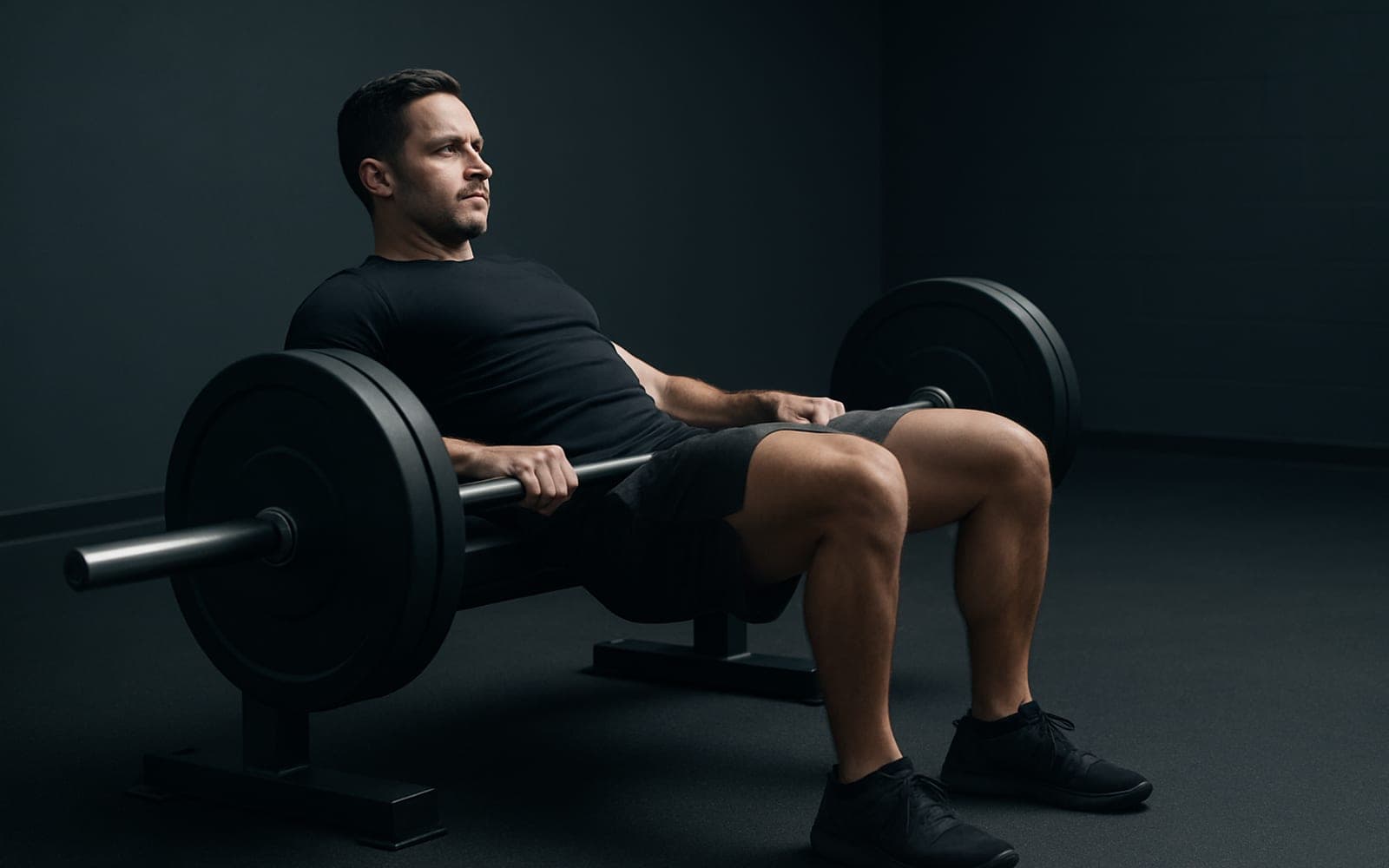
If a machine is busy or unavailable, these train the same pattern a different way.
Your progress over time
What to expect from training this consistently — everyone progresses at their own pace.
- 1
First few sessions
Learn the hip-hinge pattern, establish neutral spine and safe range of motion with light load, and feel the movement primarily in the hamstrings and glutes rather than the lower back.
- 2
Weeks 2–4
Build confidence with heavier sets, improve tempo control on the eccentric (lowering) portion, and notice early neural-strength gains allowing for modest load increases and cleaner reps.
- 3
Months 2–3
Develop measurable posterior chain strength and size—able to handle substantially heavier working sets, with improved hamstring stiffness and hip drive that transfers to other lifts like the conventional deadlift.
- 4
3–6 months
Significant hypertrophy in hamstrings and glutes with consistent progressive overload, reliable technical consistency under heavier loads, and better single-leg and athletic movement performance due to stronger hip hinge mechanics.
- 5
6+ months
Sustained strength and muscular development in the posterior chain, efficient loading capacity for heavy compound work, reduced likelihood of being limited by hinge mechanics in strength and sport-specific tasks, and a durable, repeatable Romanian deadlift technique.
Benefits of the romanian deadlift
Directly targets and develops the hamstrings and glutes, promoting greater posterior-chain size and strength.
Reinforces the hip-hinge movement pattern, which improves lifting mechanics and reduces compensatory lumbar flexion under load.
Increases eccentric control of the hamstrings, which can improve muscle resilience and load-handling in athletic tasks.
Provides carryover to other lifts (conventional deadlift, trap bar deadlift, cleans) by strengthening hip extension and posterior chain coordination.
Strengthens the back musculature isometrically (spinal erectors and upper back) to maintain a neutral spine during hinge movements.
Can improve functional movements that rely on powerful hip extension (standing up from a bent position, jumping, sprinting) while also contributing to balanced lower-body development.
Exercises that pair with this
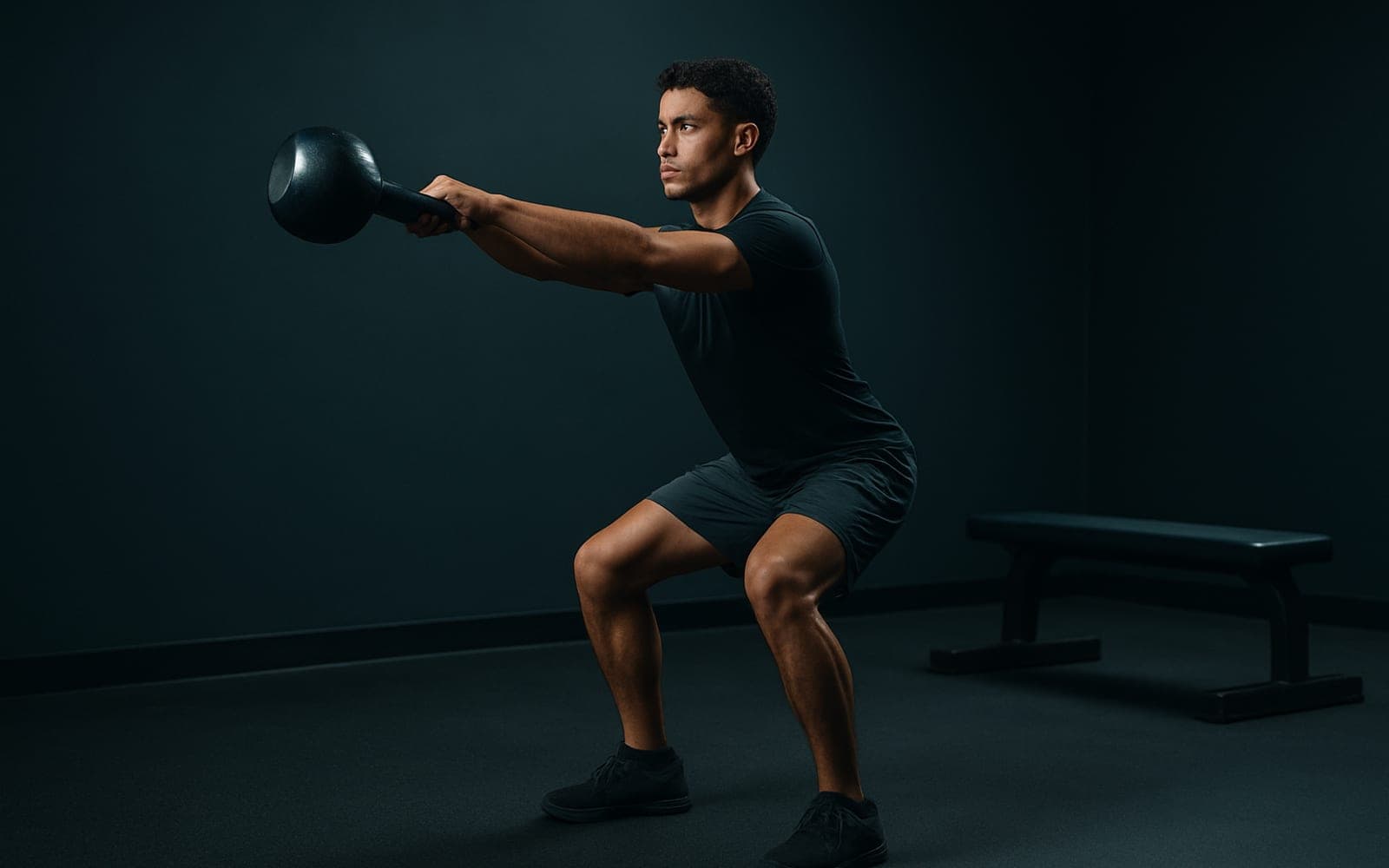
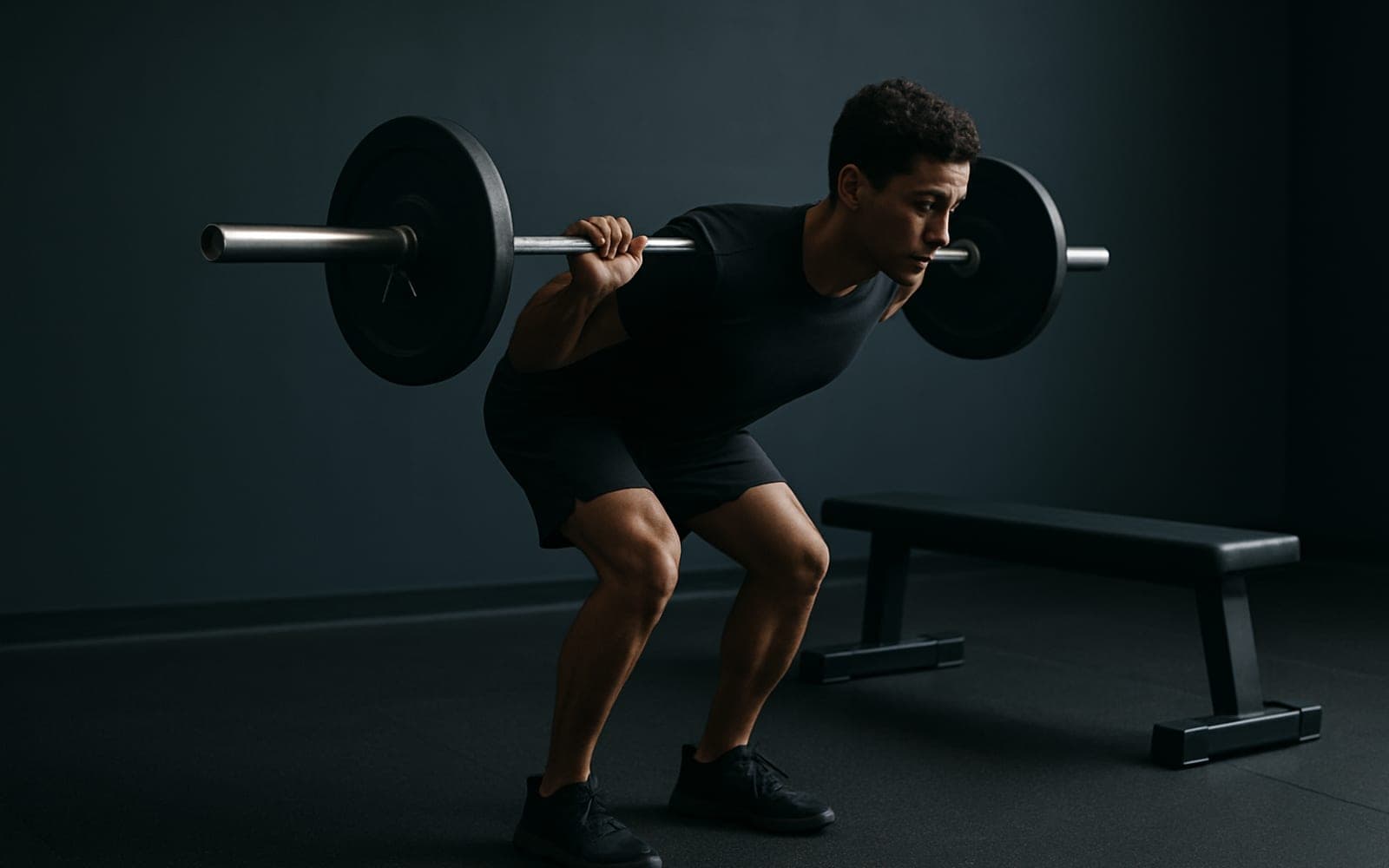
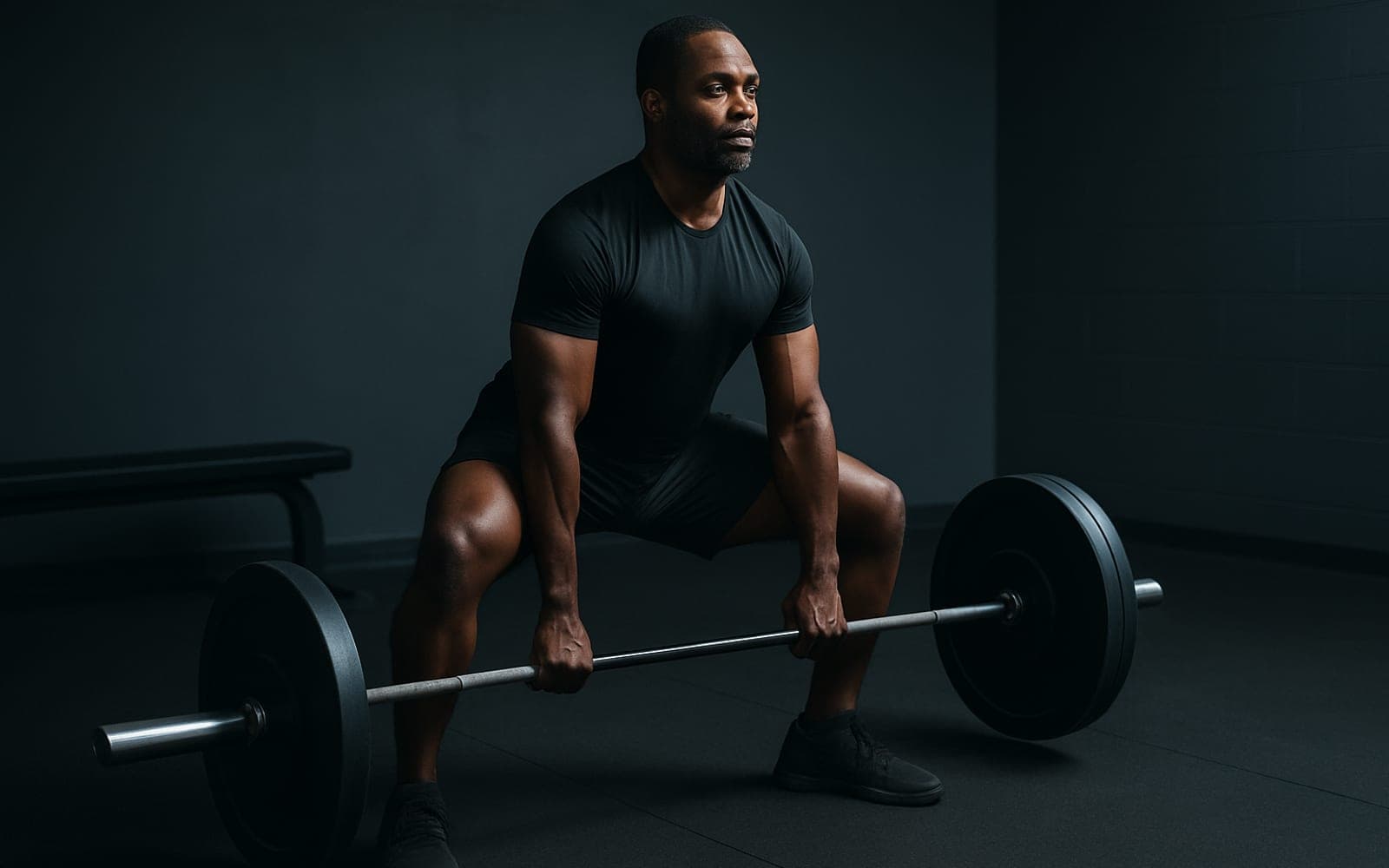
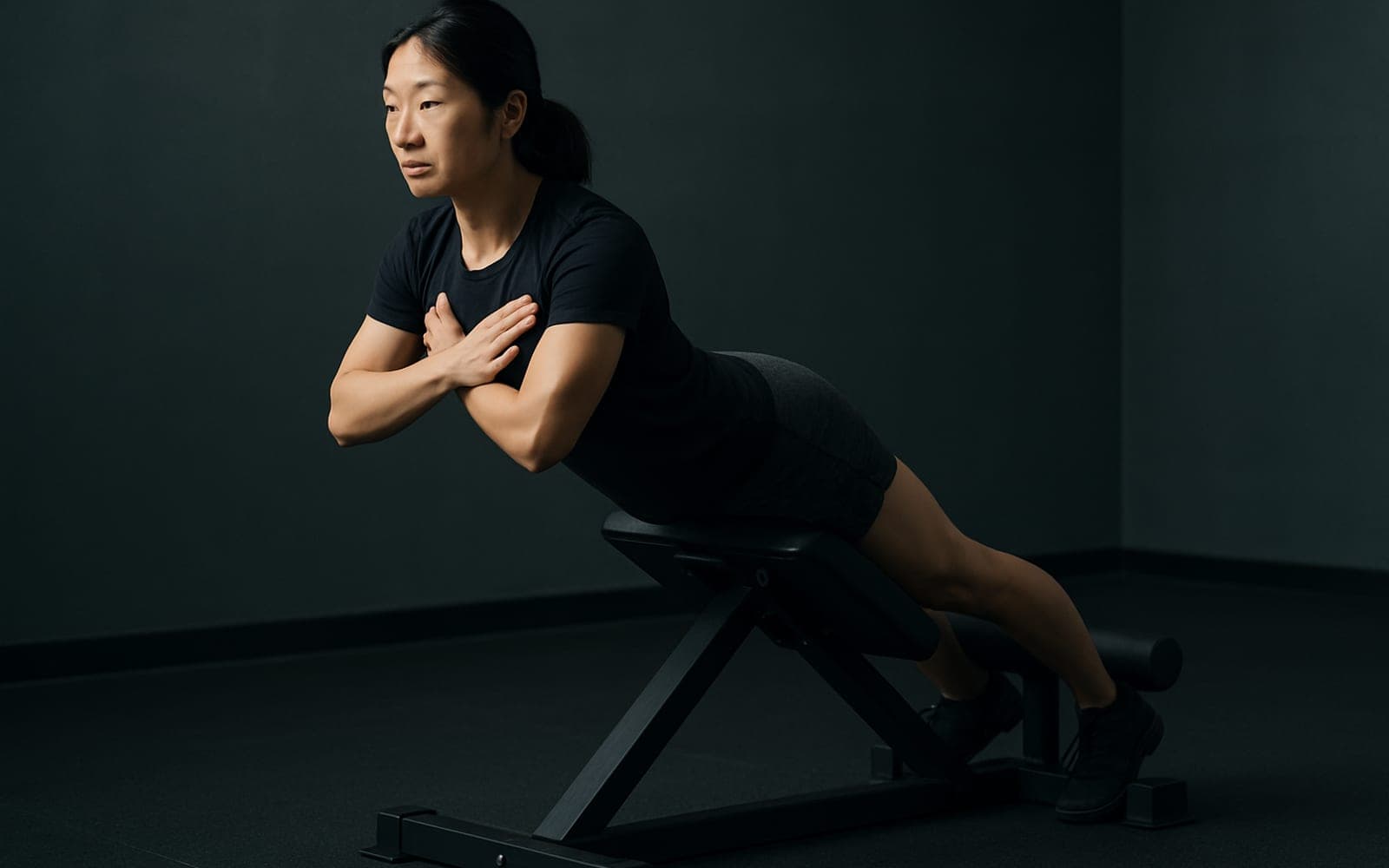
Same muscles or the same movement pattern — useful for building the rest of the session.
Romanian Deadlift — questions people ask
What muscles does the romanian deadlift work?
The romanian deadlift trains the hamstrings and glutes as the primary target, with the back working as support. It is a hinge pattern, so it also trains the coordination that pattern needs.
How many sets and reps of the romanian deadlift should I do?
For size, three to four sets of 8–12 reps with 60–90 seconds of rest. For strength, three to five sets of 3–6 reps with longer rest. Add a little weight once you hit the top of the range on every set.
Is the romanian deadlift good for beginners?
It is a reasonable second step. The romanian deadlift asks for some control and body awareness. Reduce range and weight. If it feels like too much, build the pattern on the seated leg curl first.
What can I do instead of the romanian deadlift?
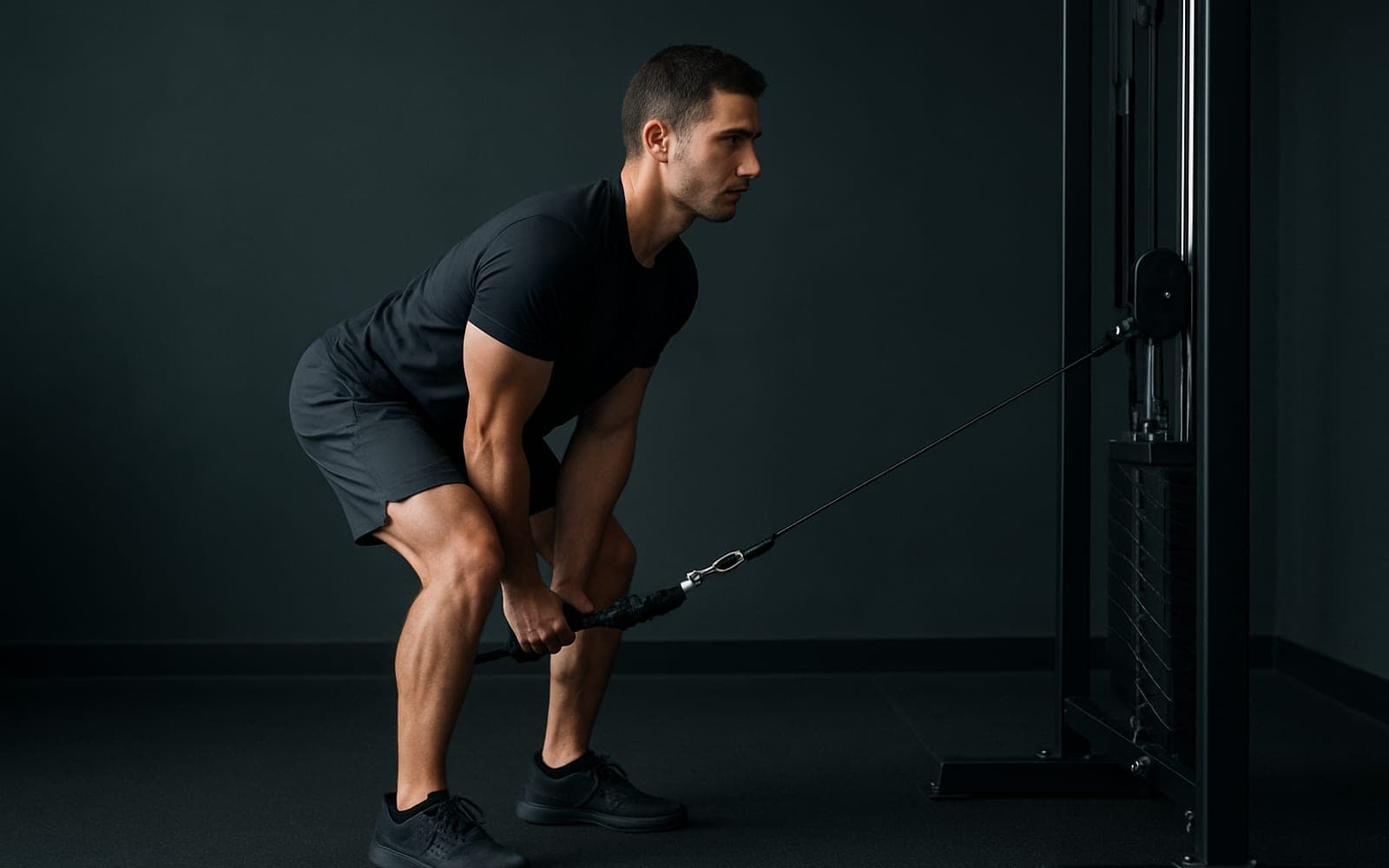
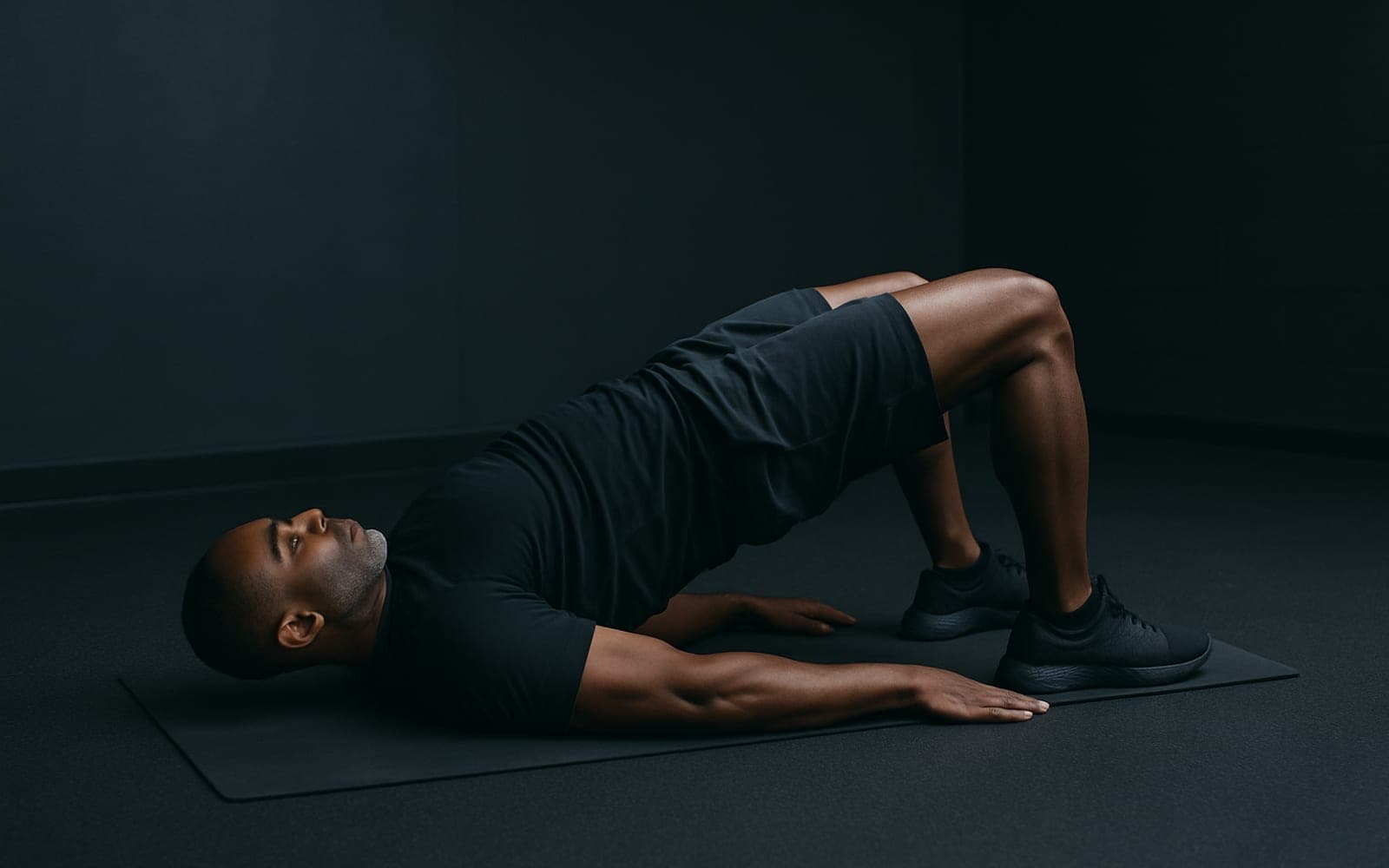
Seated Leg Curl, Barbell Deadlift, Hip Thrust all train the same hinge pattern with different equipment, so any of them works when the machine is busy or your gym does not have it.
What are the most common romanian deadlift mistakes?
Squatting instead of hinging; Rounding. Push the hips back, lower the weight along the legs to a hamstring stretch, drive the hips forward to stand.
Can I do the romanian deadlift at home?
The romanian deadlift needs free weights equipment, which most home gyms do not have. The hip thrust trains the same pattern with nothing more than your bodyweight or a band.