Seated Leg Curl
Activation
Muscles worked
Movement
Isolation
Beginner · Selectorized Strength
Primary muscles
Secondary muscles
Movement pattern
Equipment category
How to perform
- 1
Set up
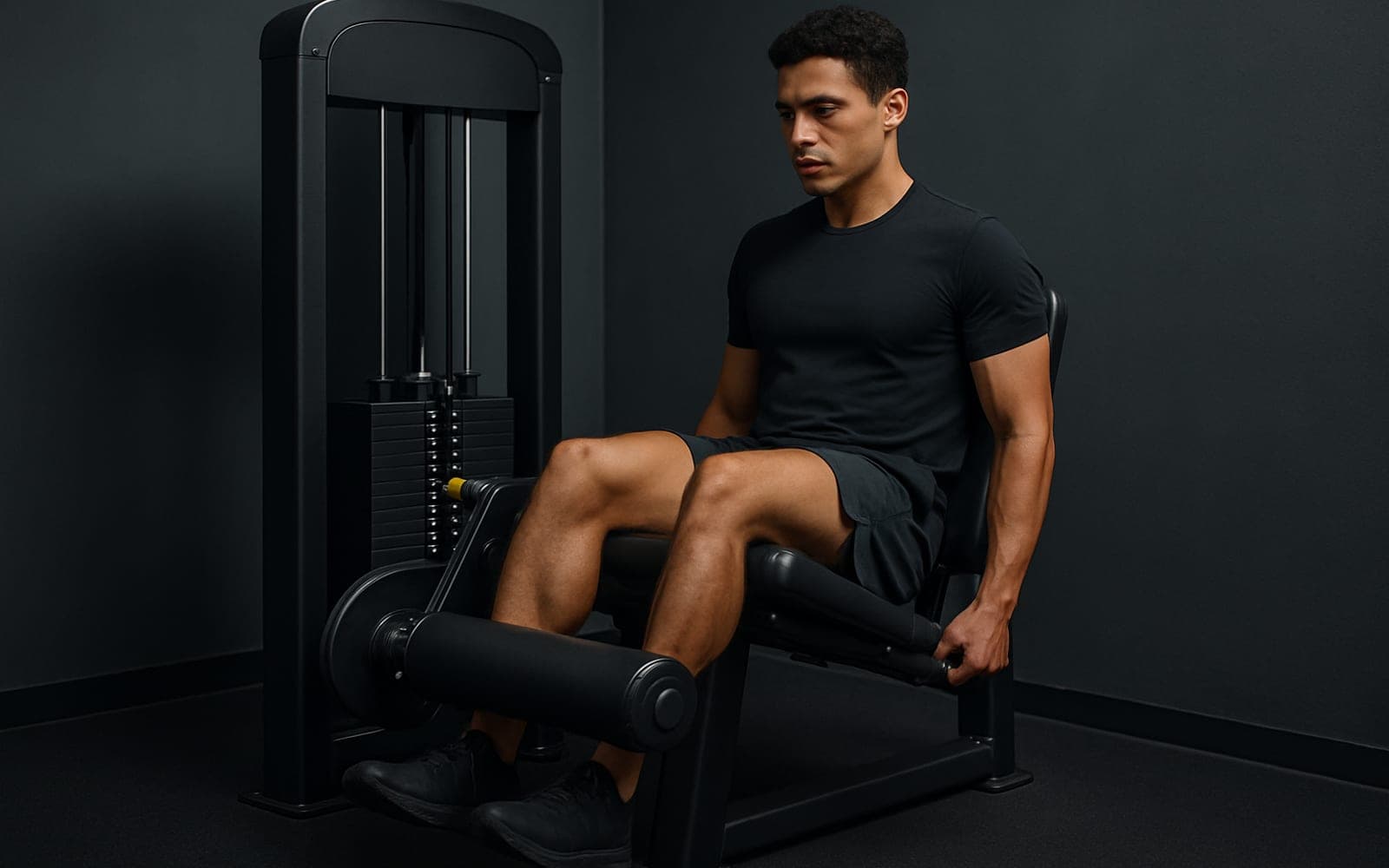
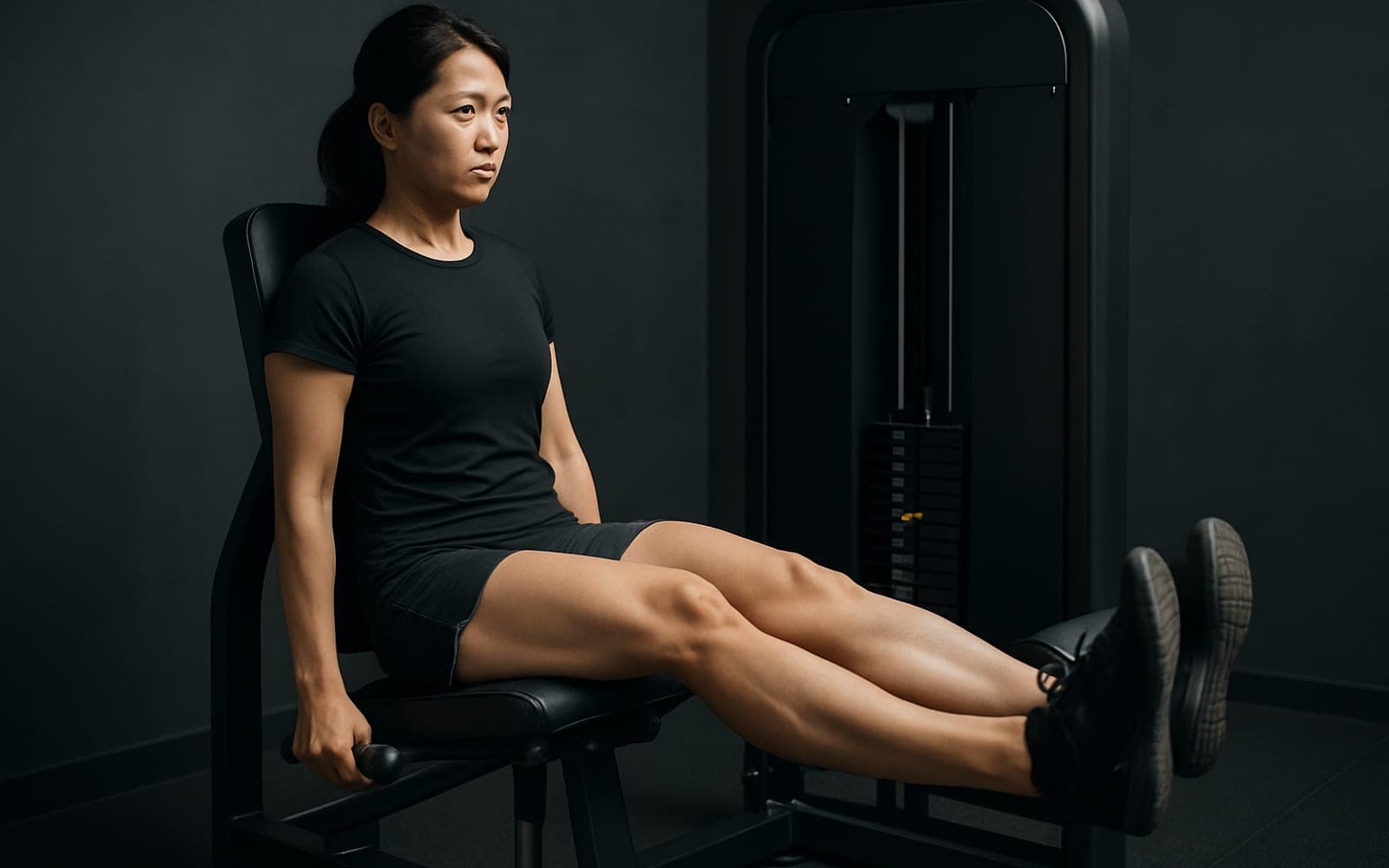
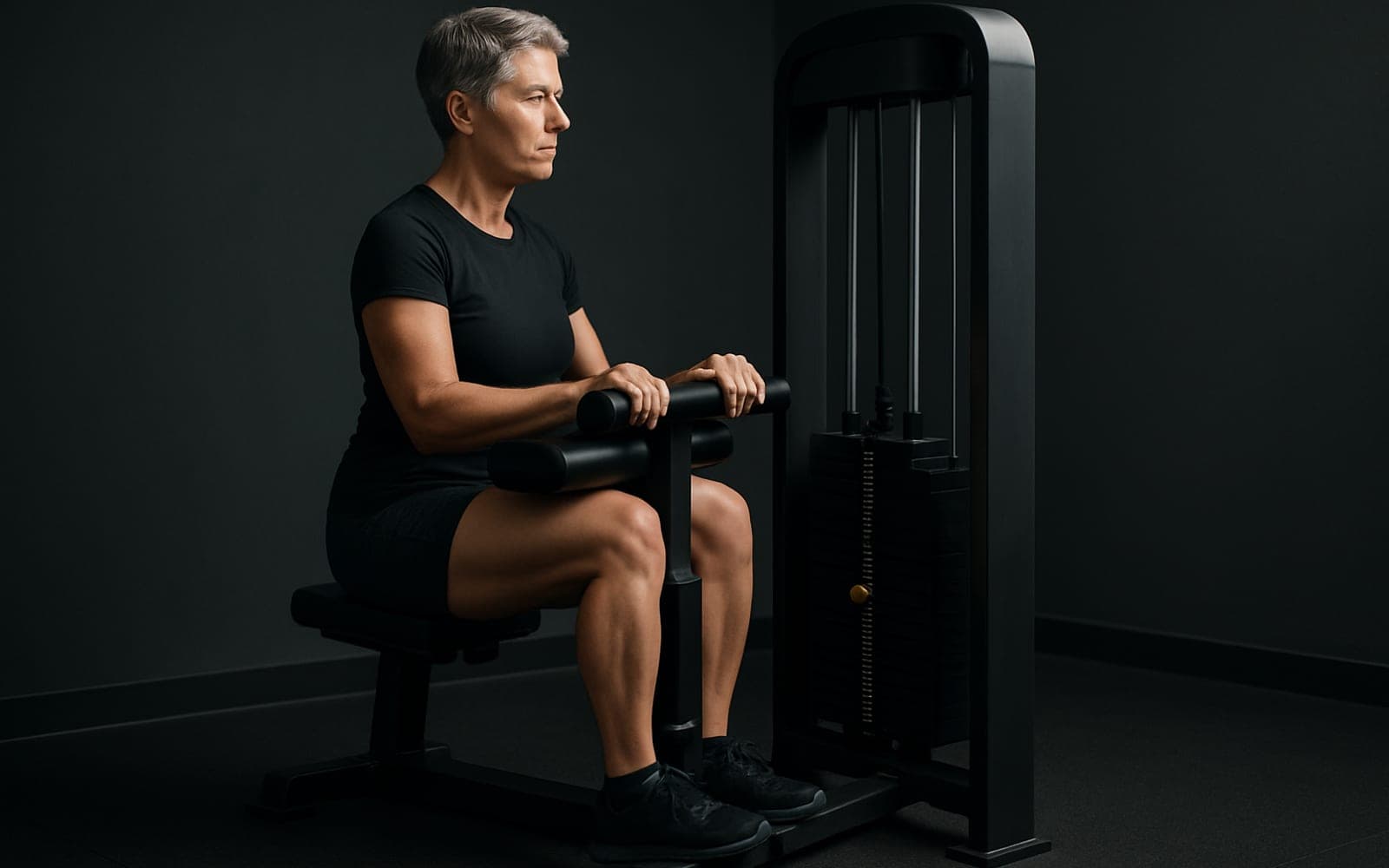
Pad on the lower calves; thigh pad snug.
- 2
Execute the movement
Curl the pad down, squeeze, return with control.
Common mistakes
- Lifting the hips off the seat
Make it harder
Make it easier
Accessibility
Substitutions
If a machine is busy or unavailable, these train the same pattern a different way.

Your progress over time
What to expect from training this consistently — everyone progresses at their own pace.
- 1
First few sessions
Learn machine setup, pad placement, and the cue to curl from the knee joint; use light load to establish range of motion and mind–muscle connection with the hamstrings.
- 2
Weeks 2–6
Progressively increase training volume and/or load as technique stays clean, leading to noticeable improvements in muscular endurance and clearer hamstring activation during each rep.
- 3
Months 2–4
Consistent training produces measurable increases in hamstring muscle size and the ability to handle heavier working sets with controlled tempo and a stronger concentric squeeze.
- 4
Months 4–8
Further hypertrophy and strength gains are evident, with improved balance between knee flexor strength and other lower-body muscles; you can use the exercise to target lagging hamstrings and add variety to leg programs.
- 5
6+ months
With ongoing progressive overload and program variation, the seated leg curl becomes a reliable tool for maintaining hamstring mass and strength, and for managing fatigue by providing an isolation option separate from free-weight compound lifts.
Benefits of the seated leg curl
Directly isolates and strengthens the hamstrings by biasing knee flexion, improving size and targeted strength in that muscle group.
Reduces over-reliance on compound movements for hamstring development, allowing focused work on a lagging muscle without taxing the spine or hips heavily.
Controlled eccentric return and peak-contraction emphasis enhance time-under-tension, a key driver of hypertrophy for muscle-building goals.
Easier setup and consistent movement path make it beginner-friendly for learning tempo, muscle activation, and progressive overload principles.
Because it spares heavy axial loading, it’s useful for accumulating volume when recovering from taxing squats or deadlifts while still stimulating posterior-chain growth.
Exercises that pair with this
Same muscles or the same movement pattern — useful for building the rest of the session.
Seated Leg Curl — questions people ask
What muscles does the seated leg curl work?
The seated leg curl trains the hamstrings as the primary target, with the calves working as support. It is a isolation pattern, so it also trains the coordination that pattern needs.
How many sets and reps of the seated leg curl should I do?
Three sets of 8–12 reps with about 90 seconds of rest is a reliable default. Increase the weight once the last rep of every set still looks clean.
Is the seated leg curl good for beginners?
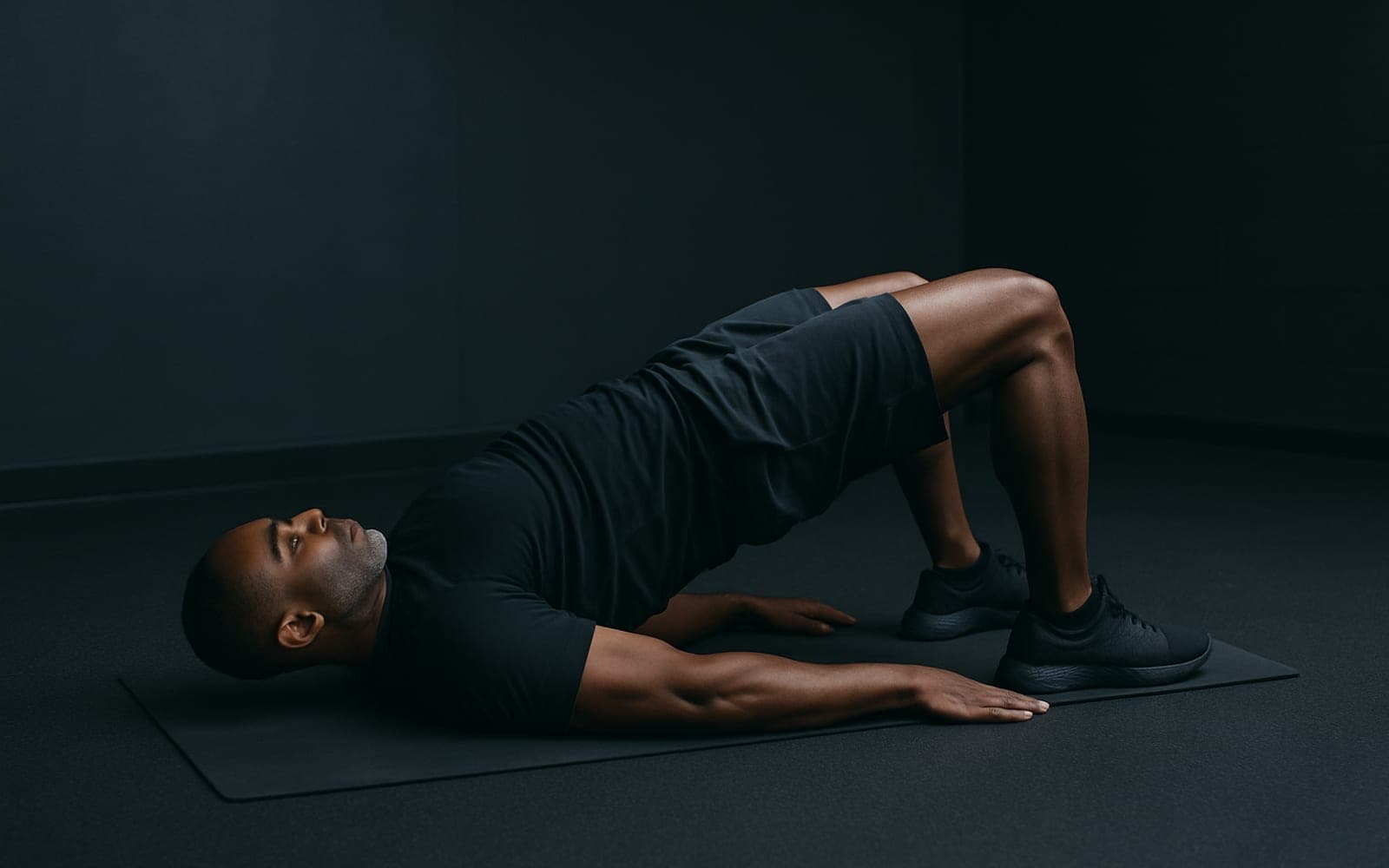
Yes. The seated leg curl is a beginner-friendly movement. Reduce weight. If it feels like too much, build the pattern on the glute bridge first.
What can I do instead of the seated leg curl?
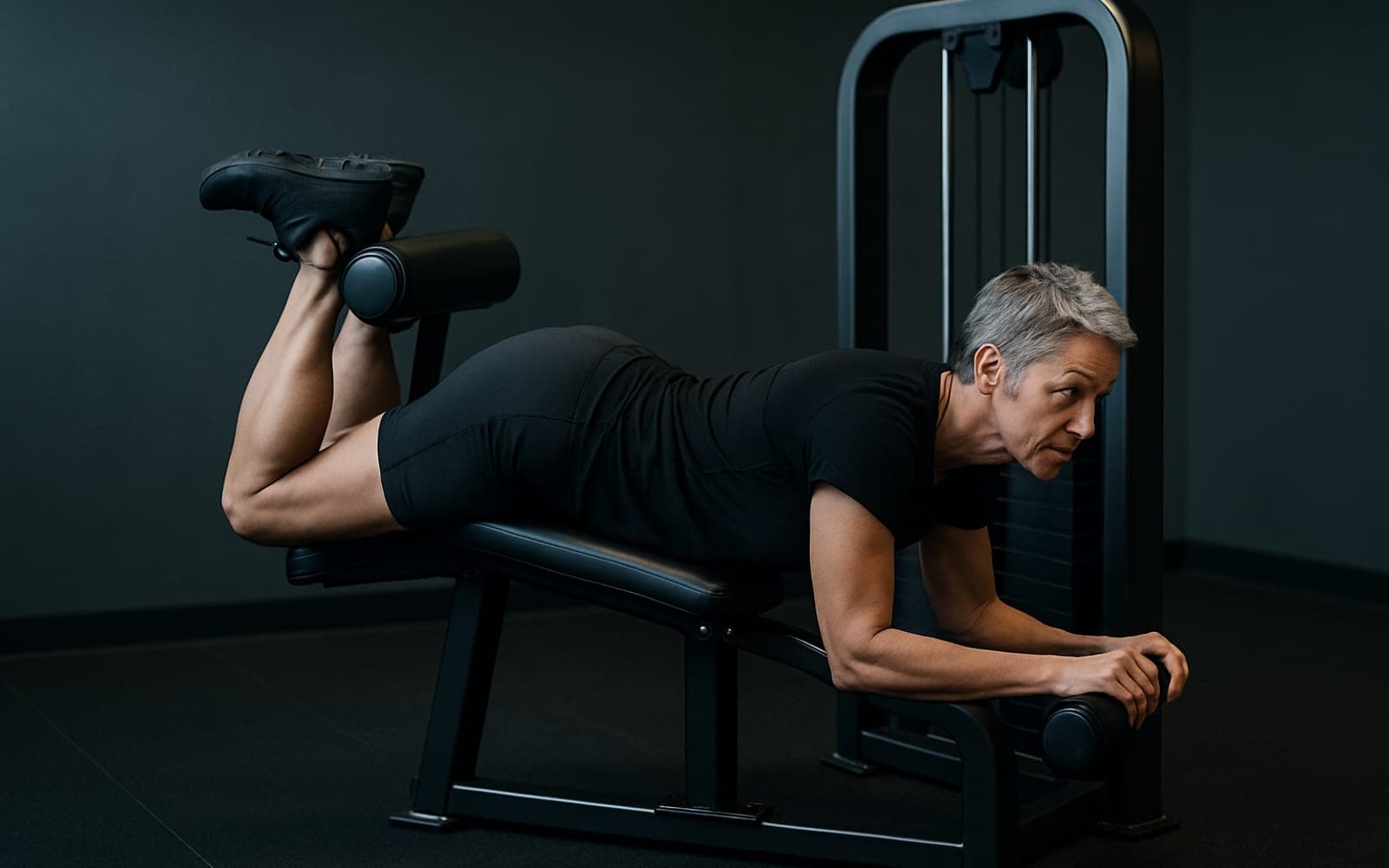
Romanian Deadlift, Glute Bridge all train the same isolation pattern with different equipment, so any of them works when the machine is busy or your gym does not have it.
What are the most common seated leg curl mistakes?
Lifting the hips off the seat. Curl the pad down, squeeze, return with control.
Can I do the seated leg curl at home?
The seated leg curl needs selectorized strength equipment, which most home gyms do not have. The glute bridge trains the same pattern with nothing more than your bodyweight or a band.