Good Morning
Activation
Muscles worked
Movement
Hinge
Advanced · Free Weights
Primary muscles
Secondary muscles
Movement pattern
Equipment category
How to perform
- 1
Set up
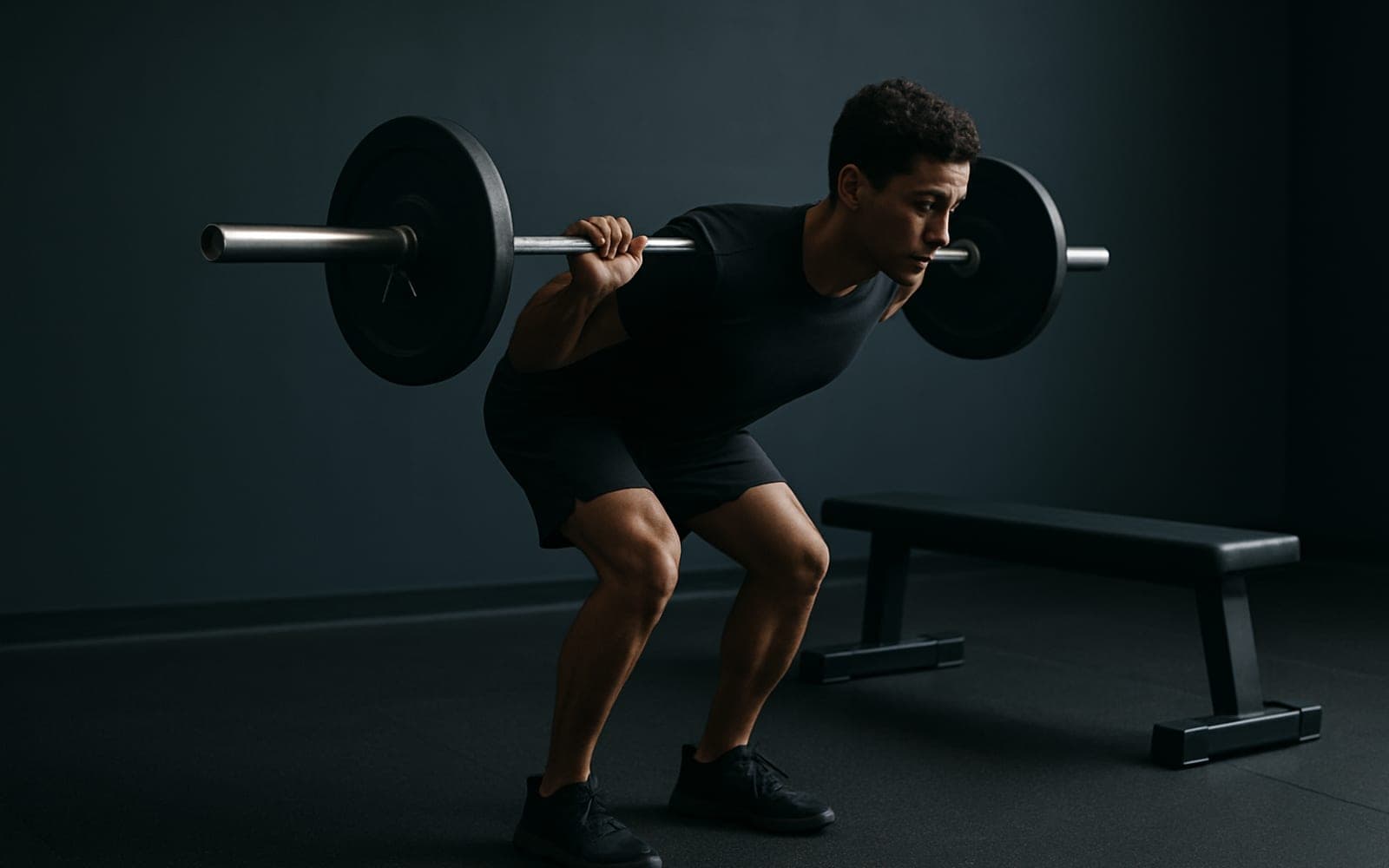
Rack a barbell across the upper back; feet hip- to shoulder-width, soft knees.
- 2
Execute the movement
Hinge at the hips, pushing them back and letting the torso fold forward with a flat back until you feel a hamstring stretch, then drive the hips forward to stand.
Common mistakes
- Rounding the lower back
- Turning it into a squat
- Going too heavy
Make it harder
Make it easier
Substitutions
If a machine is busy or unavailable, these train the same pattern a different way.
Your progress over time
What to expect from training this consistently — everyone progresses at their own pace.
- 1
First few sessions
Learn proper hip-hinge mechanics with very light load or broomstick, establish neutral spine and hamstring stretch awareness, and build confidence bracing the trunk while bending at the hips.
- 2
Weeks 2–6
Progress to moderate loading with consistent sets and reps, improve tempo control and work capacity, and begin to add meaningful weight while maintaining hinge form and spinal stability.
- 3
Months 2–4
Noticeable increases in hamstring and glute strength and size, improved ability to handle heavier top sets, and clear carryover to deadlift and squat lockout strength.
- 4
Months 4–6
Higher training loads become manageable for multiple reps, greater posterior chain muscle development and endurance, and reduced reliance on compensatory lumbar flexion under load.
- 5
6+ months
Substantial and sustainable posterior-chain strength and hypertrophy, mastery of hinge variations (pause, banded, paused-rep), and reliable transfer of improved hip extension to athletic and heavy-lift tasks.
Benefits of the good morning
Directly targets the hamstrings with an emphasis on eccentric control, promoting strength and muscle development specific to hip-hinge movement.
Strengthens the glutes and spinal erectors as secondary movers, improving hip extension power and trunk support under load.
Improves hip-hinge mechanics and motor control, which transfers to safer and stronger deadlifts, squats, and athletic movements that depend on hip drive.
Develops eccentric hamstring tolerance and posterior-chain endurance, helping you tolerate heavier loads and higher training volumes.
Teaches trunk bracing and neutral-spine maintenance in a loaded, bent-over position, which supports better posture and lifting resilience during other exercises.
Is a highly scalable exercise (light to heavy, tempo and pause variations) that fits progressive strength and hypertrophy programs when programmed conservatively and with technical focus.
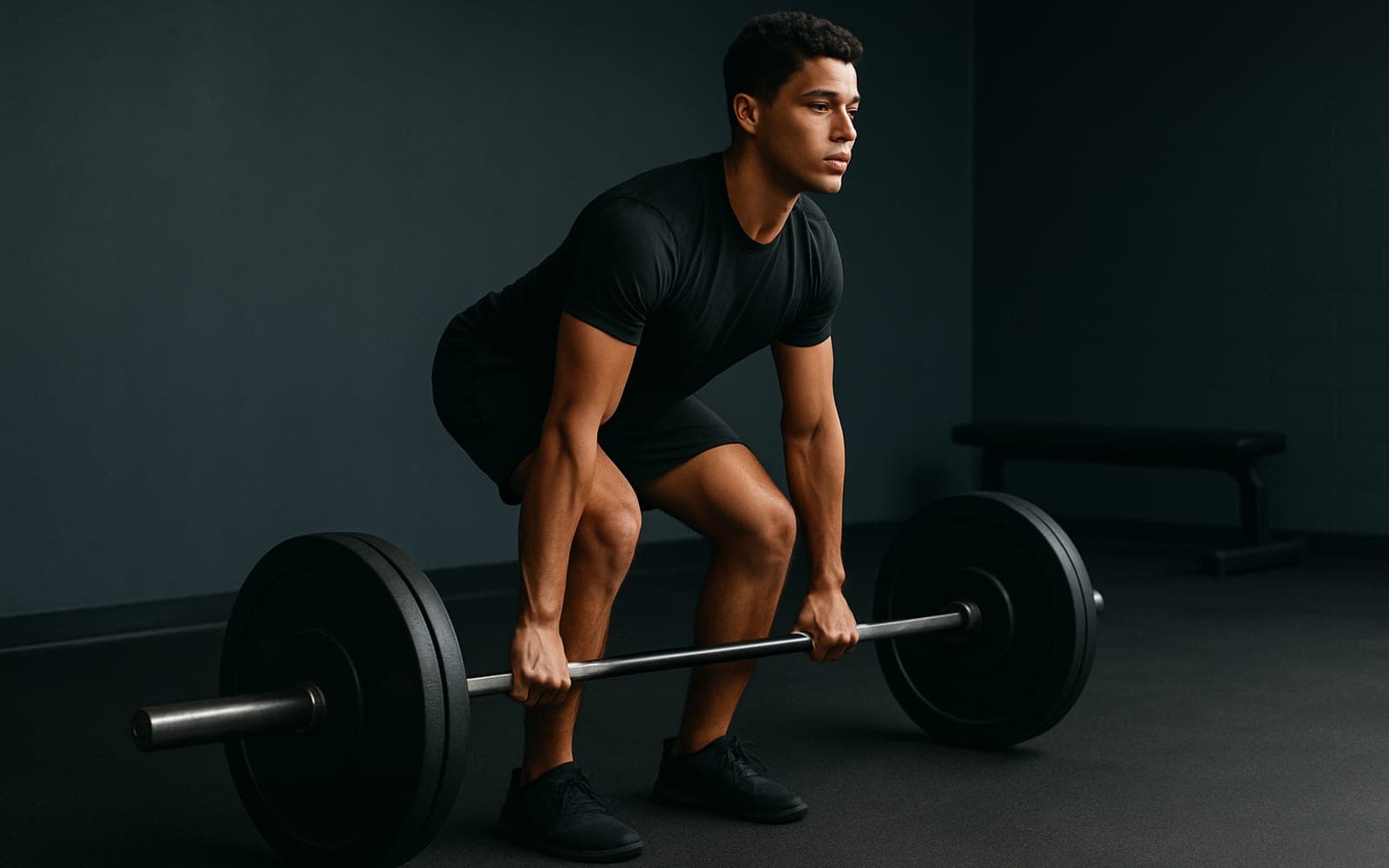
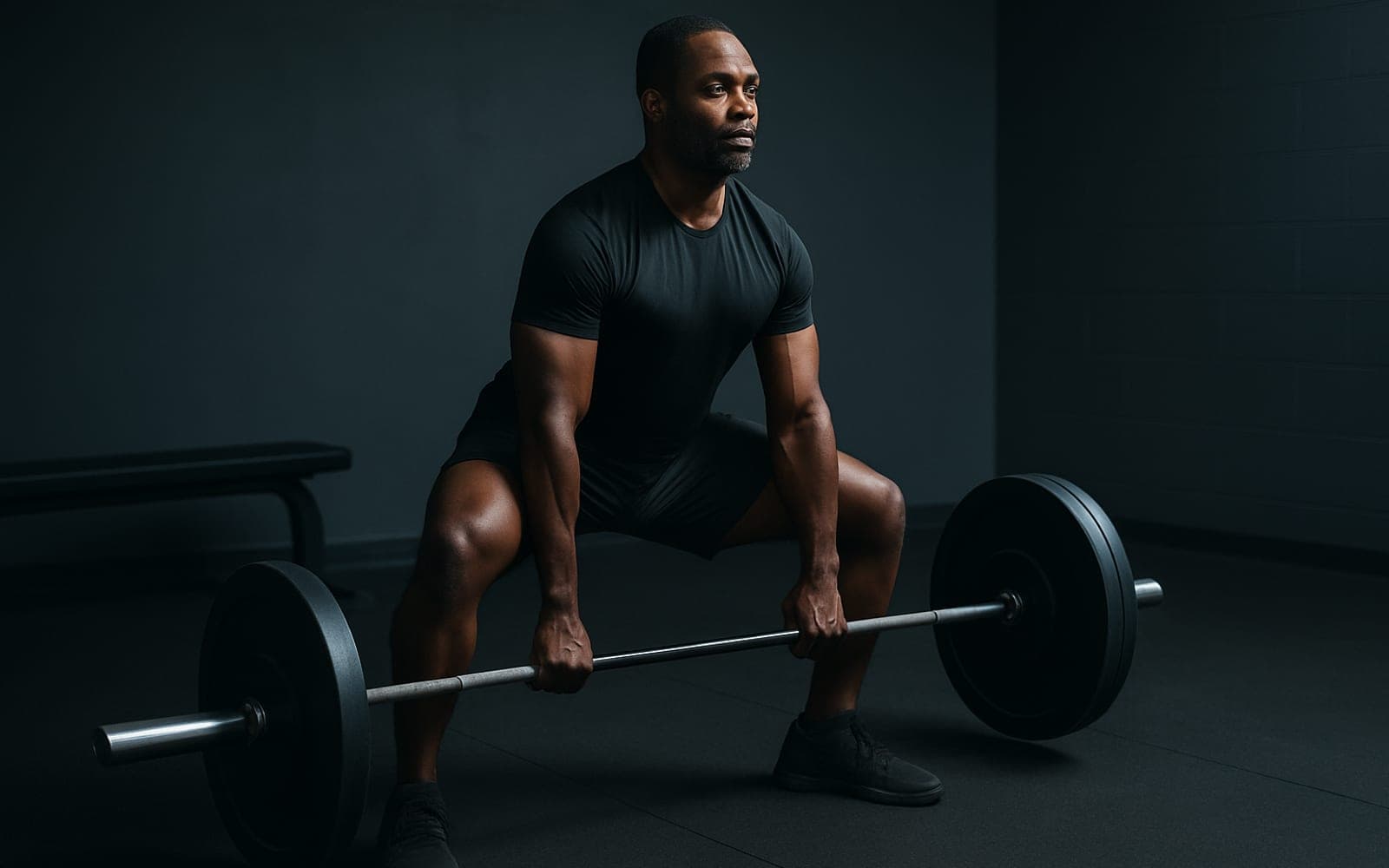
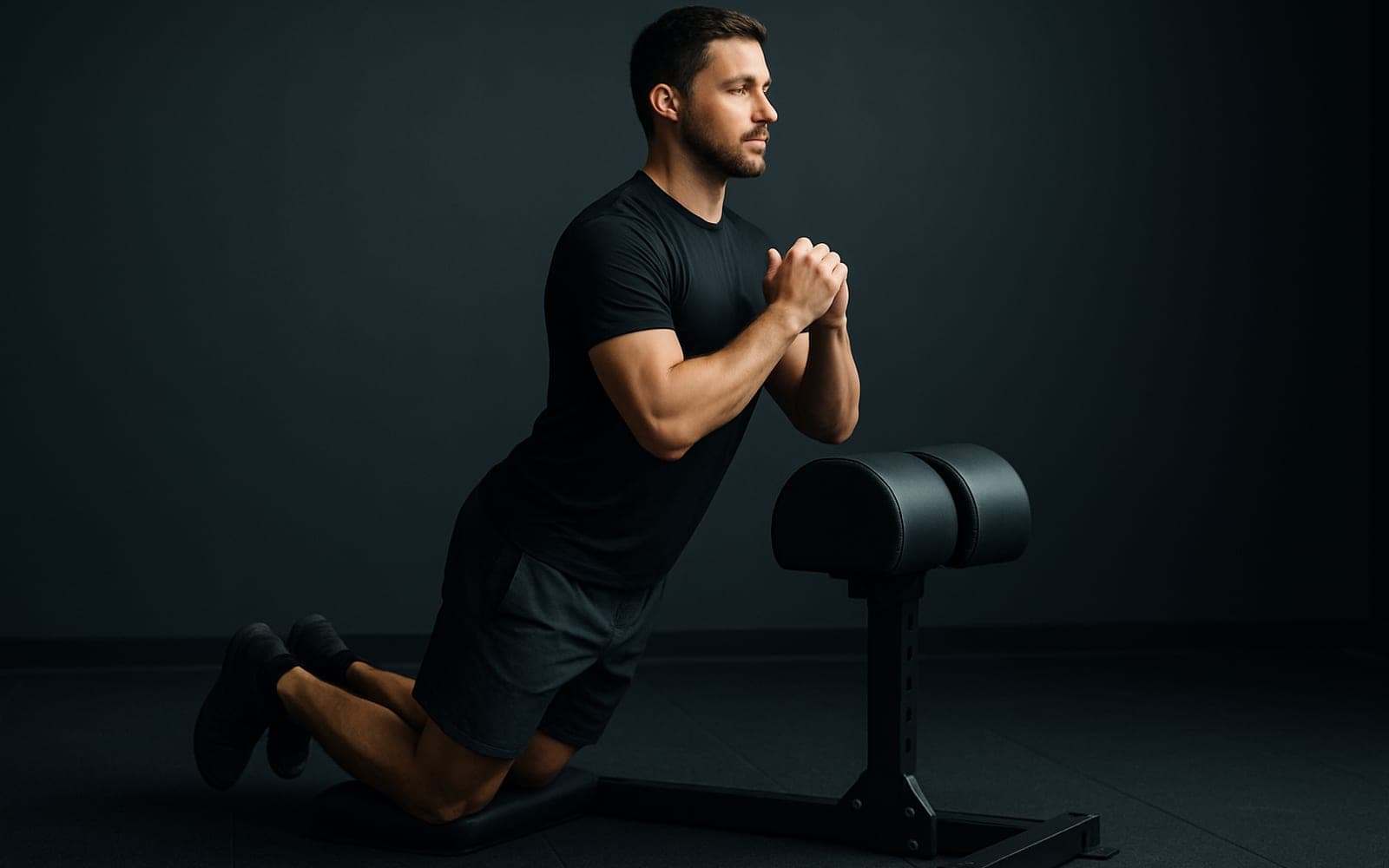
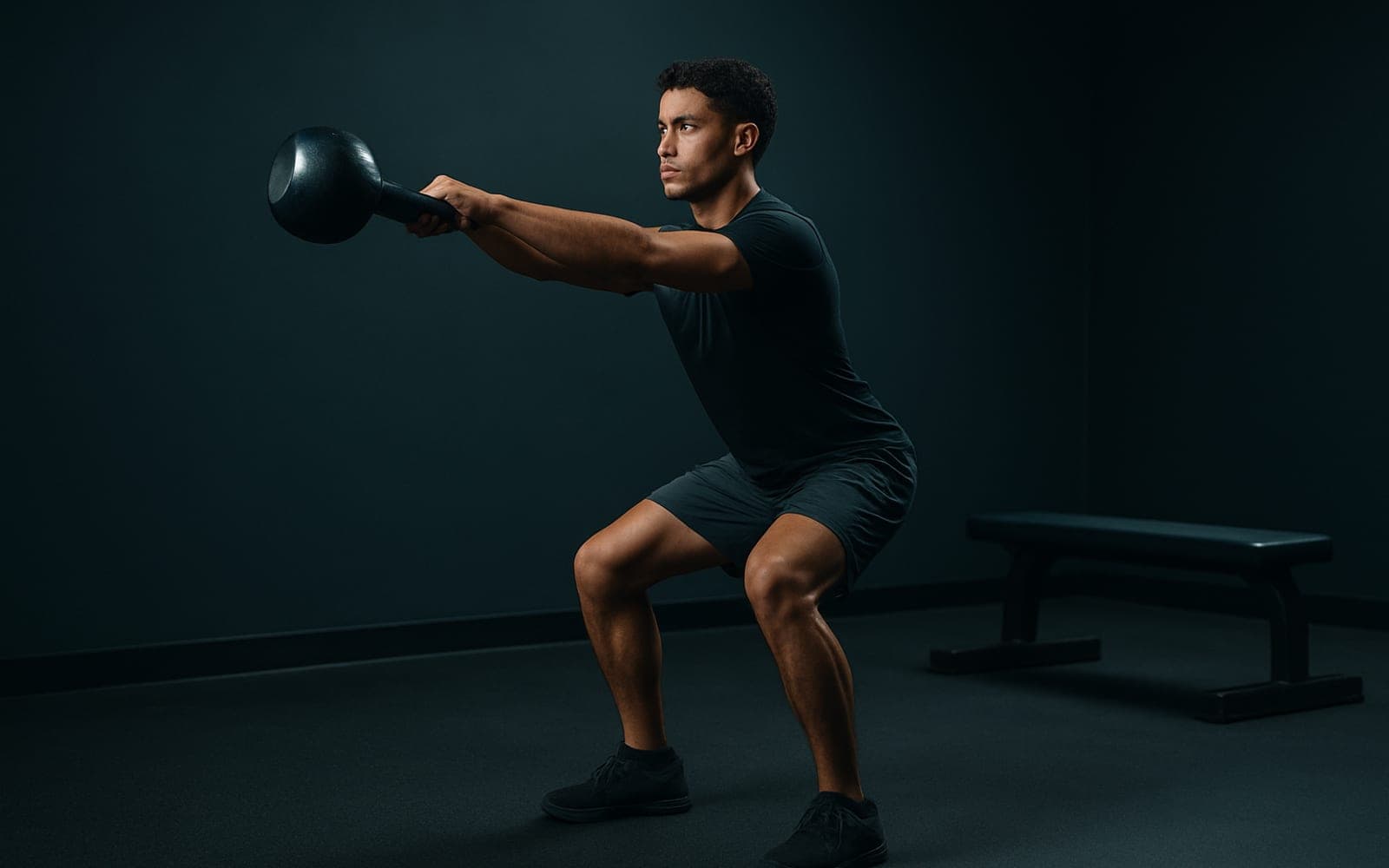
Exercises that pair with this
Same muscles or the same movement pattern — useful for building the rest of the session.
Good Morning — questions people ask
What muscles does the good morning work?
The good morning trains the hamstrings as the primary target, with the glutes, spinal erectors working as support. It is a hinge pattern, so it also trains the coordination that pattern needs.
How many sets and reps of the good morning should I do?
For size, three to four sets of 8–12 reps with 60–90 seconds of rest. For strength, three to five sets of 3–6 reps with longer rest. Add a little weight once you hit the top of the range on every set.
Is the good morning good for beginners?
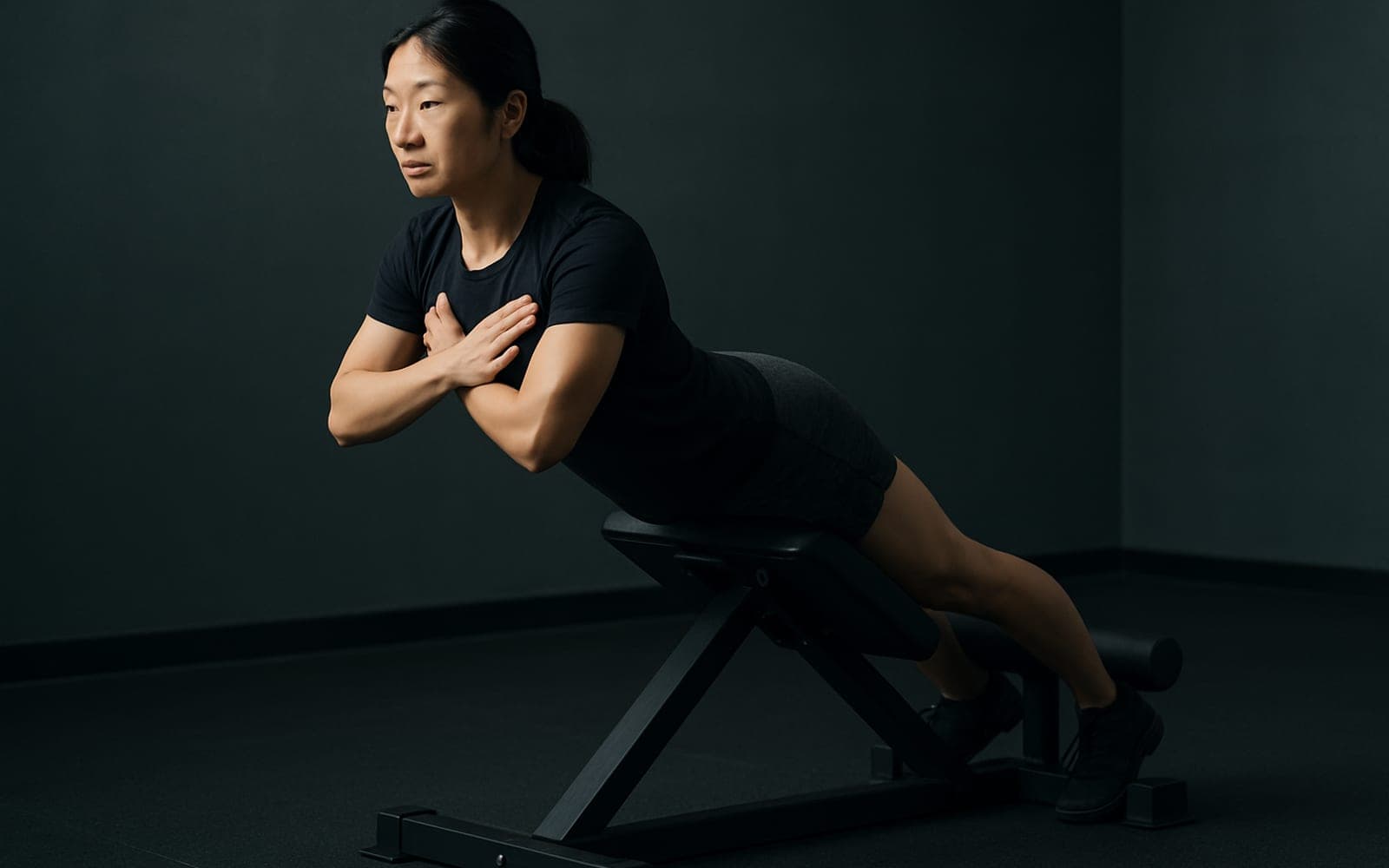
Not as a first exercise. The good morning is an advanced movement. Use very light weight or a Romanian deadlift instead. It is also form-sensitive, so it is worth having a coach or an experienced lifter watch your first few sessions. If it feels like too much, build the pattern on the back extension first.
What can I do instead of the good morning?
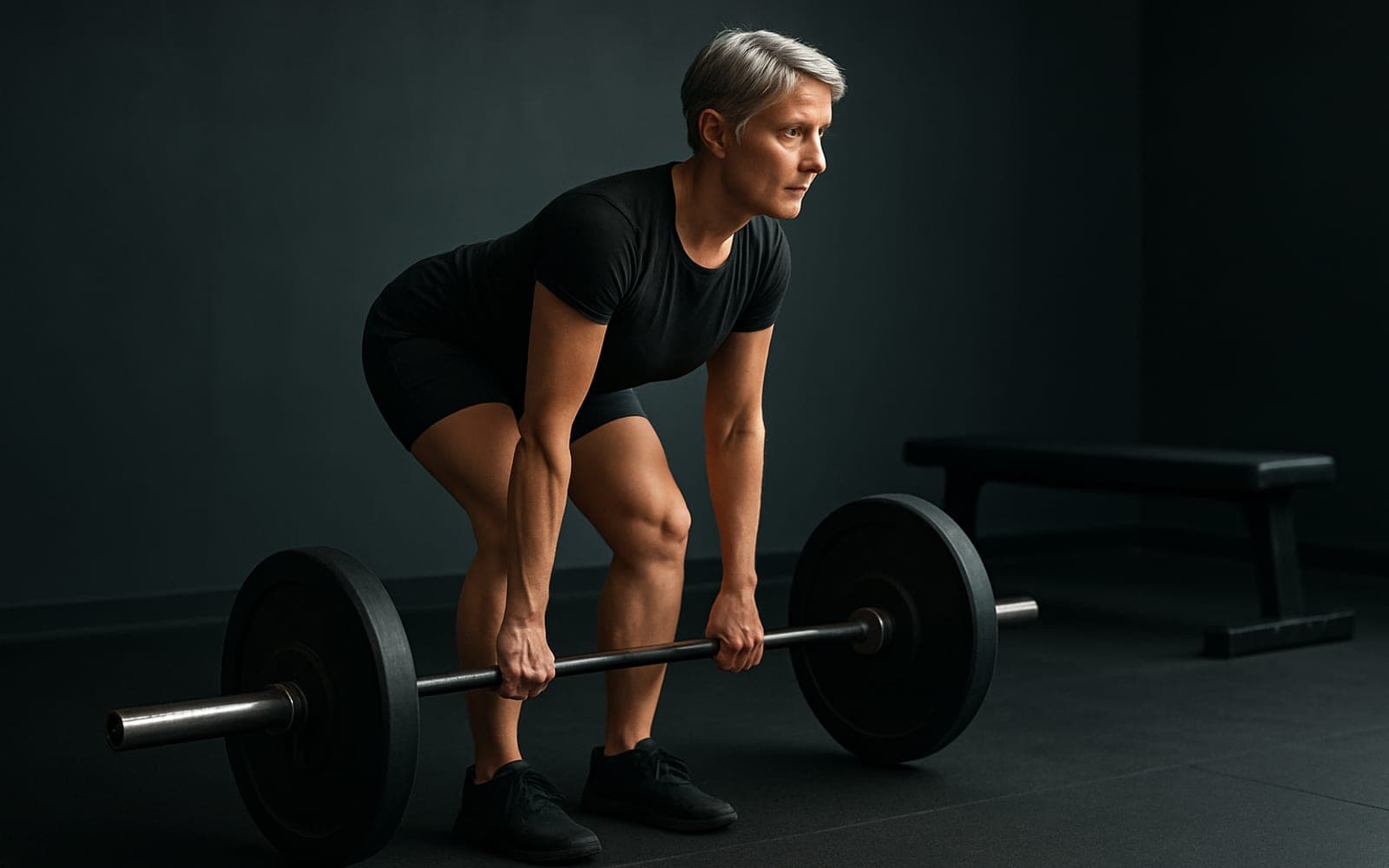
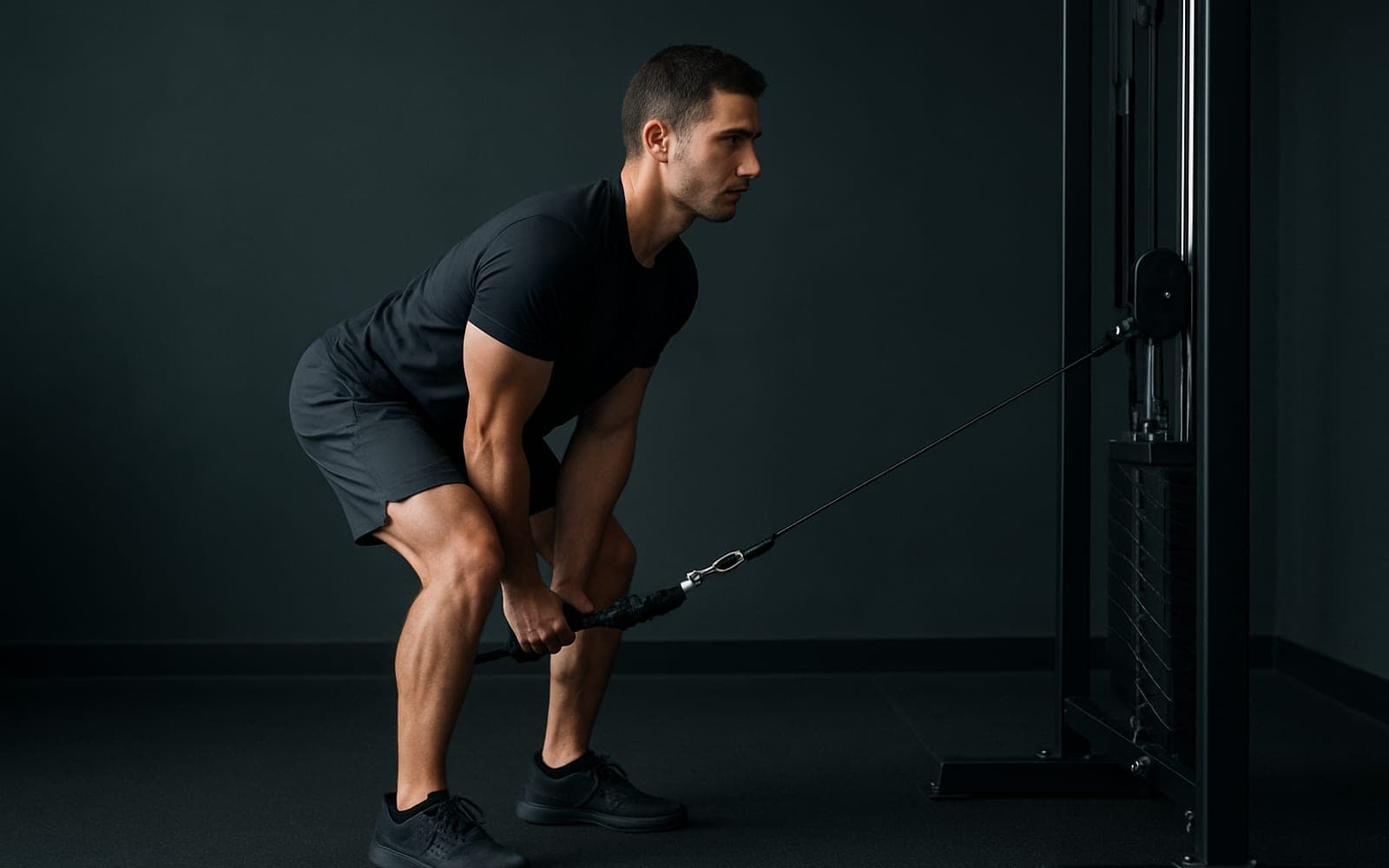
Romanian Deadlift, Cable Pull-Through, Back Extension all train the same hinge pattern with different equipment, so any of them works when the machine is busy or your gym does not have it.
What are the most common good morning mistakes?
Rounding the lower back; Turning it into a squat; Going too heavy. Hinge at the hips, pushing them back and letting the torso fold forward with a flat back until you feel a hamstring stretch, then drive the hips forward to stand.
Can I do the good morning at home?
It needs free weights equipment, so it belongs in a gym session rather than a home workout unless you own that equipment.