Cable Glute Kickback
Activation
Muscles worked
Movement
Isolation
Beginner · Cable & Functional
Primary muscles
Secondary muscles
Movement pattern
Equipment category
How to perform
- 1
Set up
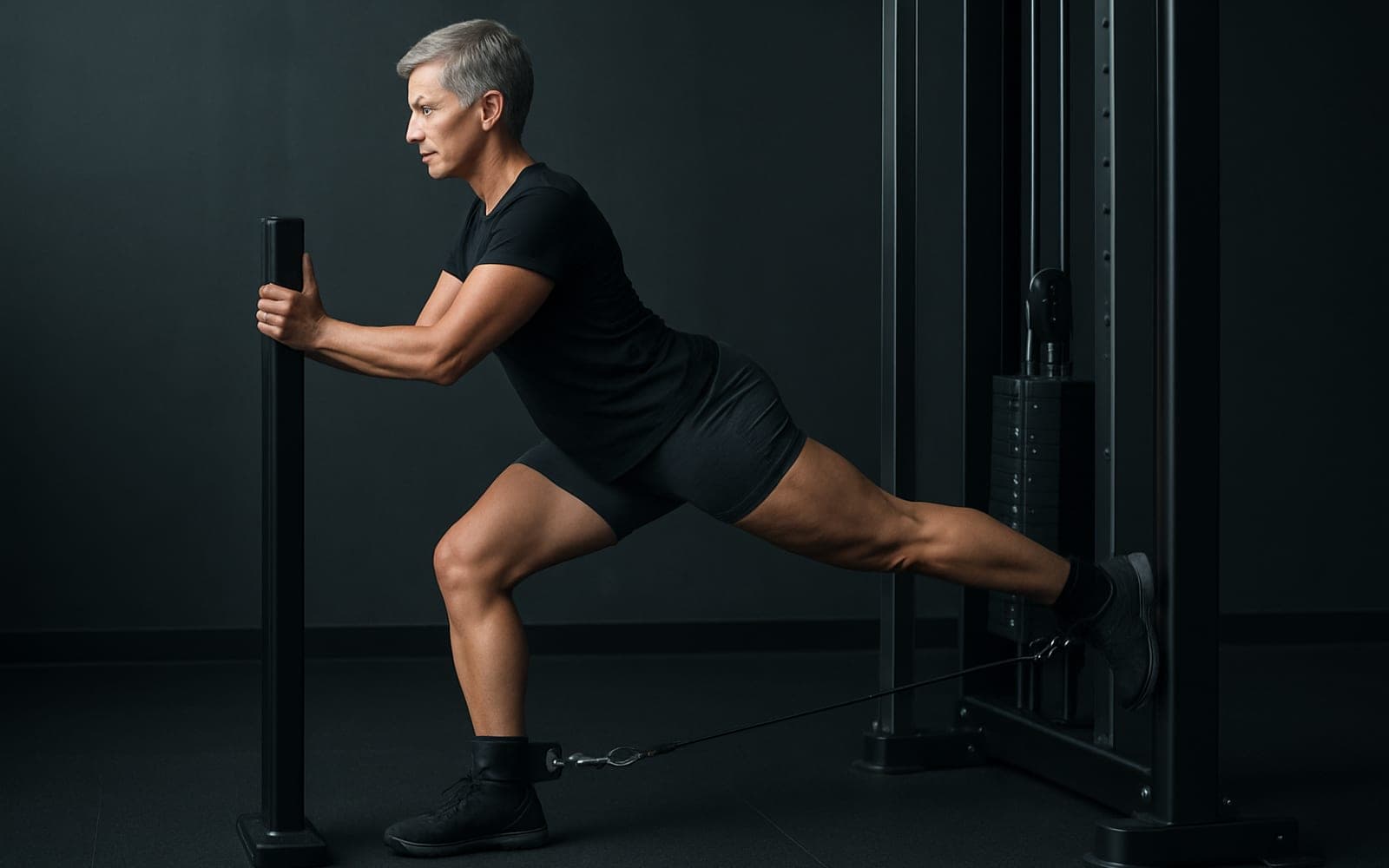
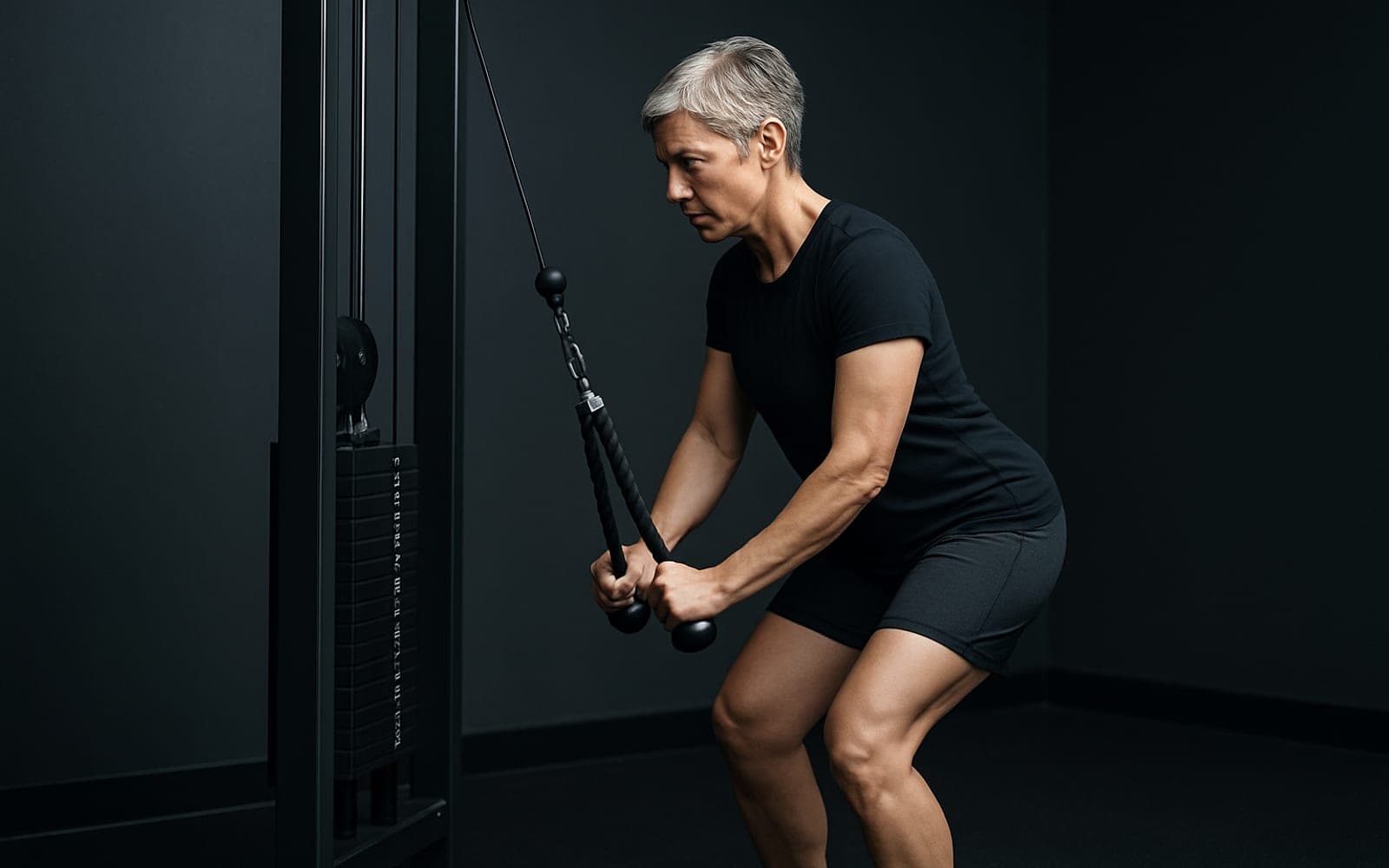
Attach an ankle cuff to a low pulley; face the machine holding it for support, slight forward lean.
- 2
Execute the movement
Drive the working leg straight back by squeezing the glute, pause at the top, then return under control. Keep the movement at the hip, not the lower back.
Common mistakes
- Arching the lower back to gain range
- Swinging the leg with momentum
Make it harder
Make it easier
Accessibility
Substitutions
If a machine is busy or unavailable, these train the same pattern a different way.
Your progress over time
What to expect from training this consistently — everyone progresses at their own pace.
- 1
First few sessions
Learn proper setup, foot placement, and cueing to drive the hip extension from the glute while keeping the lumbar spine neutral; expect initial soreness as neuromuscular patterns form.
- 2
Weeks 2–4
Improved mind–muscle connection and ability to isolate the glute on the working side with cleaner reps and fuller range of motion; you can progressively increase reps and light load.
- 3
Months 2–3
Noticeable increases in glute endurance and modest size/tonal changes for beginners, with ability to use heavier cable loads for controlled reps and longer pauses at peak contraction.
- 4
Months 4–6
Clear hypertrophy and strength gains in the gluteus maximus and better single-leg hip extension capacity, translating to improved performance in compound lifts and one‑leg tasks.
- 5
6+ months
Established unilateral glute strength and symmetry, enhanced hip stability and transfer to activities like running, climbing stairs, and stronger lockout/hip drive in compound movements when included in a balanced program.
Benefits of the cable glute kickback
Targets the gluteus maximus directly to build muscle size and strength through isolated hip extension.
Secondary loading of the hamstrings improves posterior chain balance without heavy spinal loading.
Enhances single‑leg hip stability and balance, which carries over to walking, stair climbing, and athletic movements.
Improved mind–muscle connection for the glutes helps with activating them during compound lifts (squat, deadlift) and everyday movements.
Low spinal load option for strengthening hips compared with heavy bilateral barbell movements, making it accessible for beginners.
Provides a focused way to correct left–right strength asymmetries by training each side independently.
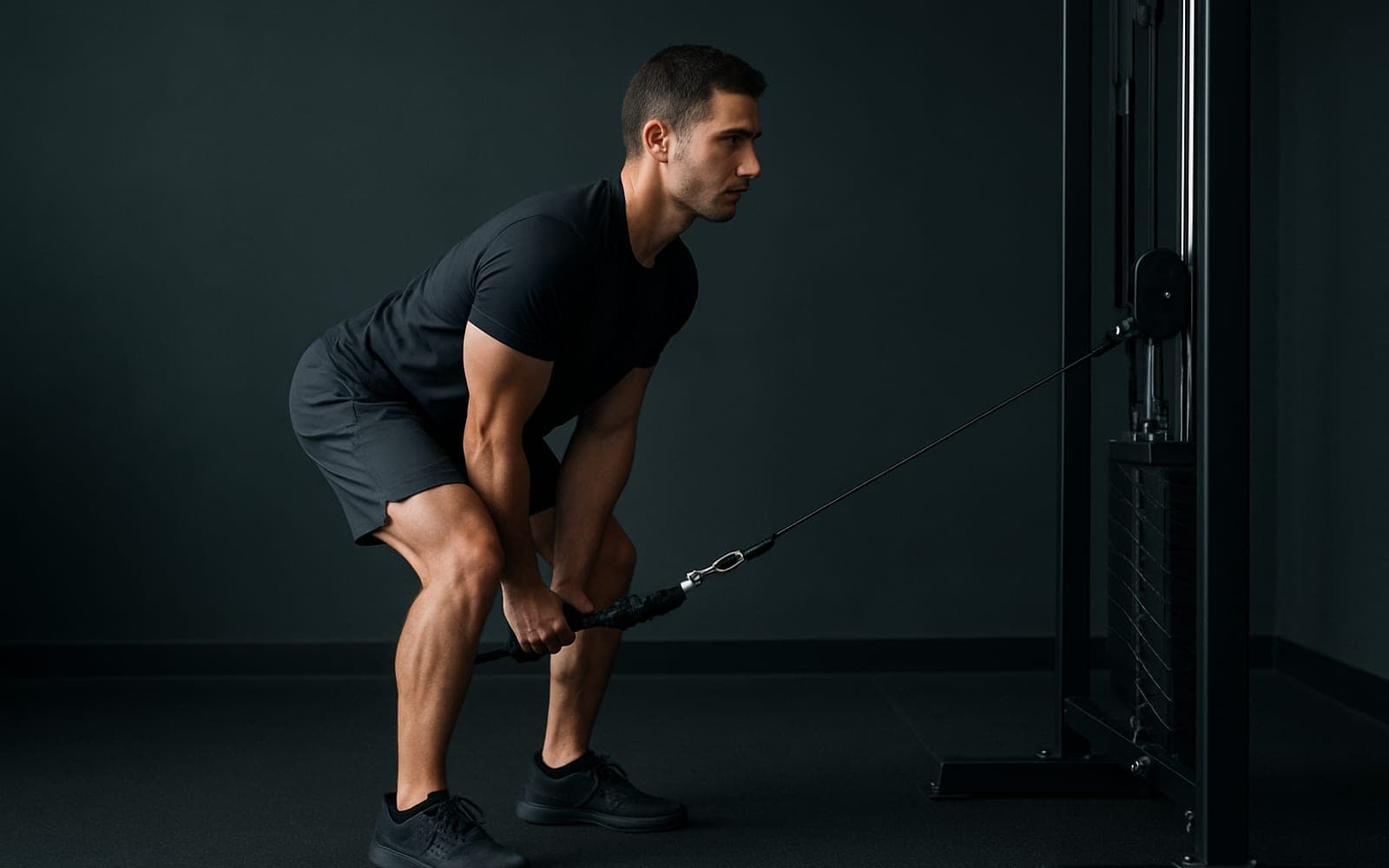
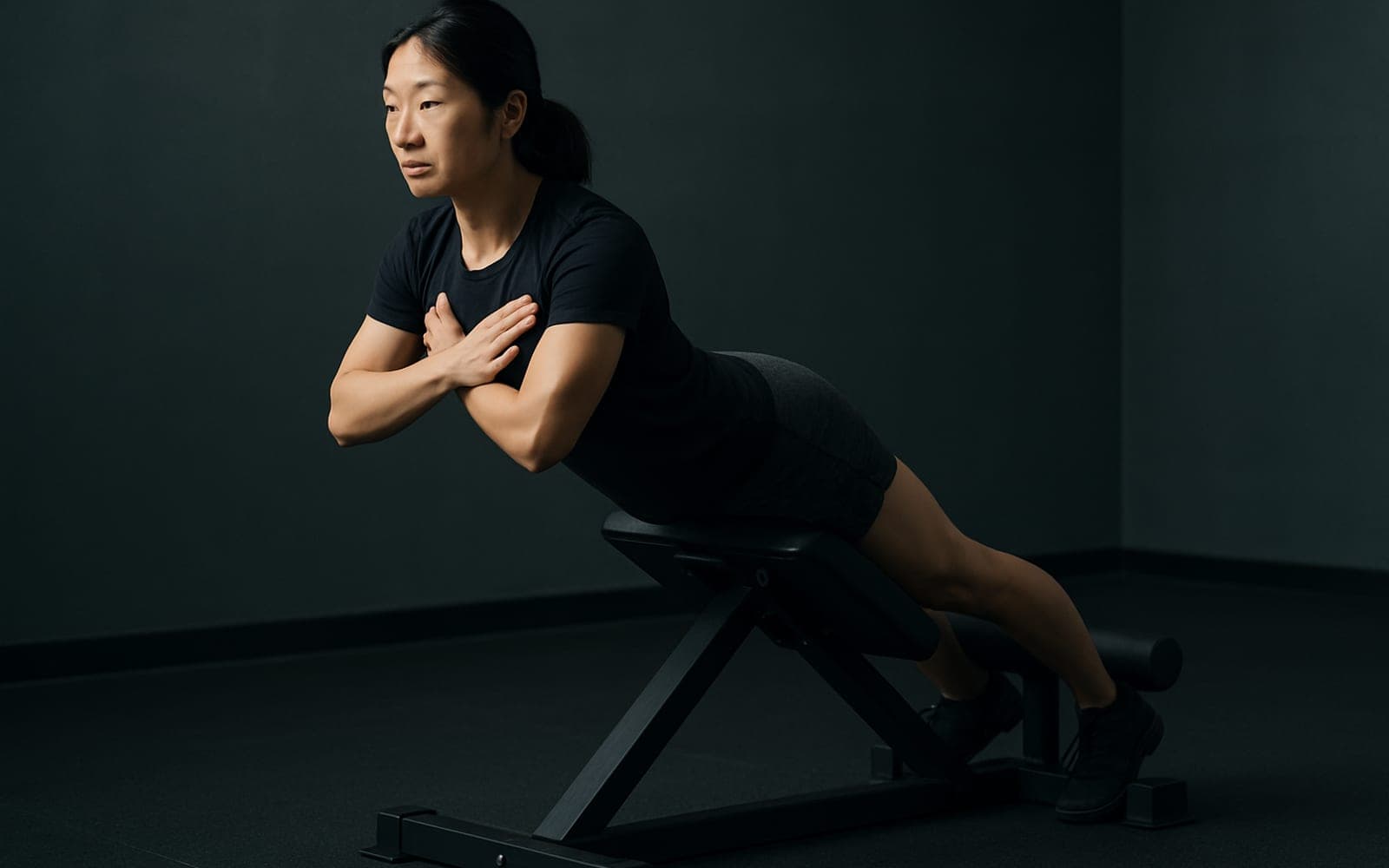
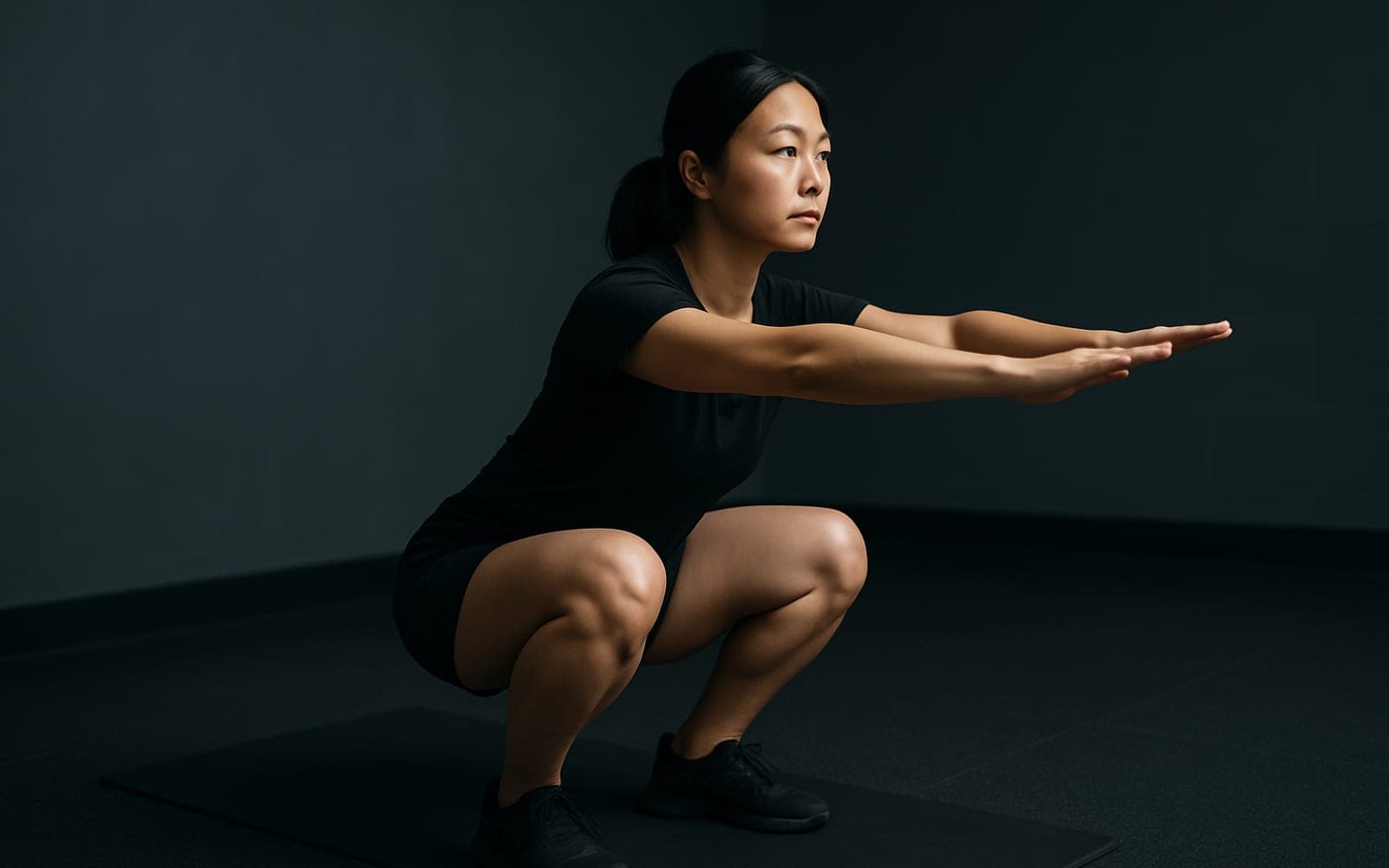
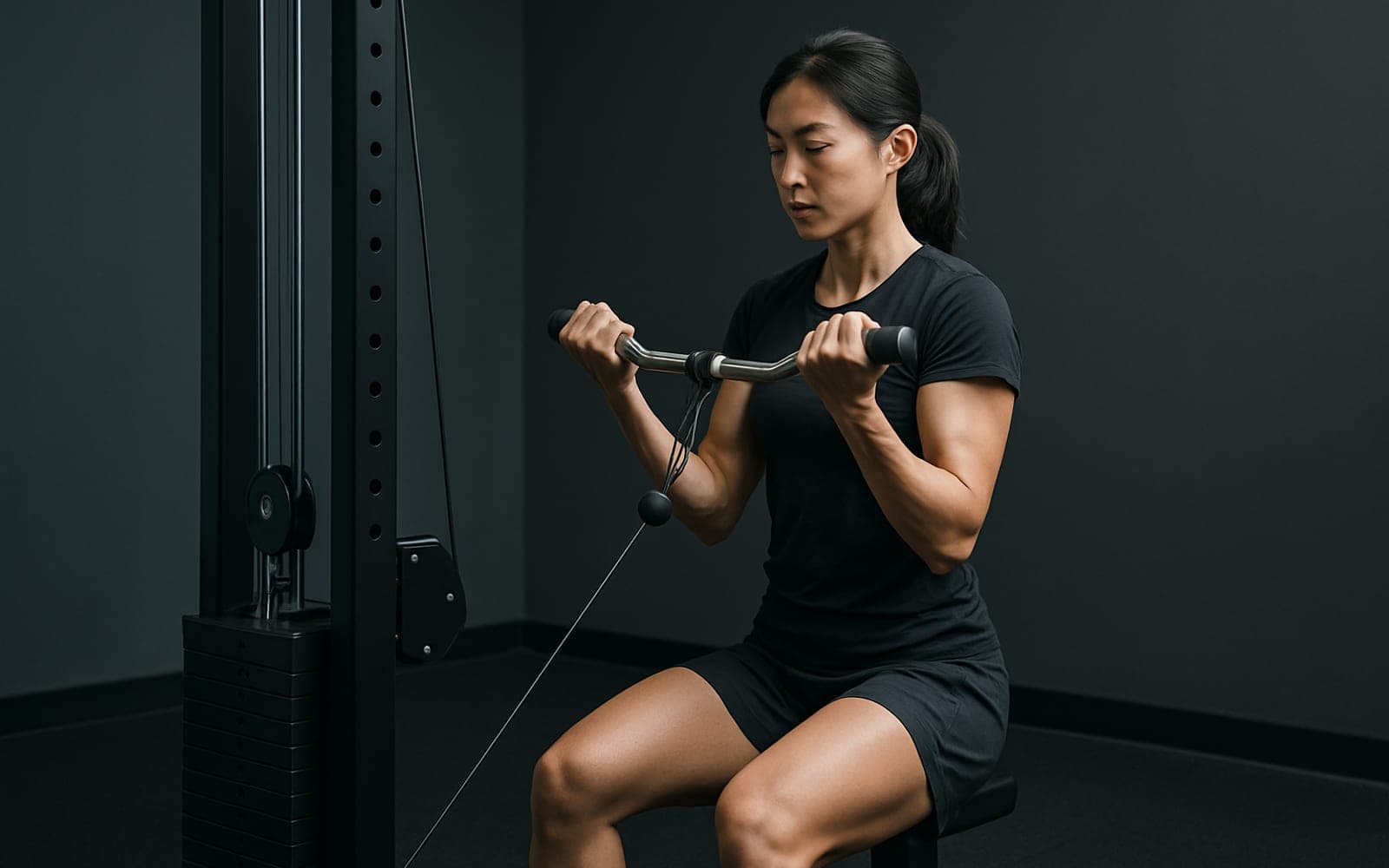
Exercises that pair with this
Same muscles or the same movement pattern — useful for building the rest of the session.
Cable Glute Kickback — questions people ask
What muscles does the cable glute kickback work?
The cable glute kickback trains the glutes as the primary target, with the hamstrings working as support. It is a isolation pattern, so it also trains the coordination that pattern needs.
How many sets and reps of the cable glute kickback should I do?
Three sets of 8–12 reps with about 90 seconds of rest is a reliable default. Increase the weight once the last rep of every set still looks clean.
Is the cable glute kickback good for beginners?
Yes. The cable glute kickback is a beginner-friendly movement. Reduce weight; shorten the range. If it feels like too much, build the pattern on the hip abduction (outer glute) first.
What can I do instead of the cable glute kickback?
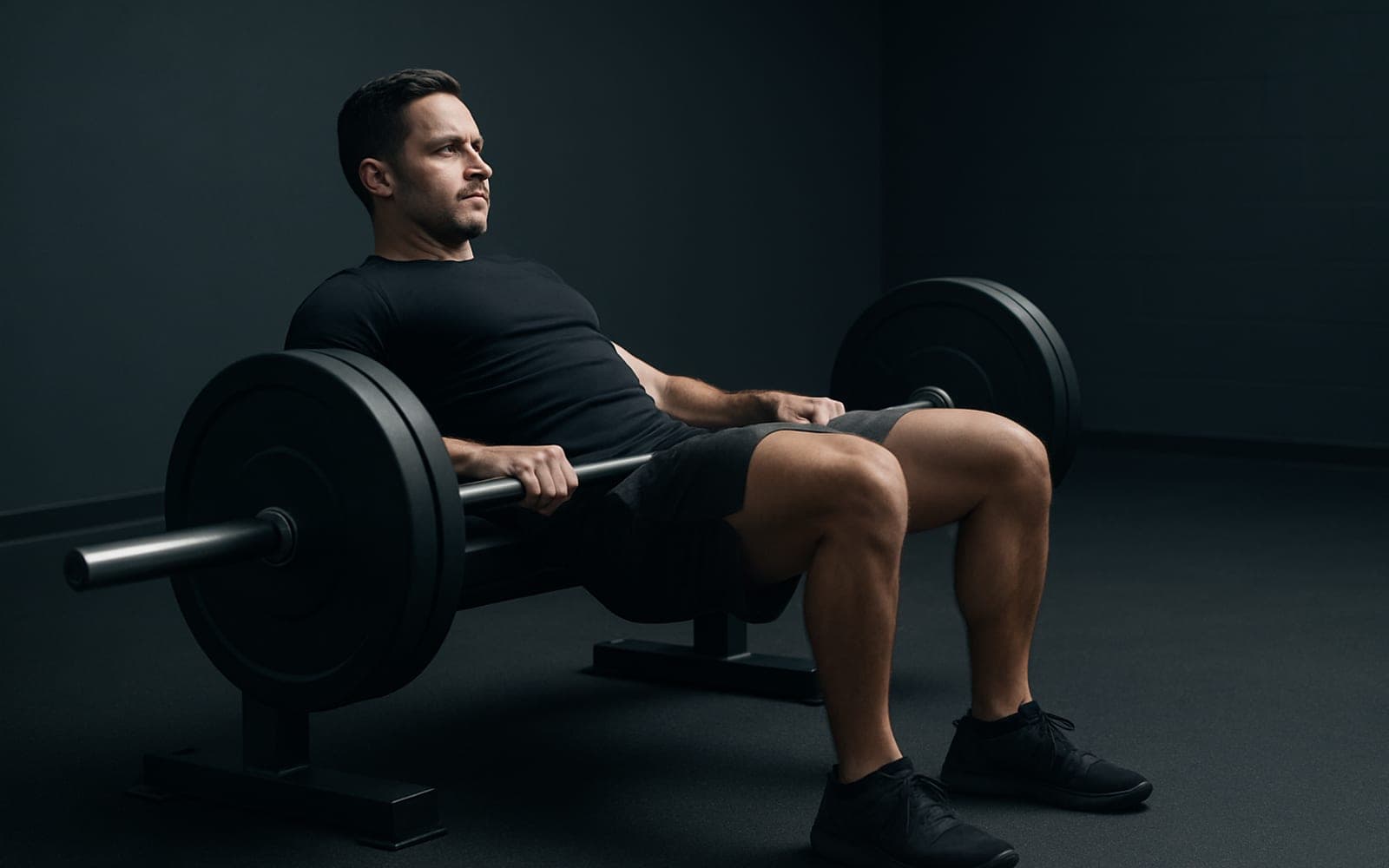
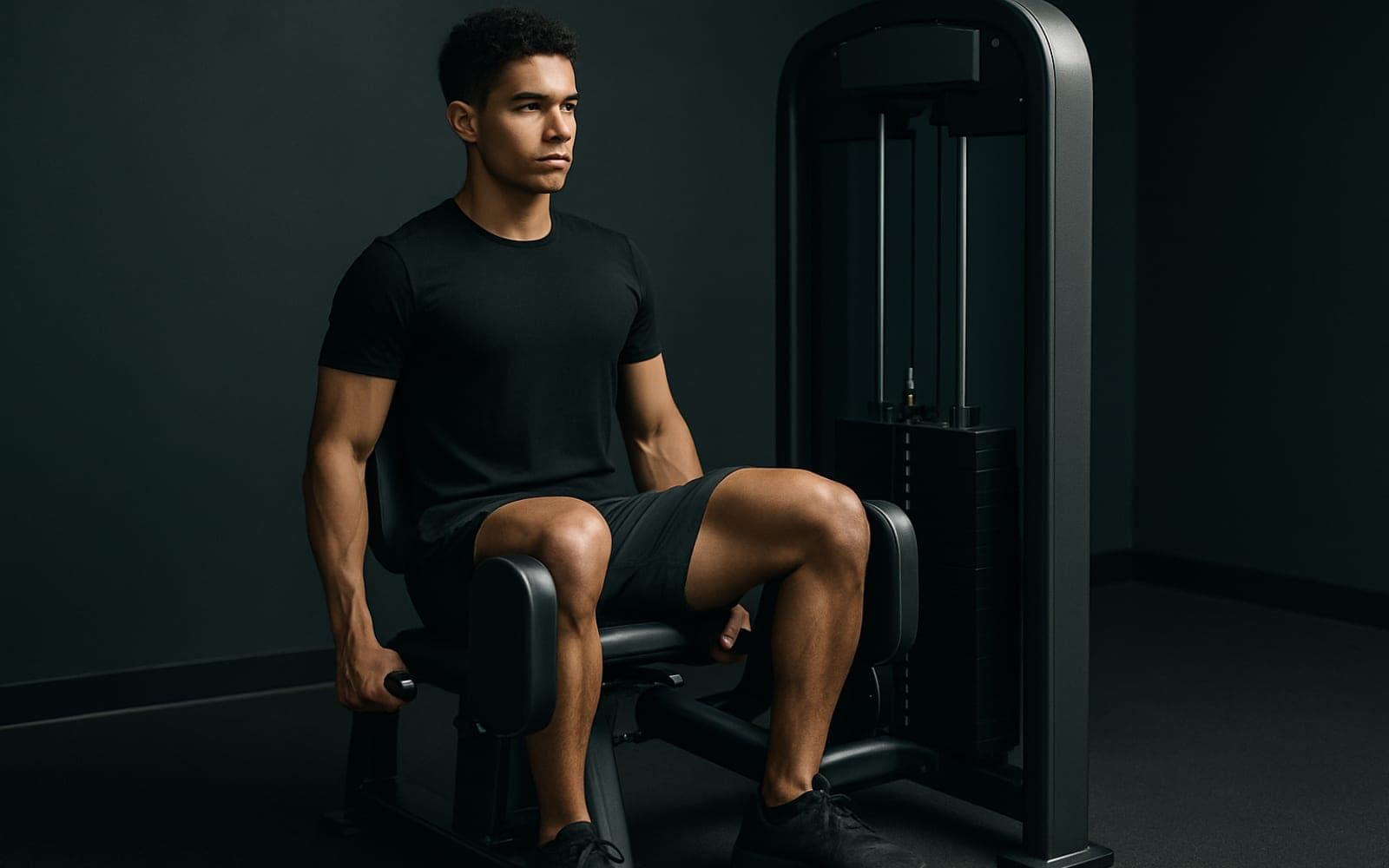
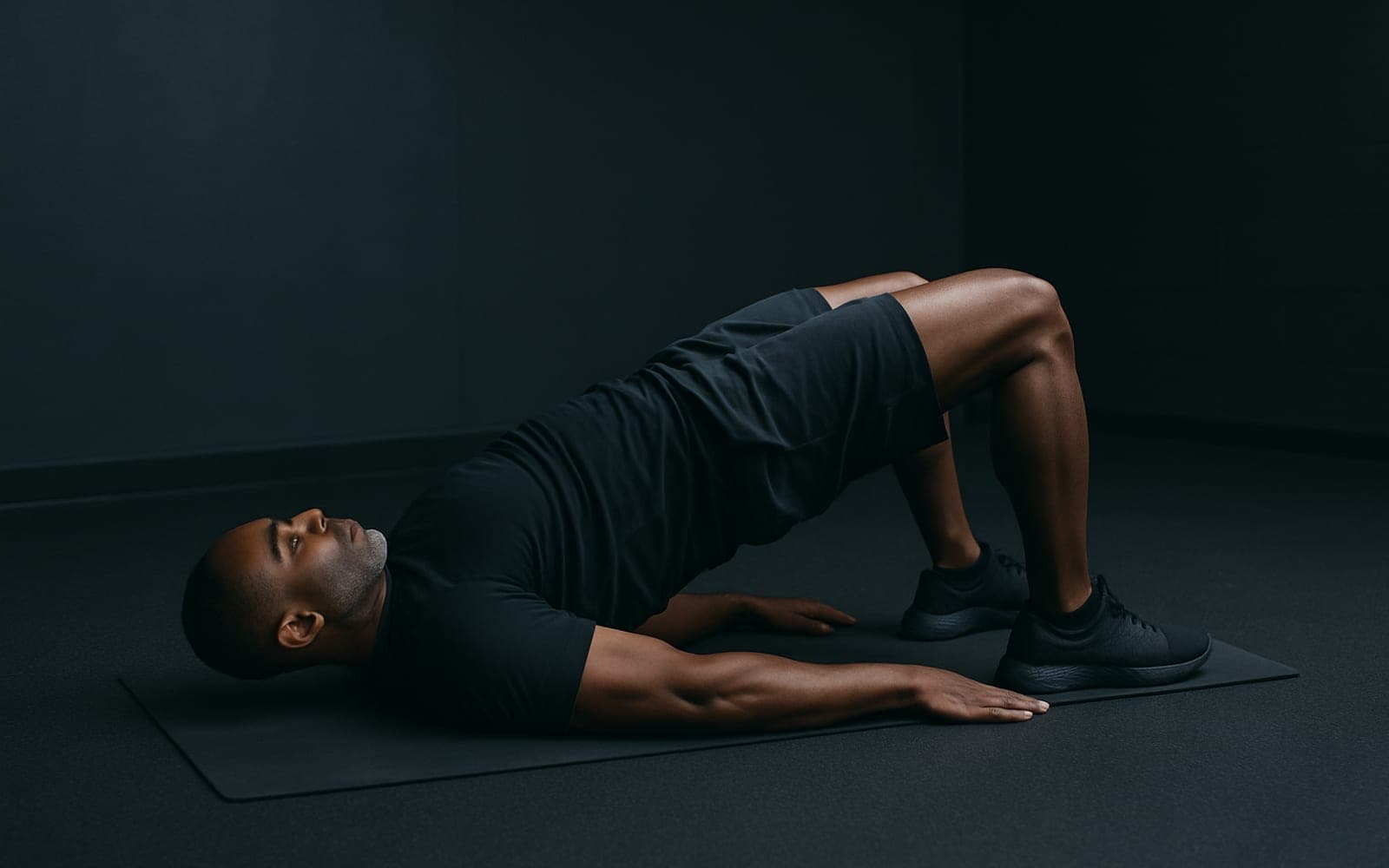
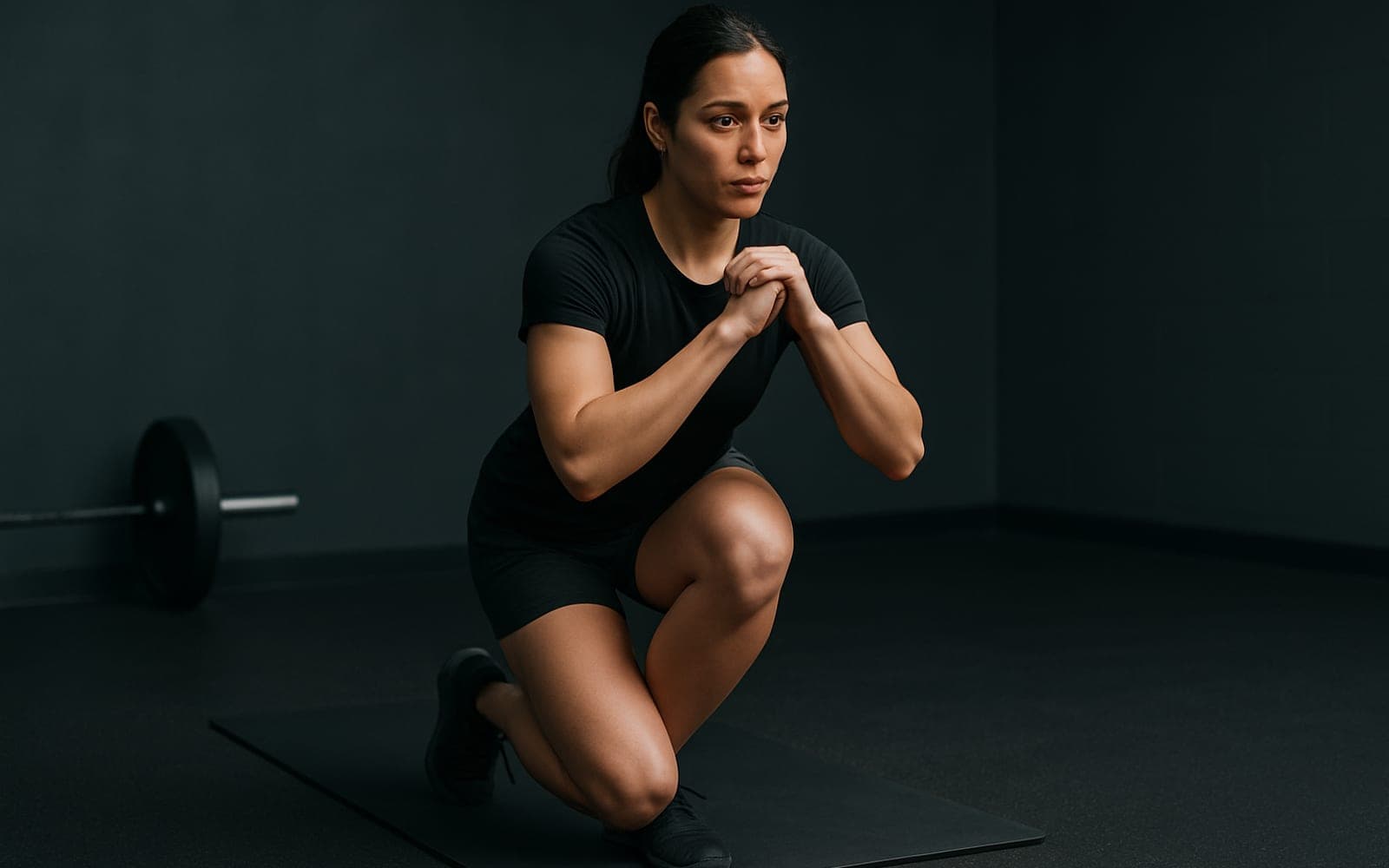
Hip Thrust, Hip Abduction (Outer Glute), Glute Bridge all train the same isolation pattern with different equipment, so any of them works when the machine is busy or your gym does not have it.
What are the most common cable glute kickback mistakes?
Arching the lower back to gain range; Swinging the leg with momentum. Drive the working leg straight back by squeezing the glute, pause at the top, then return under control. Keep the movement at the hip, not the lower back.
Can I do the cable glute kickback at home?
The cable glute kickback needs cable & functional equipment, which most home gyms do not have. The glute bridge trains the same pattern with nothing more than your bodyweight or a band.