Machine Shoulder Press
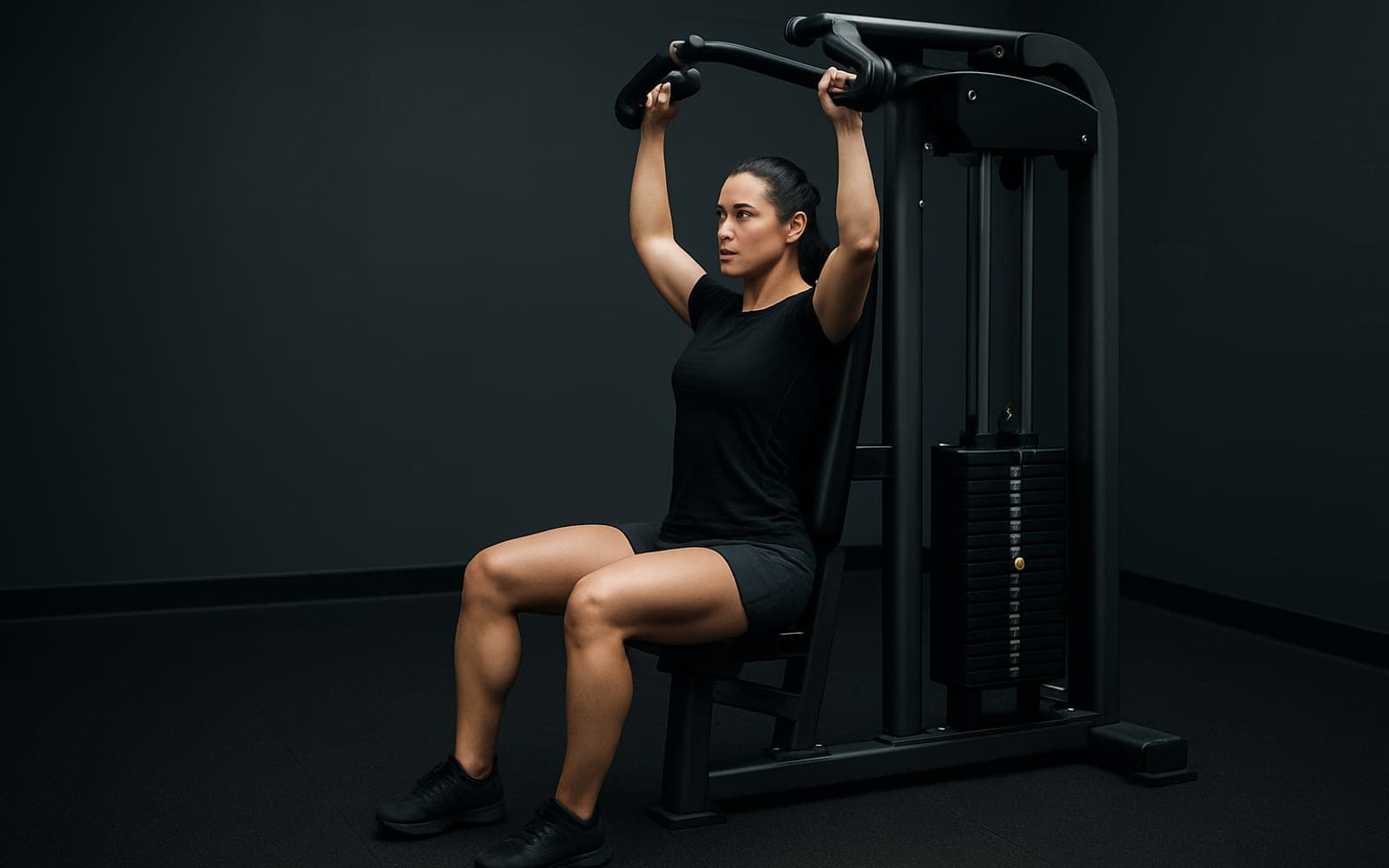
Activation
Muscles worked
Movement
Vertical Push
Beginner · Selectorized Strength
Primary muscles
Secondary muscles
Movement pattern
Equipment category
How to perform
- 1
Set up
Adjust the seat so handles start at shoulder height.
- 2
Execute the movement
Press overhead without shrugging, lower under control.
Common mistakes
- Shrugging the traps
- Arching the lower back
Make it harder
Make it easier
Accessibility
Substitutions
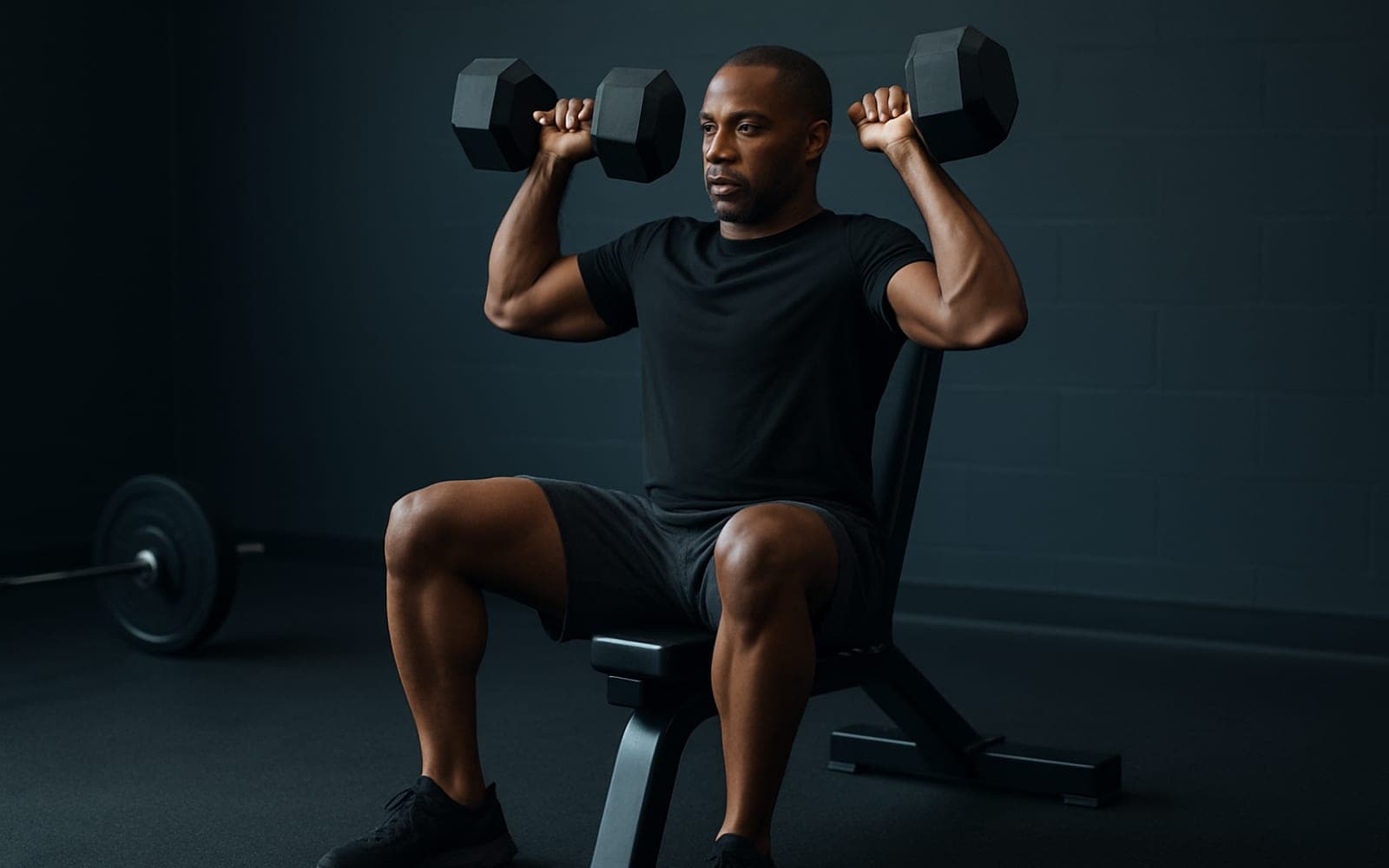
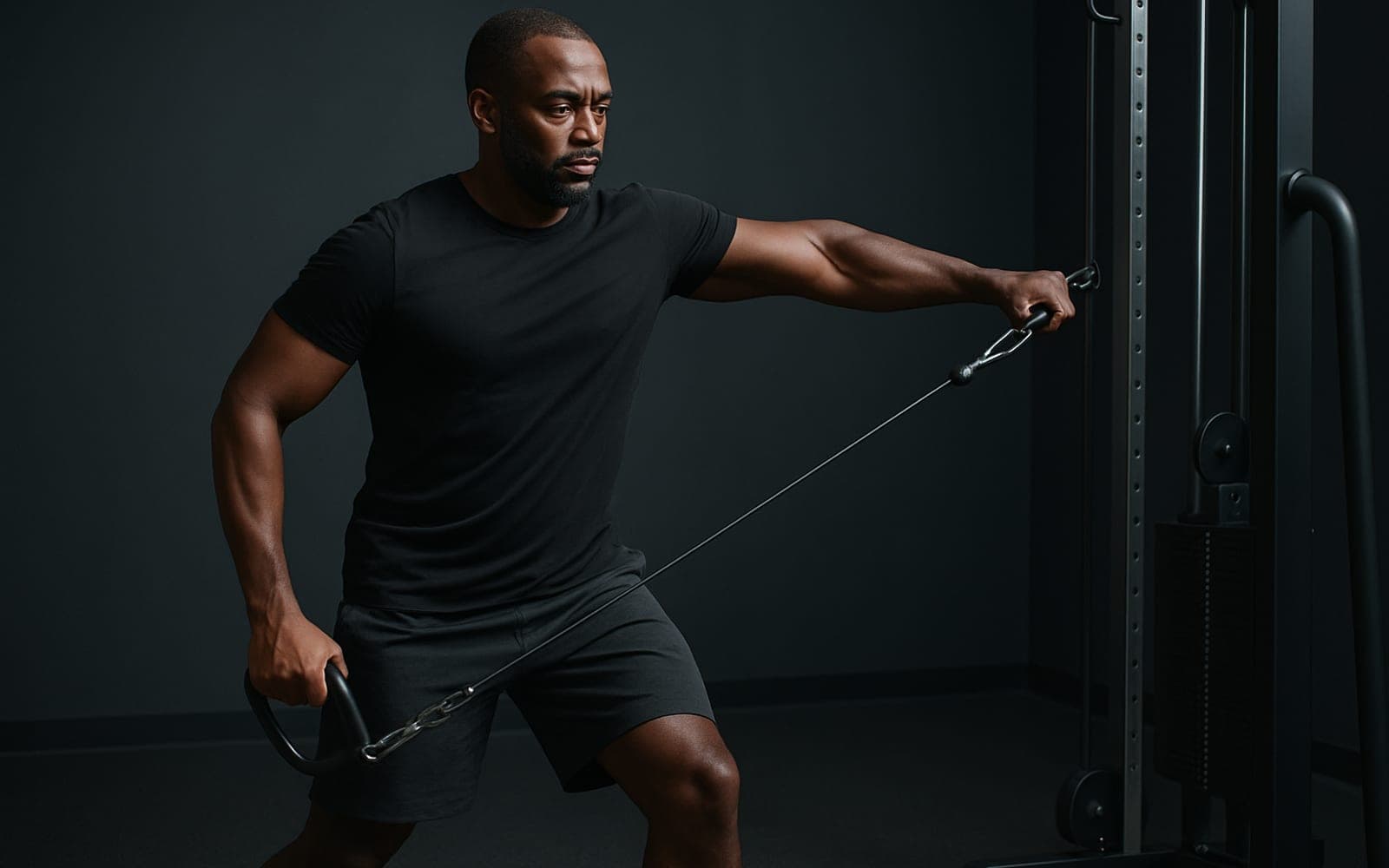
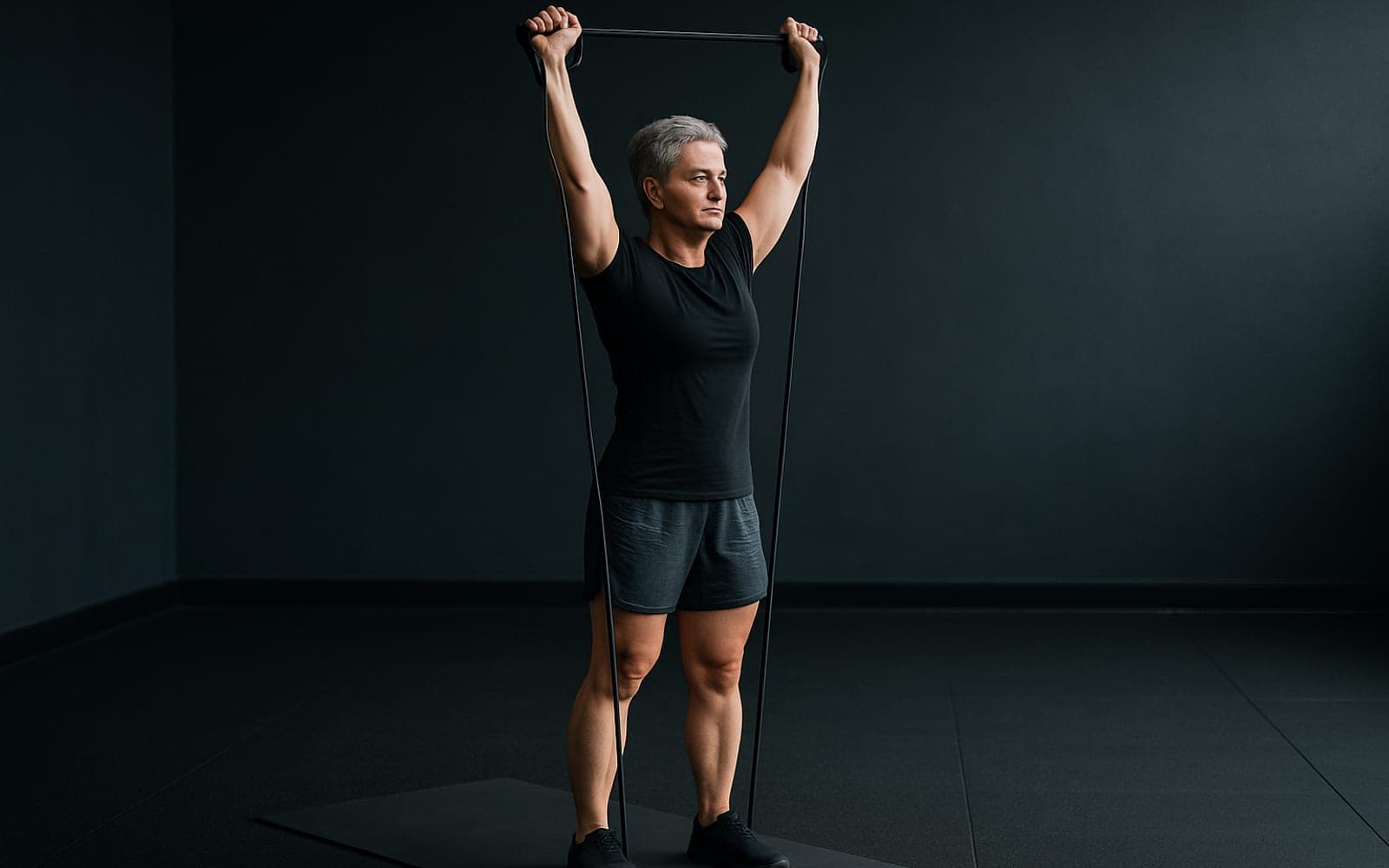
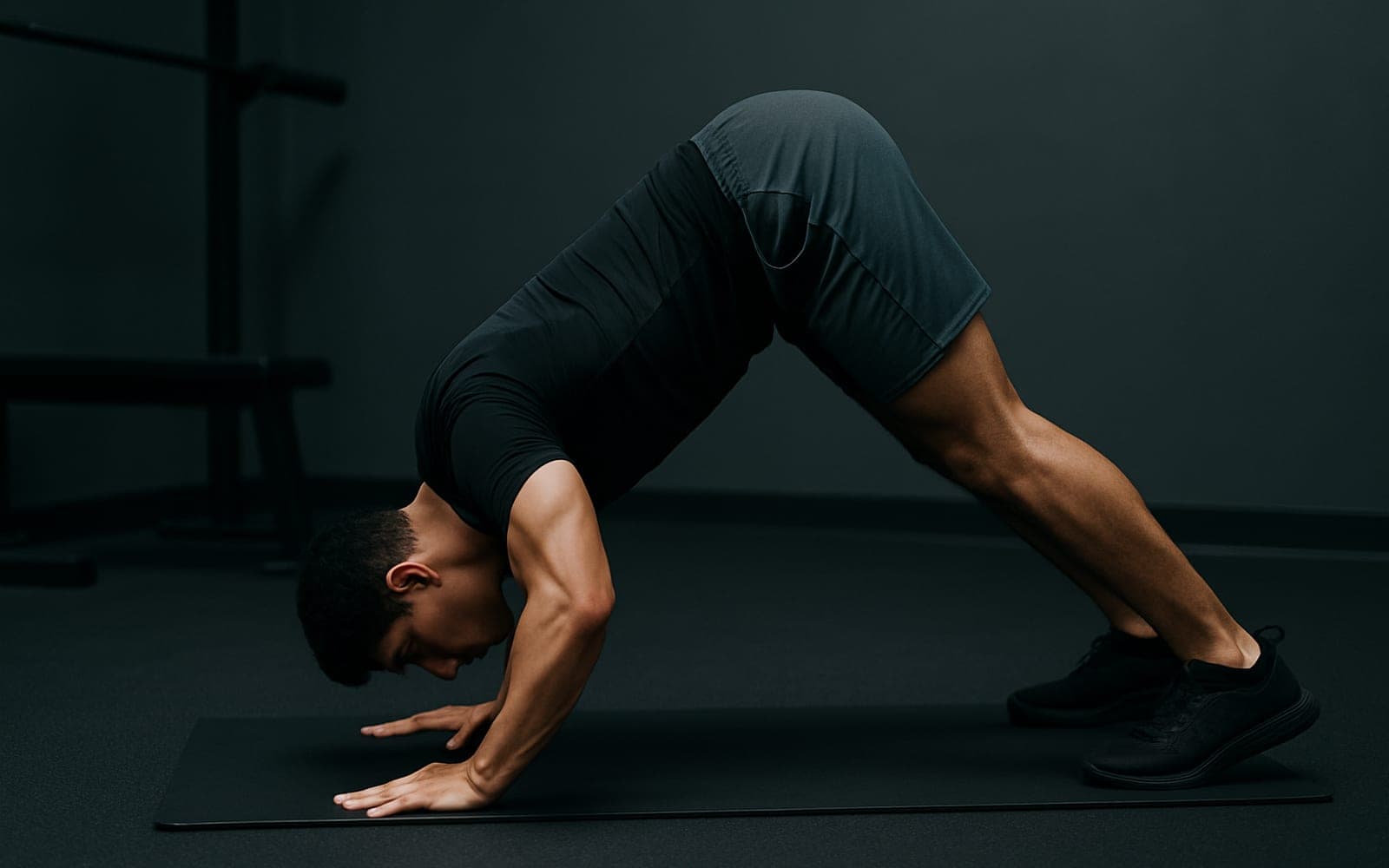
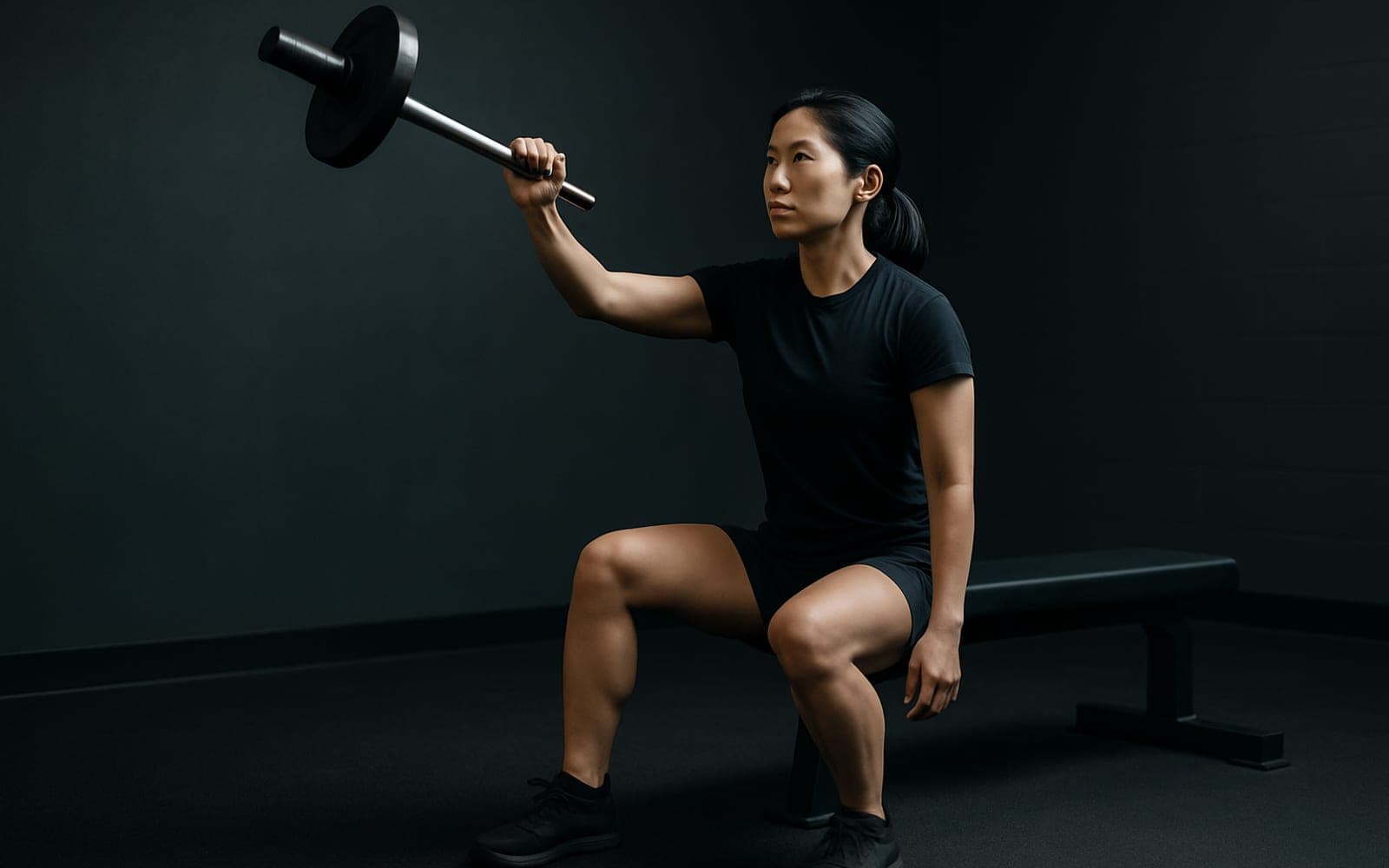
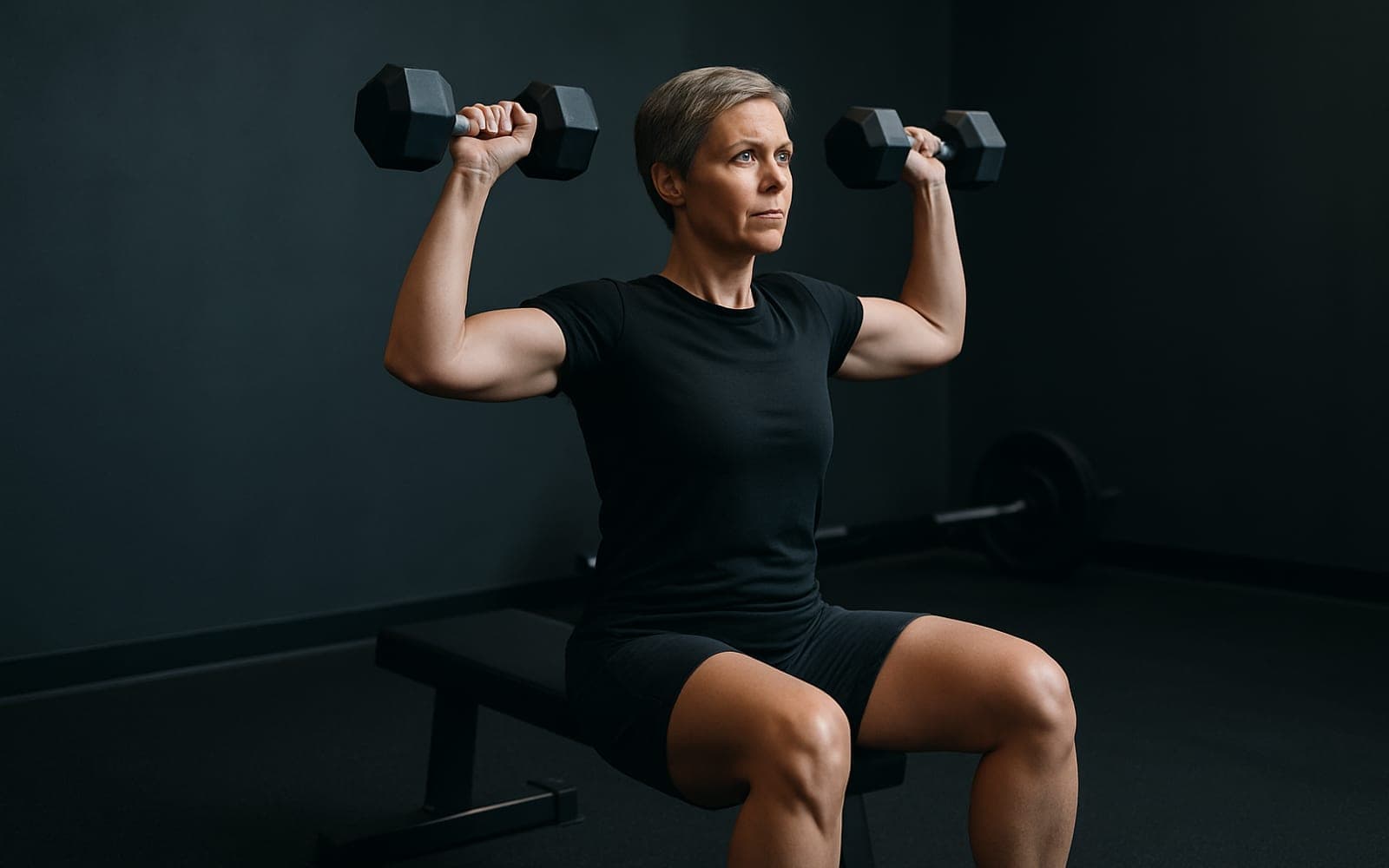
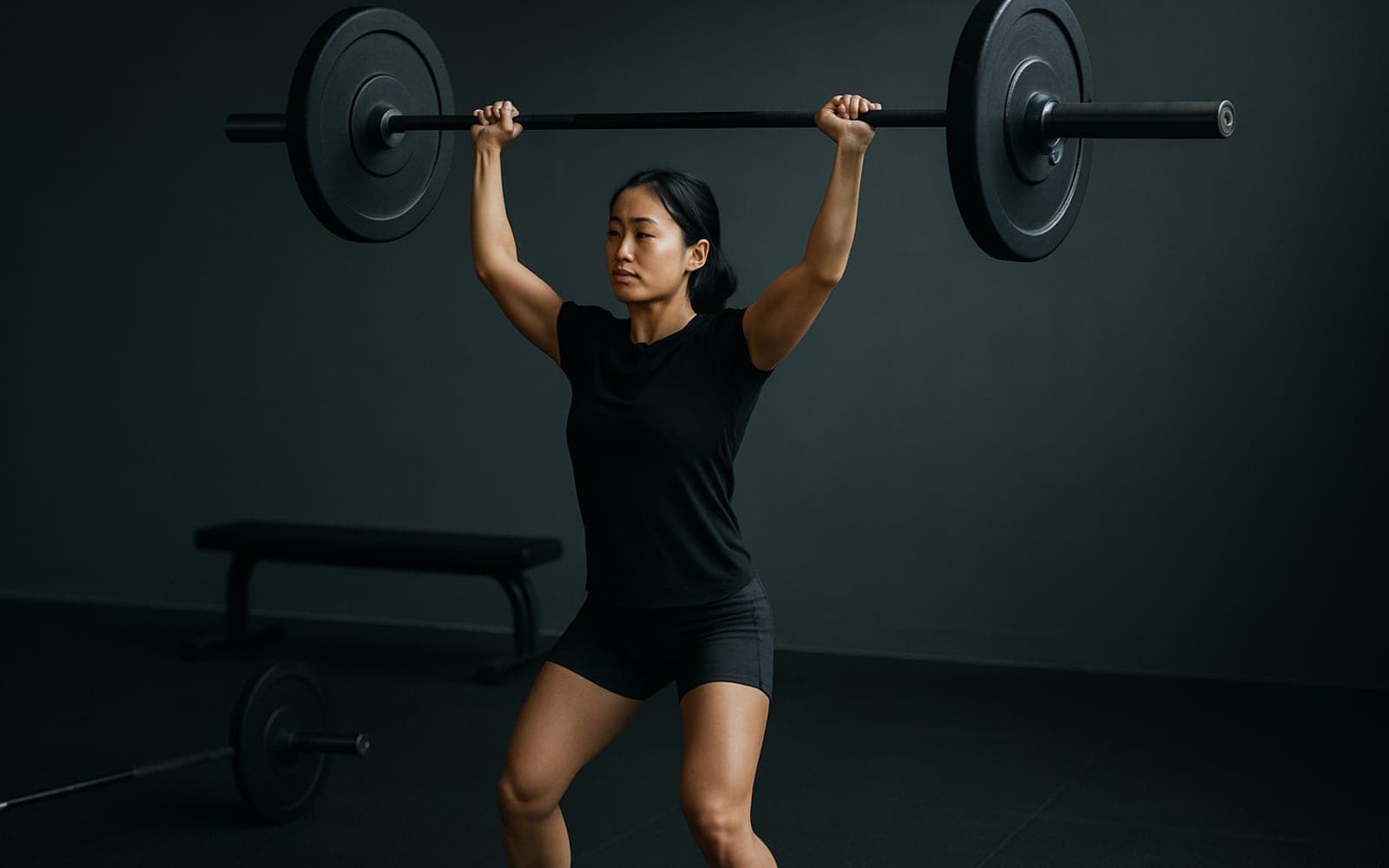
If a machine is busy or unavailable, these train the same pattern a different way.
Your progress over time
What to expect from training this consistently — everyone progresses at their own pace.
- 1
First few sessions
Learn the movement pattern: comfortable seat setup, grip and range, pressing without shrugging, and controlled eccentrics; light loads used while motor pattern and breathing are established.
- 2
Weeks 2–4
Rapid neural adaptation and improved technique allow steady increases in load and total reps; soreness decreases as muscles and connective tissue adapt.
- 3
Months 1–3
Noticeable increases in shoulder size and pressing strength as hypertrophy begins with consistent volume; most beginners can add meaningful weight each session or week in this window.
- 4
Months 3–6
Solid, measurable strength gains and visible shoulder development; ability to handle heavier sets with good form and greater training density (more sets/reps or weight).
- 5
6+ months
Progress slows to smaller, steadier increments; continued gains come from program variation (tempo, volume, range, or unilateral/standing variations) and focused accessory work for stubborn weak points.
Benefits of the machine shoulder press
Directly develops the deltoid muscles (especially anterior and medial heads) for broader, stronger shoulders.
Strengthens the triceps as a key secondary mover, improving lockout strength for pressing actions.
Improves overhead pressing strength and control, carrying over to everyday tasks like placing items on high shelves.
Provides a stable, seated machine environment that reduces lower-back loading, making it beginner-friendly for building pressing capacity safely.
Encourages better shoulder girdle stability and posture when performed without shrugging and with controlled lowering.
Easily progressed with load, reps, or tempo, making it an effective exercise for both hypertrophy and strength goals over time.
Exercises that pair with this
Same muscles or the same movement pattern — useful for building the rest of the session.
Machine Shoulder Press — questions people ask
What muscles does the machine shoulder press work?
The machine shoulder press trains the shoulders as the primary target, with the triceps working as support. It is a vertical push pattern, so it also trains the coordination that pattern needs.
How many sets and reps of the machine shoulder press should I do?
For size, three to four sets of 8–12 reps with 60–90 seconds of rest. For strength, three to five sets of 3–6 reps with longer rest. Add a little weight once you hit the top of the range on every set.
Is the machine shoulder press good for beginners?
Yes. The machine shoulder press is a beginner-friendly movement. Lower the weight; keep reps 12–15. If it feels like too much, build the pattern on the pike push-up first.
What can I do instead of the machine shoulder press?
Dumbbell Shoulder Press, Cable Lateral Raise, Band Overhead Press, Pike Push-Up all train the same vertical push pattern with different equipment, so any of them works when the machine is busy or your gym does not have it.
What are the most common machine shoulder press mistakes?
Shrugging the traps; Arching the lower back. Press overhead without shrugging, lower under control.
Can I do the machine shoulder press at home?
The machine shoulder press needs selectorized strength equipment, which most home gyms do not have. The pike push-up trains the same pattern with nothing more than your bodyweight or a band.