Cable Lateral Raise

Activation
Muscles worked
Movement
Isolation
Intermediate · Cable & Functional
Primary muscles
Secondary muscles
Movement pattern
Equipment category
How to perform
- 1
Set up
Low pulley across the body.
- 2
Execute the movement
Raise to shoulder height under constant tension.
Common mistakes
- Shrugging
Make it harder
Make it easier
Substitutions
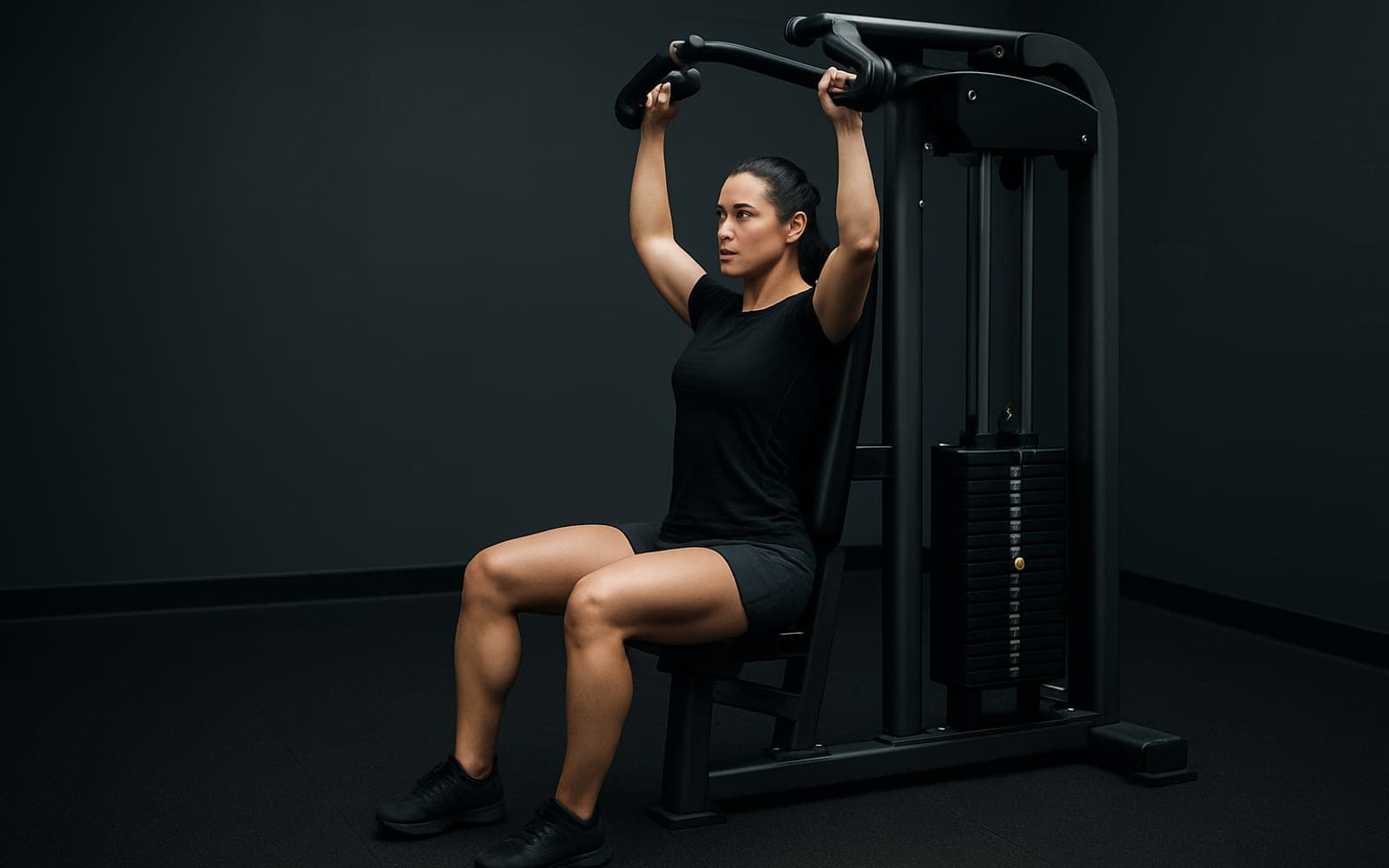
If a machine is busy or unavailable, these train the same pattern a different way.

Your progress over time
What to expect from training this consistently — everyone progresses at their own pace.
- 1
First few sessions
Learn setup and path: proper cable height, slight elbow bend, smooth arc to shoulder height, and feeling the lateral deltoid working under constant tension; focus on light weight and strict form.
- 2
Weeks 2–6
Neuromuscular improvements: better mind–muscle connection, cleaner reps with less shoulder shrugging, and ability to use slightly heavier loads for 8–15 reps while maintaining form.
- 3
Months 2–4
Consistent hypertrophy: measurable increase in lateral deltoid fullness and shoulder width for most trainees, plus improved muscular endurance at moderate rep ranges.
- 4
Months 4–8
Noticeable aesthetic and strength carryover: thicker side delts that contribute to a broader silhouette and more confidence using heavier but controlled loads for volume work.
- 5
6+ months
Refined shape and symmetry: long-term balanced lateral delt development, improved ability to vary tempo and load (drop sets, pauses, slow eccentrics) to continue progressive overload.
Benefits of the cable lateral raise
Directly isolates the lateral deltoid, maximizing targeted hypertrophy for shoulder width and cap development.
Maintains near-constant tension through the movement, promoting time-under-tension adaptations useful for muscle growth.
Teaches controlled abduction movement patterns that reduce reliance on momentum and compensatory upper trapezius activation.
Improves shoulder aesthetics and proportionality, carrying over to a broader, more balanced upper-body appearance.
Easy to modify tempo, range, and load for progressive overload and variety without heavy spinal loading.
Low technical demand compared with heavy pressing movements, making it a practical accessory to add volume without excessive systemic fatigue.
Exercises that pair with this
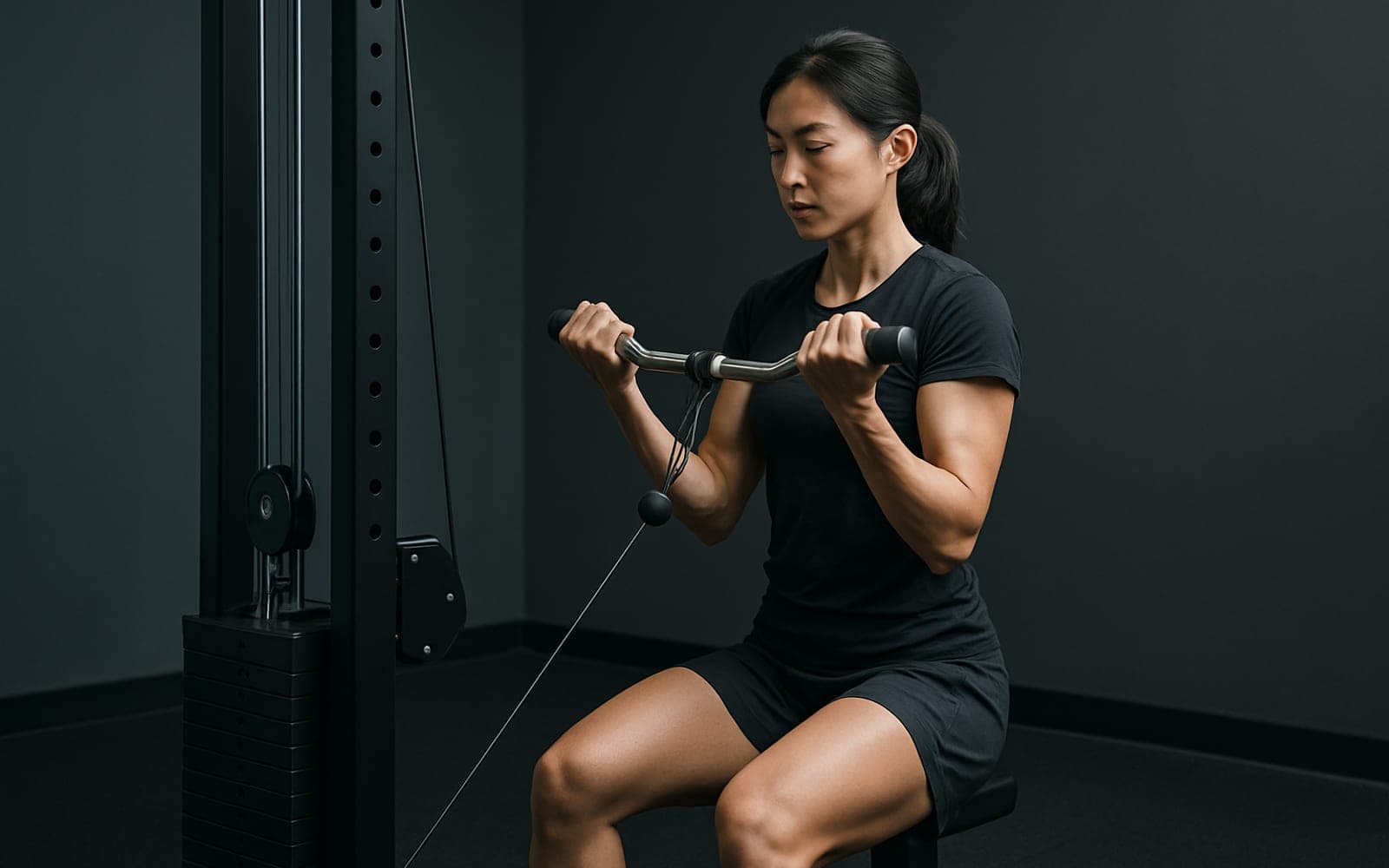
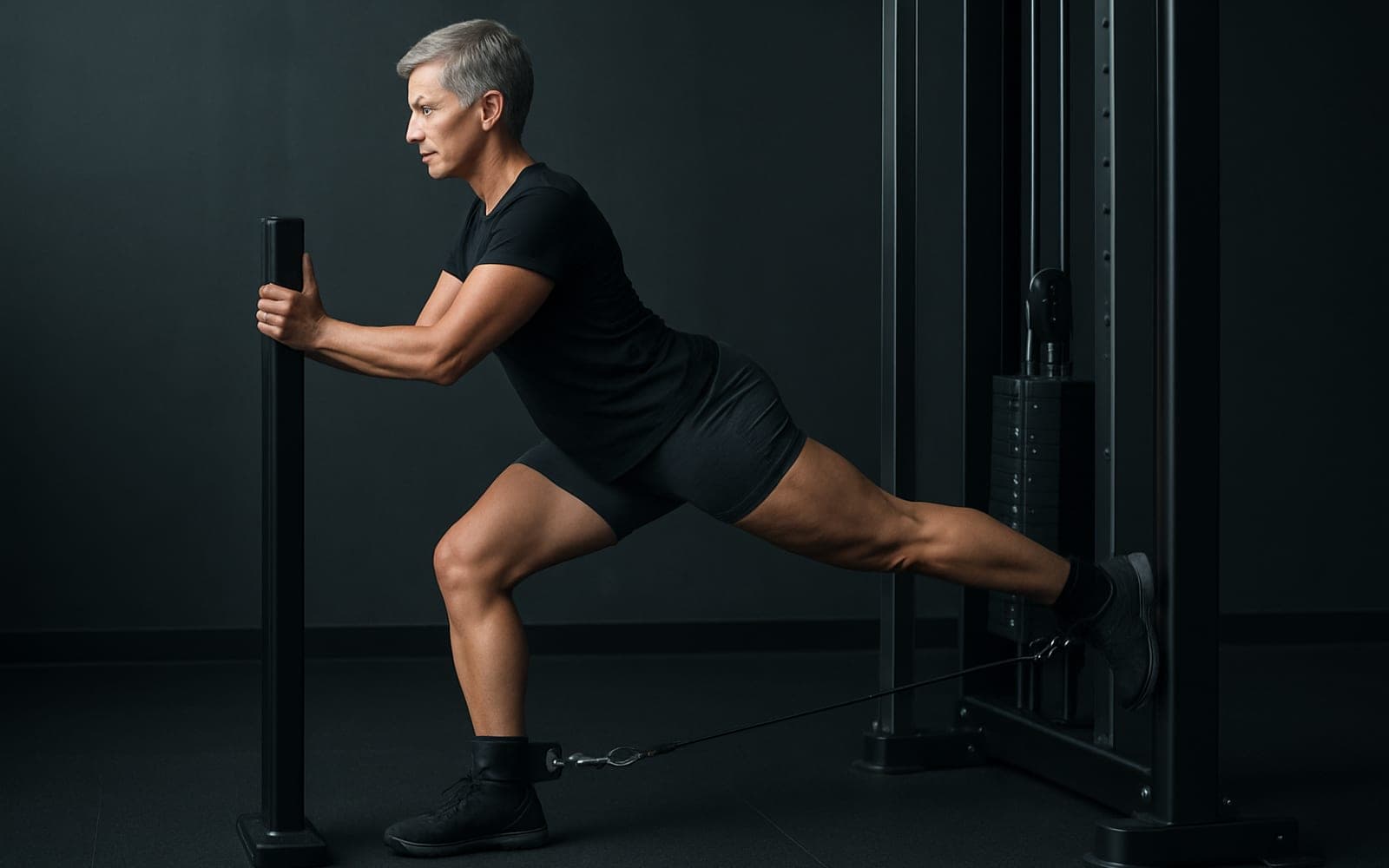
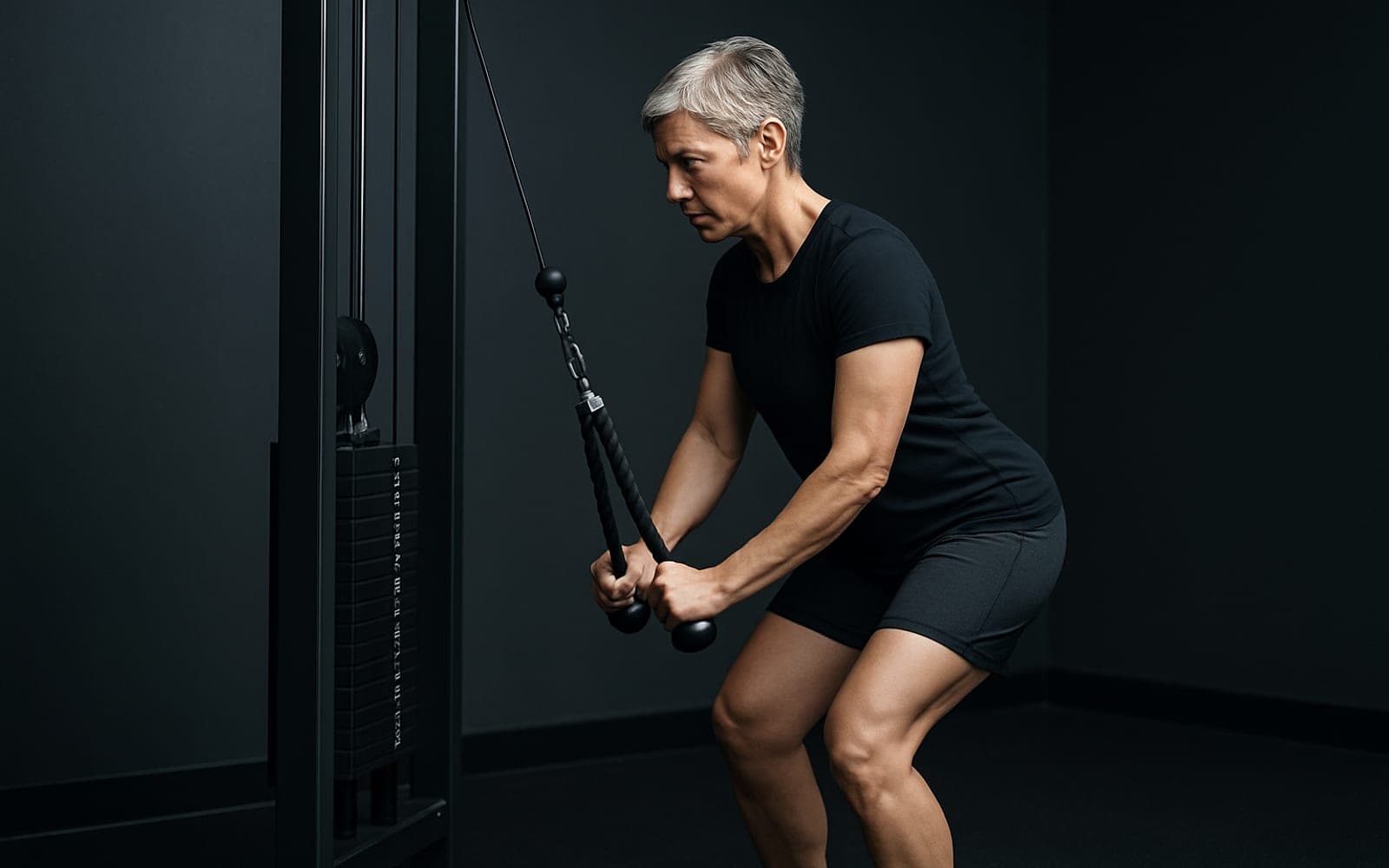
Same muscles or the same movement pattern — useful for building the rest of the session.



Cable Lateral Raise — questions people ask
What muscles does the cable lateral raise work?
The cable lateral raise trains the side delts as the primary target. It is a isolation pattern, so it also trains the coordination that pattern needs.
How many sets and reps of the cable lateral raise should I do?
Three sets of 8–12 reps with about 90 seconds of rest is a reliable default. Increase the weight once the last rep of every set still looks clean.
Is the cable lateral raise good for beginners?
It is a reasonable second step. The cable lateral raise asks for some control and body awareness. Reduce weight. If it feels like too much, build the pattern on the machine shoulder press first.
What can I do instead of the cable lateral raise?
Lateral Raise, Machine Shoulder Press all train the same isolation pattern with different equipment, so any of them works when the machine is busy or your gym does not have it.
What are the most common cable lateral raise mistakes?
Shrugging. Raise to shoulder height under constant tension.
Can I do the cable lateral raise at home?
It needs cable & functional equipment, so it belongs in a gym session rather than a home workout unless you own that equipment.