Reverse Curl
Activation
Muscles worked
Movement
Isolation
Beginner · Free Weights
Primary muscles
Secondary muscles
Movement pattern
Equipment category
How to perform
- 1
Set up
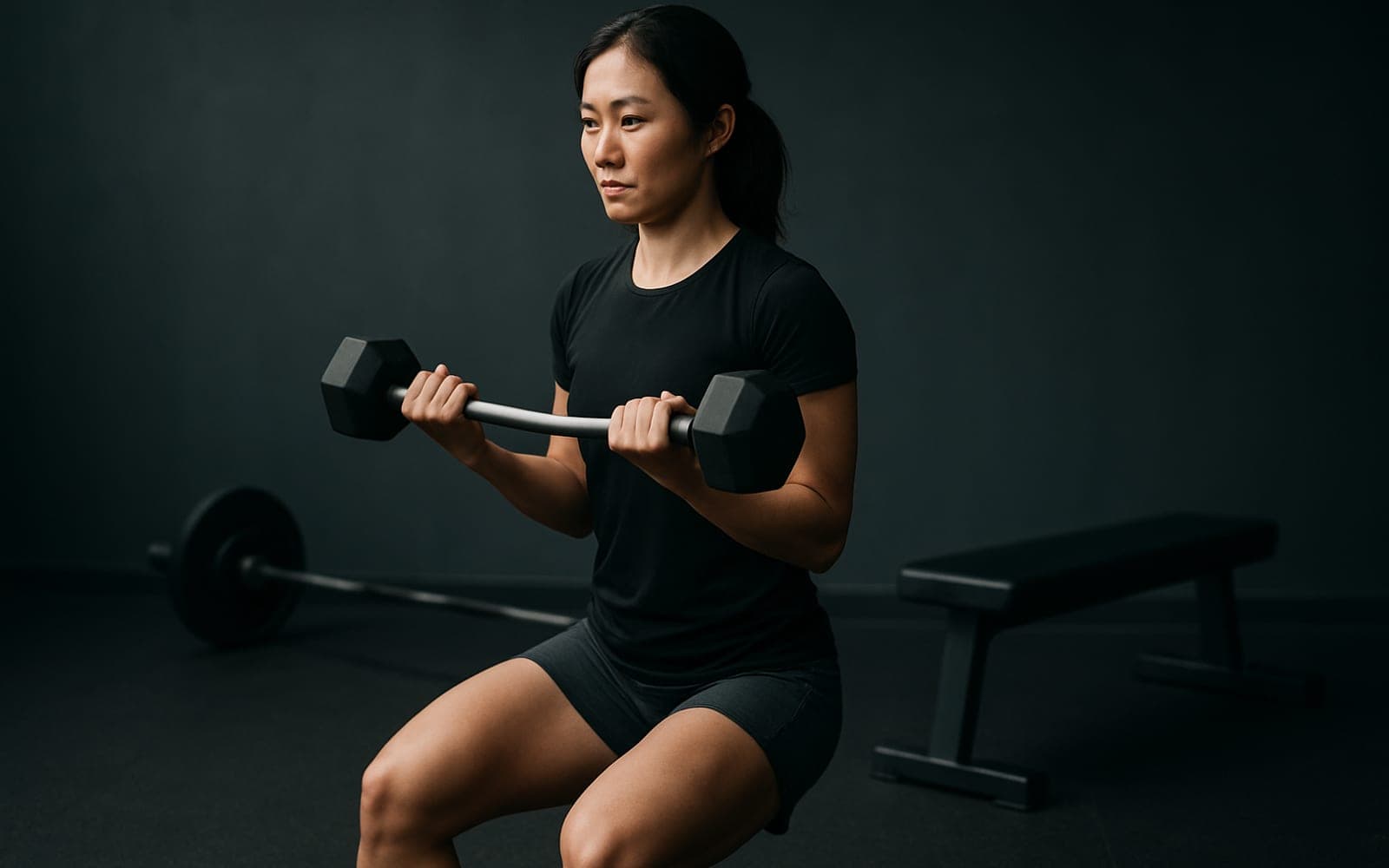
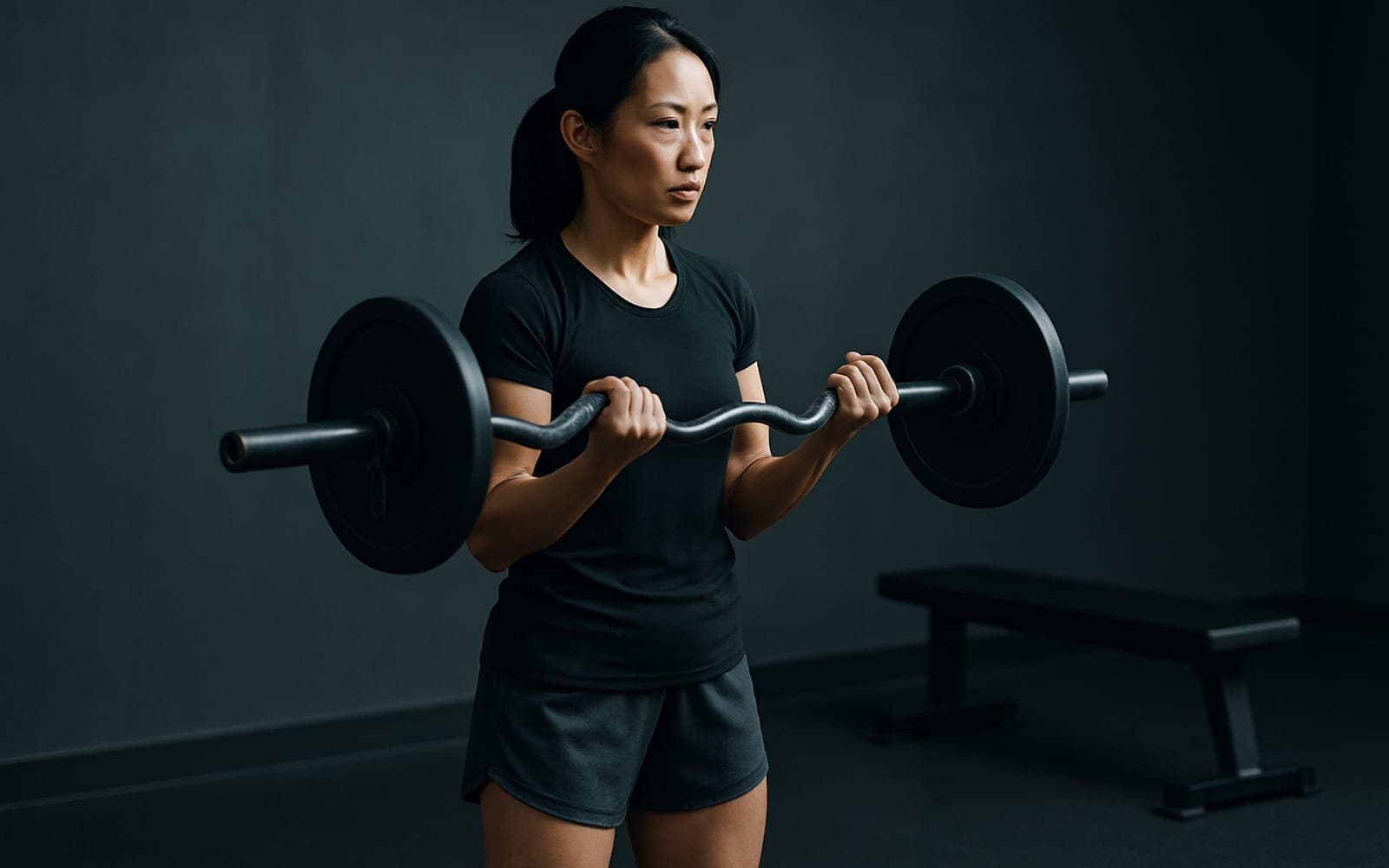
Hold a barbell or dumbbells with an overhand (palms-down) grip at the thighs.
- 2
Execute the movement
Curl the weight up keeping the wrists firm, then lower under control. This targets the forearms and brachialis.
Common mistakes
- Wrists collapsing
- Swinging the load
Make it harder
Make it easier
Substitutions
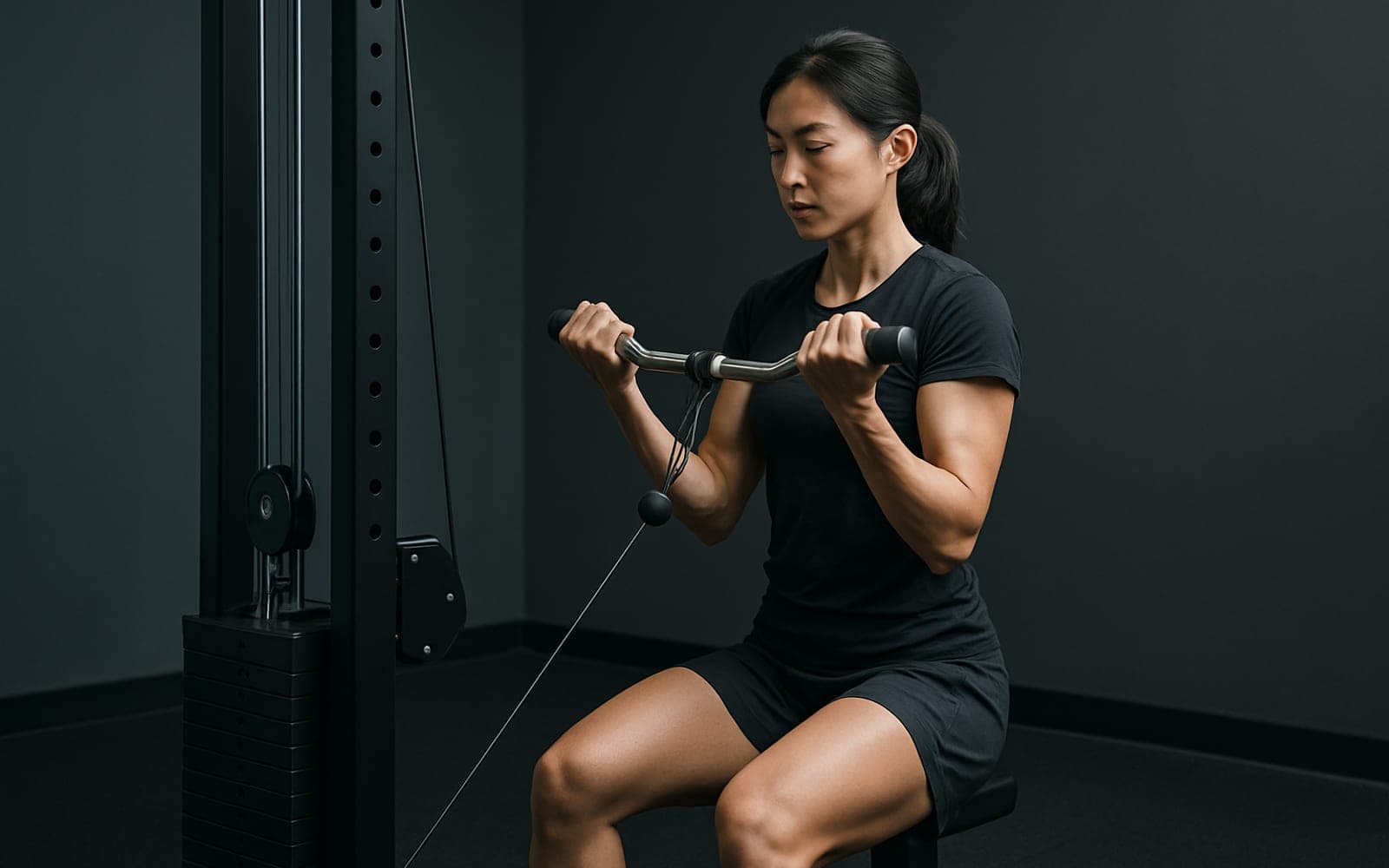
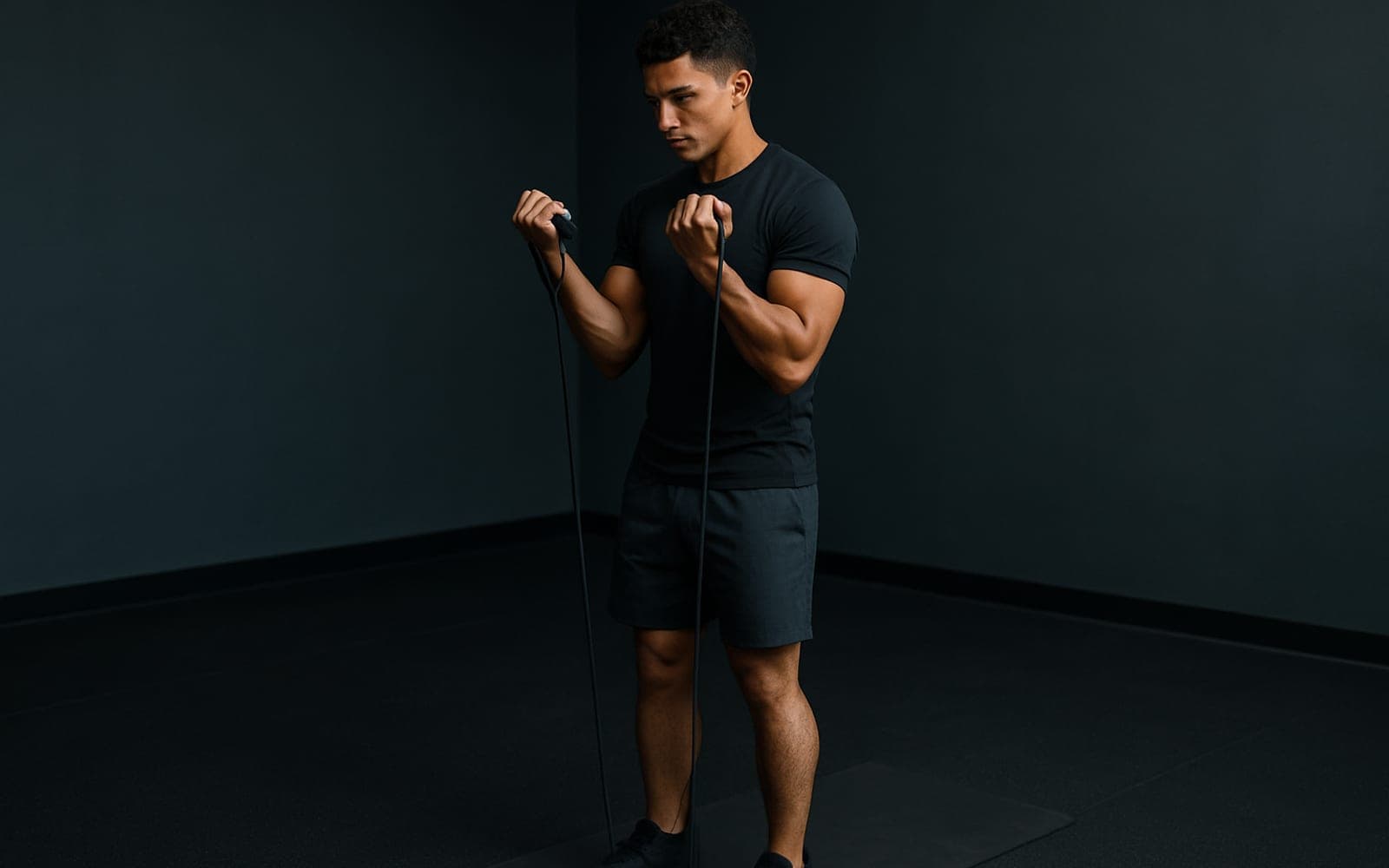
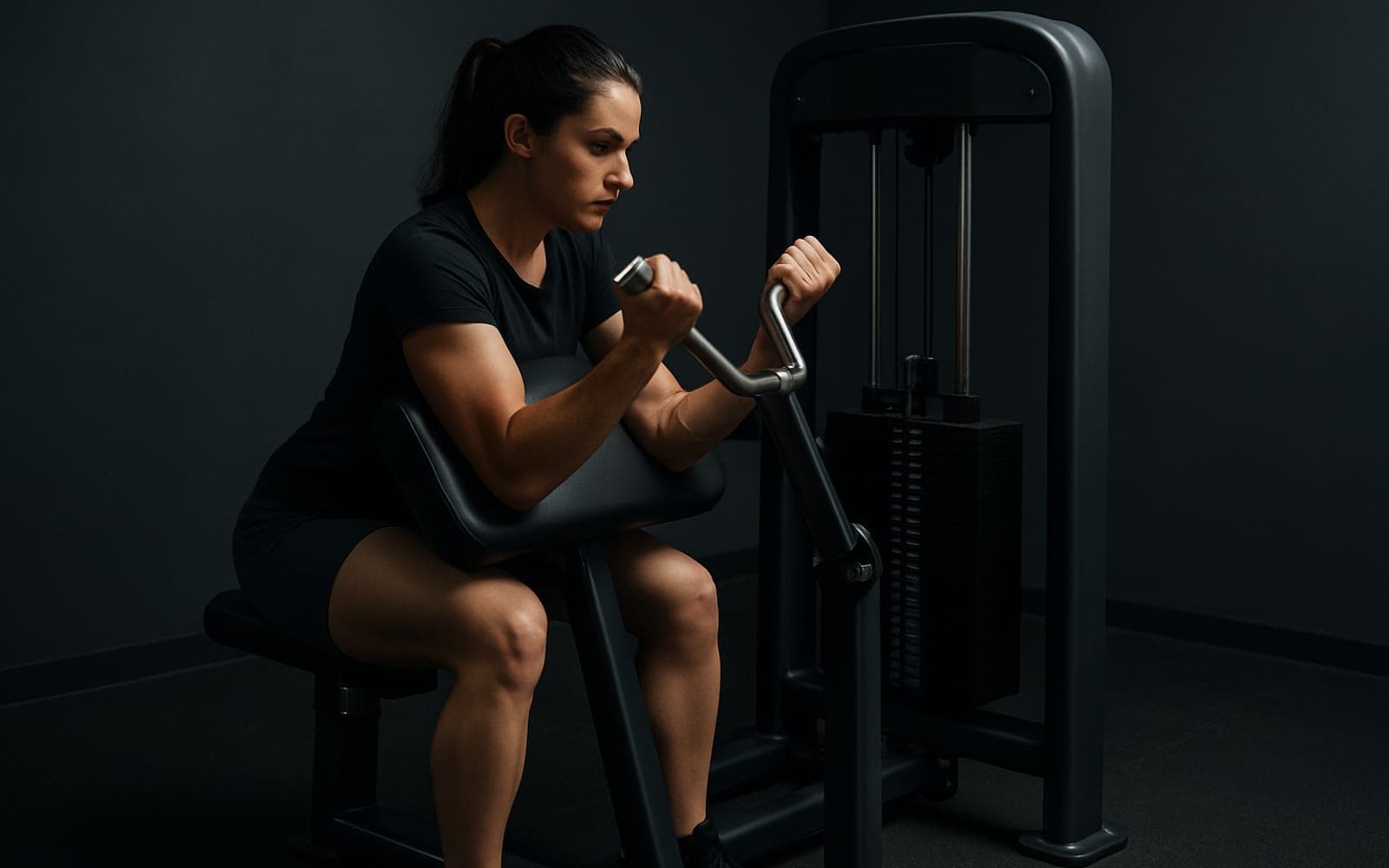
If a machine is busy or unavailable, these train the same pattern a different way.
Your progress over time
What to expect from training this consistently — everyone progresses at their own pace.
- 1
First few sessions
Learn the movement pattern and wrist positioning; you’ll feel the brachioradialis and forearm extensors engage and establishing a strict curl rhythm with light weight.
- 2
Weeks 2–4
Notice improved mind–muscle connection and endurance in forearms; you can increase sets or slightly raise load while maintaining wrist neutrality and controlled eccentrics.
- 3
Months 2–3
Visible and measurable increases in forearm thickness and brachialis development for most trainees, with stronger, more confident gripping during sets and better load tolerance.
- 4
Months 4–6
Substantial strength and size gains in the forearms and brachialis; you’ll handle heavier reverse-curl loads with strict form and the exercise contributes to better performance on compound pulling movements.
- 5
6+ months
Consistent long-term development of forearm density, improved grip stamina in daily tasks and lifts, and the ability to use reverse curls strategically for balance and aesthetics in upper-arm training.
Benefits of the reverse curl
Directly targets the forearm musculature (brachioradialis and wrist extensors) for increased size and definition.
Works the brachialis as a secondary mover, which can make the upper arm look fuller by pushing the biceps outward.
Improves wrist and forearm strength and endurance, aiding grip-dependent activities and lifts such as rows and deadlifts.
Teaches controlled eccentric lowering under a pronated grip, increasing tendon and connective tissue resilience around the elbow.
Is an isolation movement that complements compound lifts by addressing forearm weak points without taxing the central nervous system heavily.
Easy to scale and vary (rep ranges, tempo, implement) making it suitable for progressive overload and long-term hypertrophy-focused programs.
Exercises that pair with this
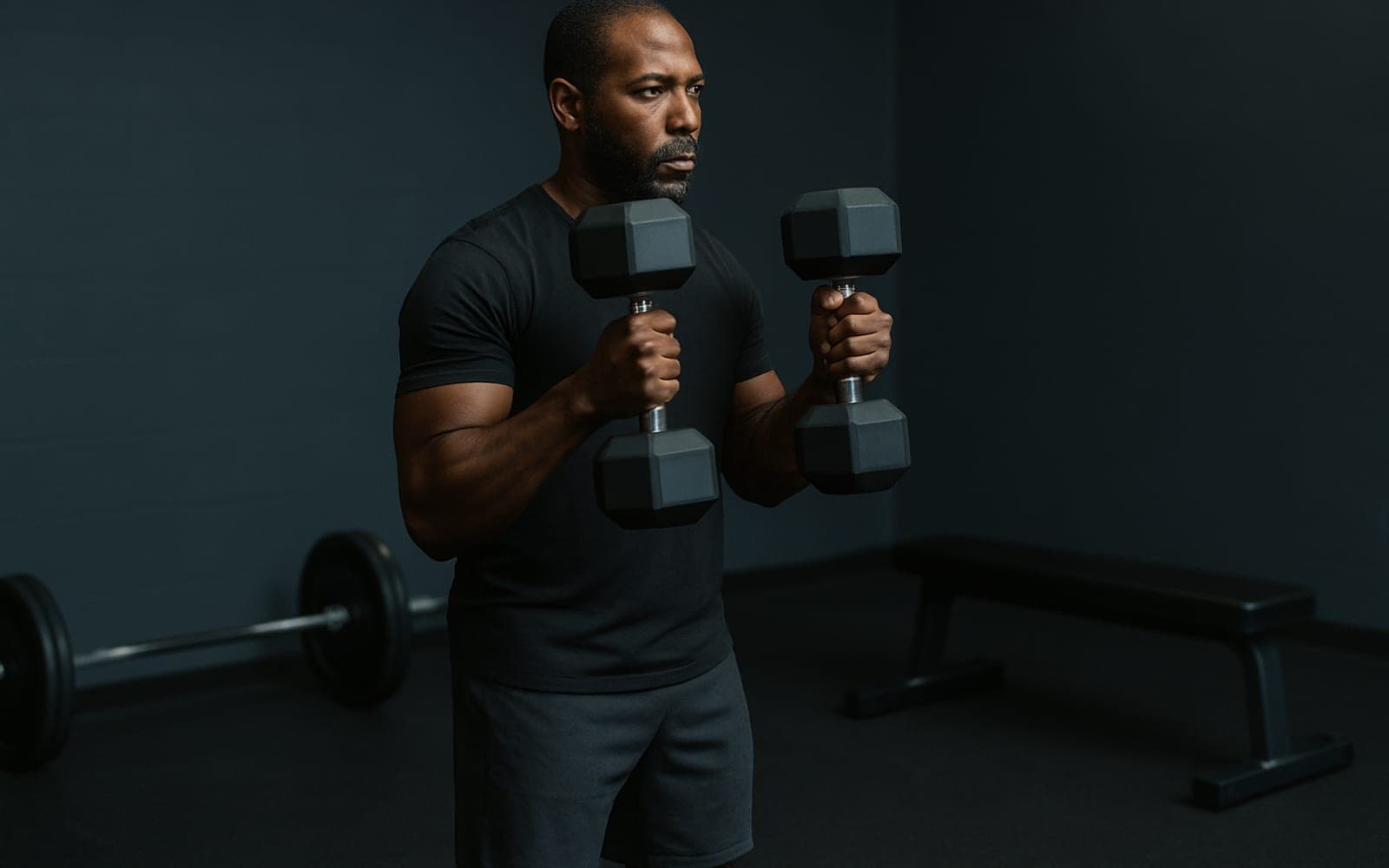
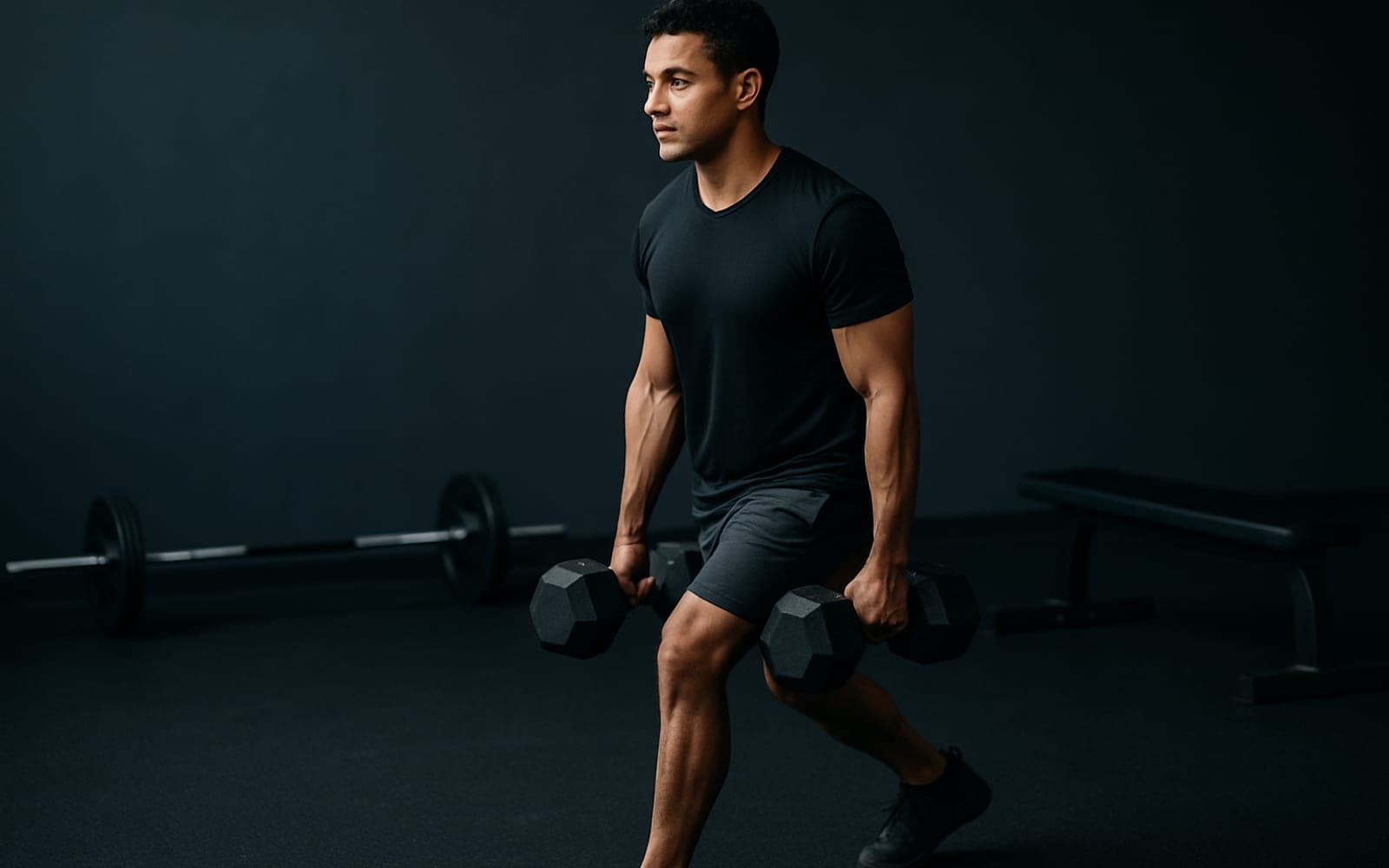
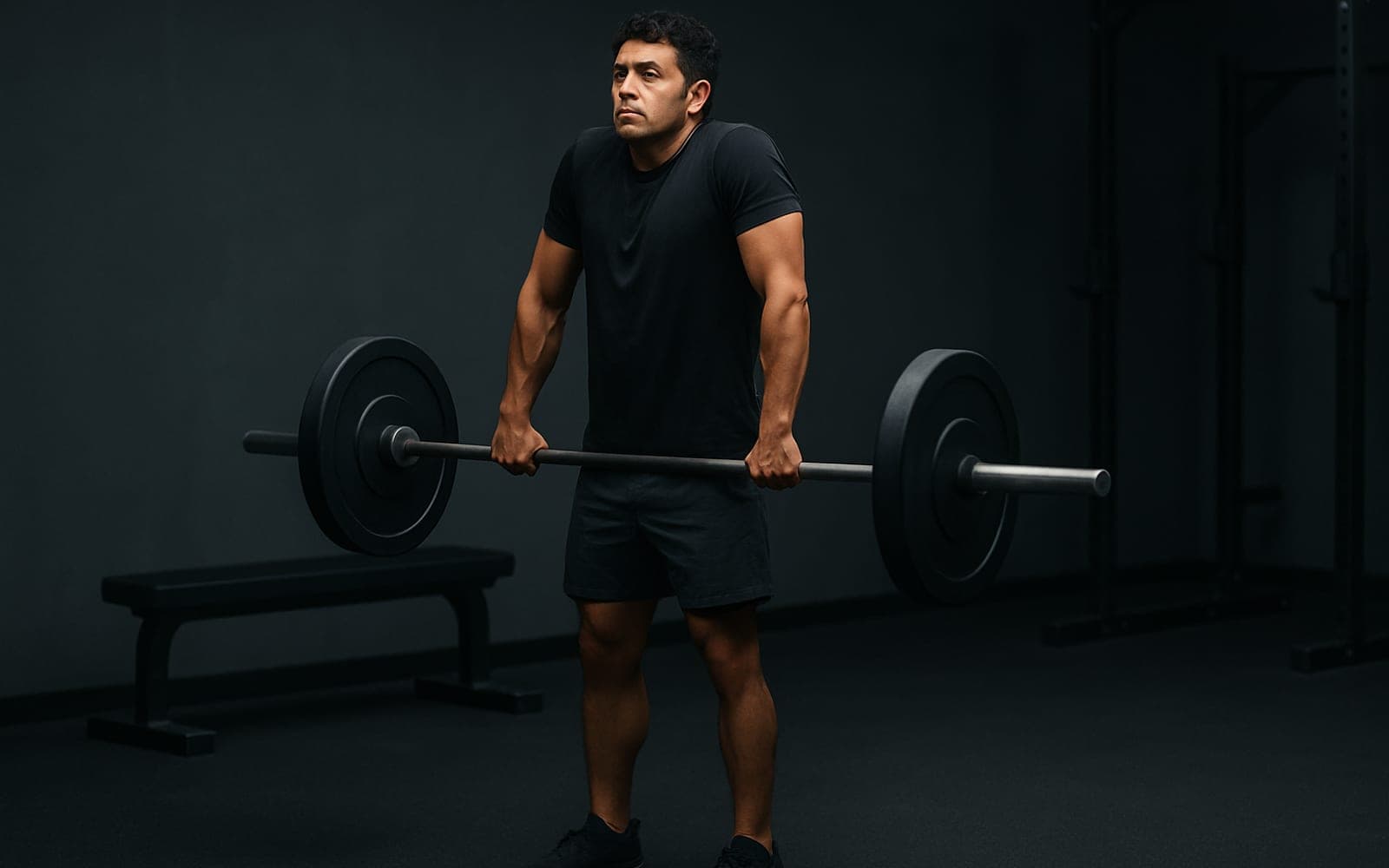
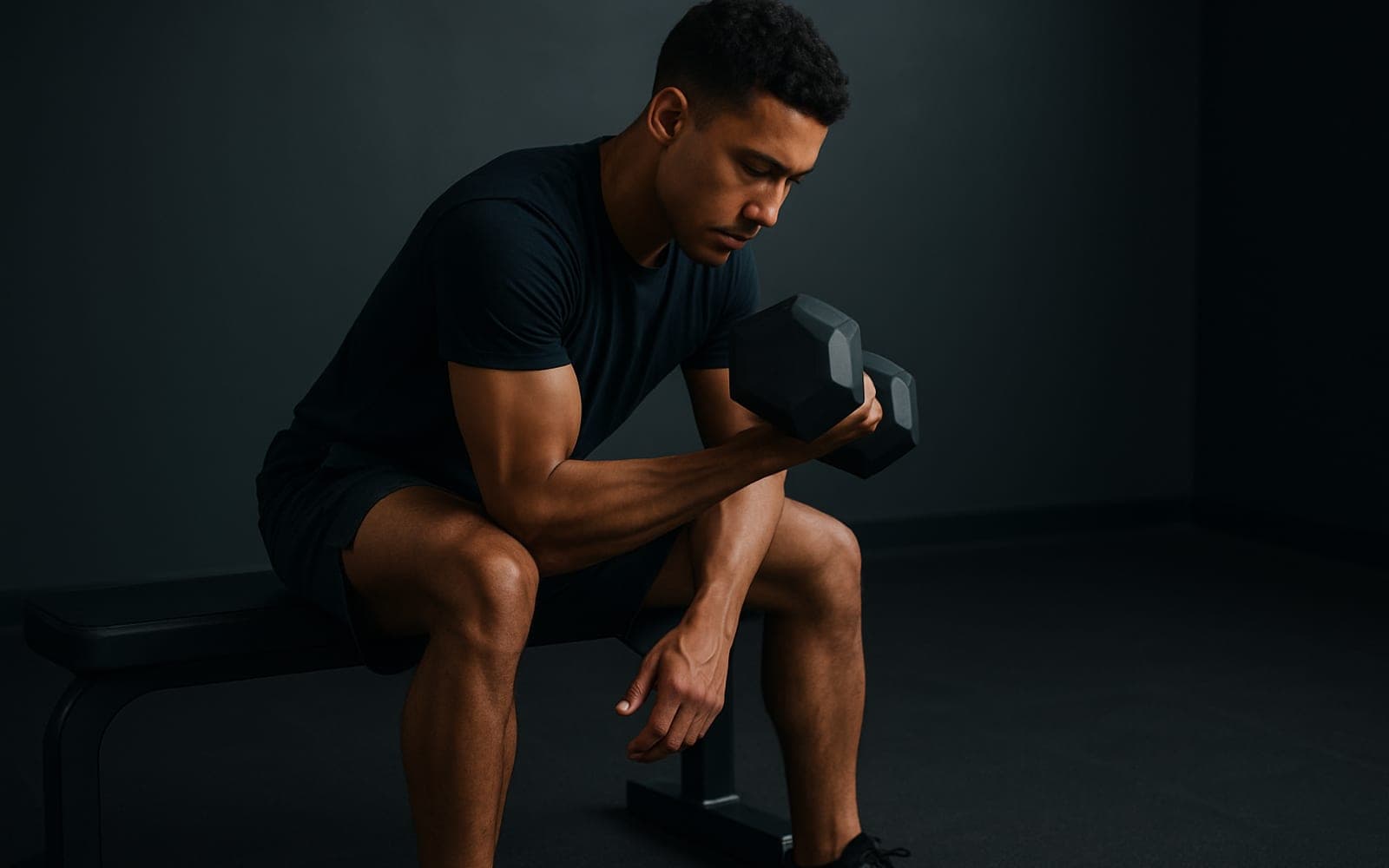
Same muscles or the same movement pattern — useful for building the rest of the session.
Reverse Curl — questions people ask
What muscles does the reverse curl work?
The reverse curl trains the forearms as the primary target, with the biceps working as support. It is a isolation pattern, so it also trains the coordination that pattern needs.
How many sets and reps of the reverse curl should I do?
Three sets of 8–12 reps with about 90 seconds of rest is a reliable default. Increase the weight once the last rep of every set still looks clean.
Is the reverse curl good for beginners?
Yes. The reverse curl is a beginner-friendly movement. Use lighter dumbbells. If it feels like too much, build the pattern on the supported biceps curl first.
What can I do instead of the reverse curl?
Cable Curl, Band Curl, Supported Biceps Curl all train the same isolation pattern with different equipment, so any of them works when the machine is busy or your gym does not have it.
What are the most common reverse curl mistakes?
Wrists collapsing; Swinging the load. Curl the weight up keeping the wrists firm, then lower under control. This targets the forearms and brachialis.
Can I do the reverse curl at home?
The reverse curl needs free weights equipment, which most home gyms do not have. The band curl trains the same pattern with nothing more than your bodyweight or a band.