Cat-Cow

Activation
Muscles worked
Movement
Mobility
Beginner · Mobility & Stretch
Primary muscles
Secondary muscles
Movement pattern
Equipment category
How to perform
- 1
Set up
Start on all fours, hands under shoulders and knees under hips.
- 2
Execute the movement
Slowly alternate: round the spine toward the ceiling (cat), then drop the belly and lift the chest and tail (cow), moving with your breath. A gentle spinal warm-up.
Common mistakes
- Moving too fast
- Only moving the lower back
Make it harder
Make it easier
Accessibility
Substitutions
If a machine is busy or unavailable, these train the same pattern a different way.
Your progress over time
What to expect from training this consistently — everyone progresses at their own pace.
- 1
First few sessions
Learn the movement pattern and breathing timing; notice a gentle increase in spinal awareness and a small reduction in immediate stiffness after practice.
- 2
Weeks 2–4
Smoother, larger spinal flexion/extension range and improved coordination between breath and movement; easier transition between rounded and arched positions with less discomfort.
- 3
Months 2–3
Greater spinal control and endurance of the erectors and deep core as the pattern becomes automatic; you’ll be able to use Cat–Cow as an effective warm-up before longer mobility or strength sessions.
- 4
6+ months
Sustained improvements in habitual spinal mobility and movement quality, with Cat–Cow integrated into regular routines to maintain flexibility and reduce daily stiffness; modest carryover to posture and ease of movement in daily tasks.
Benefits of the cat-cow
Directly targets spinal erectors by training controlled flexion and extension, improving their coordination and functional range of motion.
Engages the deep core and breath coordination, helping develop rhythmic core activation without heavy loading.
Improves thoracic and lumbar spine mobility, which translates to easier bending, reaching, and twisting in everyday activities.
Serves as a low-impact, safe warm-up that prepares the spine and surrounding tissues for more demanding exercise.
Promotes diaphragmatic breathing and a mind–body connection that can reduce perceived stiffness and increase movement confidence.
Easy to modify and perform anywhere, making it a practical habit for maintaining spinal mobility as part of general fitness.
Exercises that pair with this
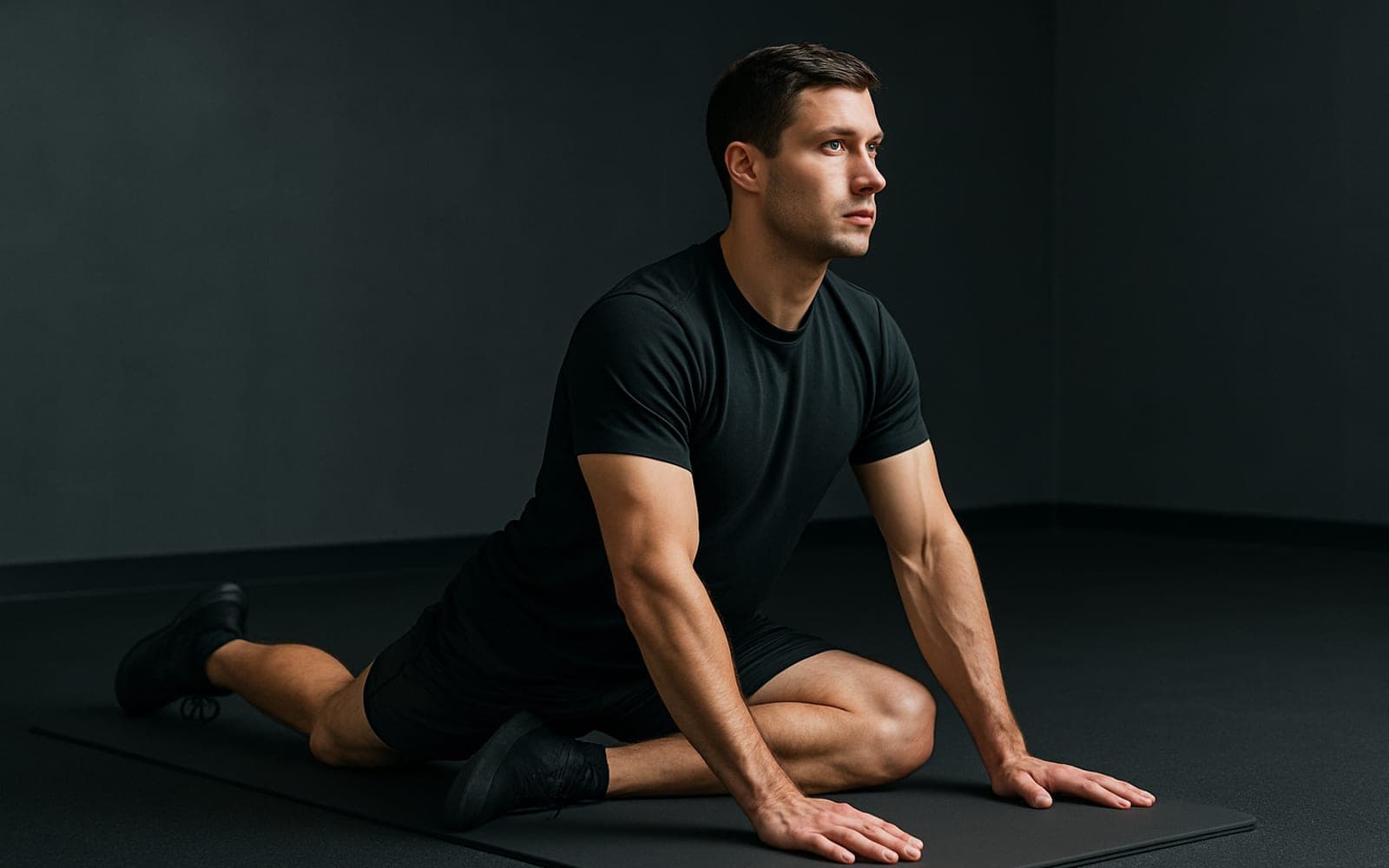
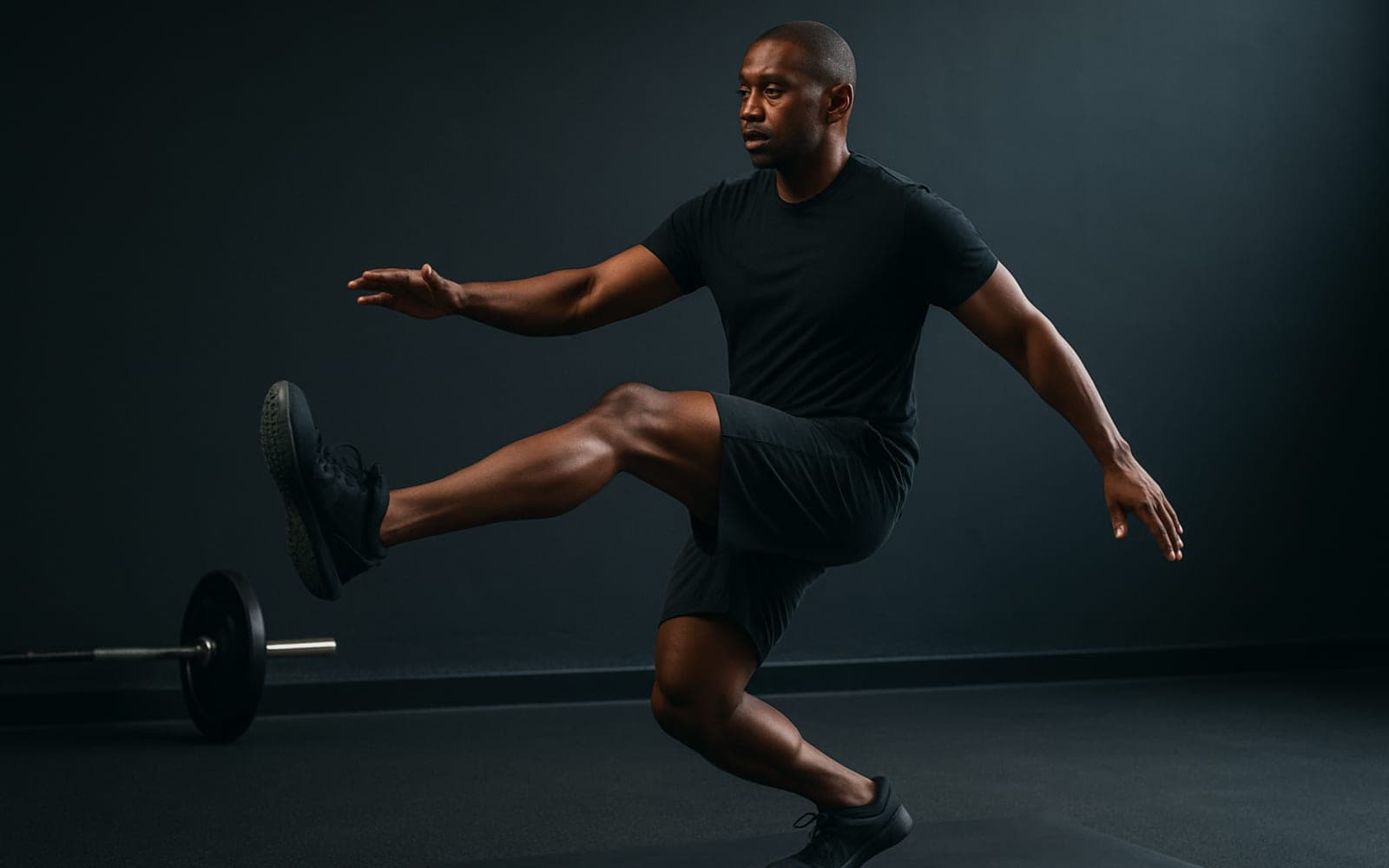
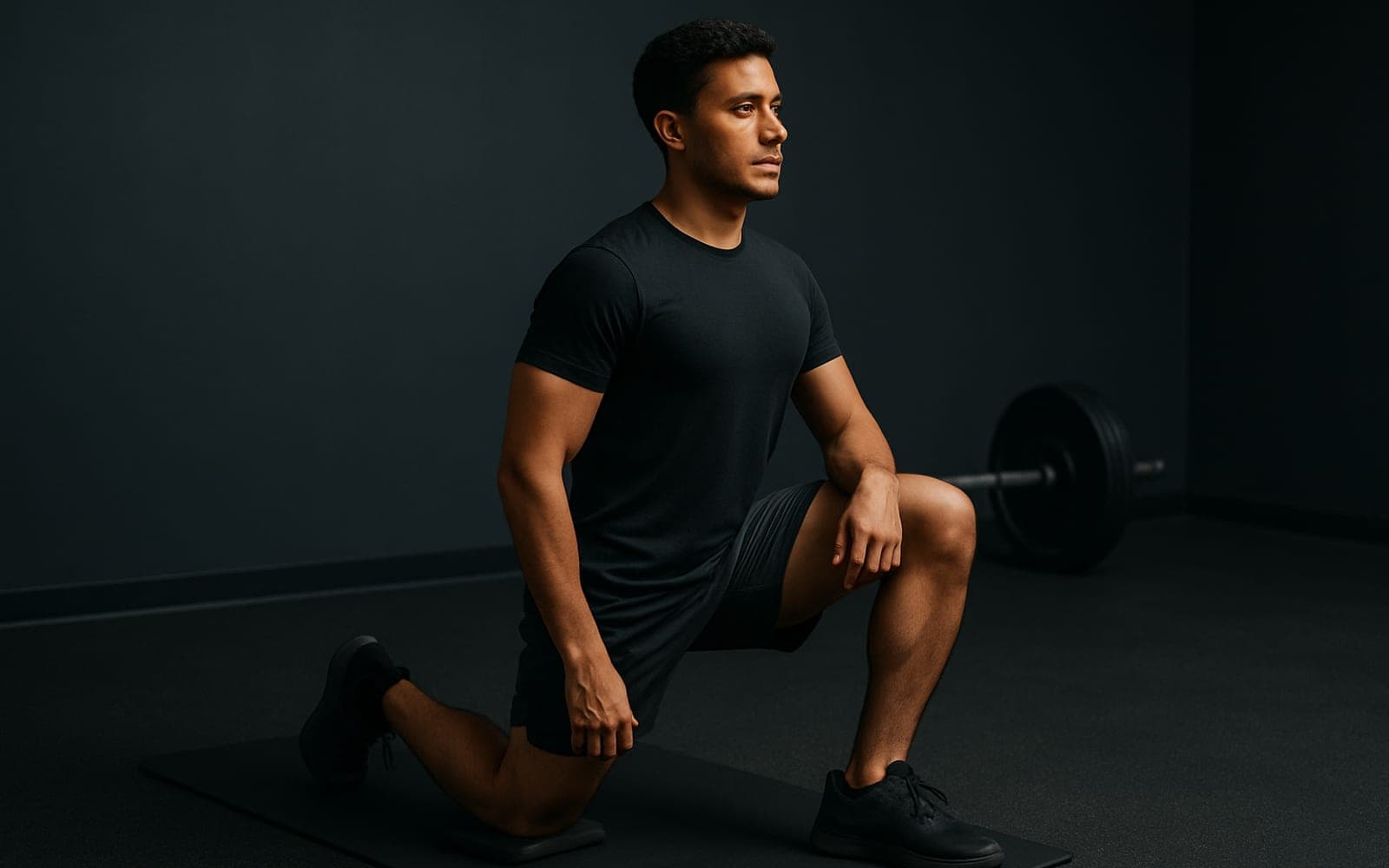
Same muscles or the same movement pattern — useful for building the rest of the session.


Cat-Cow — questions people ask
What muscles does the cat-cow work?
The cat-cow trains the spinal erectors as the primary target, with the core working as support. It is a mobility pattern, so it also trains the coordination that pattern needs.
How many sets and reps of the cat-cow should I do?
Two to three sets, holding 30–45 seconds or moving through 8–10 slow reps. Daily is fine — this is not a movement you need to recover from.
Is the cat-cow good for beginners?
Yes. The cat-cow is a beginner-friendly movement. Reduce the range. If it feels like too much, build the pattern on the thoracic mobility first.
What can I do instead of the cat-cow?
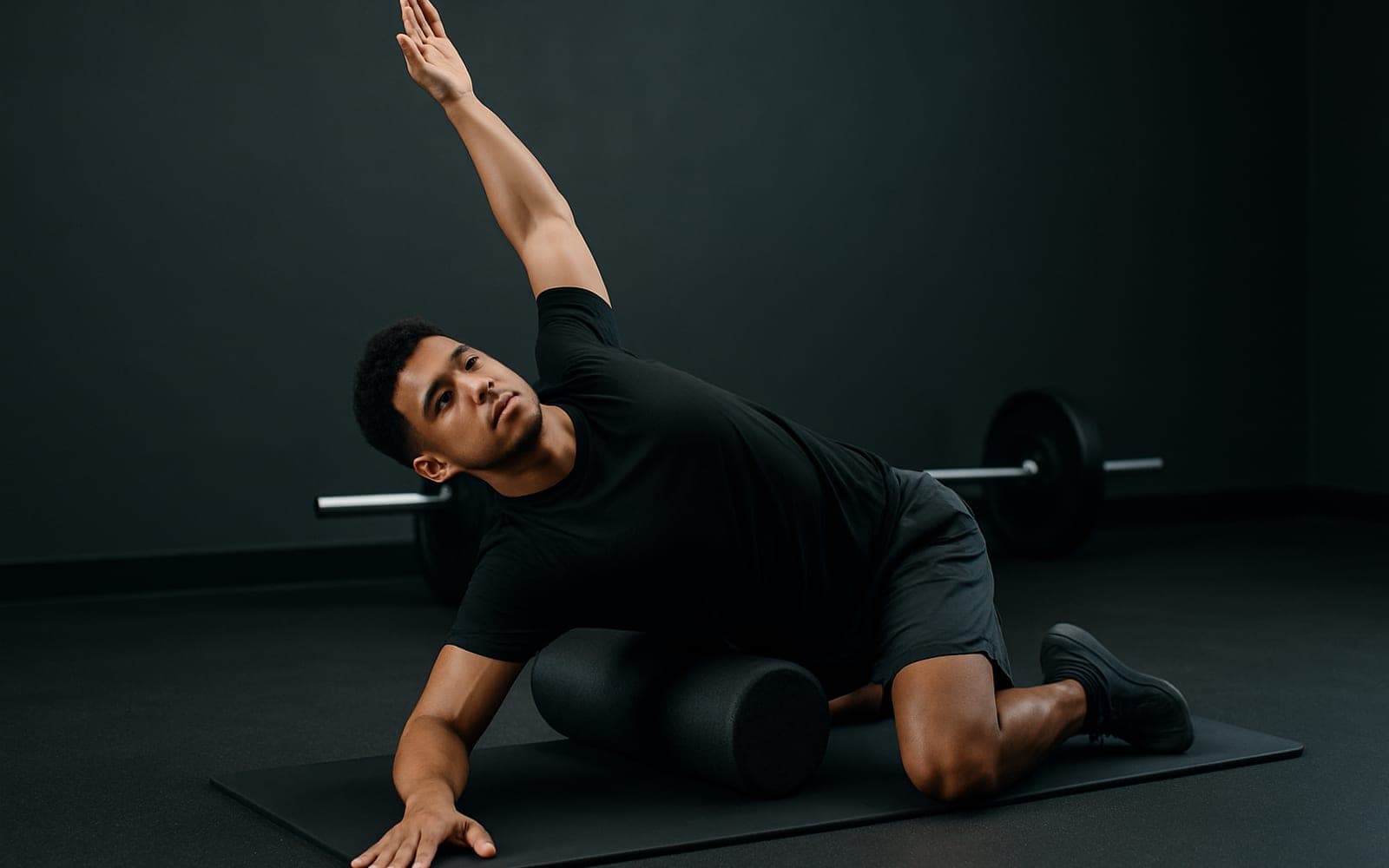
Thoracic Mobility all train the same mobility pattern with different equipment, so any of them works when the machine is busy or your gym does not have it.
What are the most common cat-cow mistakes?
Moving too fast; Only moving the lower back. Slowly alternate: round the spine toward the ceiling (cat), then drop the belly and lift the chest and tail (cow), moving with your breath. A gentle spinal warm-up.
Can I do the cat-cow at home?
The cat-cow needs mobility & stretch equipment, which most home gyms do not have. The thoracic mobility trains the same pattern with nothing more than your bodyweight or a band.