Thoracic Mobility

Activation
Muscles worked
Movement
Mobility
Beginner · Mobility & Stretch
Primary muscles
Secondary muscles
Movement pattern
Equipment category
How to perform
- 1
Set up
A mat or a foam roller.
- 2
Execute the movement
Open the mid-back with rotations and extensions.
Common mistakes
- Moving from the lower back
Make it harder
Make it easier
Substitutions
If a machine is busy or unavailable, these train the same pattern a different way.


Your progress over time
What to expect from training this consistently — everyone progresses at their own pace.
- 1
First few sessions
Learn the drills and breathing pattern; notice immediate increases in perceived mid‑back looseness and easier rotation during the exercises.
- 2
Weeks 2–4
Consistent practice yields measurable increases in thoracic rotation and extension range, reduced morning stiffness, and cleaner shoulder-to-ear movement during overhead tasks.
- 3
Months 2–3
Improved mid‑back mobility becomes more durable outside practice sessions, allowing better posture and less compensatory strain in the neck and shoulders during daily activities.
- 4
Months 4–6
Mobility gains transfer to loaded movements—easier overhead pressing and improved squat/hinge alignment—with fewer compensatory movements in the lumbar spine.
- 5
6+ months
Thoracic mobility is well integrated into movement patterns, maintained with short regular sessions, and supports long‑term upper‑body movement quality and reduced reliance on shoulder/neck compensation.
Benefits of the thoracic mobility
Increases thoracic spine rotation and extension, directly improving upper‑back range of motion.
Reduces compensatory movement in the neck and lower back by improving mid‑back mobility and positional control.
Facilitates cleaner overhead and pressing mechanics by improving shoulder‑blade and mid‑back coordination.
Helps maintain better upright posture during sitting and standing by promoting thoracic extension.
Can decrease feelings of upper‑back tightness and stiffness, making daily reaching and turning easier and more comfortable.
Requires no equipment and is easy to integrate into warmups or cooldowns, supporting consistency and long‑term mobility maintenance.
Exercises that pair with this
Same muscles or the same movement pattern — useful for building the rest of the session.





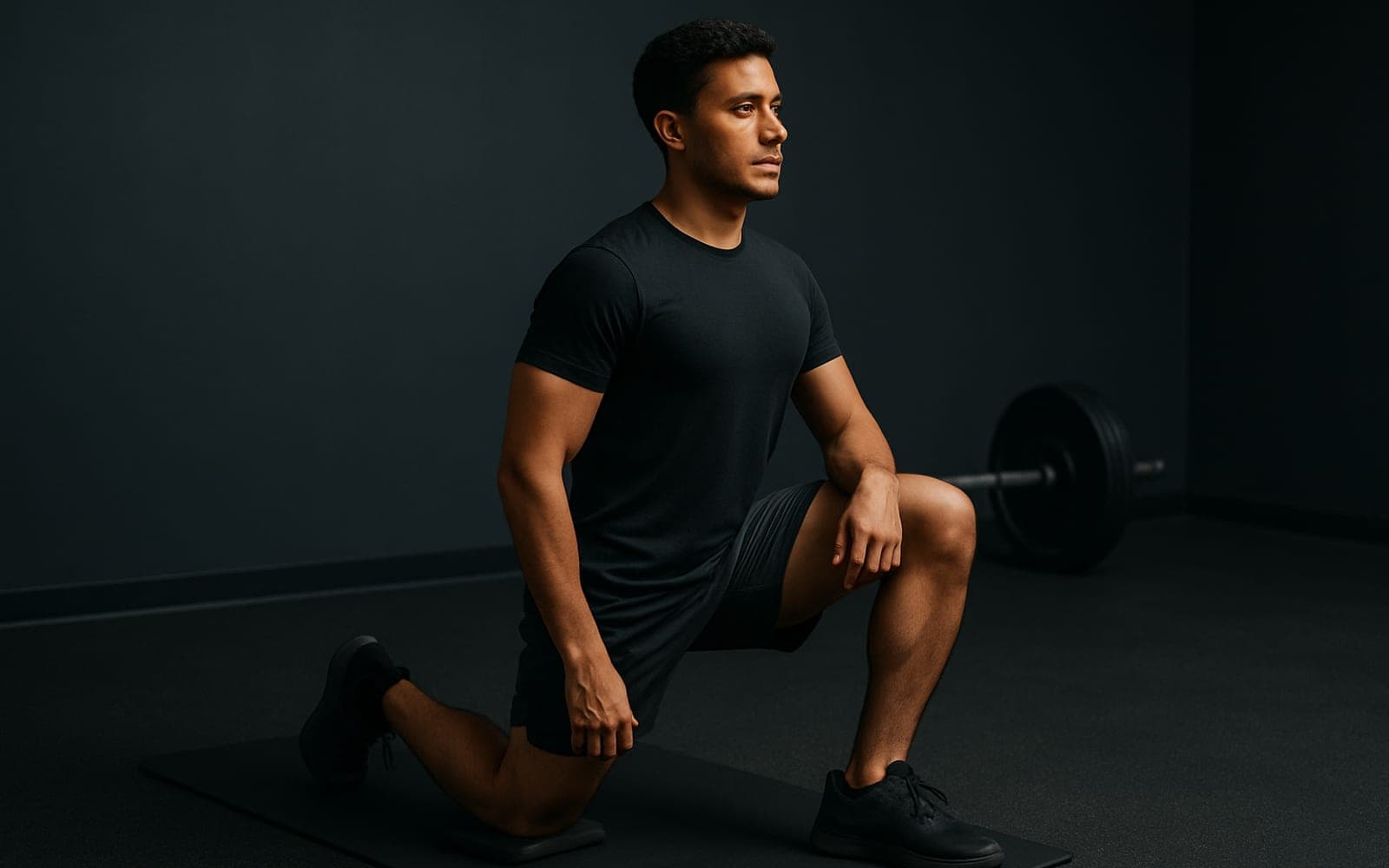
Thoracic Mobility — questions people ask
What muscles does the thoracic mobility work?
The thoracic mobility trains the upper back as the primary target, with the shoulders working as support. It is a mobility pattern, so it also trains the coordination that pattern needs.
How many sets and reps of the thoracic mobility should I do?
Two to three sets, holding 30–45 seconds or moving through 8–10 slow reps. Daily is fine — this is not a movement you need to recover from.
Is the thoracic mobility good for beginners?
Yes. The thoracic mobility is a beginner-friendly movement. Smaller ranges. If it feels like too much, build the pattern on the cooldown stretch first.
What can I do instead of the thoracic mobility?
Cooldown Stretch, Face Pull all train the same mobility pattern with different equipment, so any of them works when the machine is busy or your gym does not have it.
What are the most common thoracic mobility mistakes?
Moving from the lower back. Open the mid-back with rotations and extensions.
Can I do the thoracic mobility at home?
The thoracic mobility needs mobility & stretch equipment, which most home gyms do not have. The cooldown stretch trains the same pattern with nothing more than your bodyweight or a band.