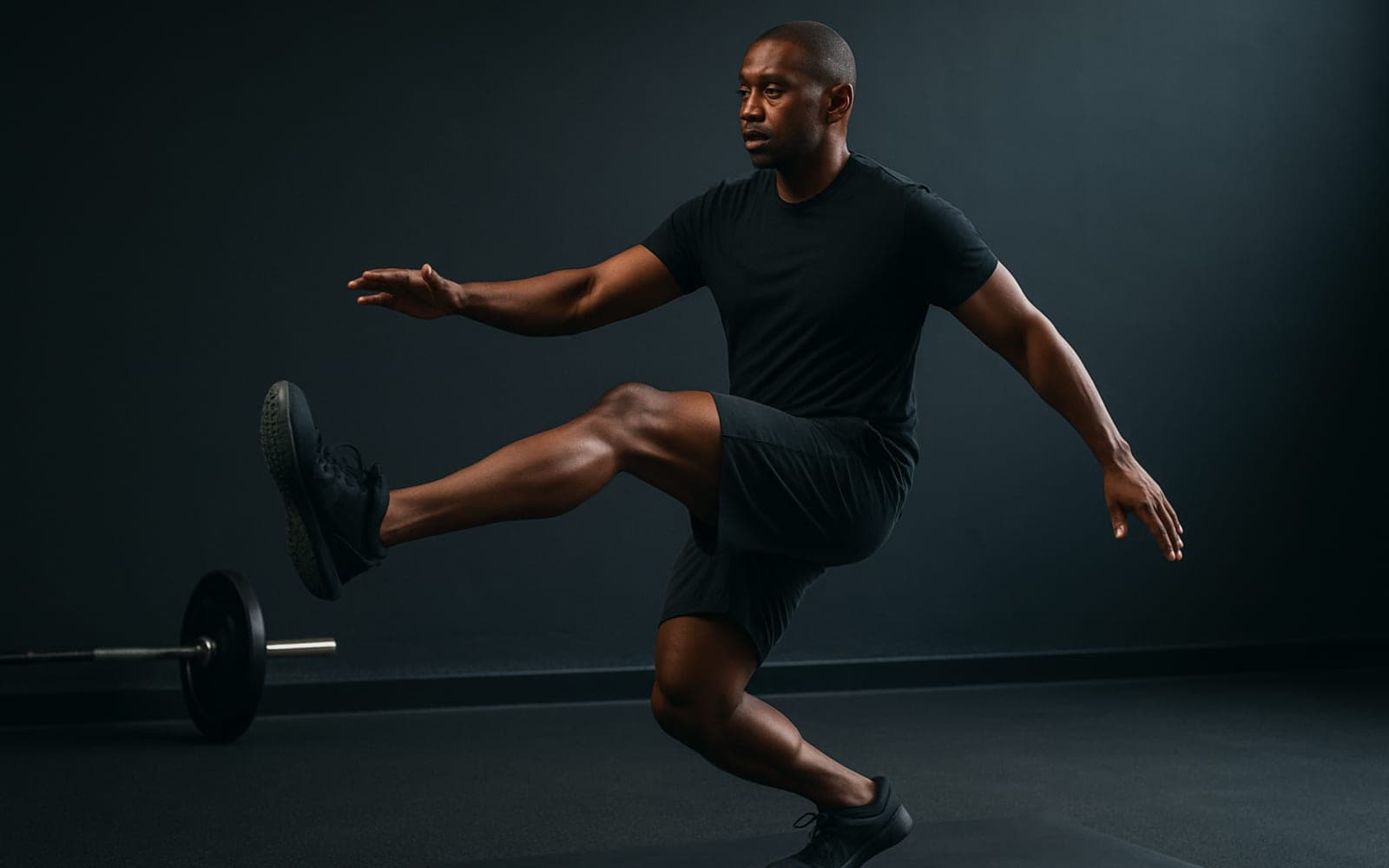
Dynamic Warm-Up
Activation
Muscles worked
Movement
Mobility
Beginner · Mobility & Stretch
Primary muscles
Secondary muscles
Movement pattern
Equipment category
How to perform
- 1
Set up
Open floor space.
- 2
Execute the movement
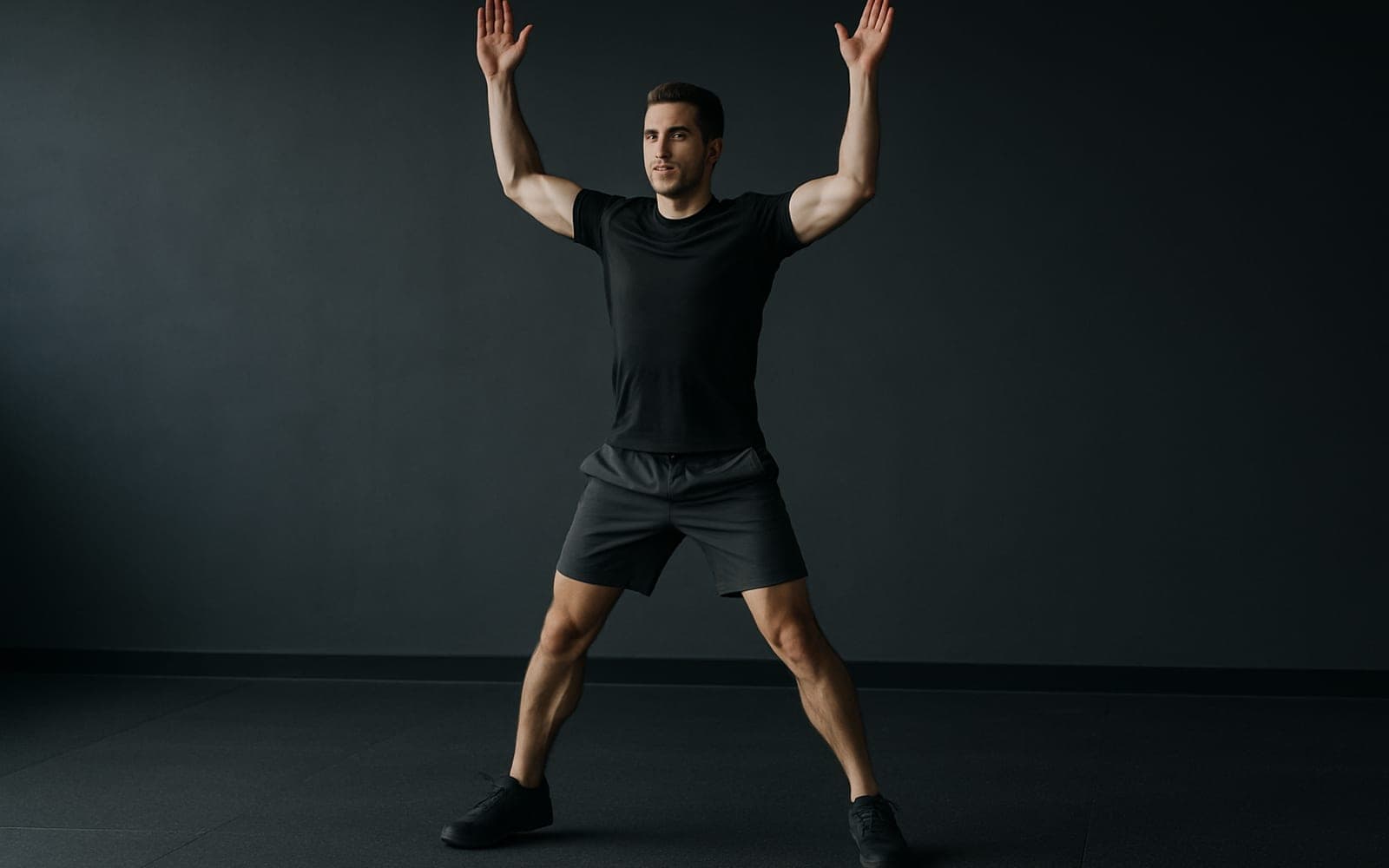
Move through leg swings, hip openers, arm circles and light movement to raise the heart rate.
Common mistakes
- Static stretching cold
Make it harder
Make it easier
Accessibility
Substitutions
If a machine is busy or unavailable, these train the same pattern a different way.

Your progress over time
What to expect from training this consistently — everyone progresses at their own pace.
- 1
First few sessions
Become familiar with the sequence and timing of leg swings, hip openers and arm circles; notice a modest increase in body temperature and readiness to move.
- 2
Weeks 2–4
Improve range of motion and coordination in hips and shoulders, reduced stiffness before workouts, and easier transition into higher-intensity activity.
- 3
Months 2–3
Develop more consistent, controlled movement patterns and better neuromuscular activation, which can translate to smoother technique in lifts, runs and sport skills.
- 4
6+ months
Sustain greater baseline mobility and dynamic flexibility across workouts, enabling higher-quality training sessions and more reliable daily movement.
- 5
Long-term habit
A durable pre-exercise routine that promotes efficient warm-up, faster readiness for training, and helps maintain functional movement with aging.
Benefits of the dynamic warm-up
Increases dynamic range of motion in hips, shoulders and spine by actively taking joints through controlled movement.
Enhances neuromuscular coordination and motor patterning, improving how muscles fire together during subsequent training or sport.
Raises heart rate and body temperature safely to prepare the cardiorespiratory system for higher-intensity work.
Can reduce pre-workout stiffness and perceived effort, making strength or conditioning sessions feel more efficient.
Improves movement confidence and readiness, which often leads to better technique and consistency in lifts, runs, and sport-specific skills.
Easy to scale and integrate into any session, supporting long-term adherence to regular training and general fitness habits.
Exercises that pair with this
Same muscles or the same movement pattern — useful for building the rest of the session.


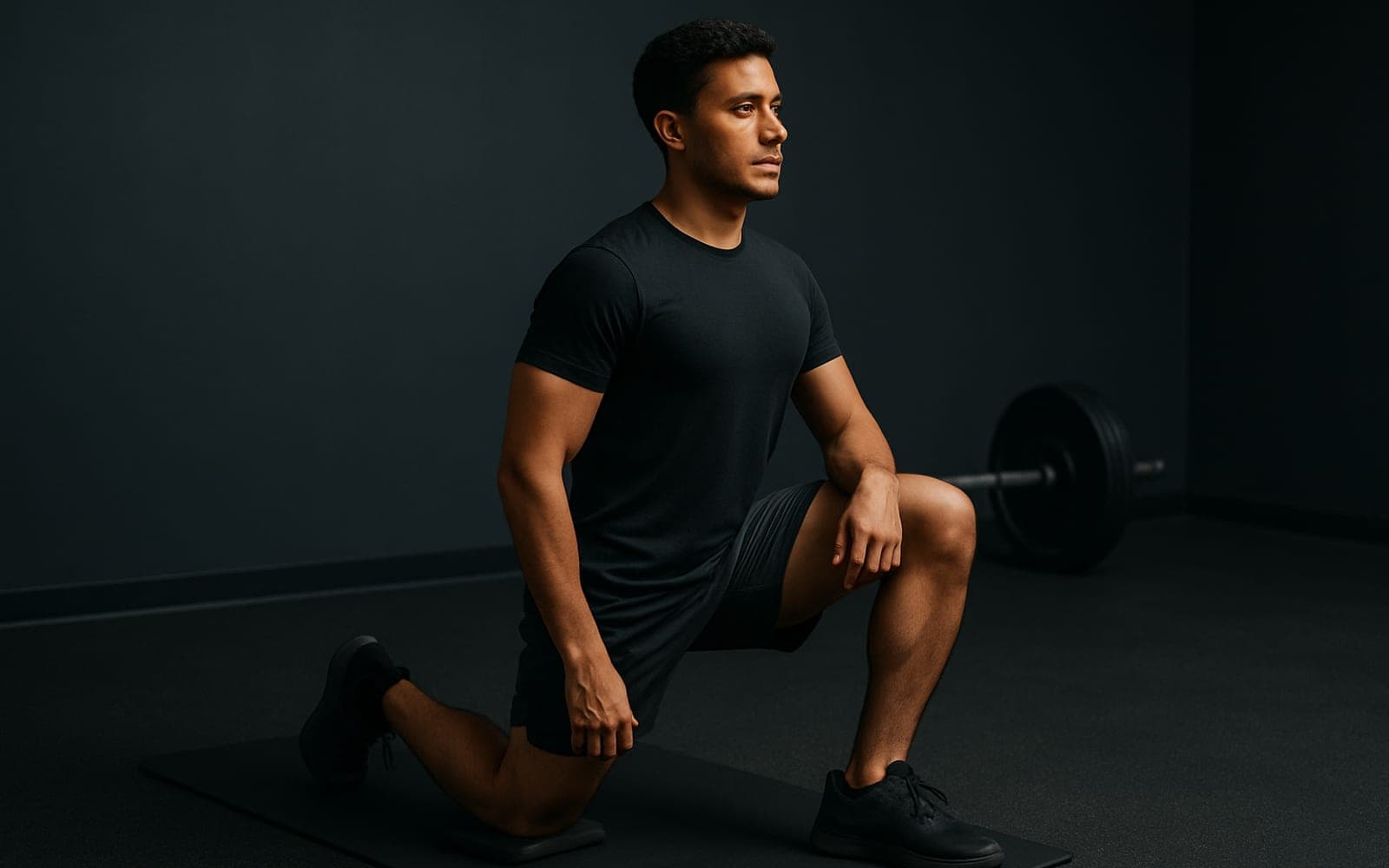
Dynamic Warm-Up — questions people ask
What muscles does the dynamic warm-up work?
The dynamic warm-up trains the full body as the primary target. It is a mobility pattern, so it also trains the coordination that pattern needs.
How many sets and reps of the dynamic warm-up should I do?
Two to three sets, holding 30–45 seconds or moving through 8–10 slow reps. Daily is fine — this is not a movement you need to recover from.
Is the dynamic warm-up good for beginners?
Yes. The dynamic warm-up is a beginner-friendly movement. Fewer drills. If it feels like too much, build the pattern on the hip mobility flow first.
What can I do instead of the dynamic warm-up?
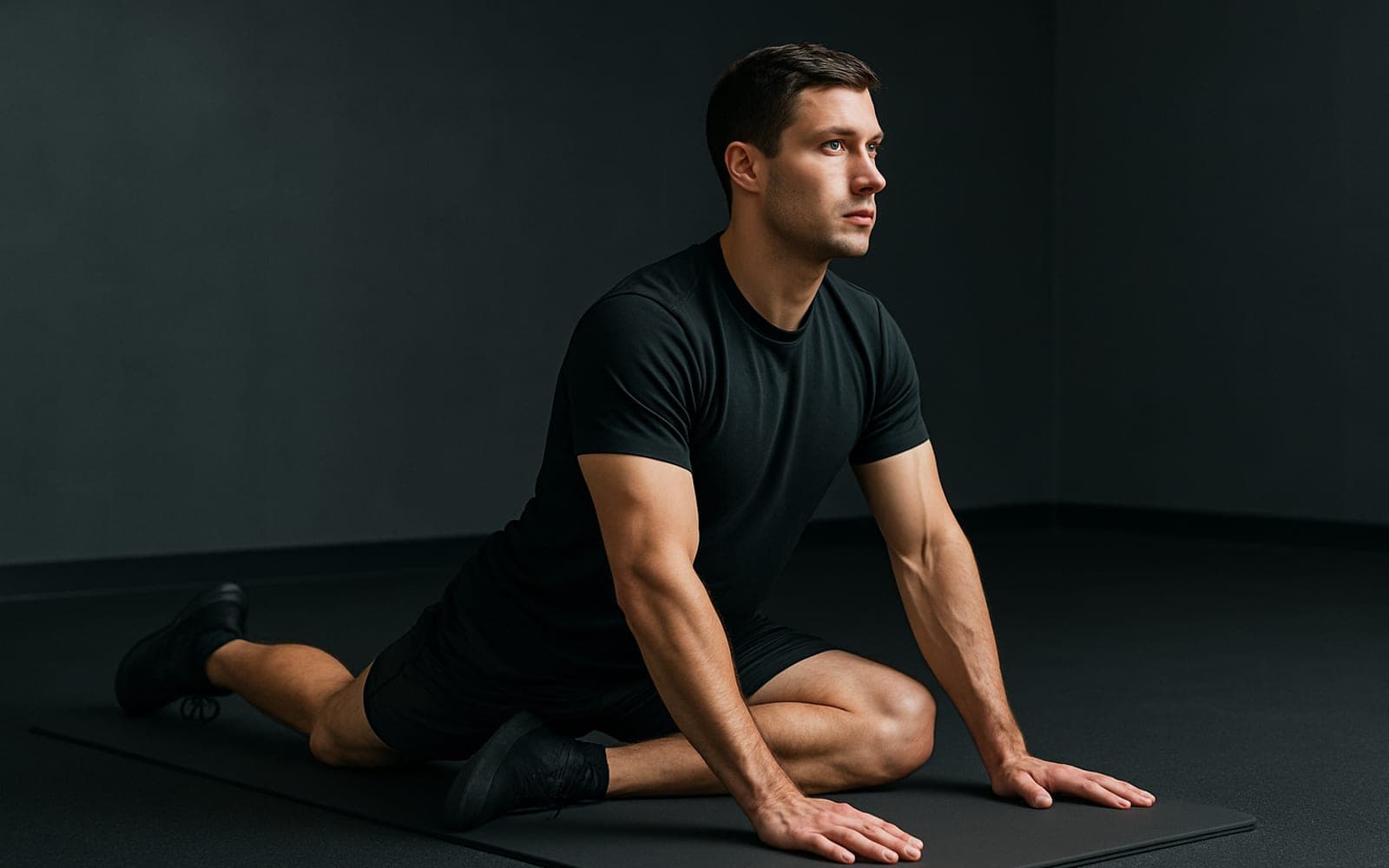
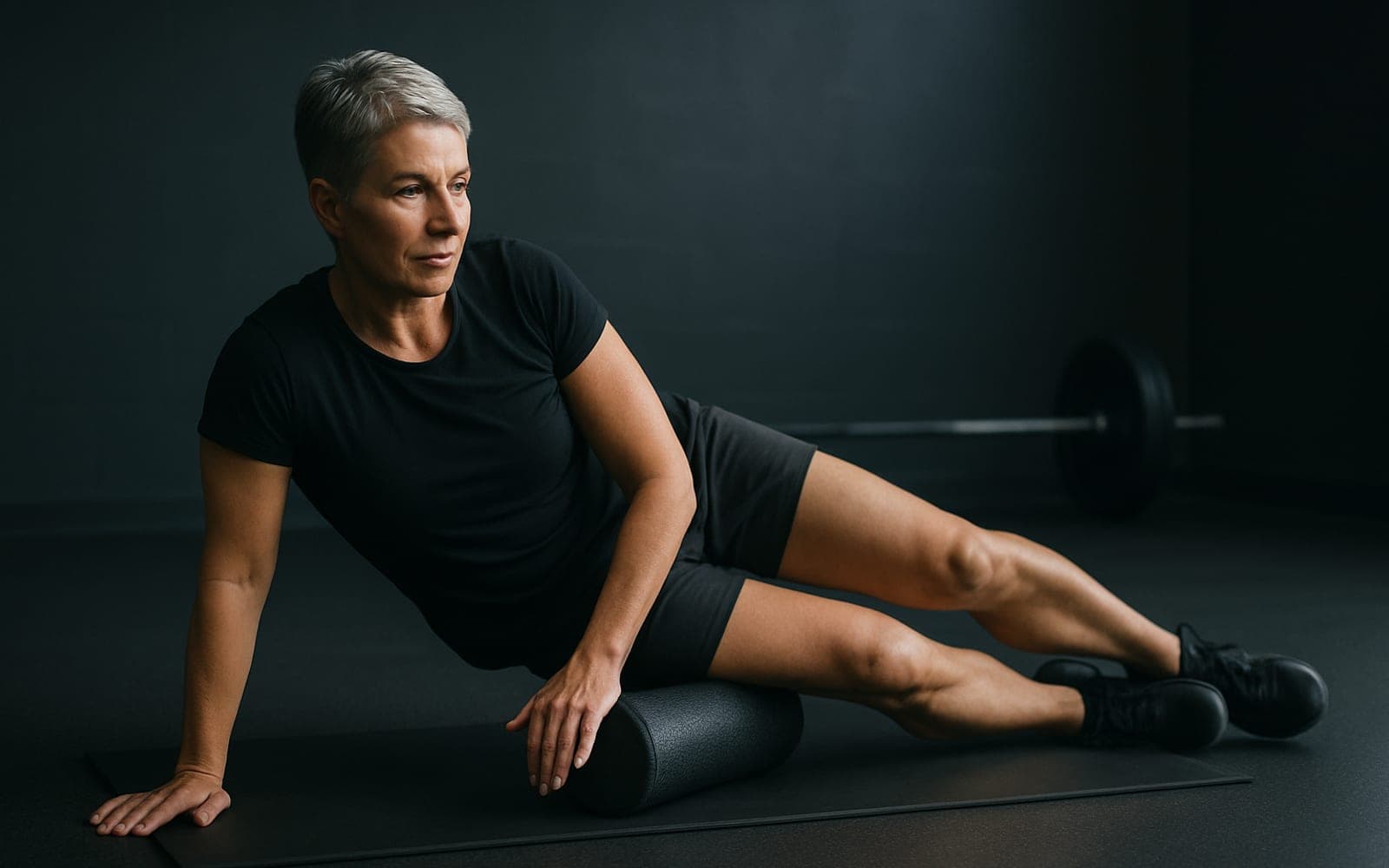
Hip Mobility Flow all train the same mobility pattern with different equipment, so any of them works when the machine is busy or your gym does not have it.
What are the most common dynamic warm-up mistakes?
Static stretching cold. Move through leg swings, hip openers, arm circles and light movement to raise the heart rate.
Can I do the dynamic warm-up at home?
The dynamic warm-up needs mobility & stretch equipment, which most home gyms do not have. The hip mobility flow trains the same pattern with nothing more than your bodyweight or a band.