Side Plank
Activation
Muscles worked
Movement
Core
Beginner · Bodyweight
Primary muscles
Movement pattern
Equipment category
How to perform
- 1
Set up
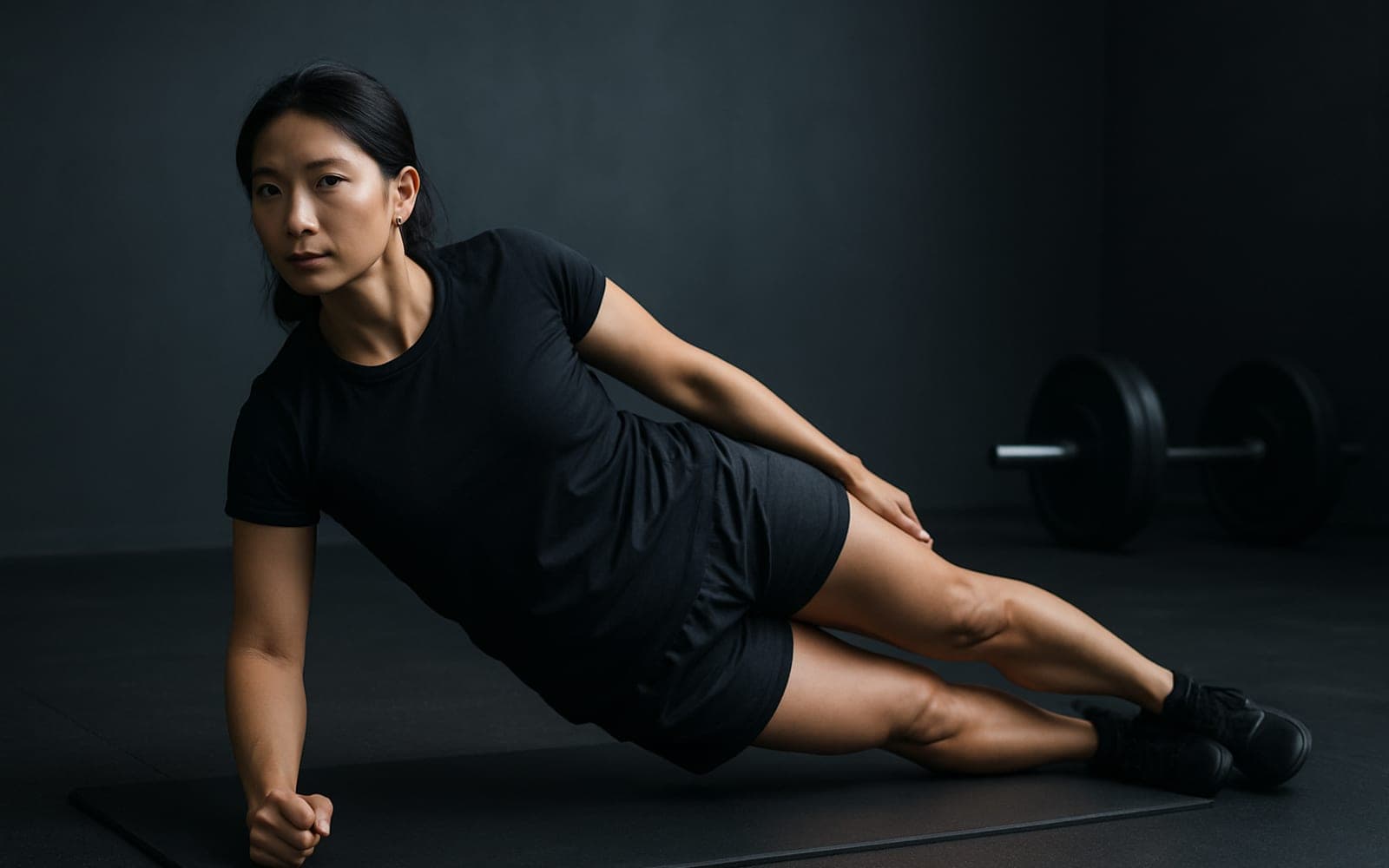
Lie on one side, forearm under the shoulder, feet stacked or staggered.
- 2
Execute the movement
Lift the hips so your body forms a straight line from head to heels; hold while breathing steadily, then switch sides.
Common mistakes
- Hips sagging toward the floor
- Rotating forward
- Holding your breath
Make it harder
Make it easier
Accessibility
Substitutions
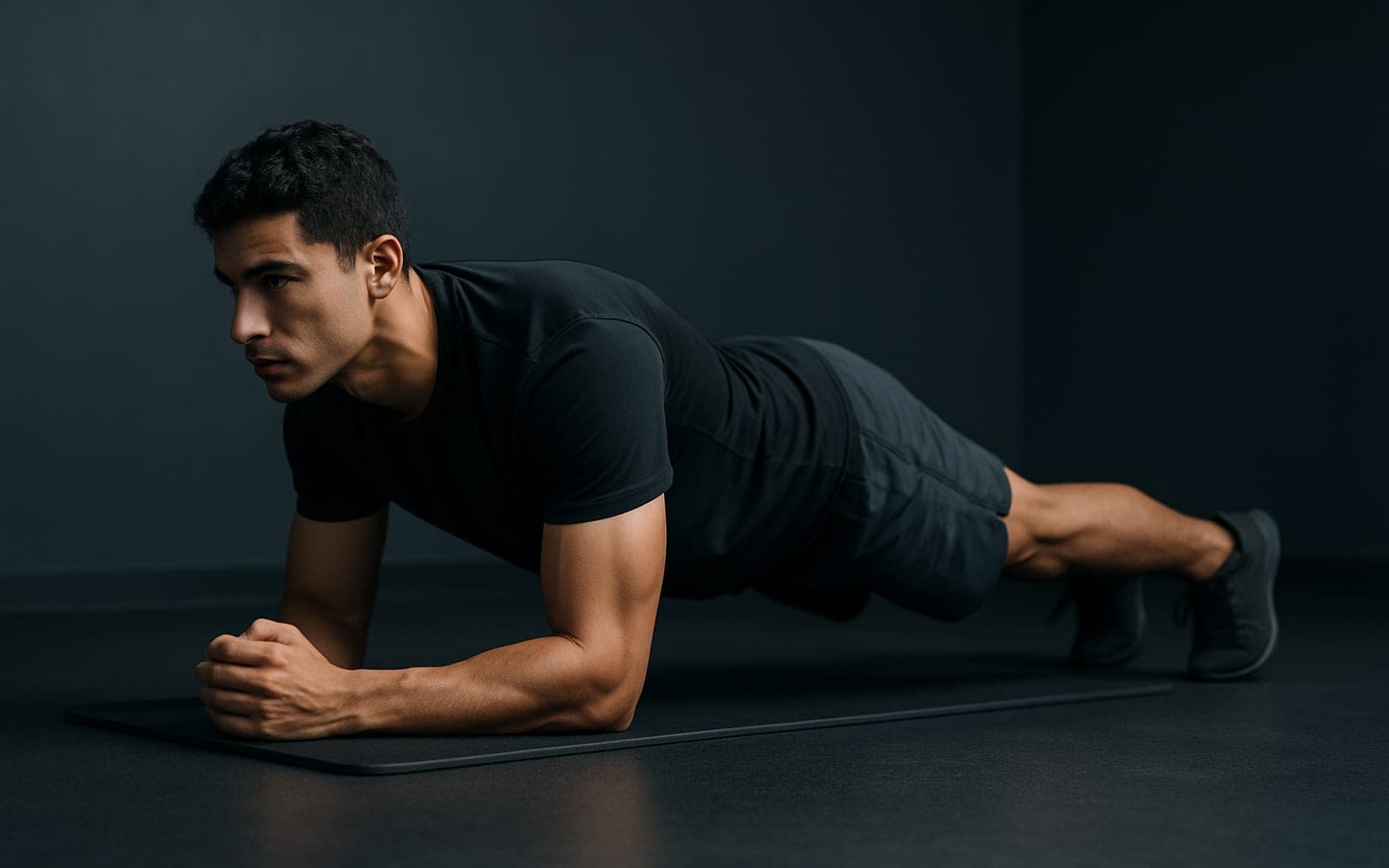
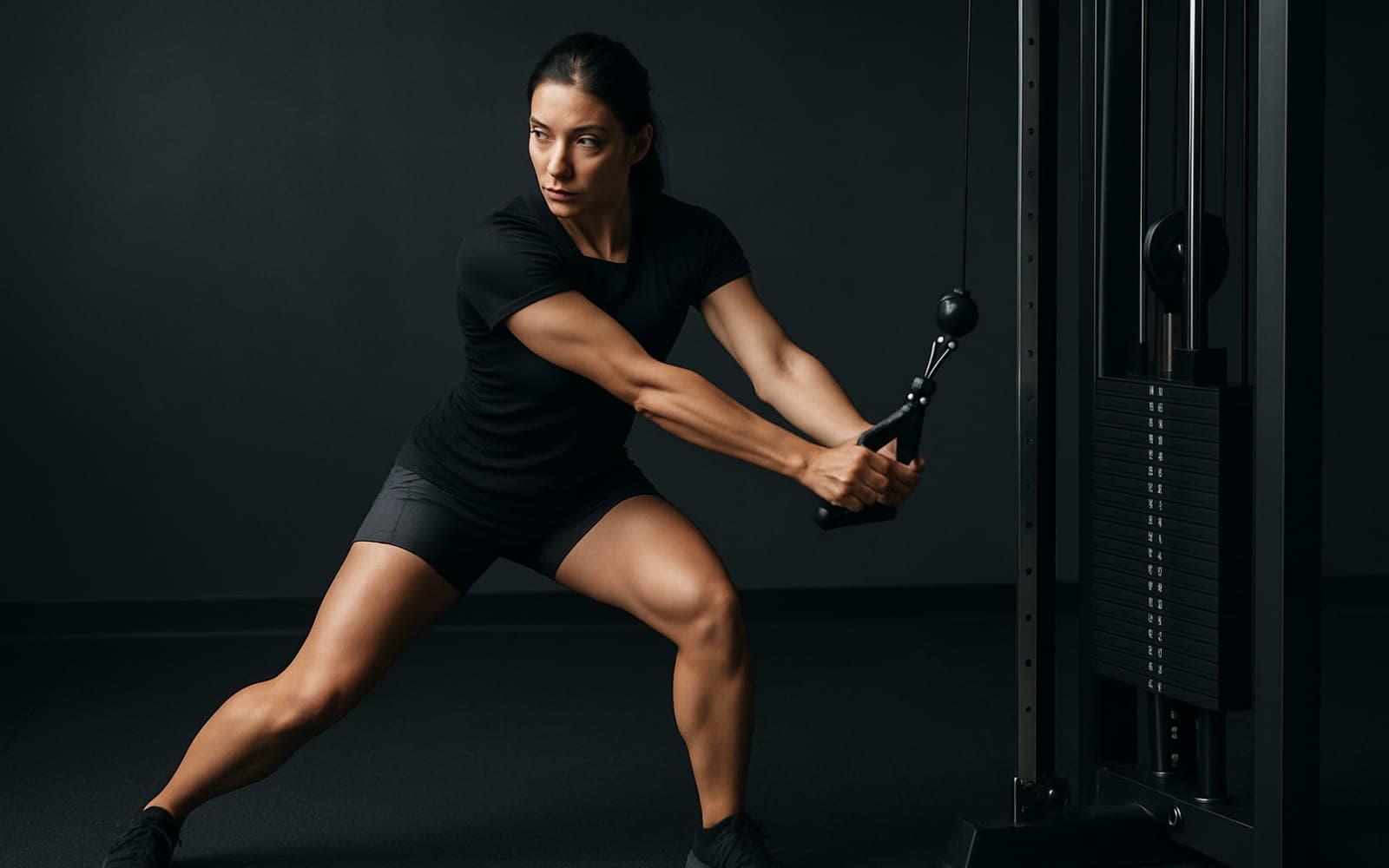
If a machine is busy or unavailable, these train the same pattern a different way.
Your progress over time
What to expect from training this consistently — everyone progresses at their own pace.
- 1
First few sessions
You will learn the bracing and alignment cues, hold a side plank for 10–20 seconds per side with frequent rests, and notice which side is weaker or uncomfortable.
- 2
Weeks 2–4
With 2–3 sessions per week you can expect holds of 30–60 seconds per side, cleaner shoulder/hip alignment, reduced sagging, and improved breathing control during the hold.
- 3
Months 2–3
Endurance and muscular control increase so you can sustain 60–90 seconds per side, begin adding progressions (e.g., knee-up, leg raise, or short weighted holds), and see modest visible toning of the obliques.
- 4
Months 4–6
Side-plank endurance and strength support longer holds (90–120 seconds), smoother transitions between sides, better single‑side stability in daily tasks, and the ability to use more challenging variations or light external load.
- 5
6+ months
With consistent training you will have durable anti‑lateral‑flexion strength, reliable carryover to balance and posture, and the capacity to perform advanced side‑plank variations or high‑rep sets as part of a broader core routine.
Benefits of the side plank
Directly targets the obliques and lateral core to improve anti‑lateral‑flexion strength.
Develops core endurance and control that helps stabilize the spine during unilateral movements and daily tasks.
Improves hip and glute engagement on the supported side, aiding pelvic stability and movement efficiency.
Enhances shoulder girdle and scapular stability when performed with proper alignment, benefiting upper‑body control.
Transfers to better balance and single‑leg activities because it trains one‑sided load management and coordination.
Supports posture and breathing control by requiring steady diaphragmatic breathing while maintaining a straight line from head to heels.
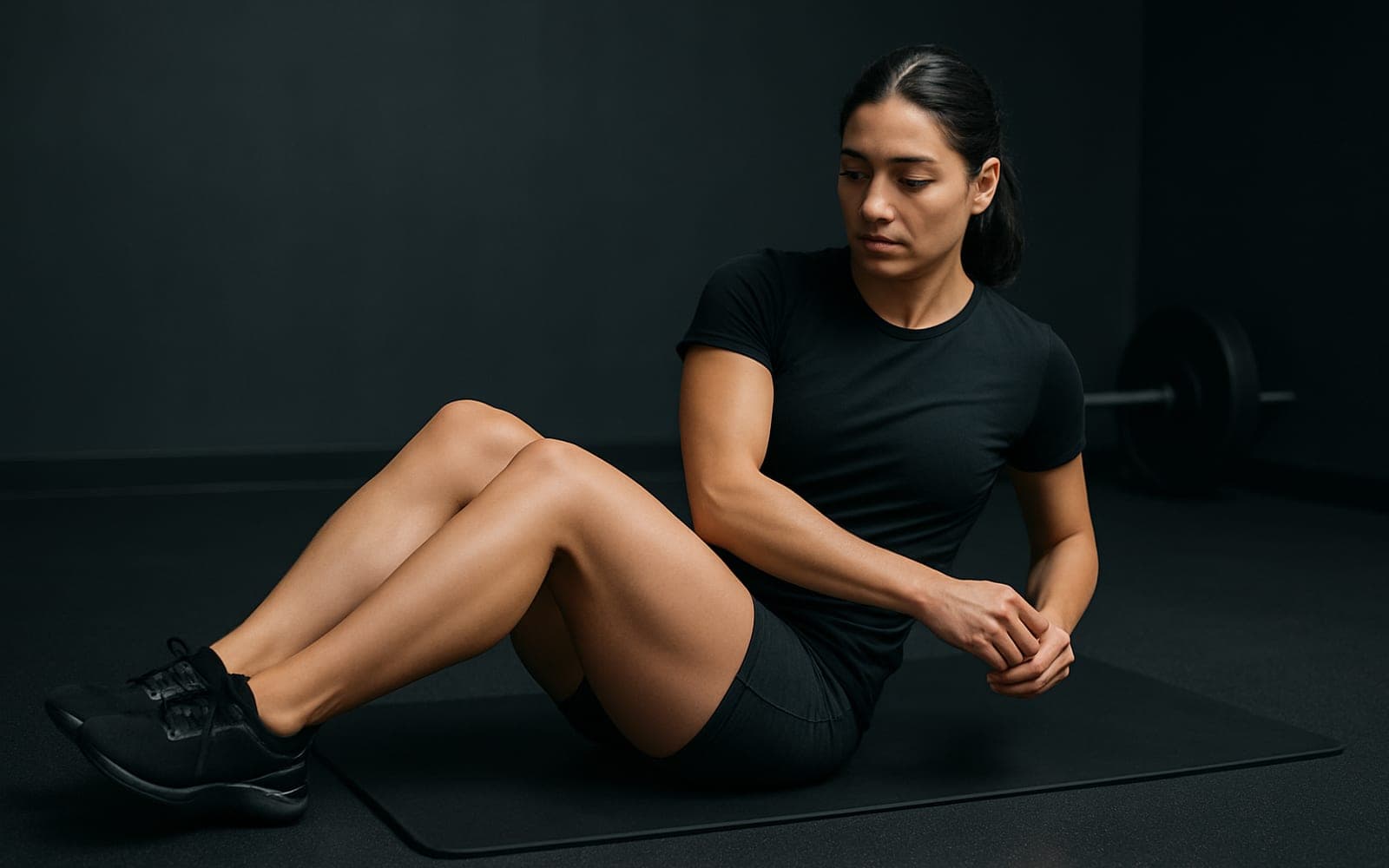
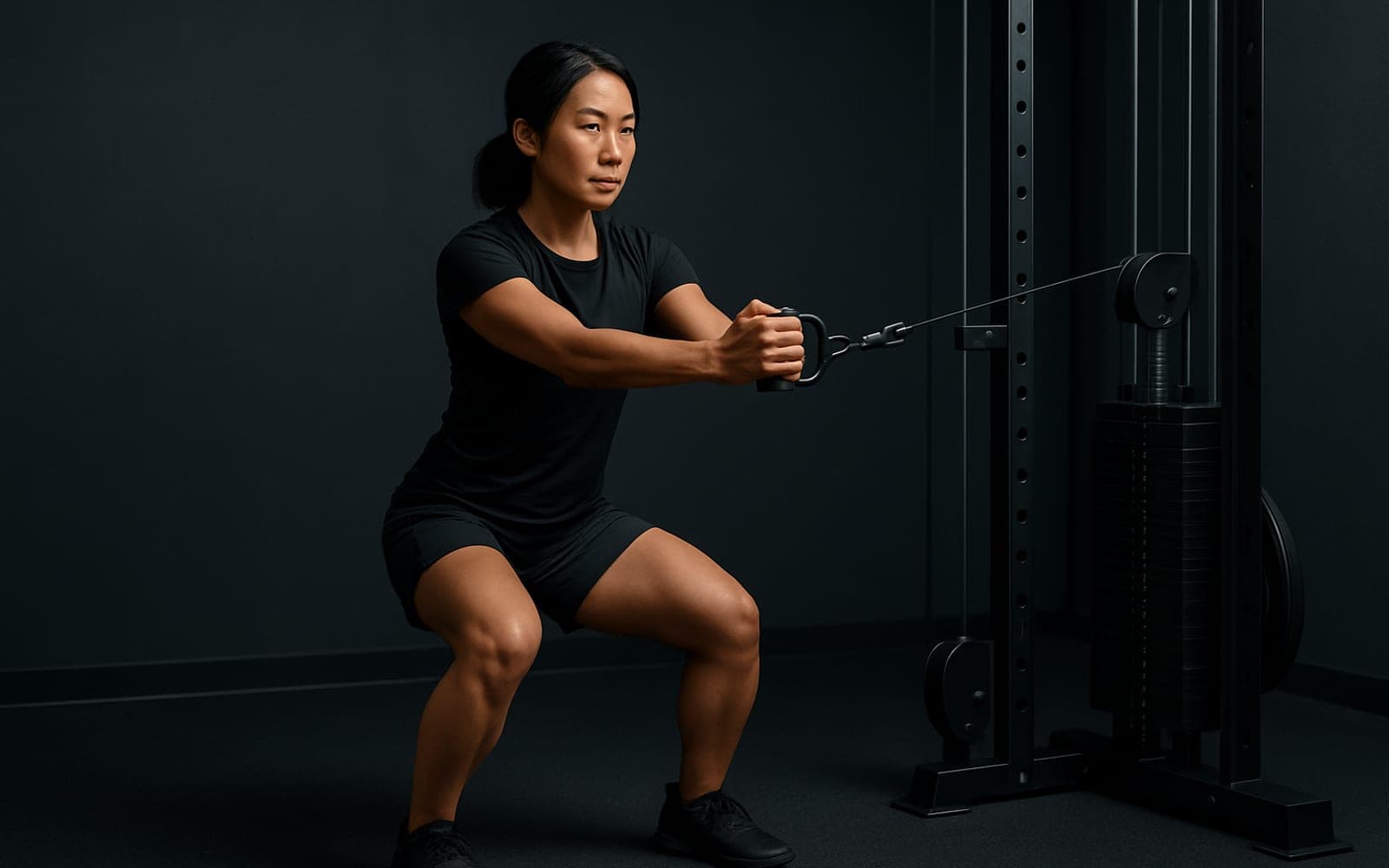
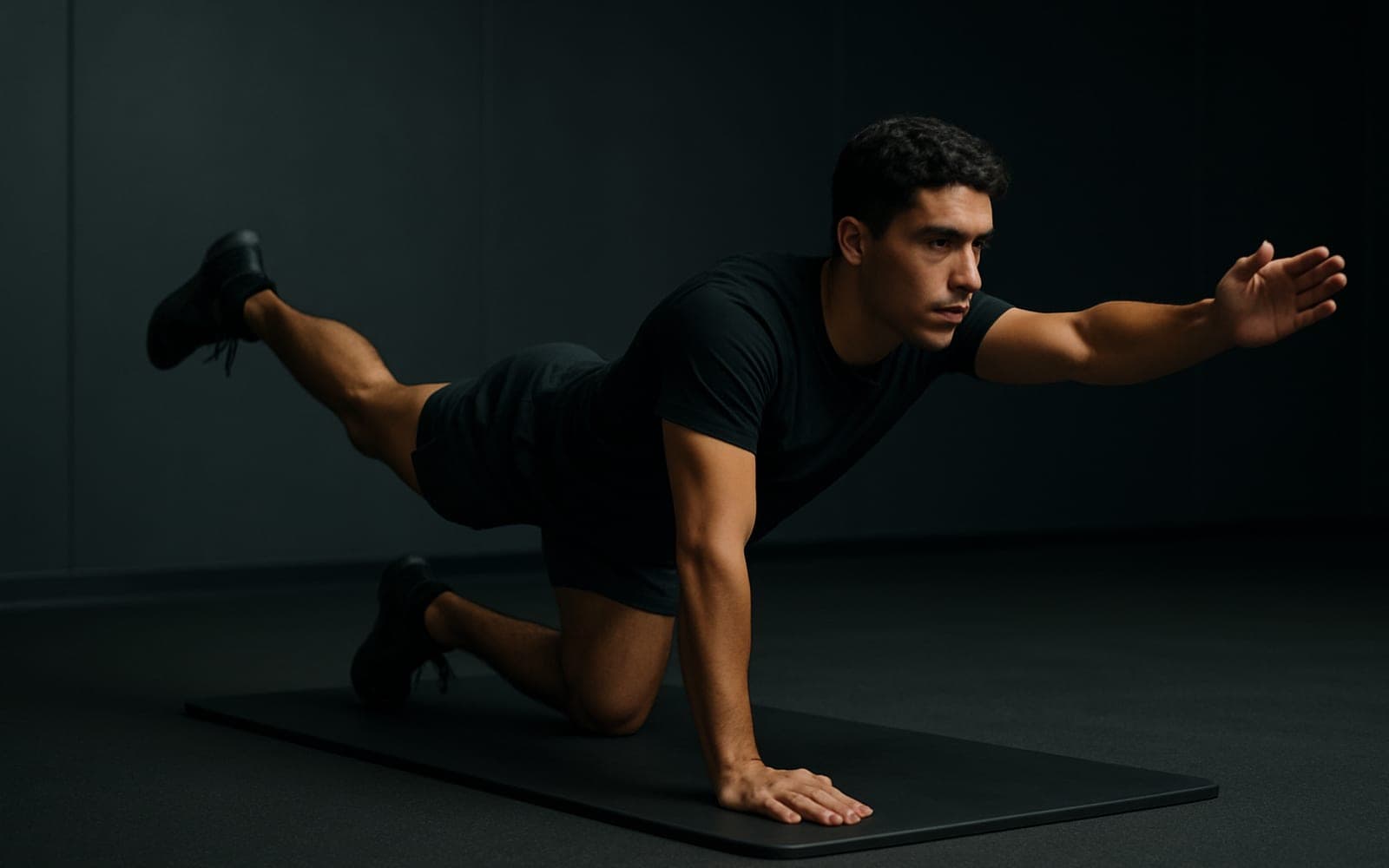
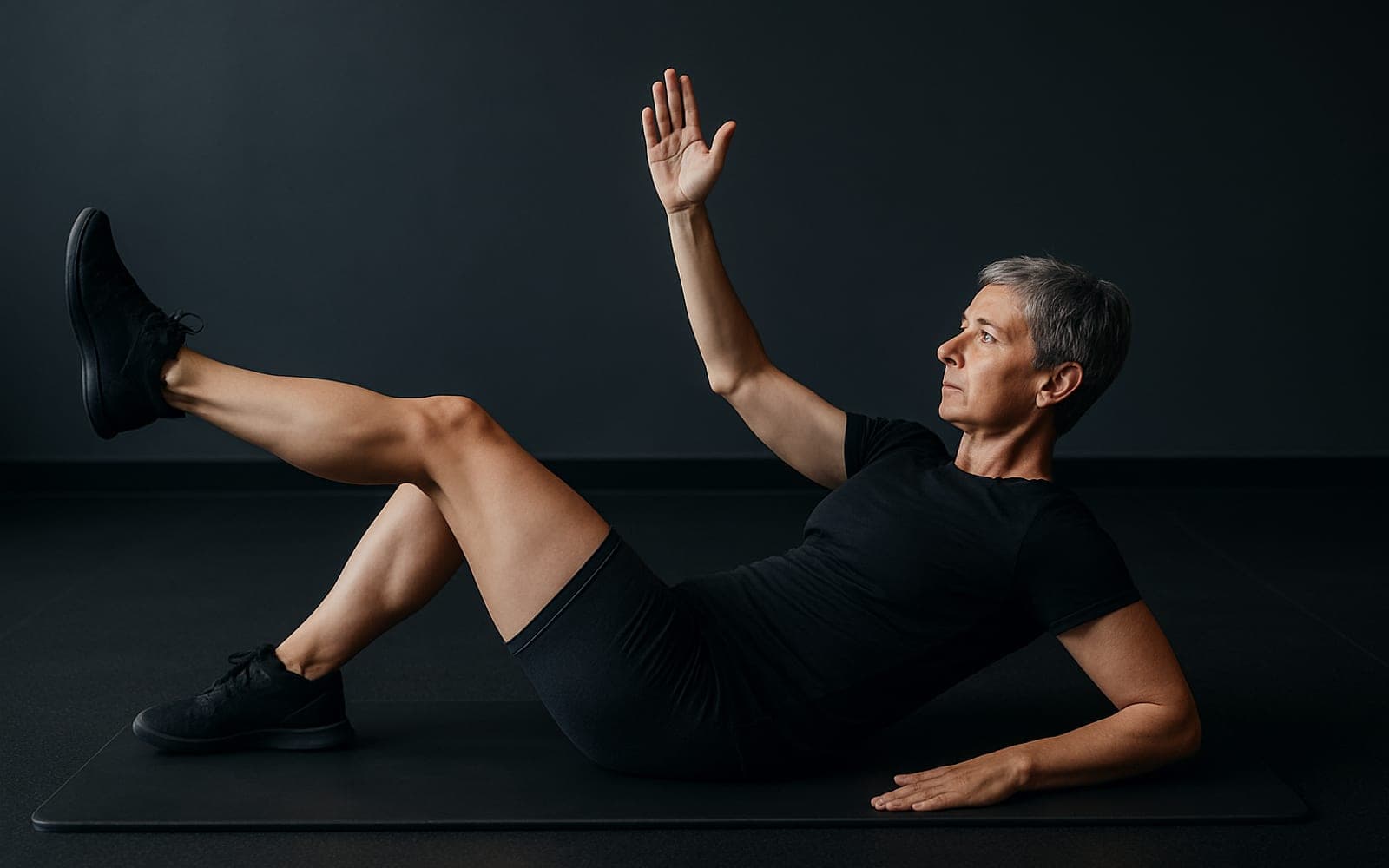
Exercises that pair with this
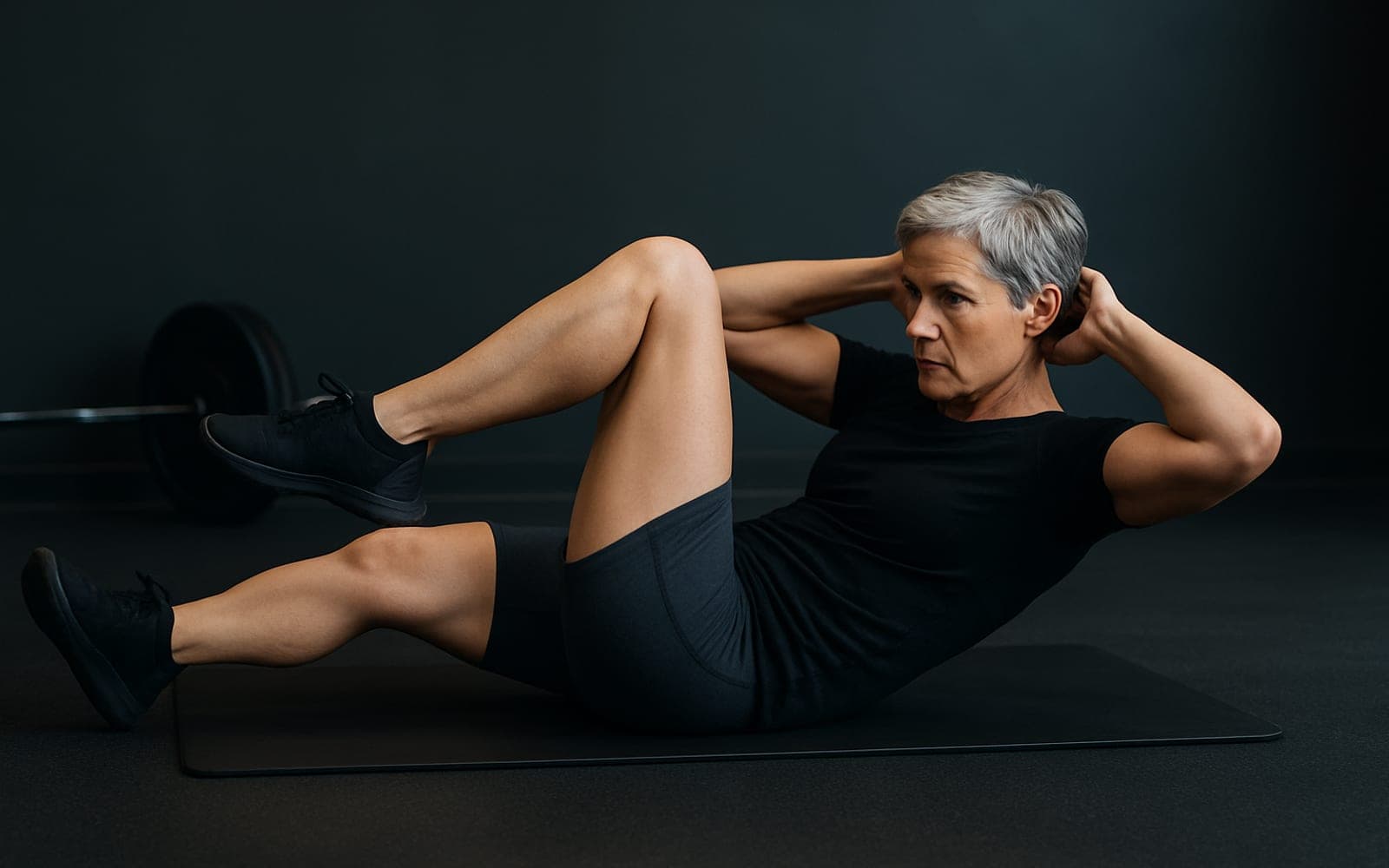
Same muscles or the same movement pattern — useful for building the rest of the session.
Side Plank — questions people ask
What muscles does the side plank work?
The side plank trains the obliques as the primary target, with the core, glutes working as support. It is a core pattern, so it also trains the coordination that pattern needs.
How many sets and reps of the side plank should I do?
Two to four sets of 8–15 reps, or 20–45 second holds. Stop the set when your form breaks, not when the count runs out.
Is the side plank good for beginners?
Yes. The side plank is a beginner-friendly movement. Drop the bottom knee to the floor. If it feels like too much, build the pattern on the plank first.
What can I do instead of the side plank?
Plank, Cable Woodchop all train the same core pattern with different equipment, so any of them works when the machine is busy or your gym does not have it.
What are the most common side plank mistakes?
Hips sagging toward the floor; Rotating forward; Holding your breath. Lift the hips so your body forms a straight line from head to heels; hold while breathing steadily, then switch sides.