Plate-Loaded Row
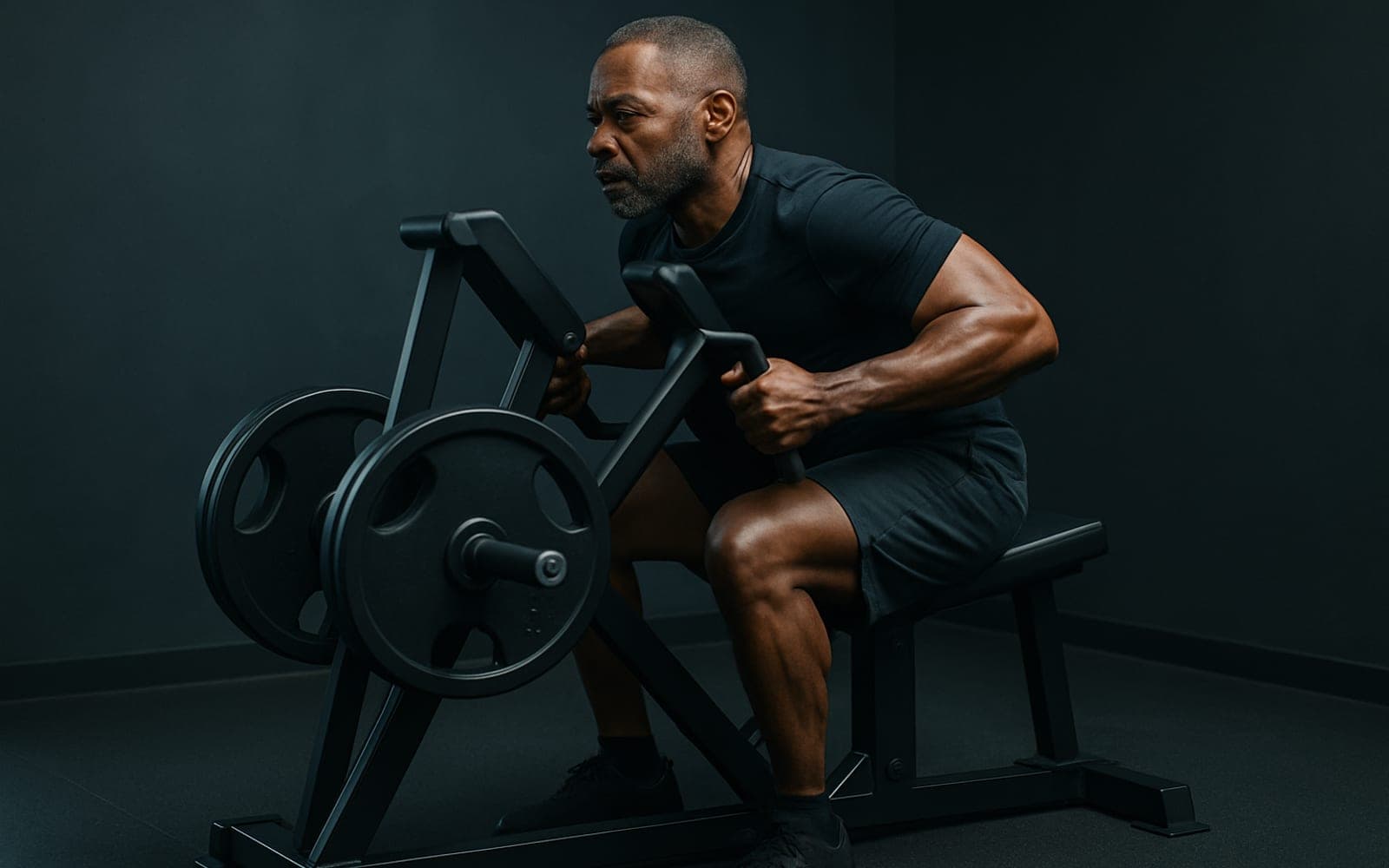
Activation
Muscles worked
Movement
Horizontal Pull
Intermediate · Plate-Loaded
Secondary muscles
Movement pattern
Equipment category
How to perform
- 1
Set up
Chest on the pad, load plates, grab the handles.
- 2
Execute the movement
Drive the elbows back, full squeeze, control the return.
Common mistakes
- Cutting the range short
Make it harder
Make it easier
Substitutions
If a machine is busy or unavailable, these train the same pattern a different way.
Your progress over time
What to expect from training this consistently — everyone progresses at their own pace.
- 1
First few sessions
Learn the setup, bracing and elbow-drive cue with light plates; focus on full scapular retraction and a controlled return rather than heavy loading.
- 2
Weeks 2–6
Neuromuscular coordination improves, you can handle higher loads with clean technique, and you’ll notice reduced 'stiff' mid-back movement and better mind–muscle connection.
- 3
Months 2–4
Consistent progressive overload produces visible mid-back and lat thickness, measurable strength increases on working sets, and better posture in daily activities.
- 4
Months 4–8
Substantial increases in horizontal pulling strength and muscle cross-section; you can load for heavy sets or volume cycles and use variations (unilateral, paused reps) to target weaknesses.
- 5
9+ months
Well-developed mid-back/lats and reliable technique under heavy plates, with clear carryover to other pulling movements and improved upper‑body pulling durability.
Benefits of the plate-loaded row
Builds mid‑back thickness by targeting the rhomboids and lower traps through horizontal scapular retraction.
Develops lat width and density by emphasizing a full elbow‑drive and end‑range squeeze.
Strengthens the biceps and forearms as assisting muscles, improving grip and secondary pulling strength.
Improves posture and shoulder blade control by reinforcing scapular retraction and thoracic stability.
Increases overall horizontal pulling strength, which transfers to better performance in rowing variations and everyday pulling tasks.
Exercises that pair with this
Same muscles or the same movement pattern — useful for building the rest of the session.
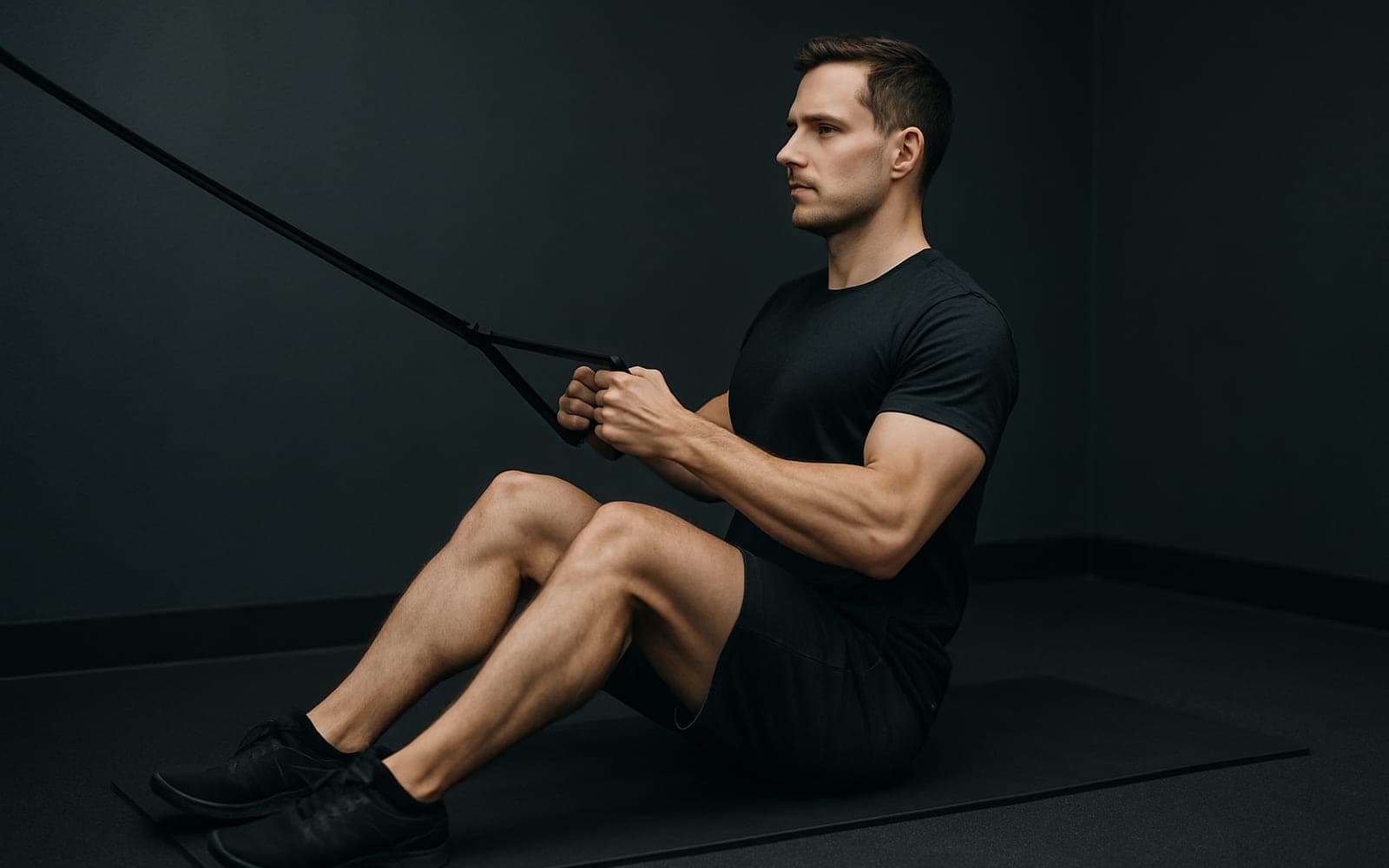
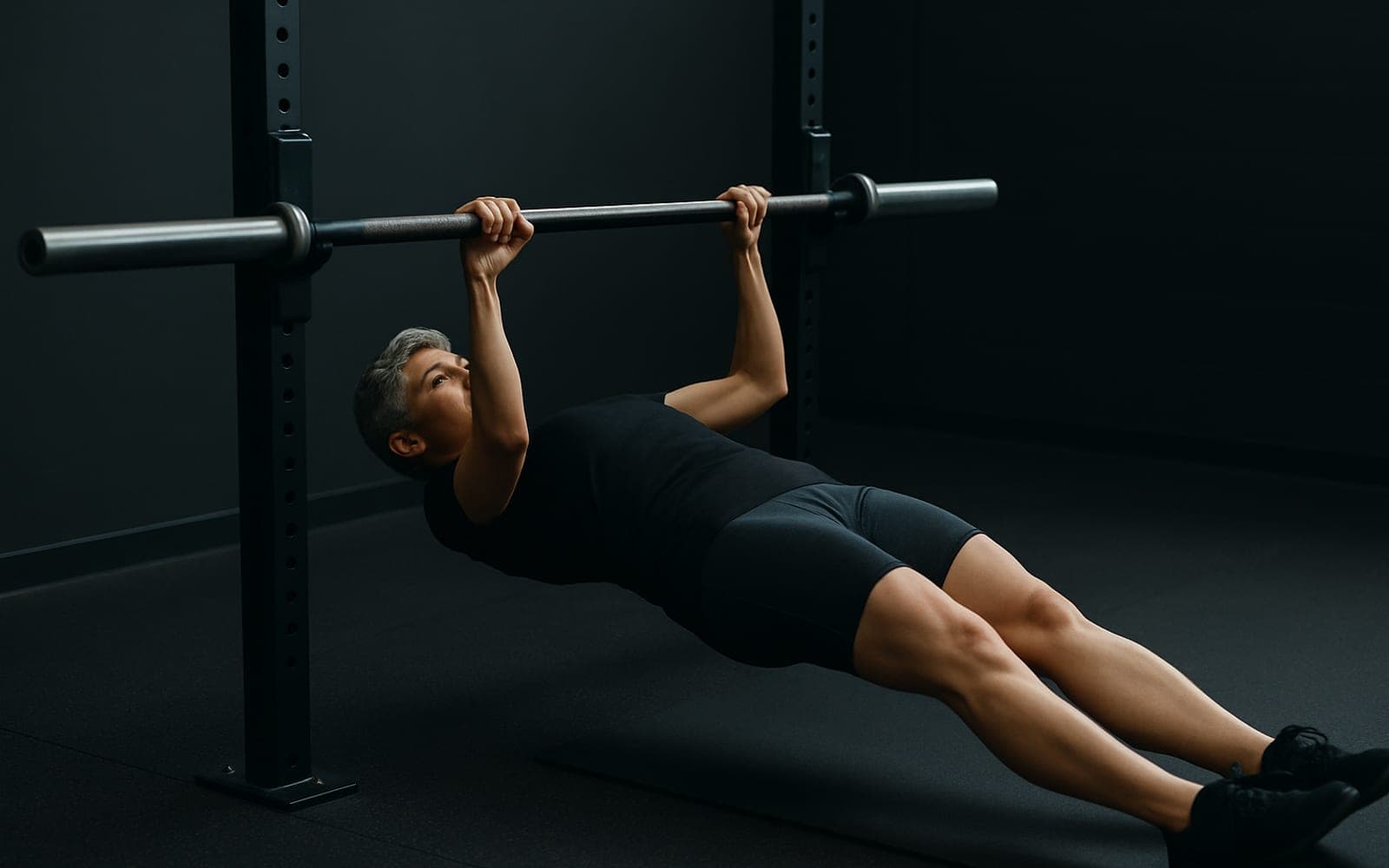
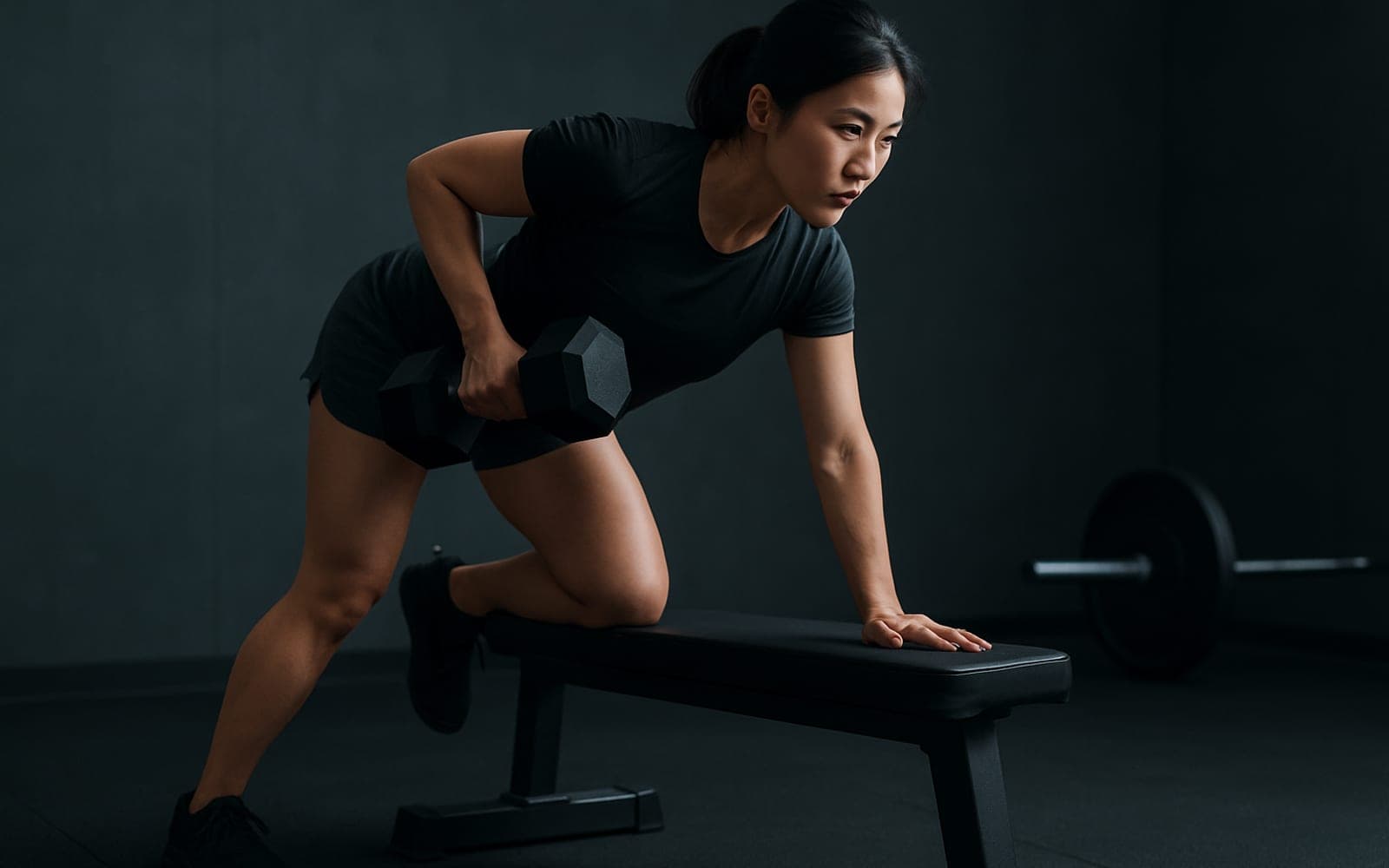
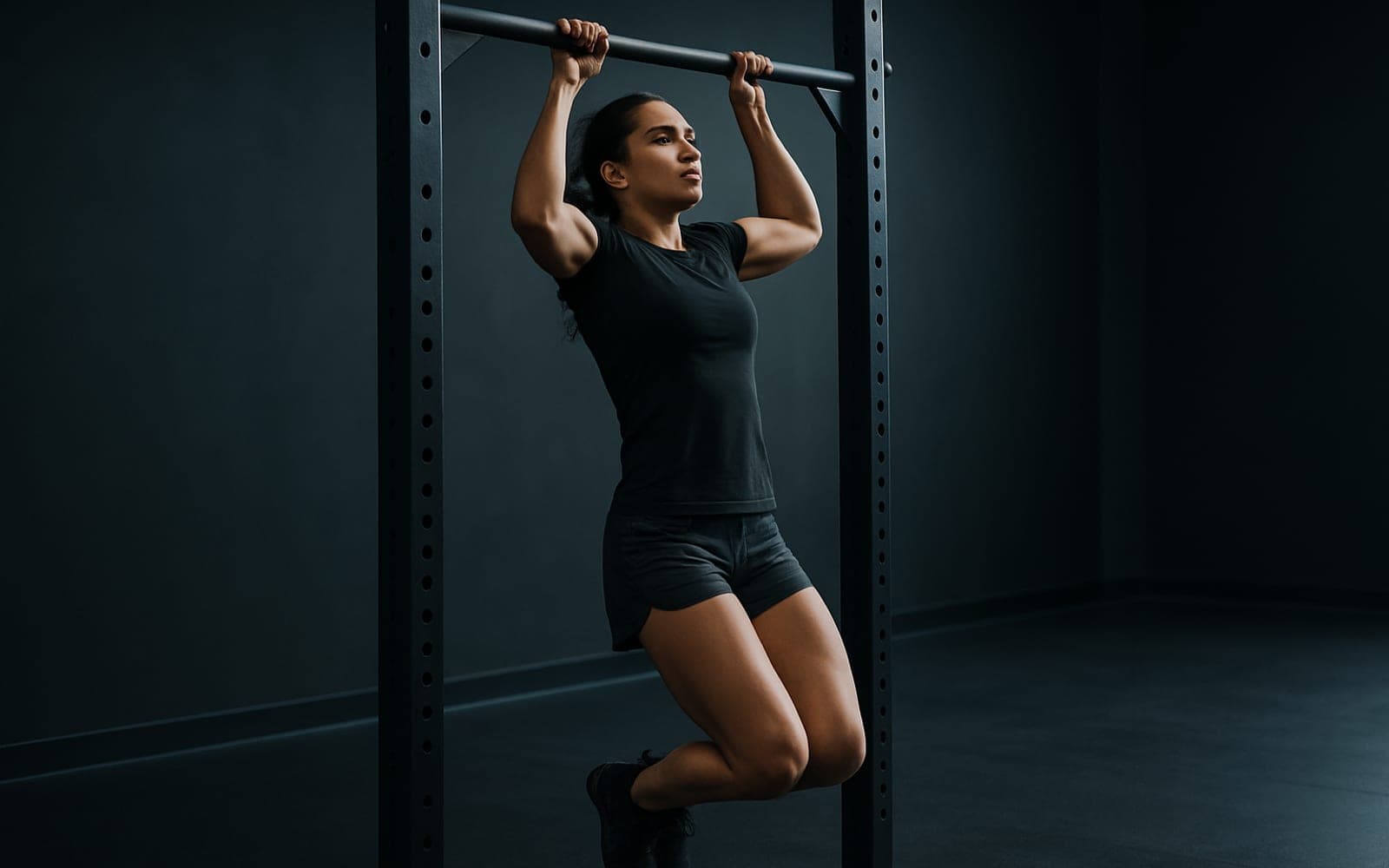
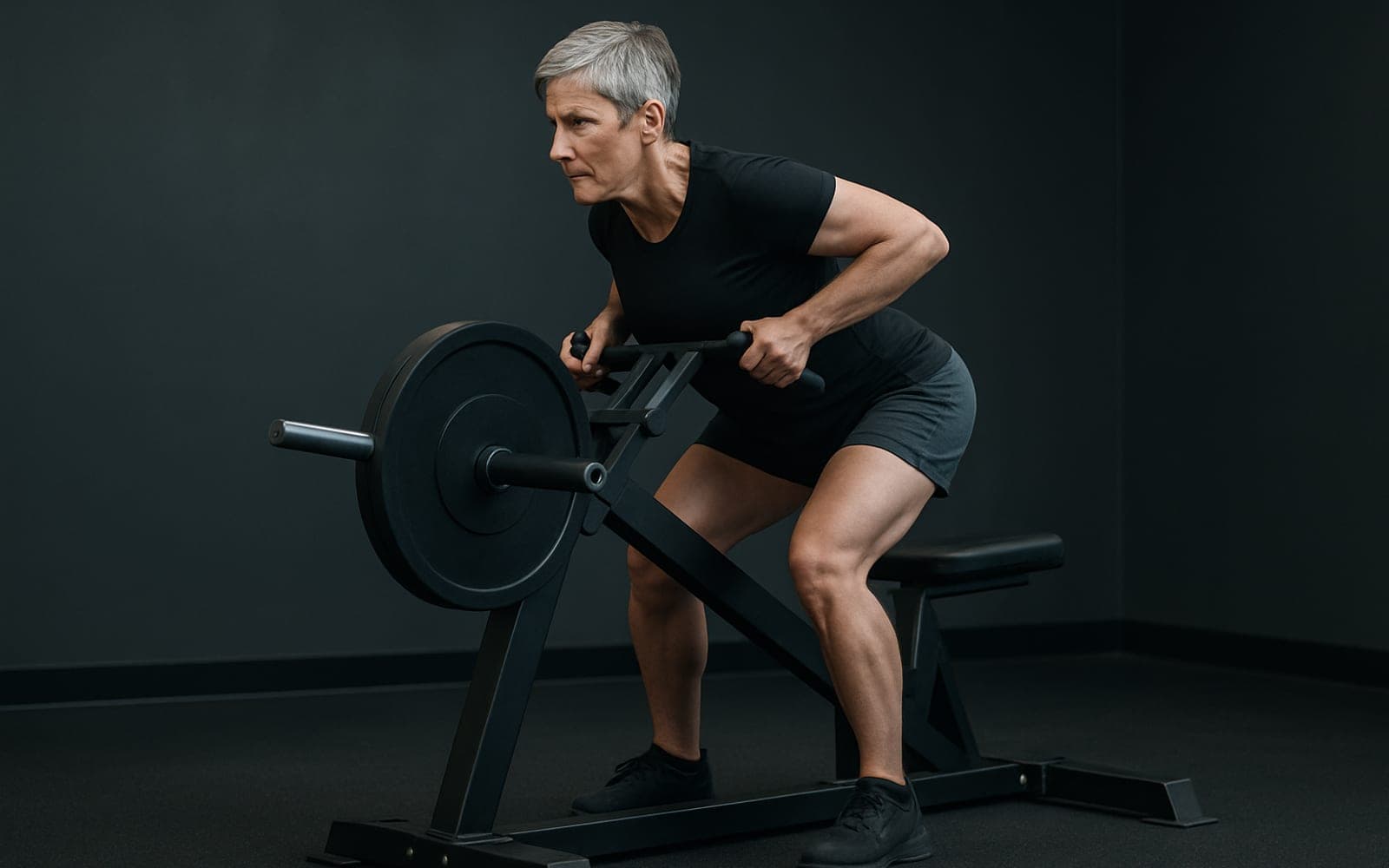
Plate-Loaded Row — questions people ask
What muscles does the plate-loaded row work?
The plate-loaded row trains the mid-back and lats as the primary target, with the biceps working as support. It is a horizontal pull pattern, so it also trains the coordination that pattern needs.
How many sets and reps of the plate-loaded row should I do?
For size, three to four sets of 8–12 reps with 60–90 seconds of rest. For strength, three to five sets of 3–6 reps with longer rest. Add a little weight once you hit the top of the range on every set.
Is the plate-loaded row good for beginners?
It is a reasonable second step. The plate-loaded row asks for some control and body awareness. Use the selectorized machine row. If it feels like too much, build the pattern on the machine row first.
What can I do instead of the plate-loaded row?
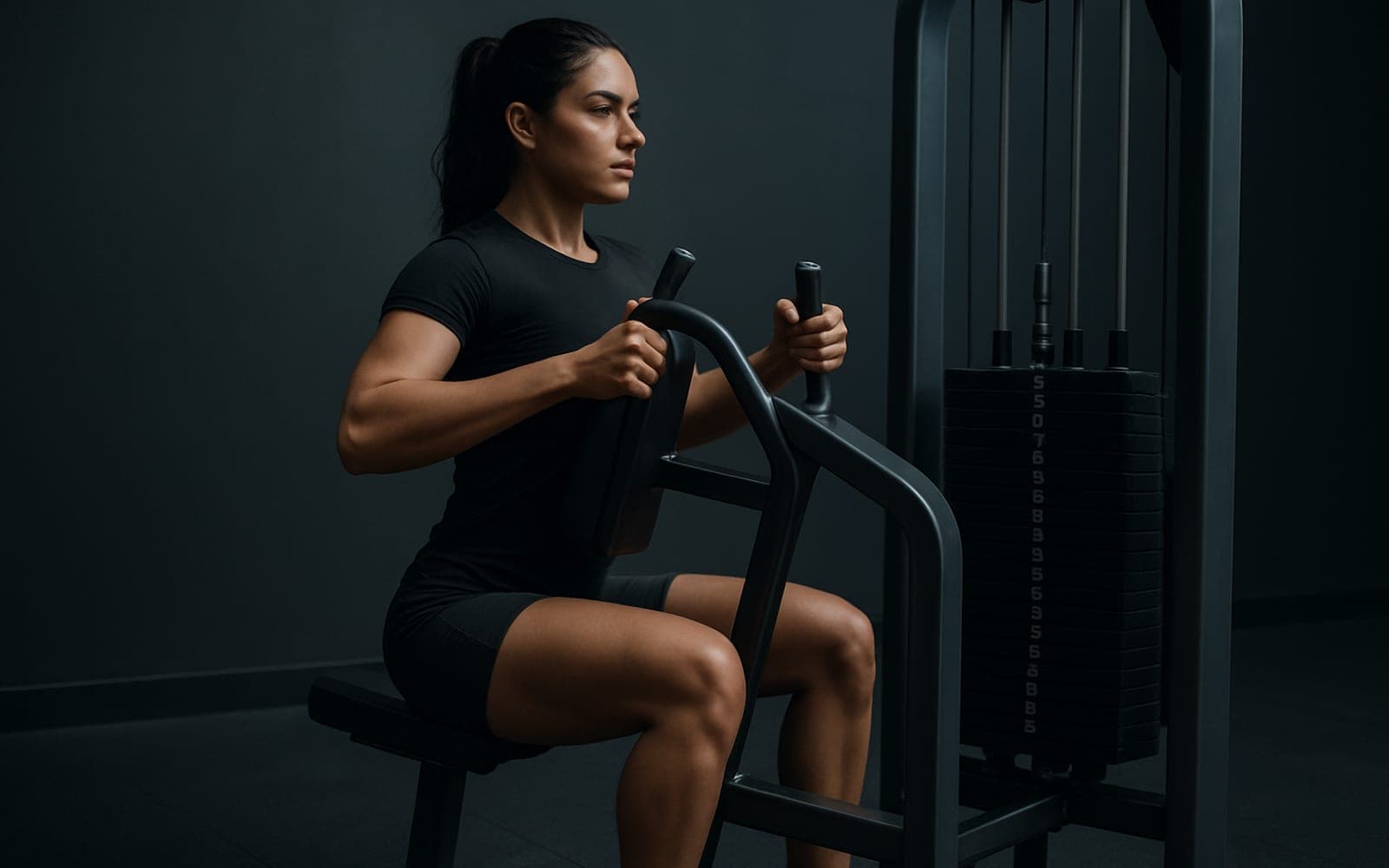
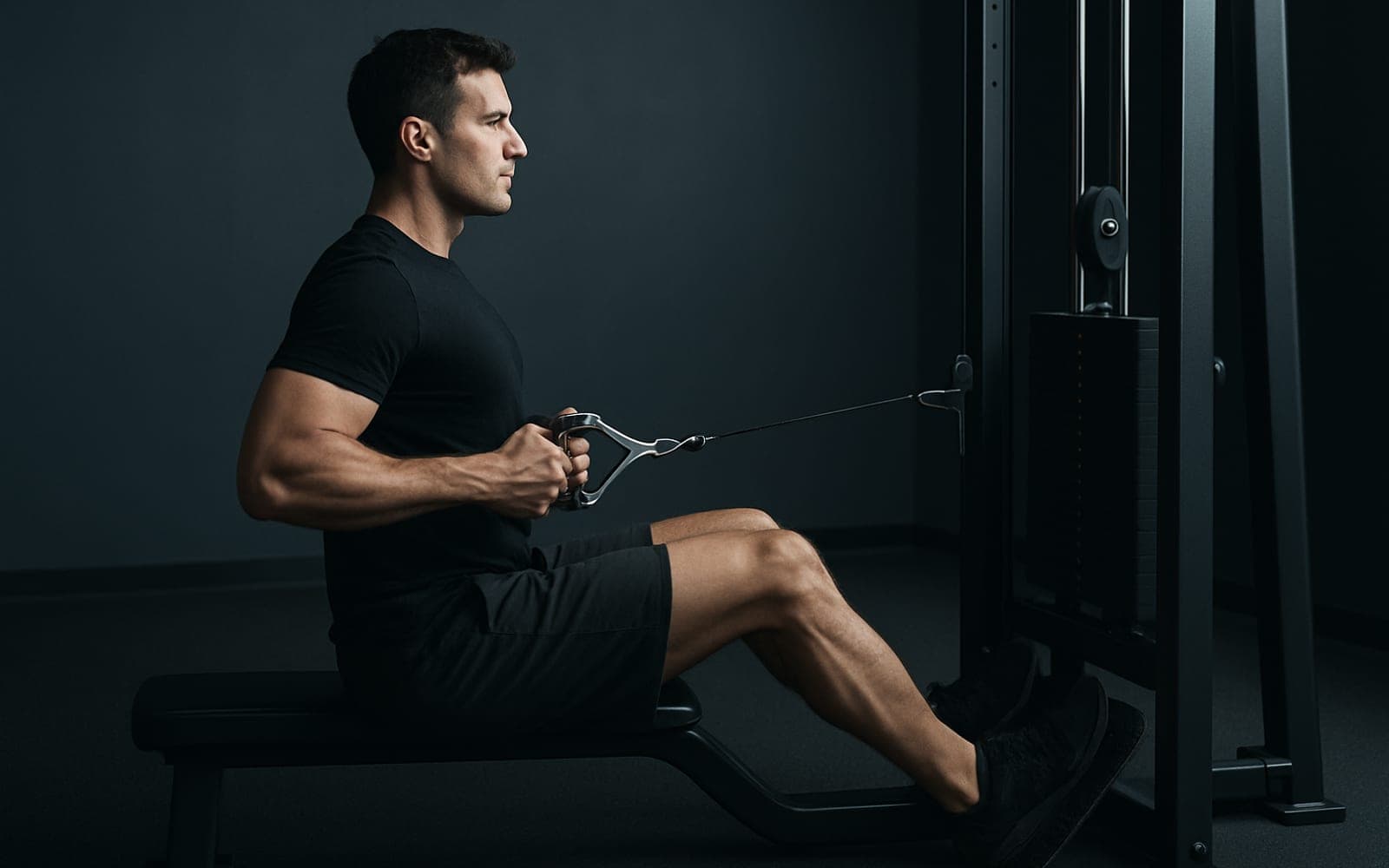
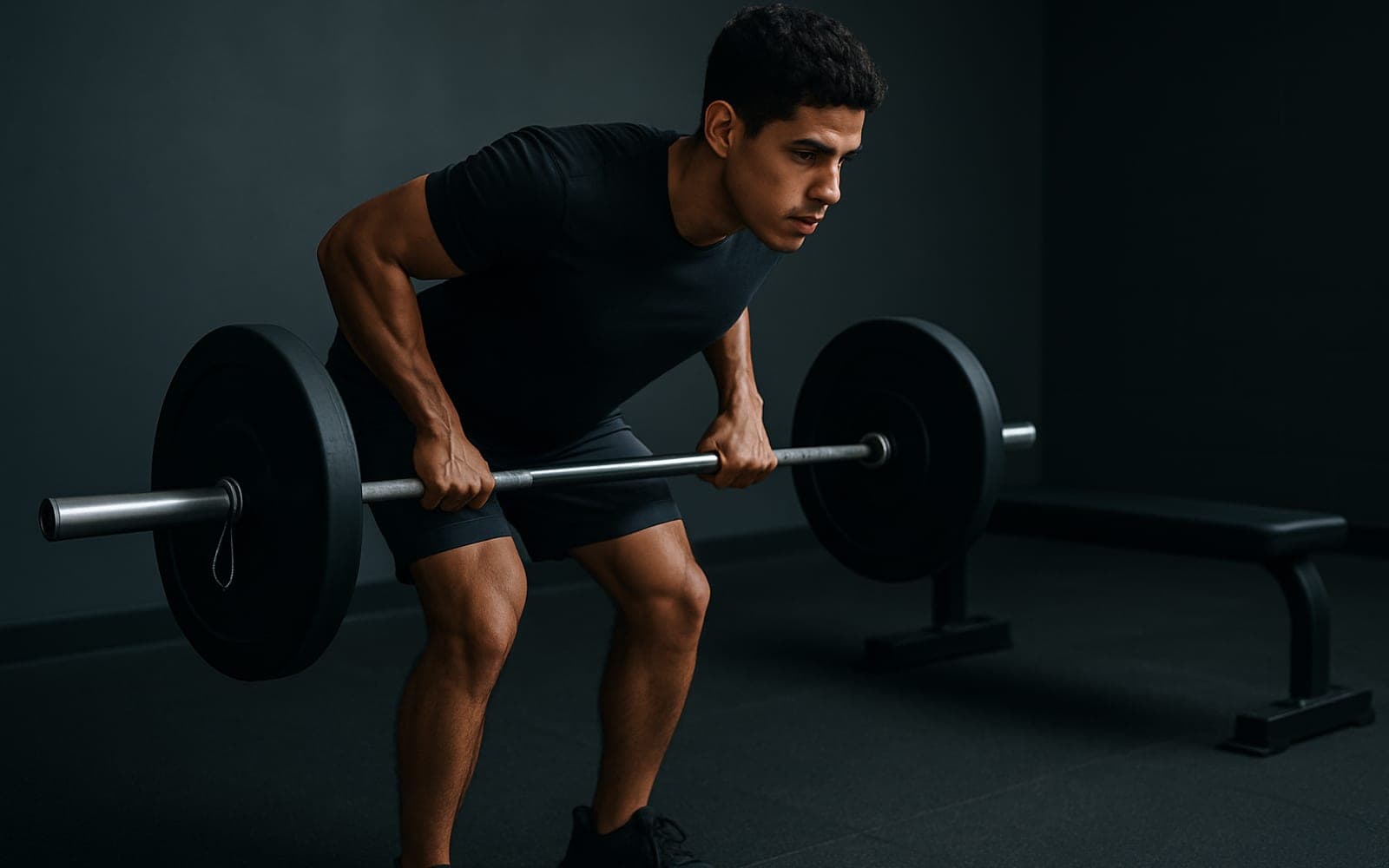
Machine Row, Seated Cable Row, Barbell Row all train the same horizontal pull pattern with different equipment, so any of them works when the machine is busy or your gym does not have it.
What are the most common plate-loaded row mistakes?
Cutting the range short. Drive the elbows back, full squeeze, control the return.
Can I do the plate-loaded row at home?
It needs plate-loaded equipment, so it belongs in a gym session rather than a home workout unless you own that equipment.