Wall Sit
Activation
Muscles worked
Movement
Squat
Beginner · Bodyweight
Primary muscles
Movement pattern
Equipment category
How to perform
- 1
Set up
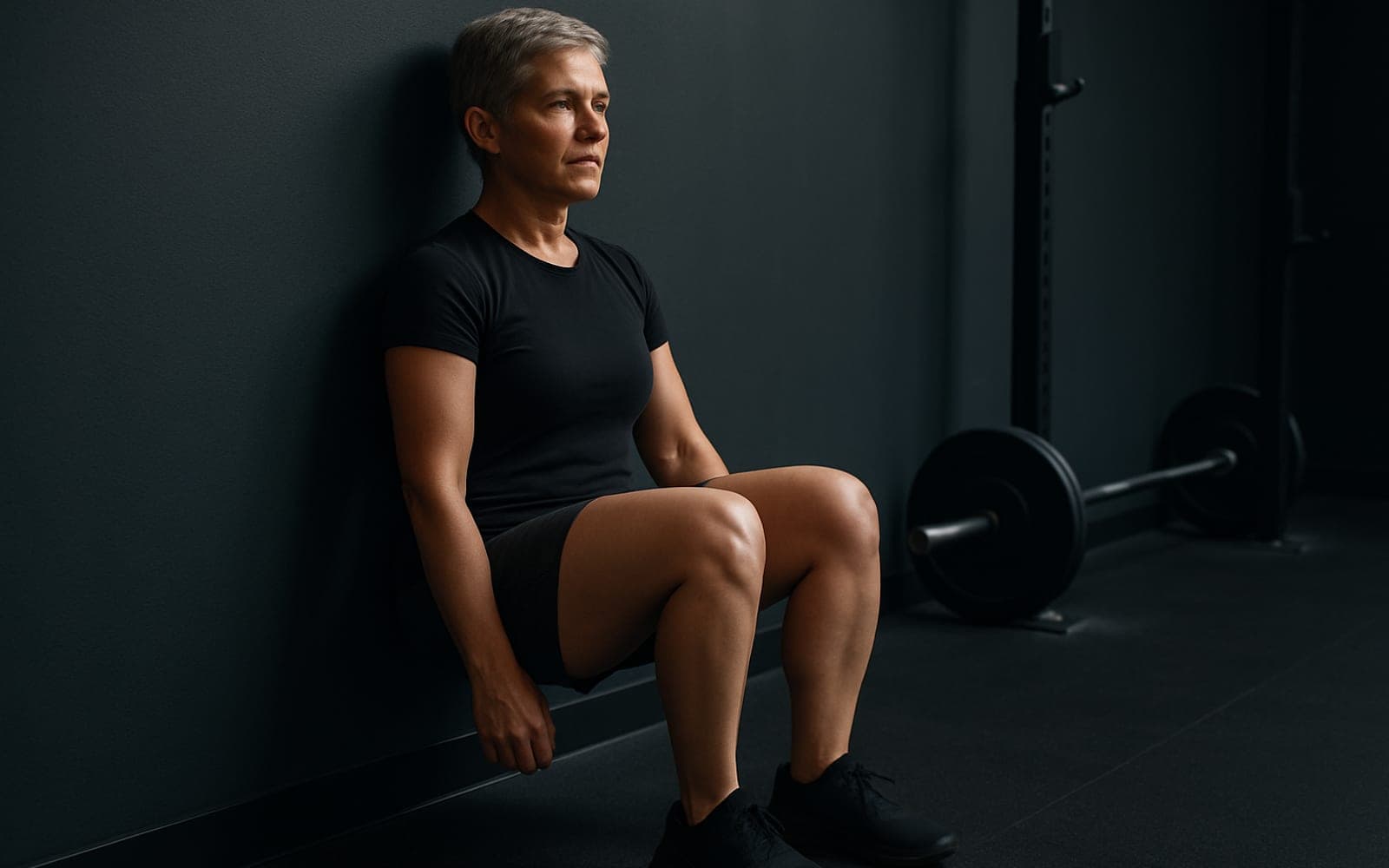
Lean your back flat against a wall and slide down until the thighs are about parallel, knees over ankles.
- 2
Execute the movement
Hold the position with an even weight through the feet and a braced core, breathing steadily for time.
Common mistakes
- Knees drifting past the toes
- Not sitting low enough
- Holding the breath
Make it harder
Make it easier
Accessibility
Substitutions
If a machine is busy or unavailable, these train the same pattern a different way.
Your progress over time
What to expect from training this consistently — everyone progresses at their own pace.
- 1
First session
Learn the position and breathing: maintain a 90° (or comfortable) knee angle, distribute weight evenly through both feet, brace the core, and hold for short sets of 15–40 seconds with adequate rest.
- 2
Weeks 1–3
Build endurance and technical consistency: multiple sets reach 45–90 seconds, reduced wobble, and less breathlessness as posture and breathing improve.
- 3
Weeks 4–8
Noticeable strength and local muscular endurance increases in the quads and glutes: typical holds progress to 90–180 seconds and you can add 1–3 sets per session or introduce light load (e.g., plate on thighs) for added stimulus.
- 4
Months 2–6
Solid improvements in sustained isometric strength and hypertrophy of the quads: routine holds of 2–4 minutes are common, carryover to better performance in other lower-body exercises, and reduced fatigue during prolonged standing or stair activity.
- 5
6+ months
High local endurance and strength in an isometric context: you can use weighted variations, progressive set/rep schemes, or integrate wall sits into conditioning circuits while maintaining consistent posture and longer duration holds.
Benefits of the wall sit
Develops the quadriceps through sustained isometric tension, improving muscular endurance and local strength.
Recruits the glutes and core to maintain pelvis and trunk position, helping overall lower-body stability during static holds.
Teaches breath control and bracing under load-free conditions, which transfers to better stability in dynamic lifts and daily tasks.
Is a low-skill, low-impact way to increase time-under-tension for the legs, useful for beginners and those returning to training.
Easy to scale and progress (longer holds, more sets, added load) so it fits into general fitness programs for strength and conditioning.
Can be performed almost anywhere without equipment, providing a practical option to build leg strength and endurance outside the gym.
Exercises that pair with this
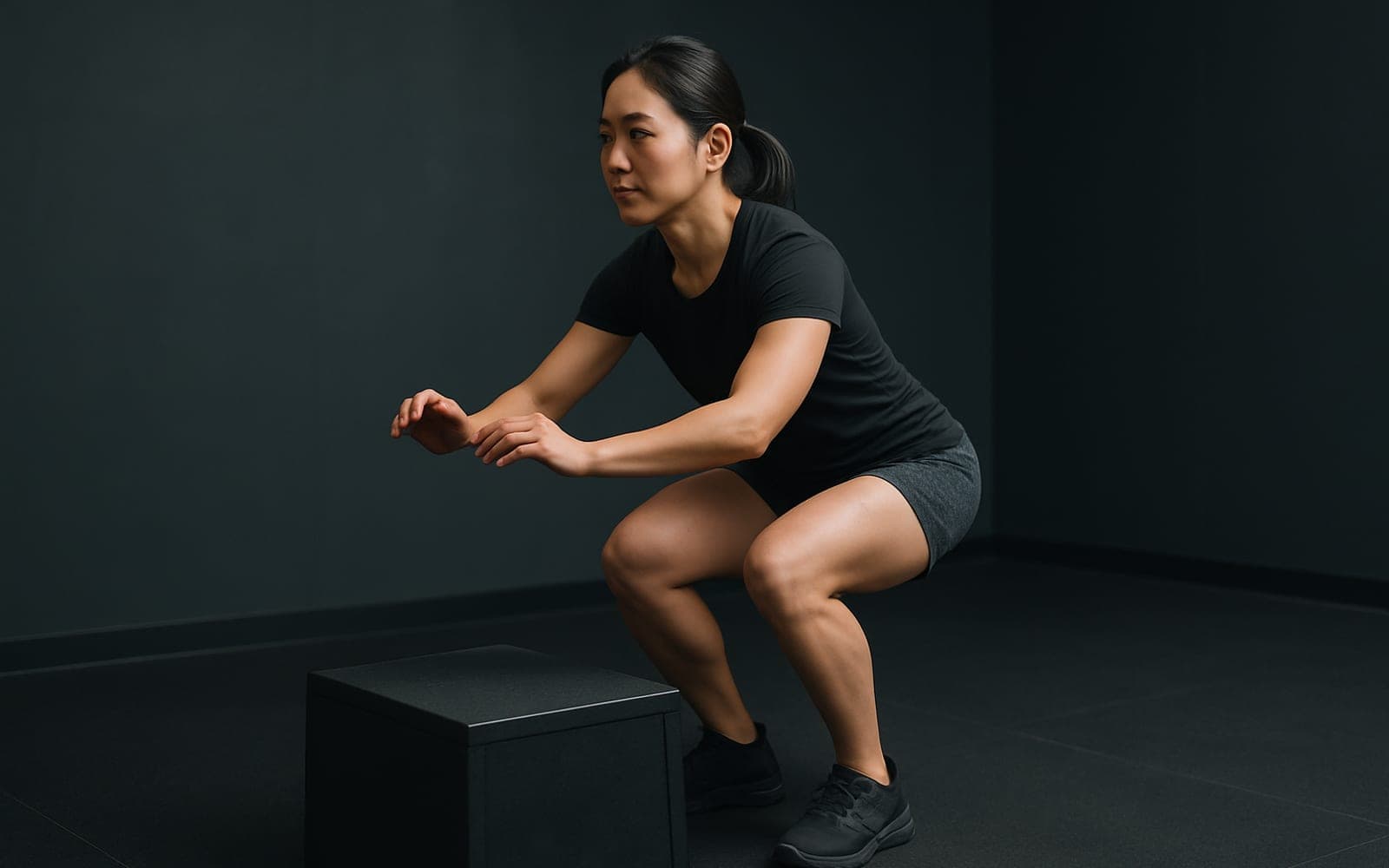
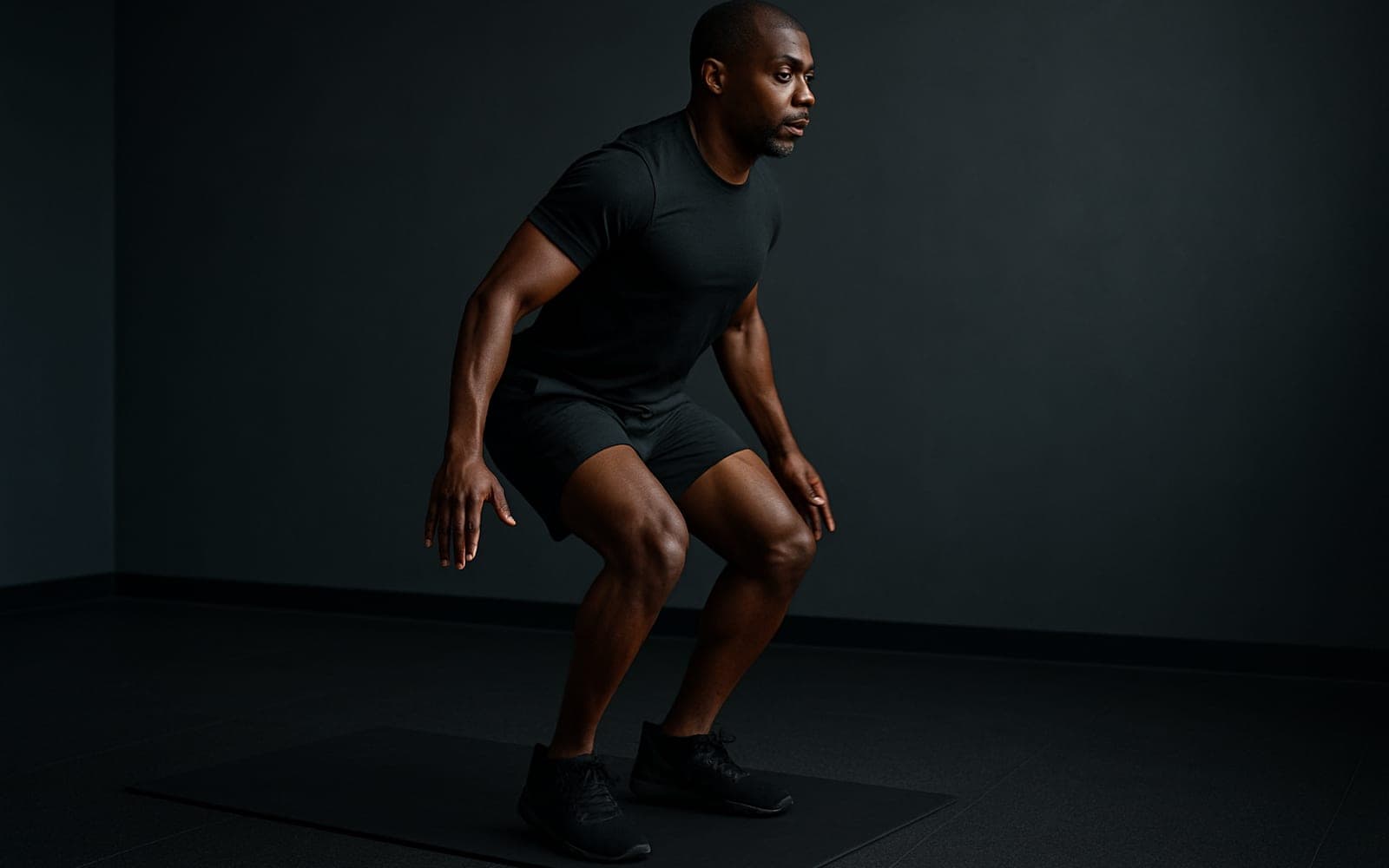
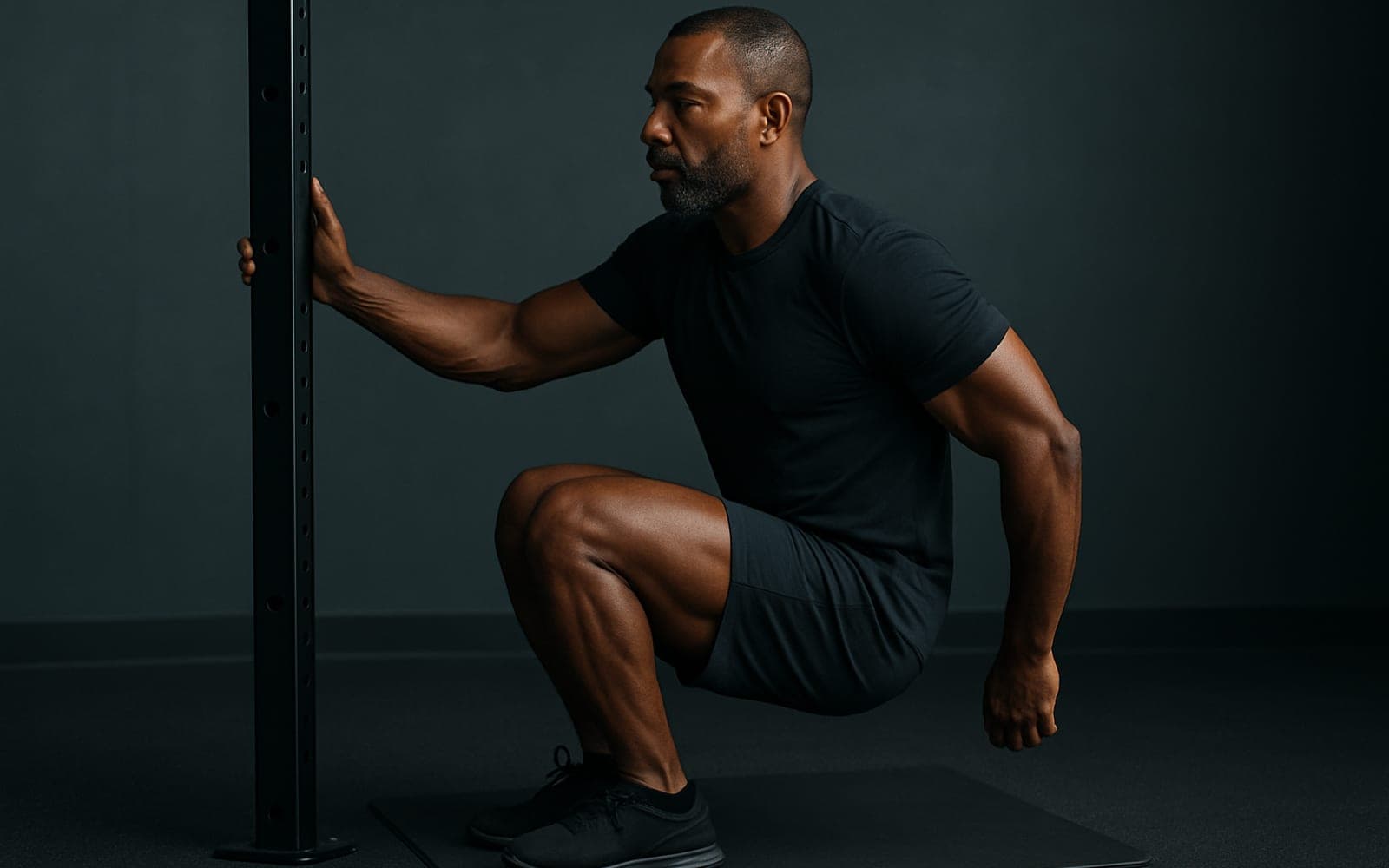
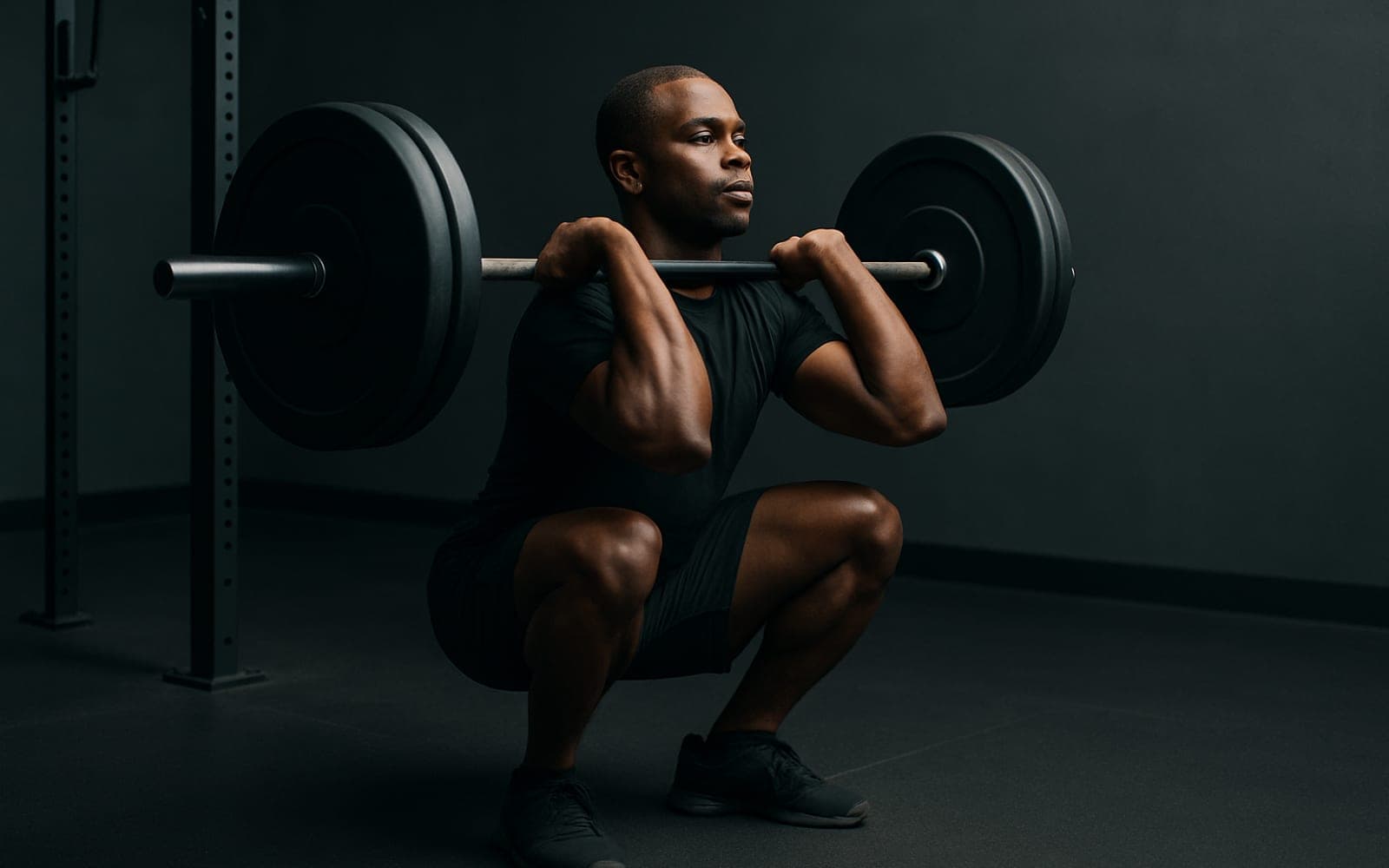
Same muscles or the same movement pattern — useful for building the rest of the session.

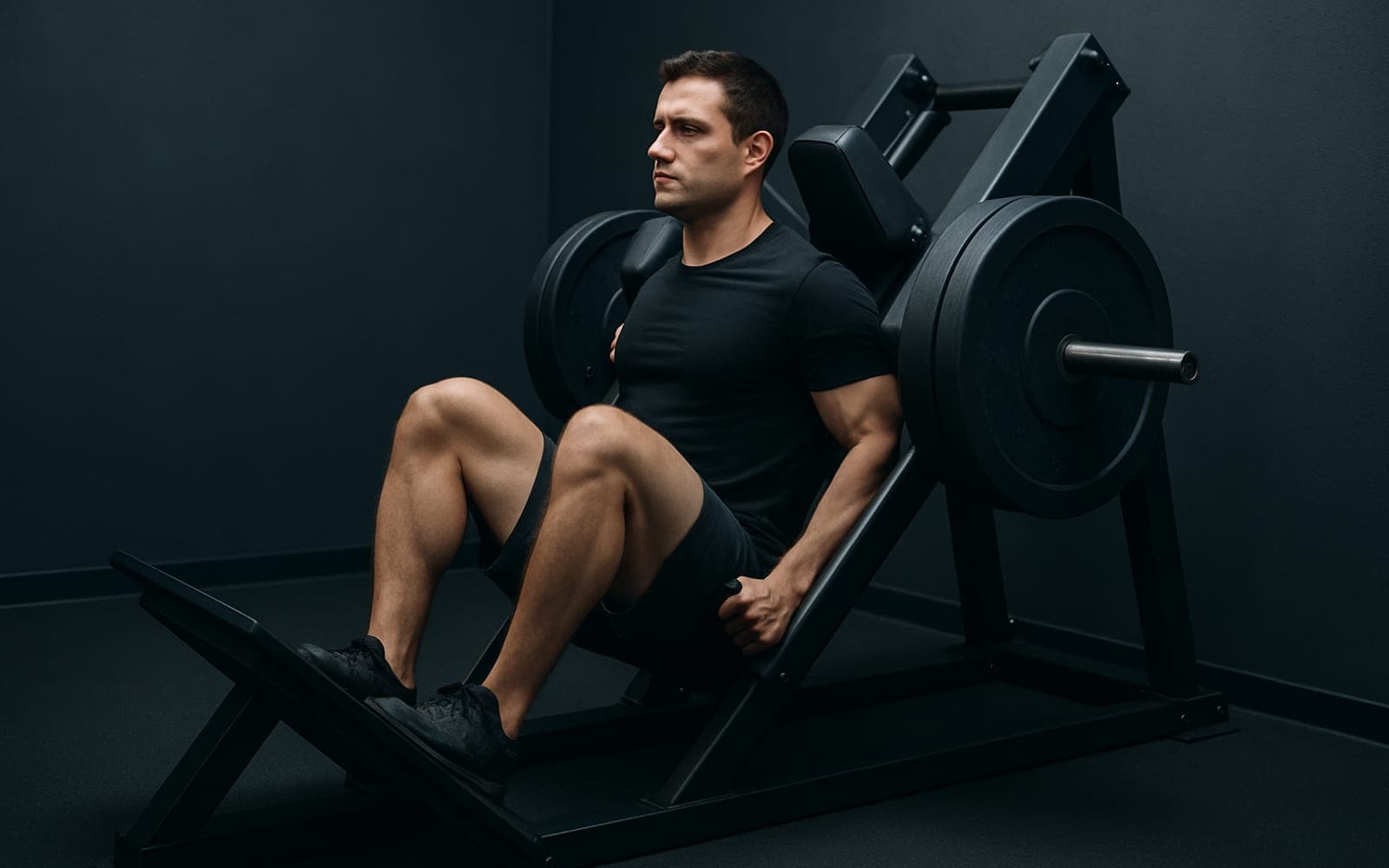
Wall Sit — questions people ask
What muscles does the wall sit work?
The wall sit trains the quads as the primary target, with the glutes, core working as support. It is a squat pattern, so it also trains the coordination that pattern needs.
How many sets and reps of the wall sit should I do?
Three to five sets of 3–6 reps with two to three minutes of rest, adding a small amount of weight when all sets feel solid.
Is the wall sit good for beginners?
Yes. The wall sit is a beginner-friendly movement. Hold a higher (shallower) position. If it feels like too much, build the pattern on the leg press first.
What can I do instead of the wall sit?
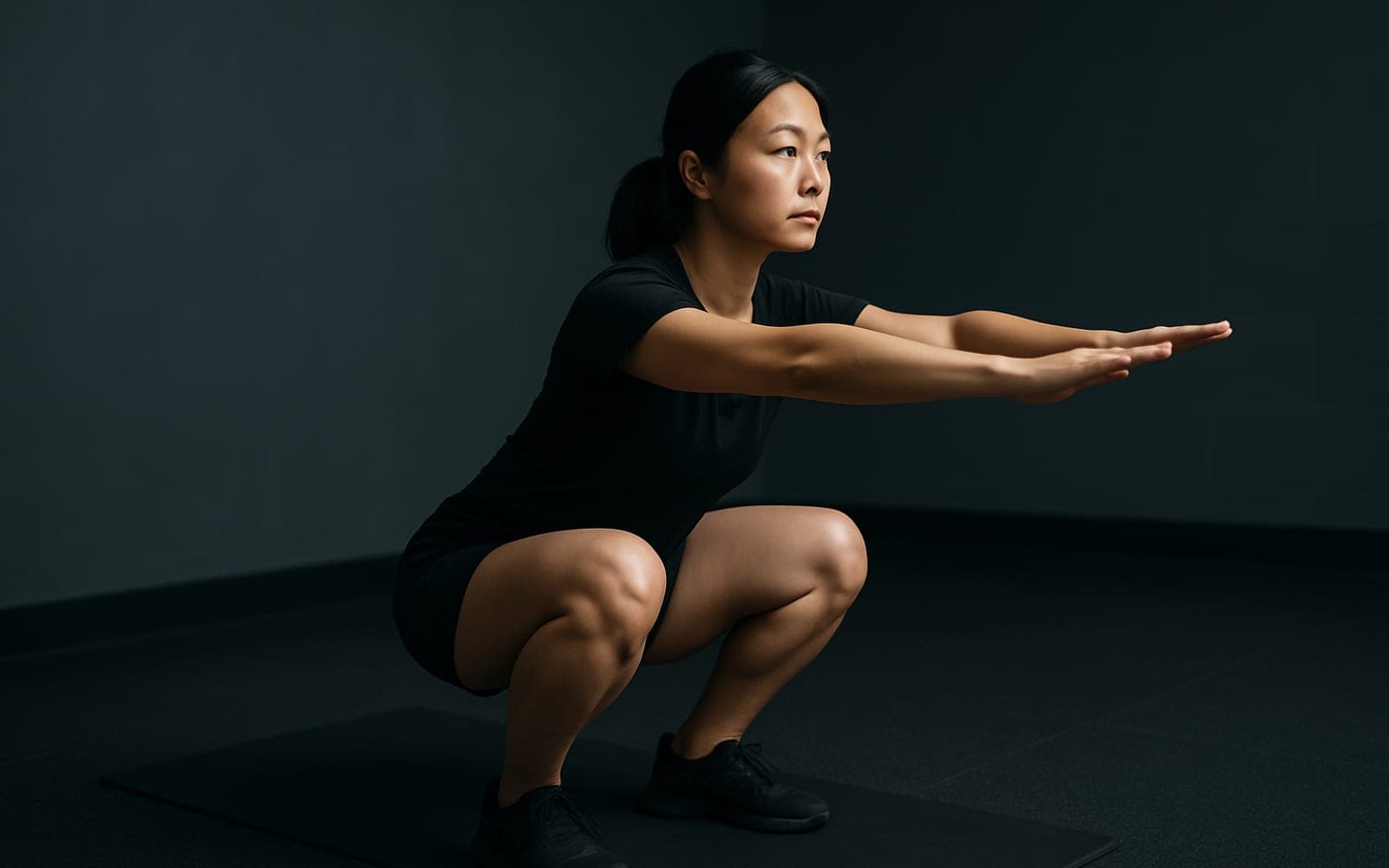
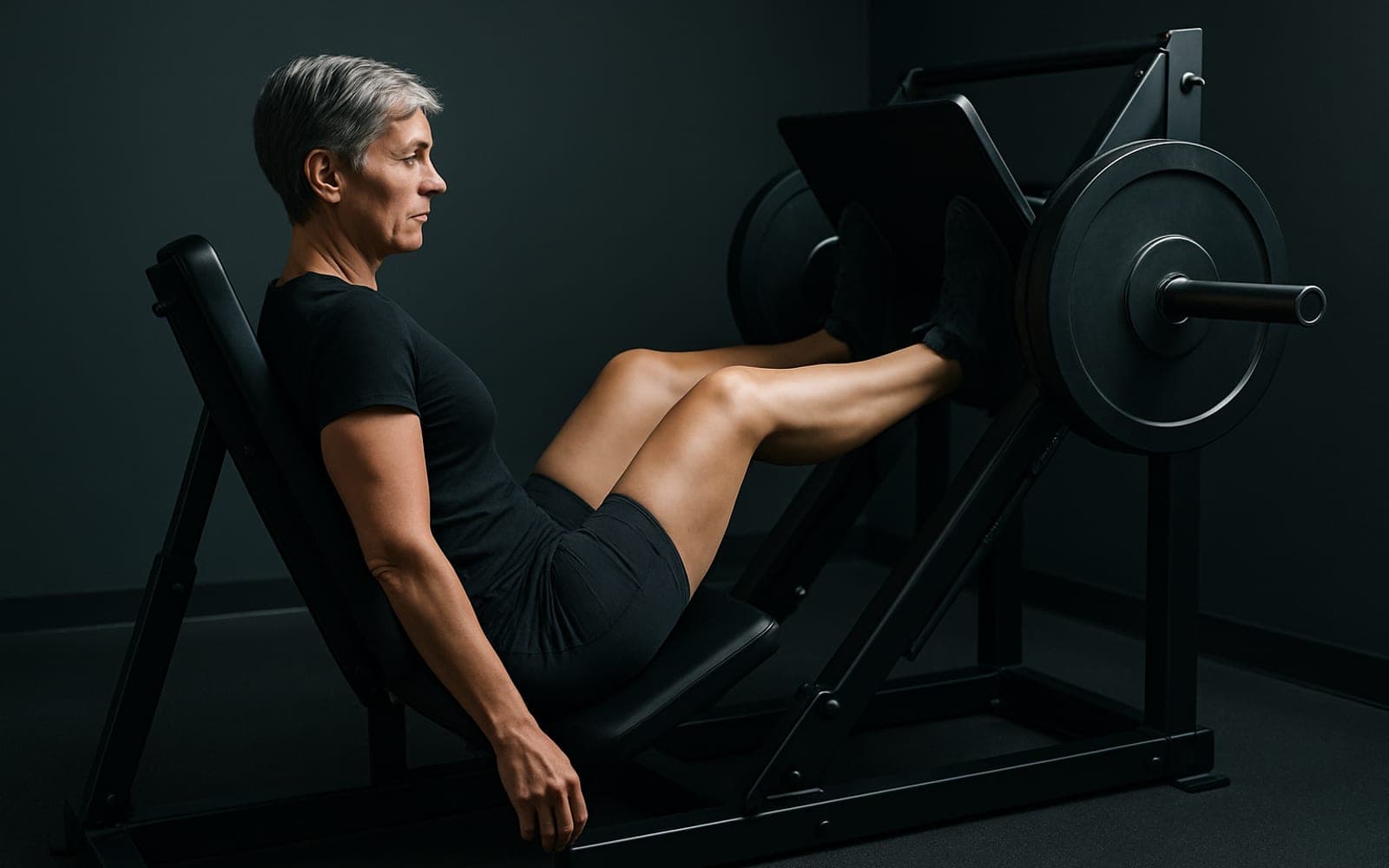
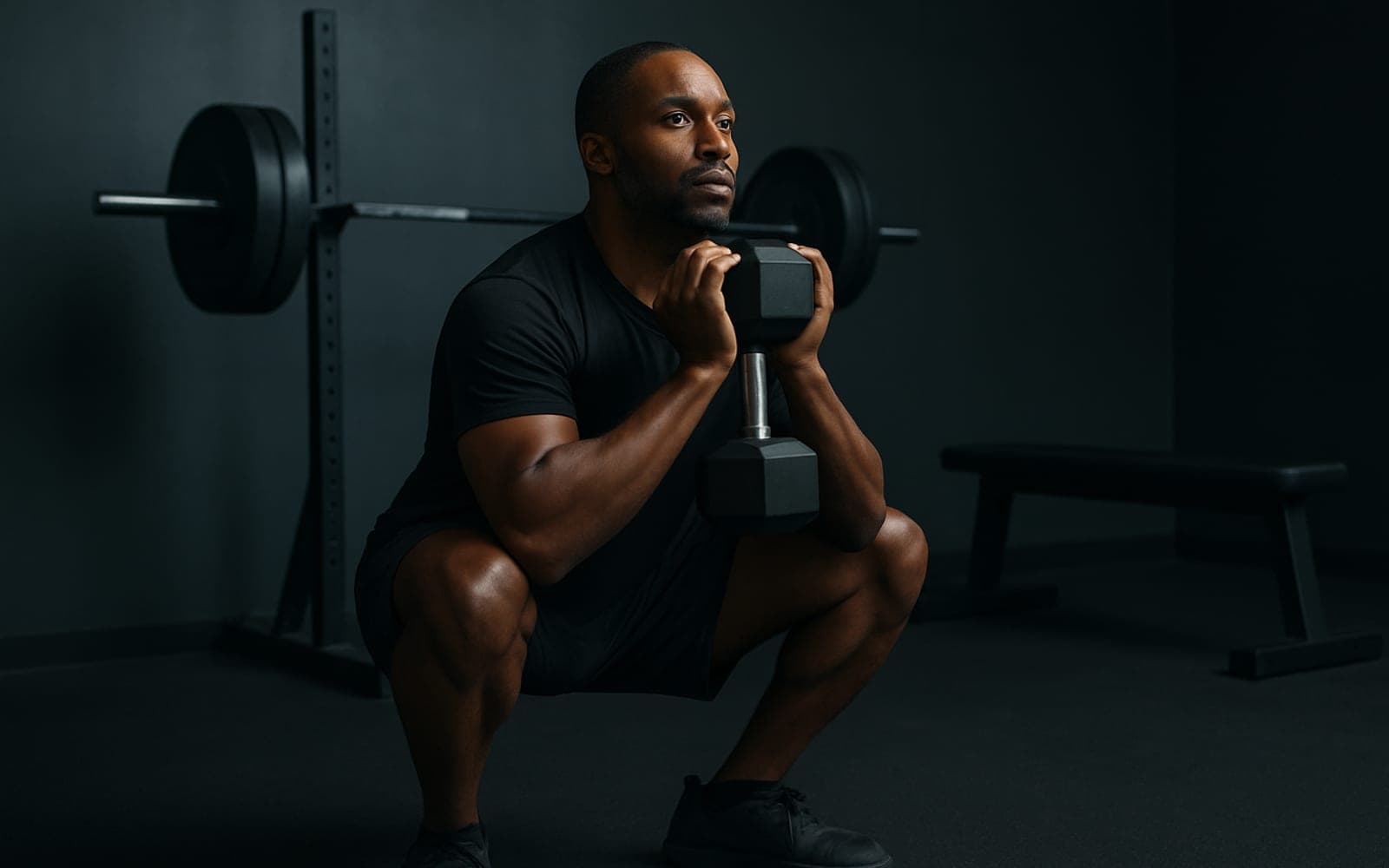
Bodyweight Squat, Leg Press, Goblet Squat all train the same squat pattern with different equipment, so any of them works when the machine is busy or your gym does not have it.
What are the most common wall sit mistakes?
Knees drifting past the toes; Not sitting low enough; Holding the breath. Hold the position with an even weight through the feet and a braced core, breathing steadily for time.