StepMill
Activation
Muscles worked
Movement
Cardio
Intermediate · Cardio
Secondary muscles
Movement pattern
Equipment category
How to perform
- 1
Set up
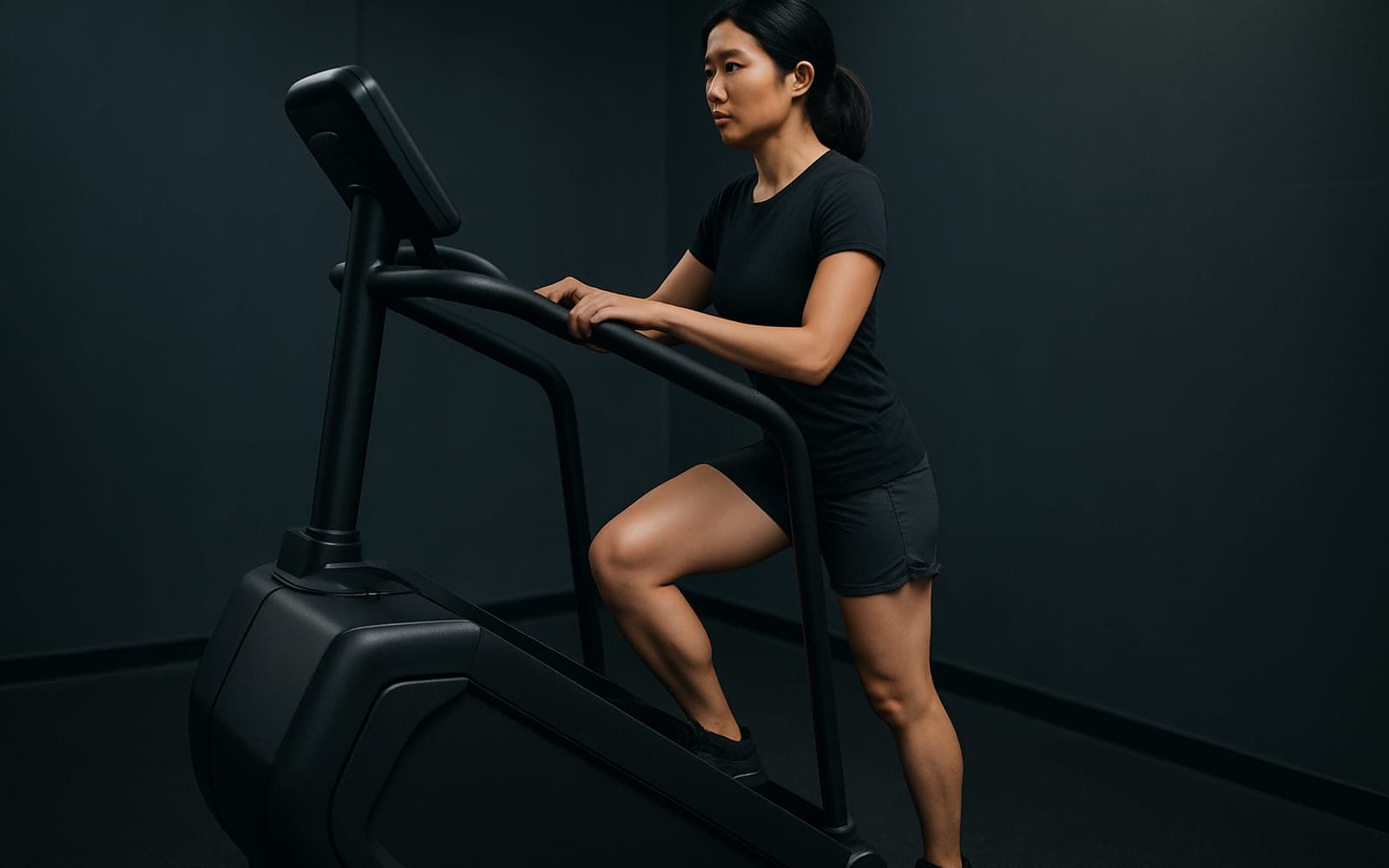
Step onto the revolving stairs at a manageable pace.
- 2
Execute the movement
Stand tall, full steps, light hand contact only.
Common mistakes
- Leaning heavily on the rails
Make it harder
Make it easier
Substitutions
If a machine is busy or unavailable, these train the same pattern a different way.
Your progress over time
What to expect from training this consistently — everyone progresses at their own pace.
- 1
First few sessions
Learned efficient technique and breathing while building tolerance for continuous stepping; expect 10–20 minute steady efforts with modest fatigue and improved comfort using light hand contact.
- 2
Weeks 2–4
Can sustain longer steady-state sessions (20–40 minutes) at moderate intensity, resulting in increased calorie expenditure per session and early, modest reductions in body weight when combined with diet.
- 3
Months 1–3
Noticeable improvements in cardiovascular endurance and lower-body muscular endurance—able to maintain higher speeds or resistance with less perceived effort and improved stair-climbing ability in daily life.
- 4
Months 3–6
Able to include interval or higher-resistance sessions for greater intensity, producing larger cardiorespiratory gains, greater caloric burn, and measurable improvements in leg and glute stamina and power.
- 5
6+ months
Sustained improvements in aerobic fitness and body composition when training consistently; reliable tool for weight maintenance, improved work capacity on stairs and inclines, and lower resting exertion during similar activities.
Benefits of the stepmill
Develops cardiovascular endurance by providing sustained, rhythmic elevation of heart rate during sessions.
Builds lower-body muscular endurance and strength, particularly in the quads, hamstrings, and glutes, through repeated full steps against resistance.
High calorie burn per unit time makes it an efficient option to support weight-loss goals when paired with appropriate nutrition.
Improves real-world stair-climbing ability and functional capacity for activities that require repeated elevation change.
Encourages upright posture and core engagement when performed standing tall, which can help movement efficiency.
Easy to scale intensity (speed, resistance, intervals), allowing progressive overload and varied cardiovascular training without complex technique.
Exercises that pair with this
Same muscles or the same movement pattern — useful for building the rest of the session.
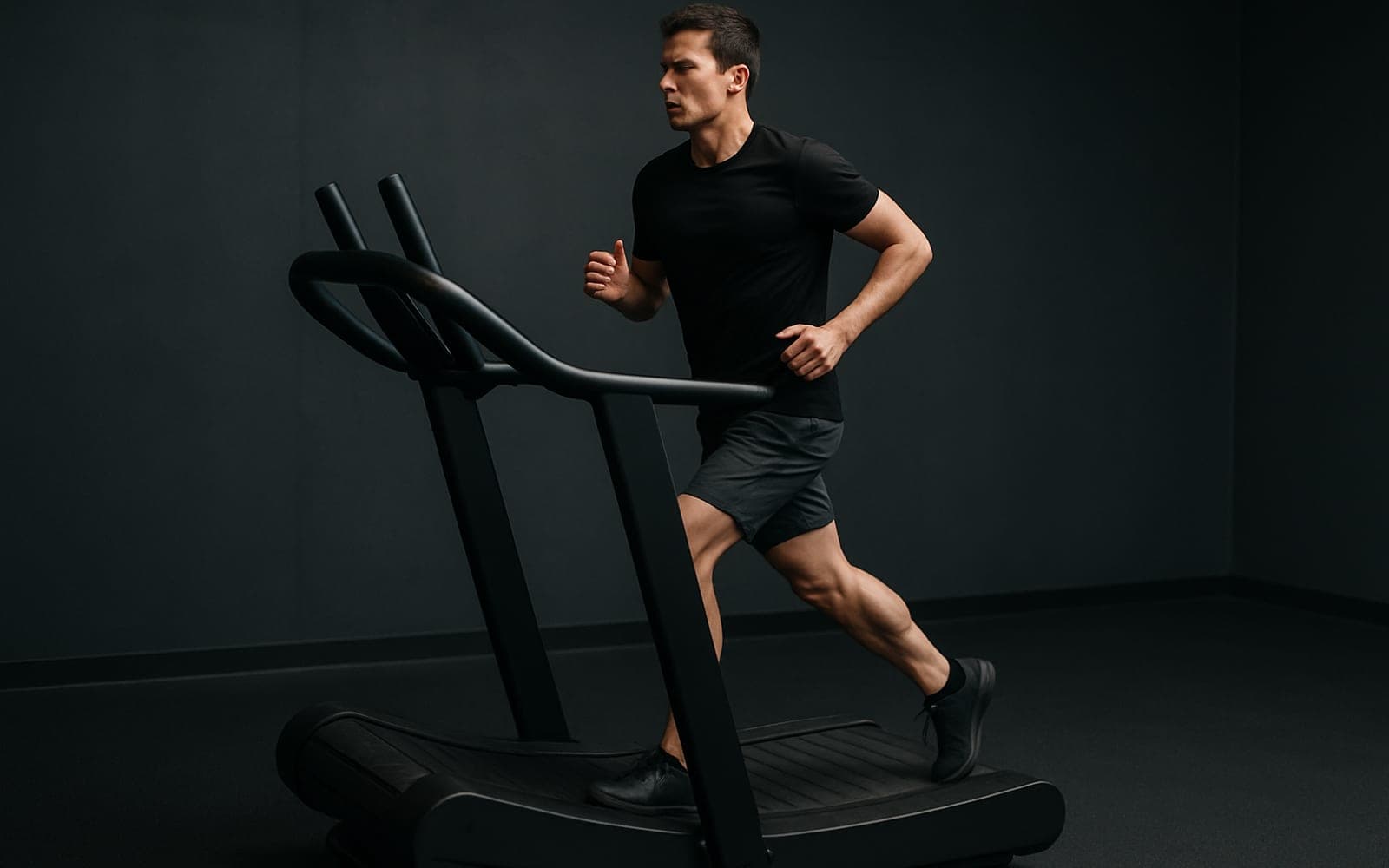
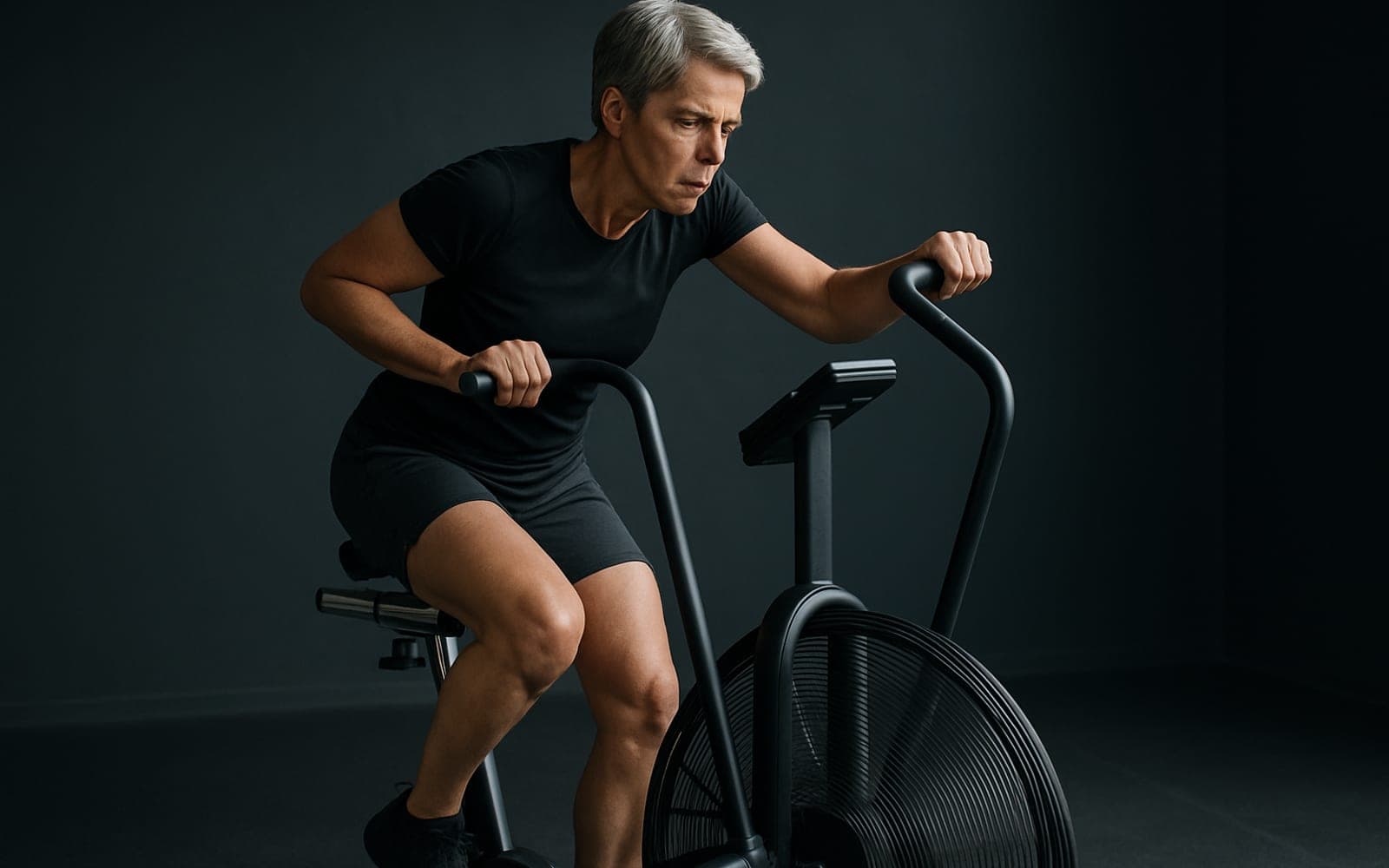
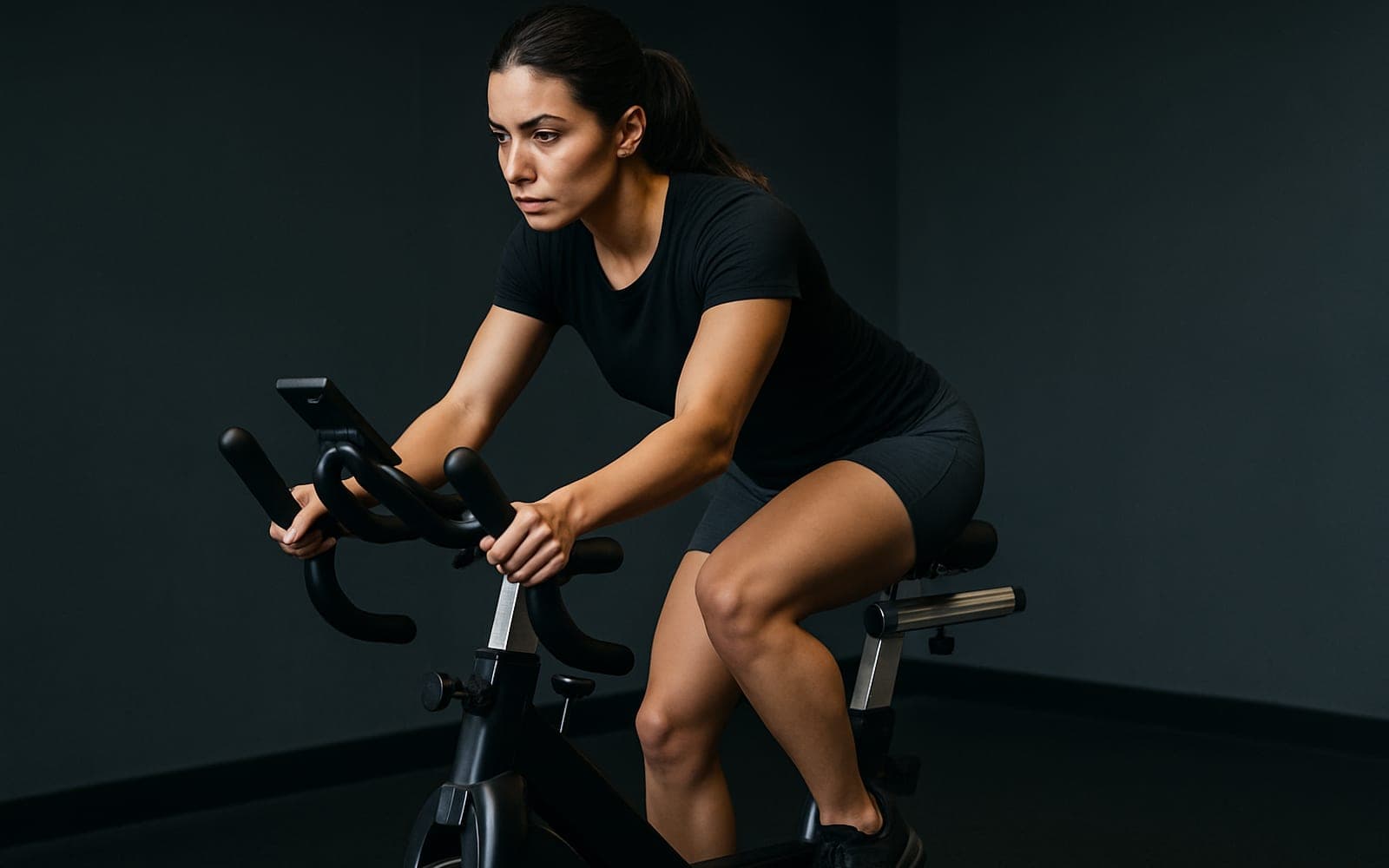
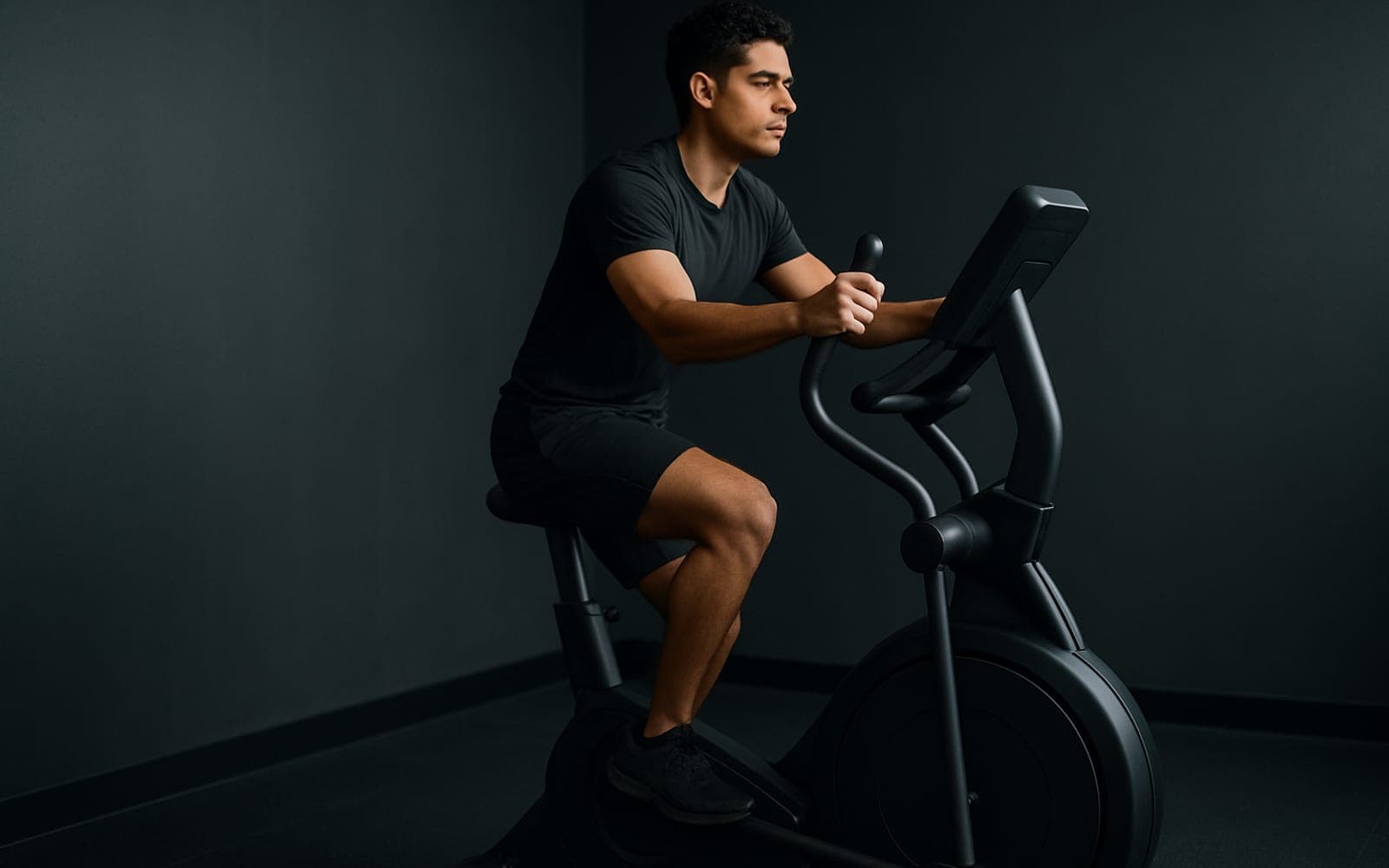

StepMill — questions people ask
What muscles does the stepmill work?
The stepmill trains the heart and legs and glutes as the primary target. It is a cardio pattern, so it also trains the coordination that pattern needs.
How many sets and reps of the stepmill should I do?
Work in time, not reps: 20–40 minutes at a conversational pace for base fitness, or 6–10 short hard intervals with equal rest if you are training for speed.
Is the stepmill good for beginners?
It is a reasonable second step. The stepmill asks for some control and body awareness. Slow the steps. If it feels like too much, build the pattern on the elliptical trainer first.
What can I do instead of the stepmill?
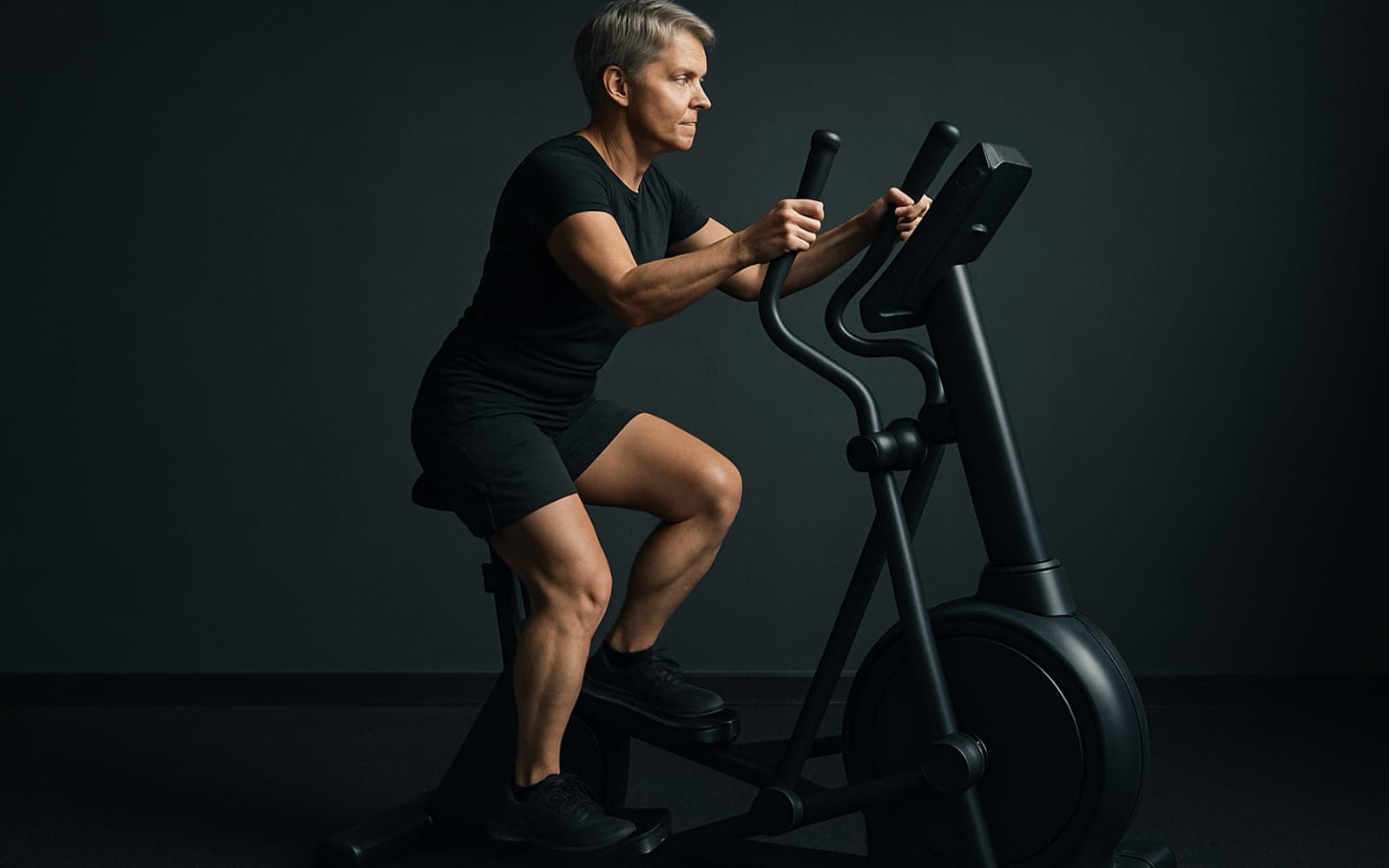
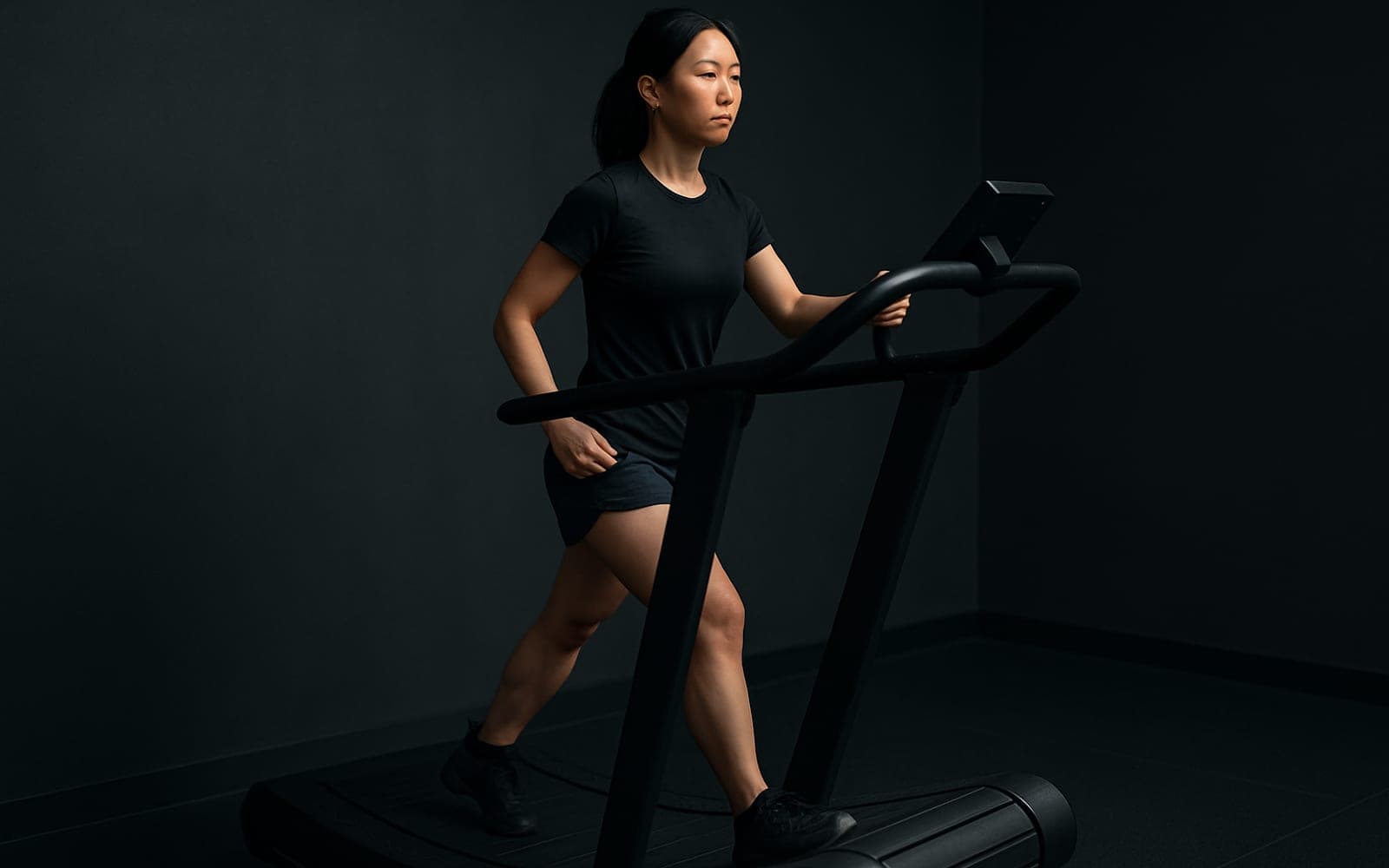
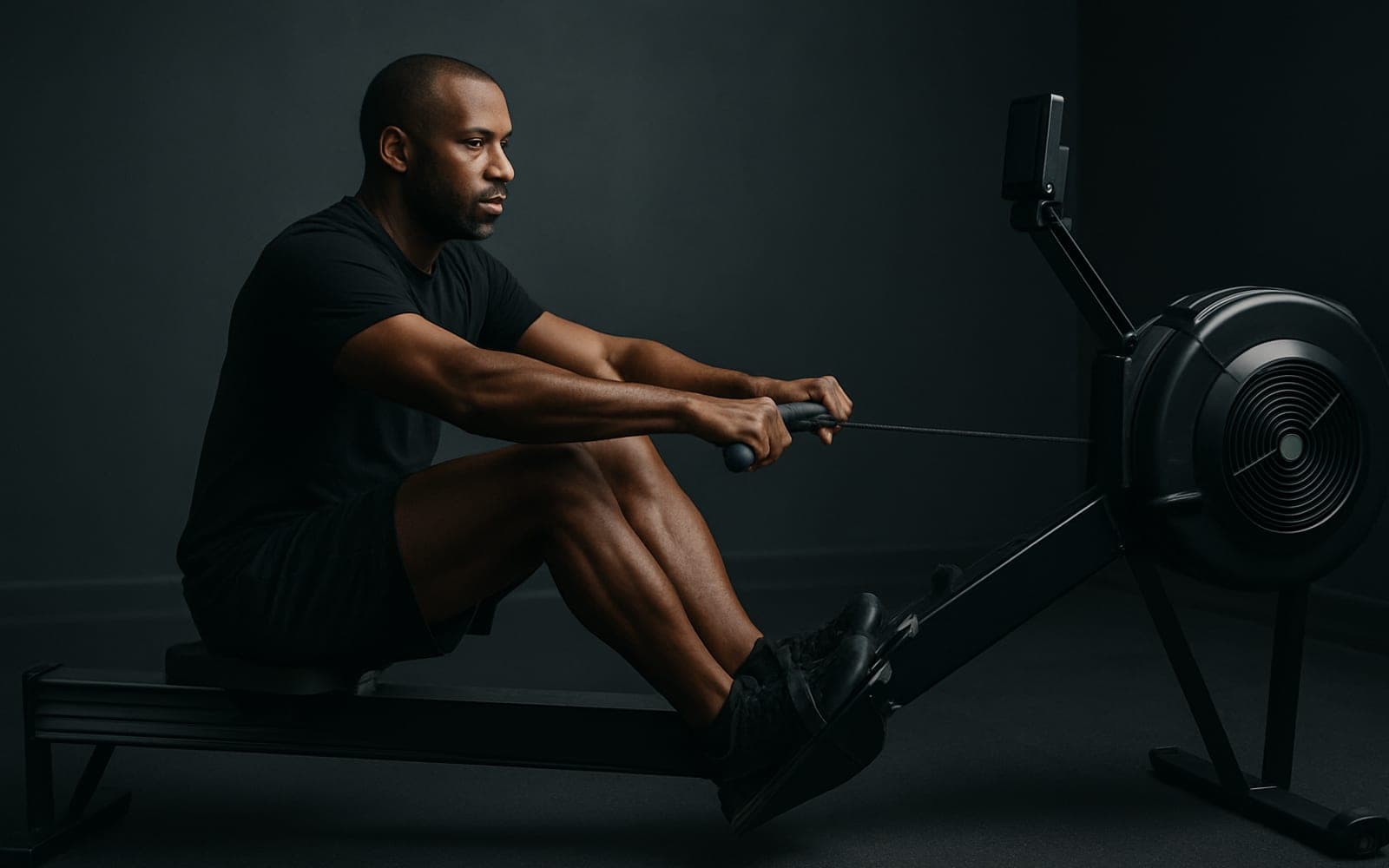
Elliptical Trainer, Treadmill Walking all train the same cardio pattern with different equipment, so any of them works when the machine is busy or your gym does not have it.
What are the most common stepmill mistakes?
Leaning heavily on the rails. Stand tall, full steps, light hand contact only.
Can I do the stepmill at home?
It needs cardio equipment, so it belongs in a gym session rather than a home workout unless you own that equipment.