HIIT Intervals
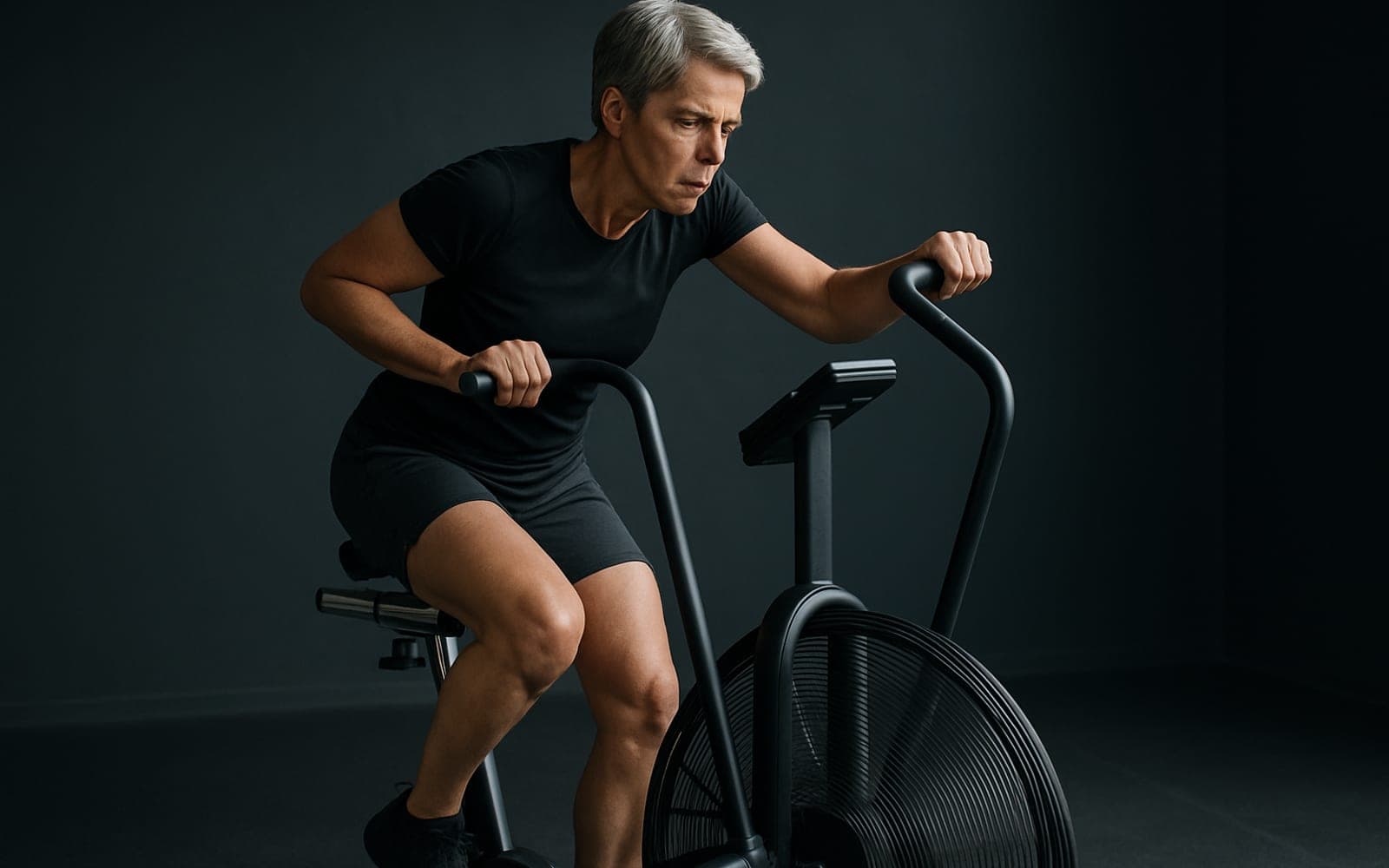
Activation
Muscles worked
Movement
Cardio
Advanced · Cardio
Secondary muscles
Movement pattern
Equipment category
How to perform
- 1
Set up
Pick a machine; warm up thoroughly.
- 2
Execute the movement
Alternate hard efforts with easy recovery (e.g. 30s hard / 90s easy).
Common mistakes
- No warm-up
- Too many sessions per week
Make it harder
Make it easier
Substitutions
If a machine is busy or unavailable, these train the same pattern a different way.


Your progress over time
What to expect from training this consistently — everyone progresses at their own pace.
- 1
First few sessions
Learn to pace efforts and recoveries, understand personal RPE/HR zones, experience heavy breathing and leg burn, and expect 24–48h of localized muscle soreness if unaccustomed to high-intensity work.
- 2
Weeks 2–4
Noticeable improvements in tolerance for repeated hard efforts, shorter perceived recoveries between intervals, small increases in average output during efforts, and beginning reductions in body fat when paired with appropriate nutrition.
- 3
Months 2–3
Clear gains in anaerobic capacity and sprint power, better cardiovascular efficiency (you can sustain higher intensities), improved work-to-rest ratio, and meaningful body-composition changes with consistent sessions.
- 4
6+ months
Sustained higher fitness baseline: faster times in short races/assessments, greater daily energy expenditure, improved metabolic flexibility, and the ability to manipulate interval variables (duration, intensity, rest) to target specific performance goals.
Benefits of the hiit intervals
Develops cardiovascular and respiratory power by repeatedly stressing heart and lungs during high-intensity efforts.
Improves leg power and anaerobic capacity, translating to faster sprints, quicker accelerations, and better short-burst performance in sports.
Increases post-exercise calorie burn (EPOC) and can accelerate fat loss when combined with appropriate dietary habits.
Teaches pacing, recovery management, and mental toughness under fatigue, which transfers to many athletic situations.
Efficient time investment: delivers large fitness gains in shorter total training time compared with steady-state cardio.
Engages the whole body (core and upper body stabilization during efforts) and improves overall work capacity and metabolic health markers associated with endurance and high-intensity work.
Exercises that pair with this
Same muscles or the same movement pattern — useful for building the rest of the session.
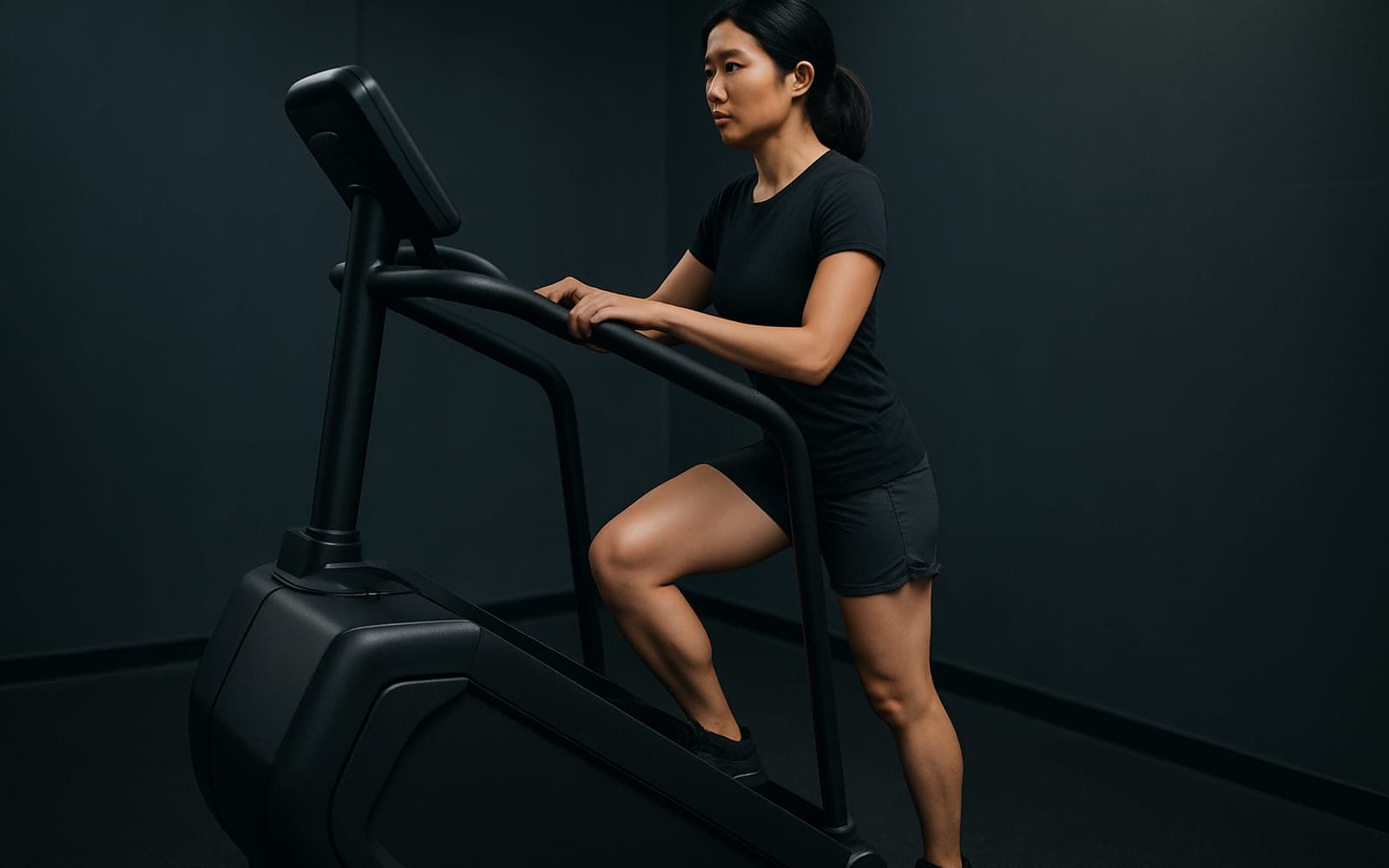
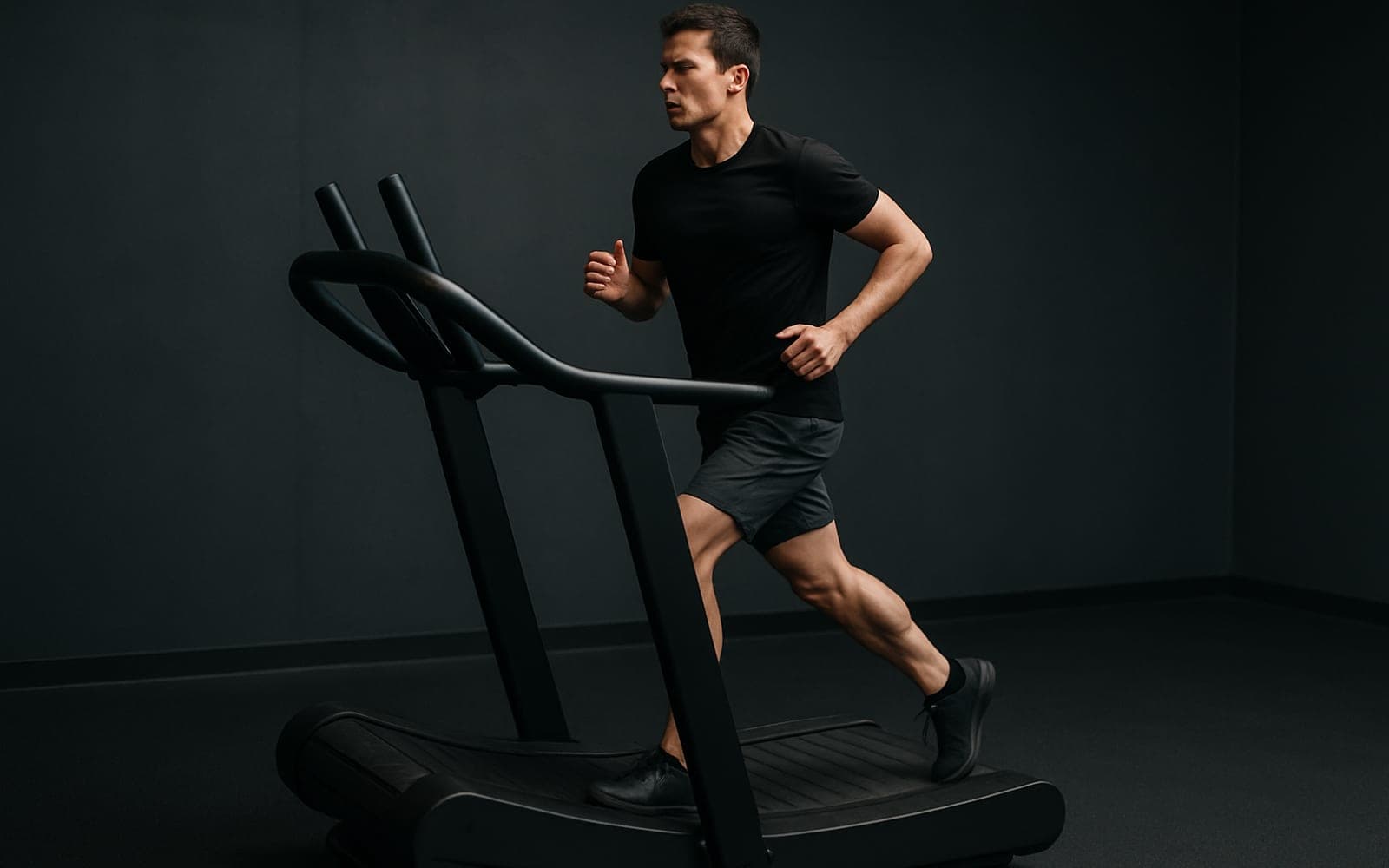
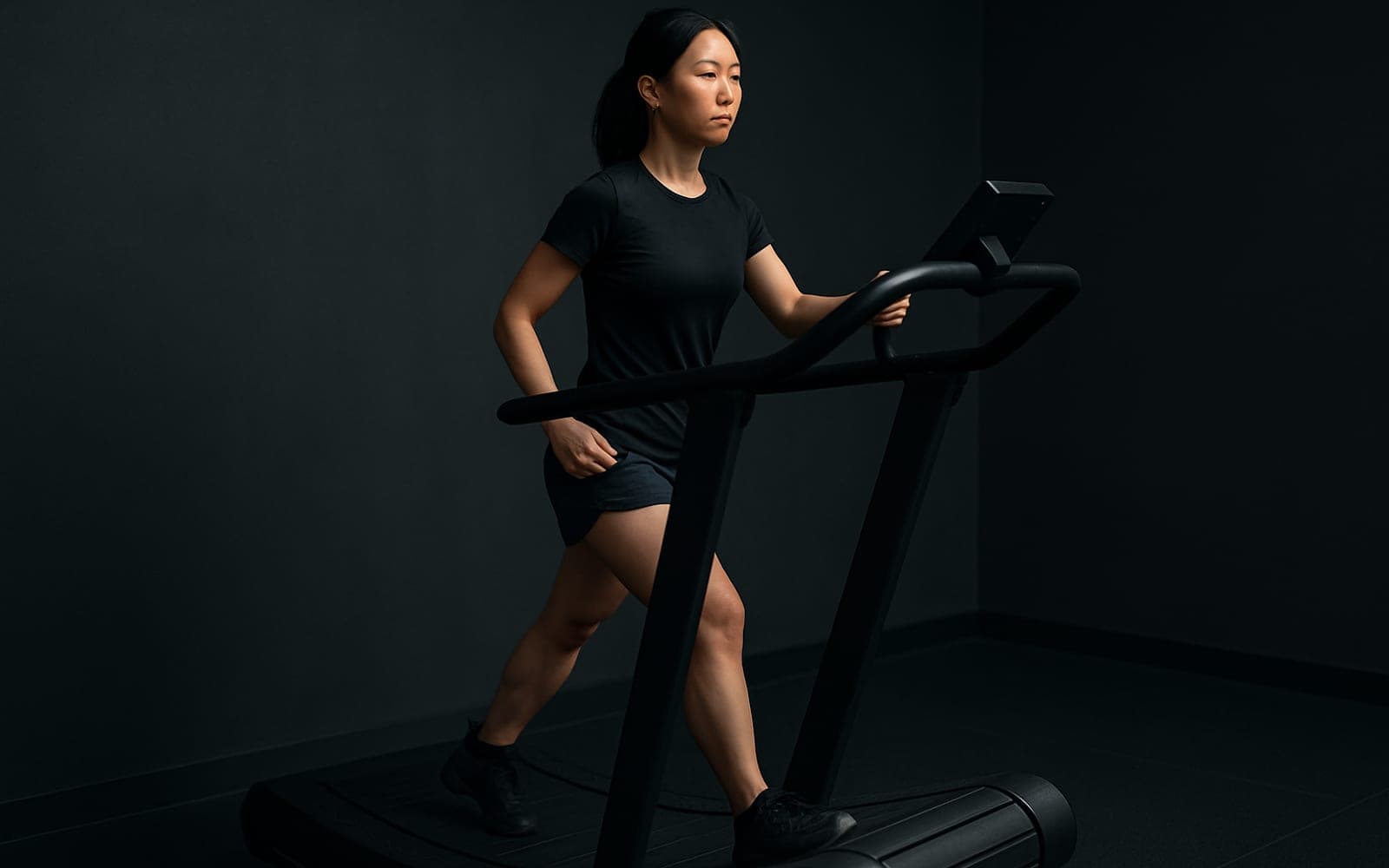
HIIT Intervals — questions people ask
What muscles does the hiit intervals work?
The hiit intervals trains the heart and legs as the primary target, with the full body working as support. It is a cardio pattern, so it also trains the coordination that pattern needs.
How many sets and reps of the hiit intervals should I do?
Work in time, not reps: 20–40 minutes at a conversational pace for base fitness, or 6–10 short hard intervals with equal rest if you are training for speed.
Is the hiit intervals good for beginners?
Not as a first exercise. The hiit intervals is an advanced movement. Longer recoveries, fewer rounds. It is also form-sensitive, so it is worth having a coach or an experienced lifter watch your first few sessions. If it feels like too much, build the pattern on the rowing machine first.
What can I do instead of the hiit intervals?
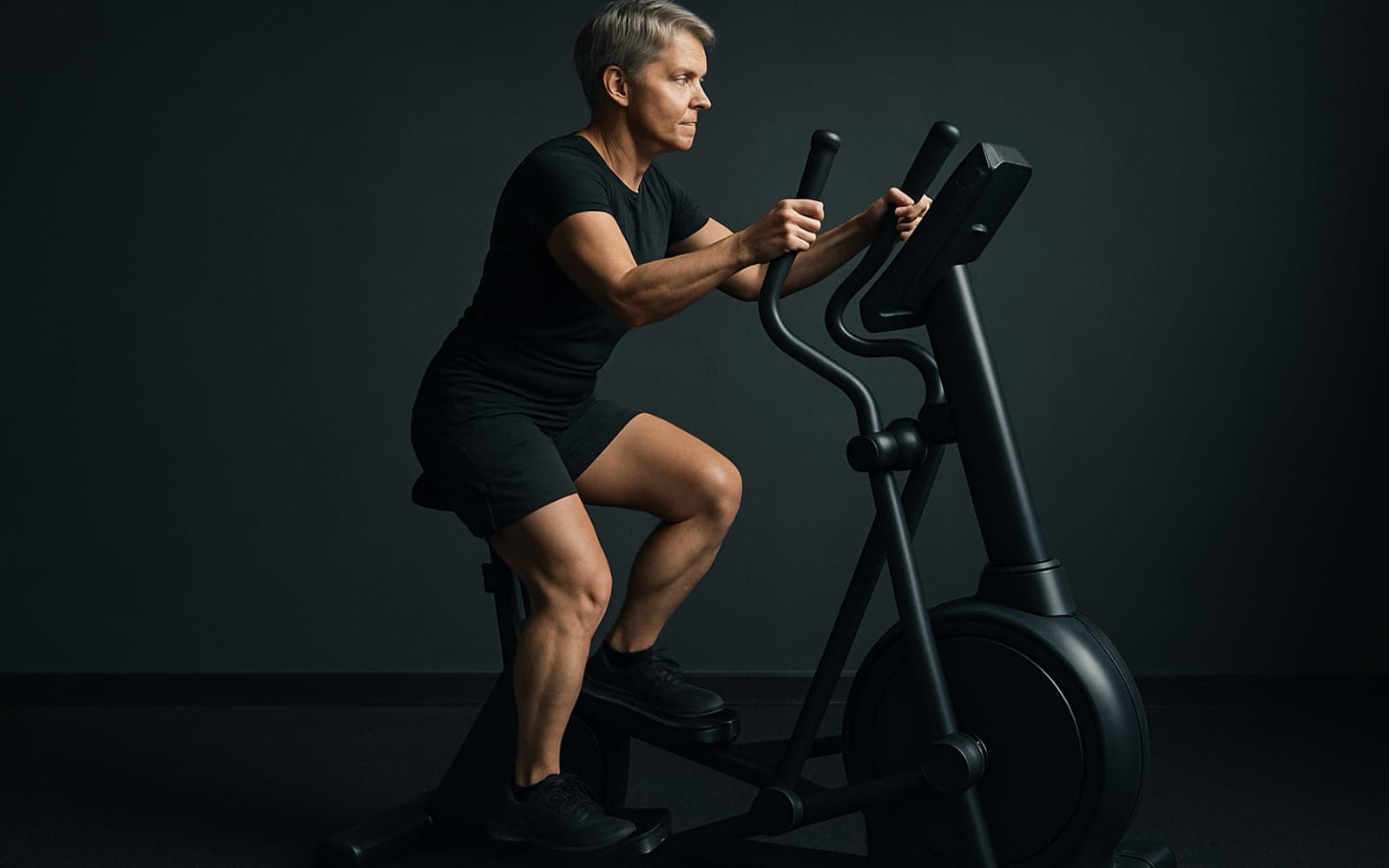
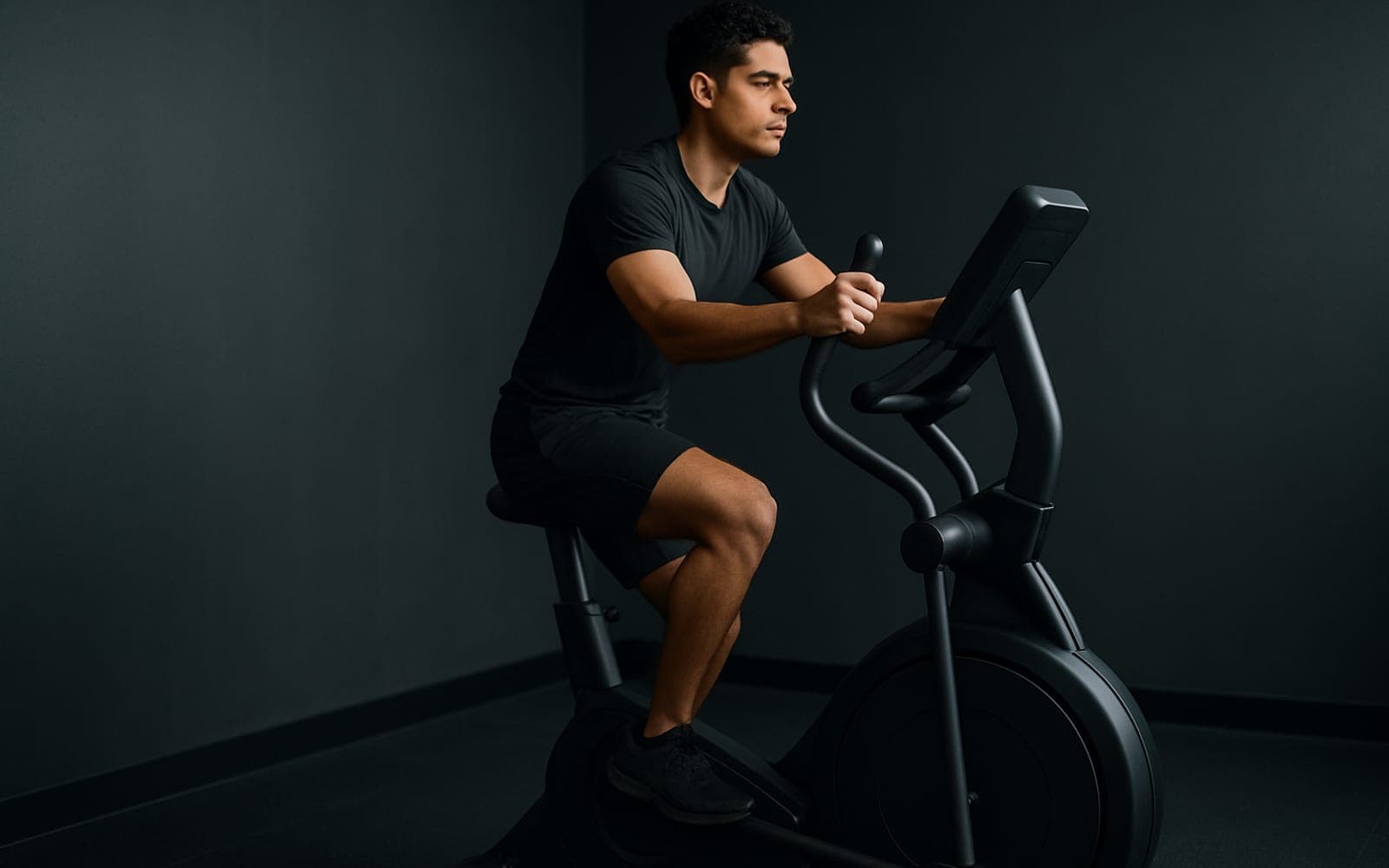
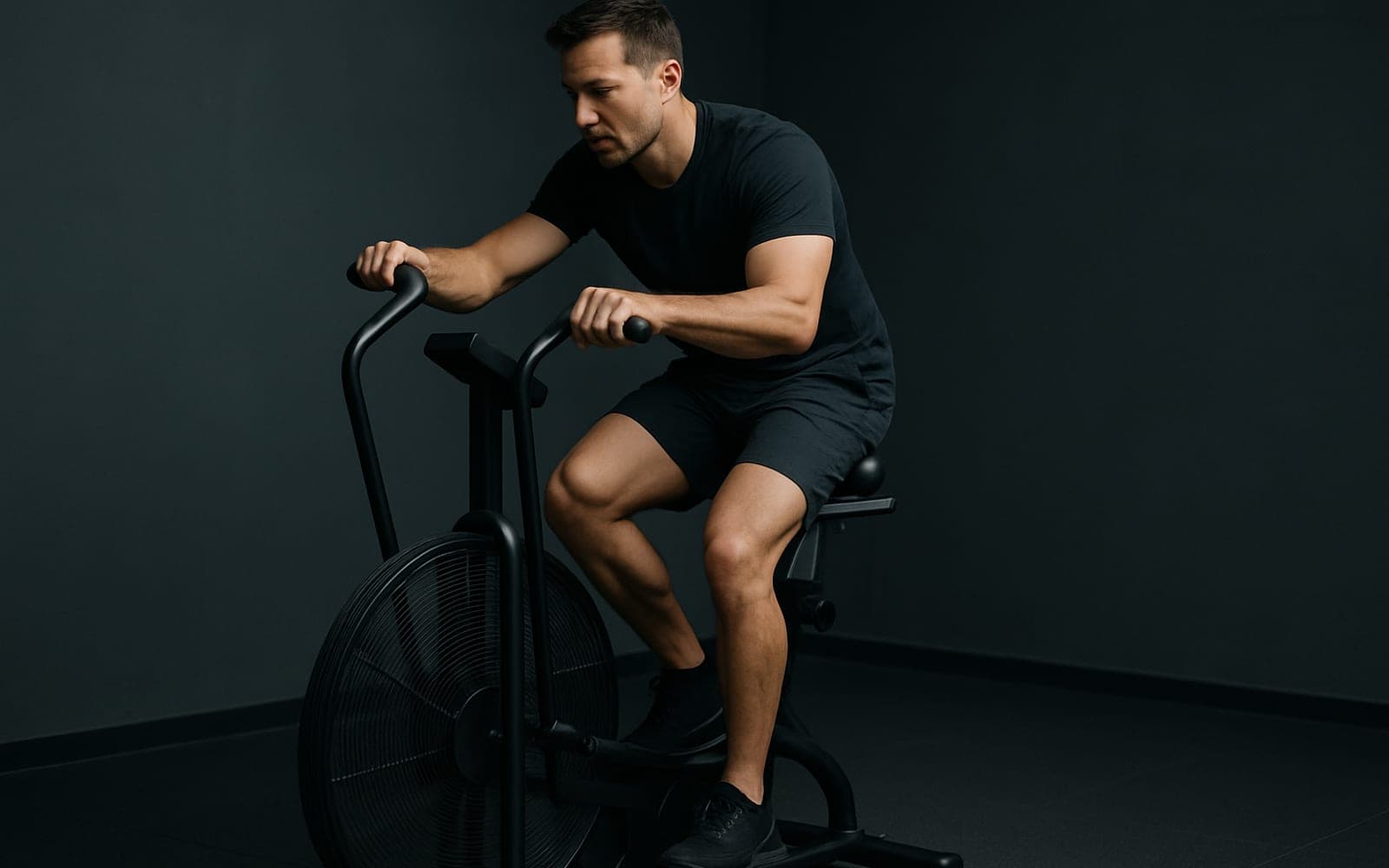
Rowing Machine, Sled Push all train the same cardio pattern with different equipment, so any of them works when the machine is busy or your gym does not have it.
What are the most common hiit intervals mistakes?
No warm-up; Too many sessions per week. Alternate hard efforts with easy recovery (e.g. 30s hard / 90s easy).
Can I do the hiit intervals at home?
The hiit intervals needs cardio equipment, which most home gyms do not have. The sled push trains the same pattern with nothing more than your bodyweight or a band.